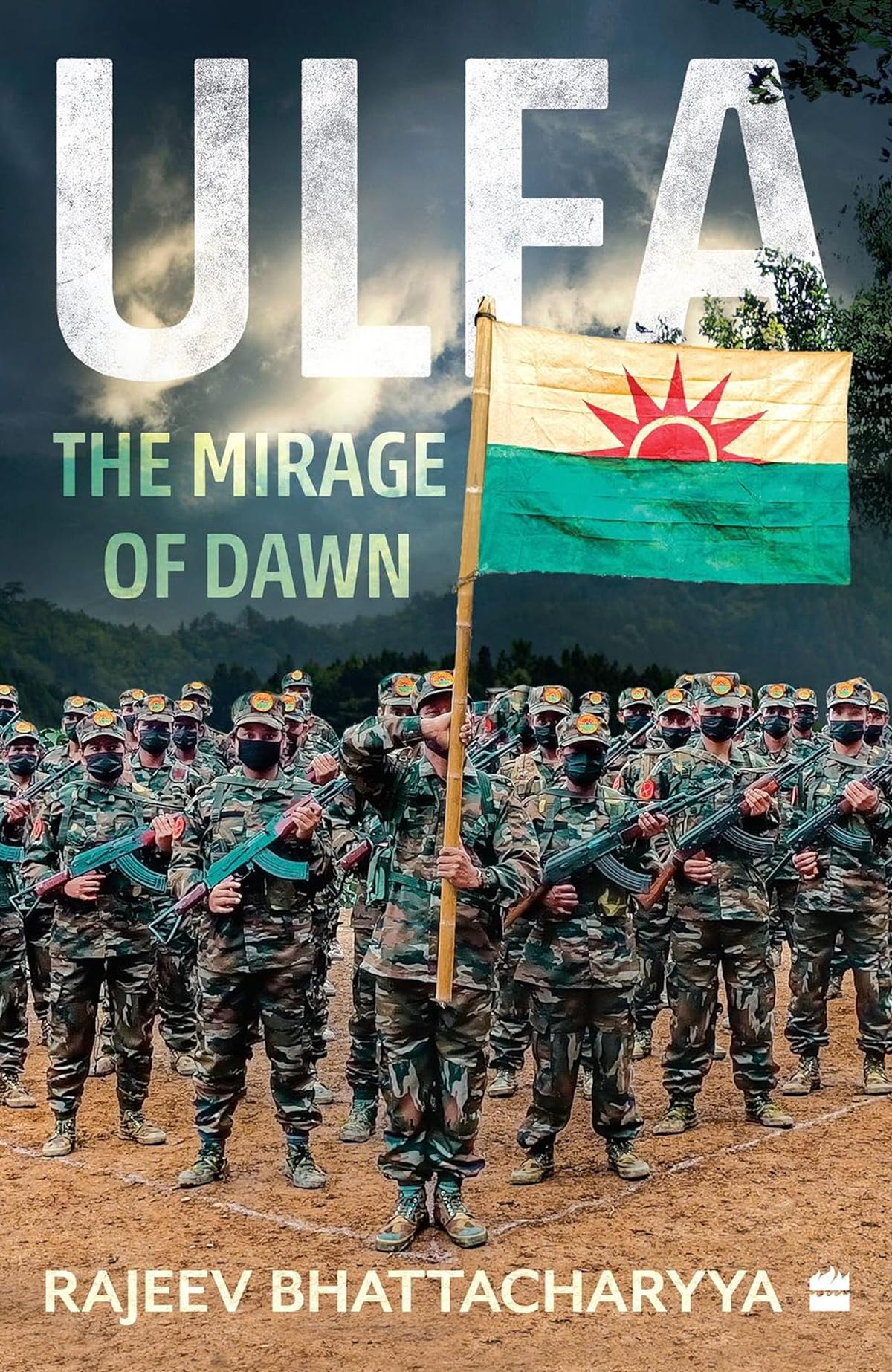
The origins of ULFA, or the United Liberation Front of Asom, trace back to 1979 when a group of young Assamese men ignited a movement aimed at achieving Assam’s independence from the central government. Motivated by a deep sense of injustice regarding the region’s marginalization, they gathered at Rang Ghar in Sivasagar, where they laid the groundwork for a new political journey. This significant initiative was not merely a response to political grievances; it was also rooted in the broader context of the Assam Agitation of the late 1970s and early 80s, which advocated for Assamese rights amidst rampant illegal immigration. Over the years, ULFA’s military activities escalated, establishing itself as a formidable presence in Assamese politics, particularly during the turbulent period of the Assam elections in 1983. Today, as Assam prepares for the 2026 elections, the legacy and impact of ULFA’s origins continue to shape the political landscape, with potential implications for regional stability and development.
Exploring the foundational aspects of the United Liberation Front of Asom provides valuable insights into the complex history of Assamese nationalism and the quest for statehood. The formation of this armed group was largely a reaction to the sociopolitical dynamics that had gripped Assam, a state grappling with issues of autonomy and local governance. As the movement grew, it drew attention to significant matters like resource exploitation and cultural identity, invoking a passionate call for Assam independence. The rise of ULFA during the Assam Agitation highlighted the desperation among youths, whose aspirations for a better future clashed with the harsh realities of political disenfranchisement. As the state heads towards the 2026 assembly elections, understanding ULFA’s genesis helps clarify the tensions that persist in the region.
Understanding the ULFA Origins in Assam
The origins of the United Liberation Front of Asom (ULFA) can be traced back to the late 1970s when a group of passionate Assamese youth gathered with a common vision: the quest for an independent Assam. In the wake of widespread discontent regarding the perceived exploitation of Assam’s resources by the central government, these young leaders felt that their voices were being drowned out by political ineptitude. The culmination of their frustrations gave birth to ULFA on April 7, 1979, marking a significant moment in Assam’s history as a call to arms for Assamese identity and autonomy.
Initially, ULFA’s actions were somewhat muted, but as they joined forces with the Assam Agitation movement, their visibility and influence soared. They quickly transitioned from a fringe group to a formidable entity capable of orchestrating violent confrontations, extortion, and asserting parallel control within local administrations. Members of ULFA drew upon their experiences from student activism, fundamentally shifting the narrative of Assamese nationalism towards a more militant stance, thus framing the struggle for Assam’s legitimacy as not just a political issue but a life-and-death struggle.
The Role of ULFA in the Assam Agitation
The Assam Agitation, which spanned from 1979 to 1985, served as a pivotal backdrop to ULFA’s rise, effectively representing the collective voice of Assamese youth seeking autonomy. This period saw robust participation from various student organizations, including the influential All Assam Students’ Union (AASU), rallying against illegal immigration and highlighting the socio-economic disparities faced by the indigenous population. Amidst these protests, ULFA positioned itself as a guardian of Assamese rights, asserting that armed struggle was essential in reclaiming their identity and resources.
As tensions escalated during the agitation, events such as the 1983 Nellie massacre highlighted the brutality of the conflict, generating further impetus for ULFA’s activities. The group’s alignment with the widespread unrest allowed them to effectively galvanize public support, capitalizing on rampant disillusionment with the political status quo. Their increasing notoriety enabled them to transition from protests to armed conflict, utilizing strategic strikes and assertion of authority to reinforce their agenda for an independent Assam.
ULFA’s Financing and Resource Control
To sustain its operations and insurgency, ULFA developed a multifaceted approach to finance itself. Key to this was their effective control over Assam’s valuable resources—tea, oil, and timber—which they believed were being exploited without adequate local benefit. Engaging in extortion and kidnappings, ULFA strategically targeted not only wealthy individuals but also non-Assamese communities, thereby instilling fear and asserting their dominance. This system allowed them to create a parallel economy, where they collected taxes and imposed their authority across local communities.
By engaging in bank robberies and systematic killings of perceived enemies, ULFA was not only able to fund its militant activities but also cultivate support from disenfranchised youth drawn by the promise of a revolutionary cause. The operational base of ULFA expanded significantly throughout the 1980s and 1990s, as they developed training facilities in neighboring countries and built alliances with other separatist factions. This extensive network proved crucial for ULFA’s longevity, enabling them to sustain their insurgency well into the late 1990s despite increasing government crackdowns.
Impact of Government Operations on ULFA
The government’s response to ULFA’s activities culminated in Operation Bajrang, initiated in 1990, which aimed to dismantle the organization’s leadership and infrastructure. This operation led to intense counter-insurgency measures, effectively pushing ULFA members into hiding while many of its leaders fled the region. The enforcement of strict laws under the Unlawful Activities (Prevention) Act labeled ULFA as a terrorist organization, which significantly impacted their operations and control within Assam.
Following the surge of government operations, the political landscape of Assam began to change, leading to the rise of various factions within ULFA. These splinter groups, particularly ULFA-I, emerged with distinct ideologies and objectives, complicating the peace process further. While some former members sought solace in mainstream politics, emphasizing development over armed struggle, the underlying tensions brought forth by ULFA’s legacy continue to influence Assam’s political dynamics as the 2026 elections approach.
Election Dynamics and ULFA’s Continuing Influence
As Assam approaches the 2026 assembly elections, the specter of ULFA continues to loom large. Security experts are increasingly wary of the potential alliance between ULFA-I and other insurgent factions, particularly as they may attempt to destabilize the electoral process. Their historical legacy of violence and disruption raises questions about the safety and legitimacy of the upcoming elections, highlighting a crucial need for robust security measures and political vigilance.
The transformation of ULFA from an insurgent group to a significant political player illustrates the complexities of regional politics in Assam. The shifting ideologies within ULFA, from militant struggle to political engagement by former militants, reflect changing sentiments among the public as well. Voters are not only grappling with the memories of ULFA’s violent past but are also seeking assurance about the future of Assam’s political stability and their vision for self-determination, which will play a crucial role in shaping the outcomes of the elections ahead.
ULFA’s Leadership and Historical Context
The leadership of ULFA, consisting of influential figures like Arabinda Rajkhowa and Paresh Baruah, has always been pivotal to its operational dynamics and ideological stance. These leaders, often hailed as revolutionaries by their supporters, have directed the narrative of the Assamese struggle through a combination of political rhetoric and armed resistance. By portraying themselves as champions of Assamese identity, they sought to garner grassroots support, significantly impacting the local populace’s views on Assam independence.
Historically, the actions of ULFA’s leaders shaped not only the insurgency but also the broader movement for Assamese nationalism. Their backgrounds in student politics and experiences during the Assam Agitation have equipped them with an understanding of the socio-political landscape of Assam, allowing them to galvanize support effectively. However, as ULFA’s prominence wanes and political realities shift, these leaders’ embrace of or departure from violent resistance could dictate the future trajectory of the fight for Assamese sovereignty.
Consequences of Assam’s Political Turmoil on ULFA
The political turmoil in Assam, particularly during the 1980s and 1990s, dramatically influenced the strategies and operations of ULFA. The heightened hostilities brought about by government crackdowns, such as Operation Bajrang, not only compelled ULFA to adapt its tactics but also fragmented the organization into various factions. Each faction, with its own leadership and ideologies, responded differently to the changing political landscape, leading to a diversification of methods employed in their quest for Assamese autonomy.
This fragmentation has significant ramifications for the political climate in Assam. As splinter groups emerged, the central narrative of ULFA’s struggle has been diluted, leading to differing visions of independence. While some factions advocate for continued armed resistance, others have sought reconciliation with political entities, showcasing the evolving dynamics of Assamese nationalism. The current scenario poses a question for the voters in the 2026 assembly elections: will they support parties echoing ULFA’s historical demands, or will they gravitate towards platforms emphasizing peaceful negotiations and developmental politics?
The Role of Civil Society in Addressing ULFA’s Legacy
Civil society plays a crucial role in addressing the legacy of ULFA and the socio-political challenges that have emerged in Assam. Organizations focused on peacebuilding and reconciliation are working to bridge the divide between former militants and the larger community. Through dialogues, community engagement, and educational initiatives, these groups aim to foster understanding and promote a narrative of healing rather than retribution, which is essential for long-term stability and peace in Assam.
Moreover, as Assam moves towards the crucial 2026 elections, civil society organizations are pressuring political parties to address the needs and aspirations of the Assamese people, which have been heavily influenced by ULFA’s historical context. By advocating for inclusive policies that acknowledge the diverse voices within Assam, civil society can help to mitigate the tensions that arise during electoral processes and encourage greater participation in the democratic process, ultimately seeking to create a more equitable socio-political framework.
Anticipating Electoral Challenges in Assam
The upcoming assembly elections in Assam are anticipated to present multiple challenges, particularly concerning ULFA’s influence on the political landscape. Security concerns, exacerbated by the potential for disruptions from various factions, underscore the need for comprehensive electoral strategies. Law enforcement agencies and the government are under pressure to ensure a smooth electoral process while navigating the complex web of local grievances and the legacy of ULFA’s insurgent activities.
Voter sentiment is likely to be shaped by memories of past violence juxtaposed with hopes for a stable political future. The electorate may grapple with conflicting views about ULFA’s role in championing Assamese nationalism versus the necessity of moving towards a peaceful resolution. Hence, political candidates will need to address the lingering impact of ULFA judiciously, balancing their messaging between acknowledging the past and projecting a vision aimed at cohesive development and peace for Assam.
Frequently Asked Questions
What are the origins of the United Liberation Front of Asom (ULFA) in relation to Assam’s political situation?
The United Liberation Front of Asom (ULFA) originated from a group of young Assamese men who gathered in 1979, driven by the belief that Assam was marginalized under the central government’s control. They aimed to establish an independent Assam, leading to ULFA’s formation as a significant political movement advocating for Assamese autonomy.
How did the Assam Agitation contribute to the rise of ULFA’s influence?
The Assam Agitation (1979-1985) played a crucial role in ULFA’s rise, as it highlighted public discontent over illegal immigration and economic exploitation. During this period, ULFA gained notoriety by enforcing election boycotts and asserting that armed struggle was necessary to achieve Assam’s liberation, thus boosting their visibility and support among the populace.
What was the role of ULFA in the Assam elections of the 1980s?
During the 1980s, ULFA was heavily involved in the Assam elections, notably in 1983 when they enforced boycotts due to ongoing unrest and violence. Their actions were part of a broader strategy to undermine the electoral process, which they deemed illegitimate, thus seeking to assert their demand for an independent Assam.
What activities did ULFA engage in to fund their operations?
ULFA financed its operations through various means, including extortion, kidnappings, and control over lucrative local resources such as tea and timber. Their economic strategies allowed them to maintain significant operational capacity throughout the 1980s and beyond.
How did ULFA’s founders influence its early ideology and tactics?
The founders of ULFA, including notable figures like Arabinda Rajkhowa, were previously involved in student organizations advocating for Assamese rights. Their experiences in these groups not only influenced ULFA’s ideology of Assamese nationalism but also its tactics, which included both political activism and armed resistance against perceived state oppression.
What has been the impact of ULFA on Assam’s security landscape over the years?
ULFA has significantly impacted Assam’s security landscape, evolving from a militant organization into a major political challenge, especially during the height of insurgency in the 1980s and 1990s. Although their influence has waned in recent years, residual factions like ULFA-I remain active and potentially disruptive, especially with upcoming events like the Assam elections in 2026.
What were the government responses to ULFA’s activities since its inception?
Over the years, the Indian government has responded to ULFA’s insurgent activities with various measures, including military operations like Operation Bajrang initiated in 1990, which targeted ULFA’s leadership and infrastructure. The group was ultimately banned under the Unlawful Activities (Prevention) Act, illustrating the ongoing conflict between ULFA and the state.
How do ULFA’s origins relate to contemporary Assamese nationalism?
ULFA’s origins are deeply interwoven with contemporary Assamese nationalism, as the group’s formation was a direct response to perceived exploitation of Assamese identity and resources by the central government. Today, the legacy of ULFA’s quest for independence continues to influence discussions on Assamese identity and politics.
What were the consequences of the Assam Accord in 1985 for ULFA and the state of Assam?
The Assam Accord in 1985 aimed to resolve the issues raised by the Assam Agitation, recognizing the rights of Assamese citizens and establishing a cutoff date for illegal immigrants. While it aimed to bring peace, ULFA capitalized on the dissatisfaction with the accord’s implementation, which shaped its narrative and actions in the subsequent years.
How has ULFA’s recruitment strategy evolved over the decades?
ULFA’s recruitment strategy began primarily targeting young individuals in rural areas, often attracting those disillusioned by economic hardships and lack of opportunities. This strategy has evolved and adapted, especially during times of increased government crackdowns, as they sought to maintain their numbers and operational capabilities.
| Key Points | Details | |
|---|---|---|
| Formation of ULFA | ULFA was founded on April 7, 1979, aiming for an independent Assam. | |
| Background | Formed by young Assamese men who felt marginalized by the central government, especially concerning resource allocation. | |
| Activities | Engaged in violent actions including kidnappings and extortion to finance its operations. | |
| Promotion of Assamese Identity | ULFA positioned itself as a defender of Assamese identity and argued against central government exploitation. | |
| Assam Agitation | Gained prominence during the Assam Agitation (1979-1985), advocating for an independent Assam. | |
| Economic Context | Exploited local dissatisfaction with economic marginalization due to perceived exploitation of Assam’s resources. | |
| Government Response | In 1990, the Indian government launched Operation Bajrang to dismantle ULFA’s infrastructure. | |
| Current Status | ULFA’s influence has waned; some leaders have entered politics while factions remain active. | |
Summary
ULFA origins trace back to 1979, marking the beginning of a significant chapter in Assam’s history. Founded with the aim of achieving independence for Assam, ULFA emerged from youth discontent towards central government policies. Over the years, it escalated into a powerful entity that influenced local politics and societal norms. Although its strength has diminished in recent years, the legacy of ULFA’s origins continues to affect Assam’s socio-political landscape, especially as the state approaches its elections in 2026.