 11
11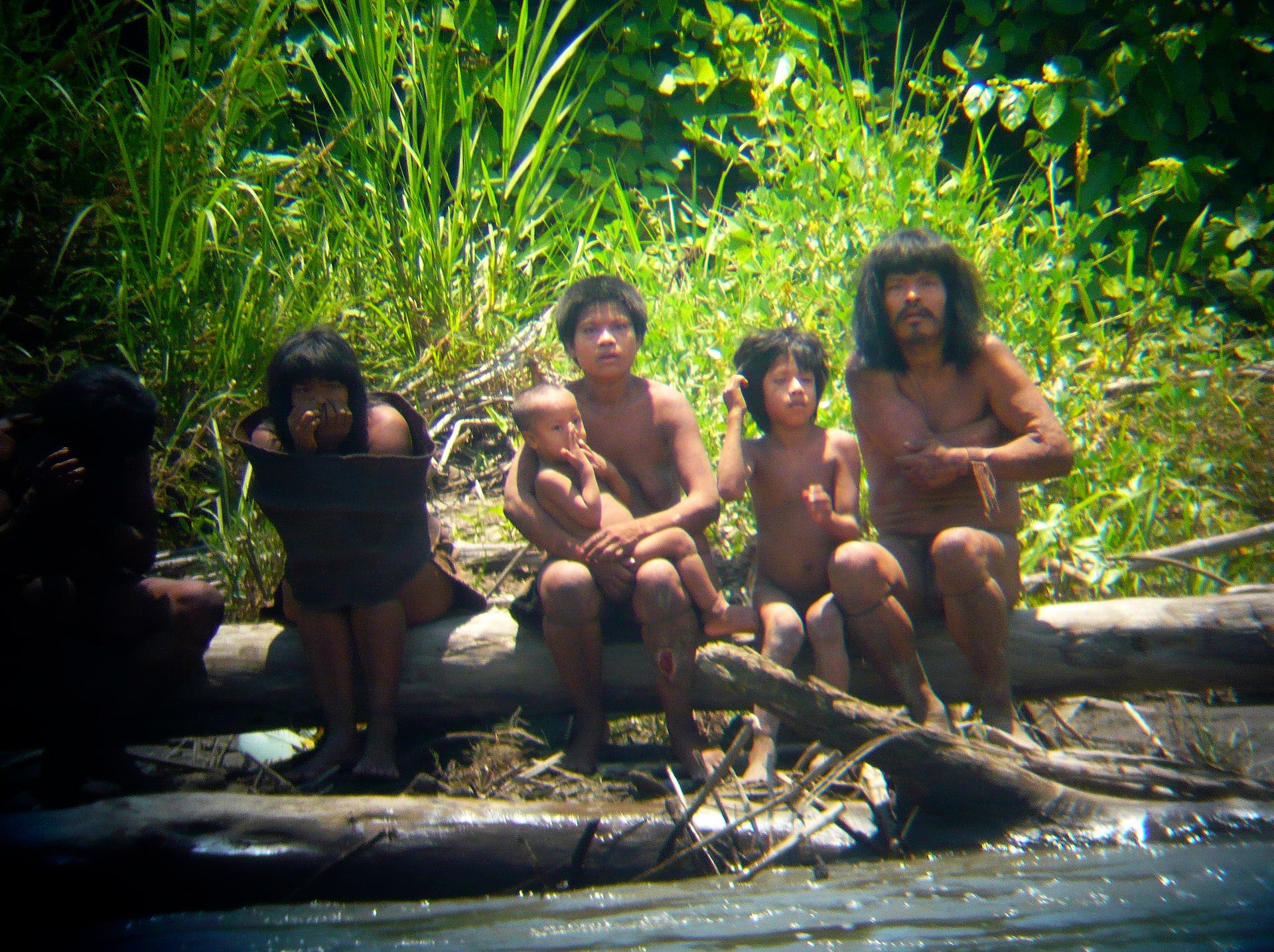
In today’s rapidly evolving world, the existence of uncontacted tribes remains a remarkable testament to human resilience and cultural preservation. Nestled deep within the Amazon rainforest, these isolated tribes have intentionally chosen to remain undisturbed by the advancements of modern civilization, preserving their ancient customs and languages. This conscious decision highlights the delicate balance between indigenous rights and the ethical issues surrounding outside contact. Organizations like Survival International advocate fiercely for these vulnerable populations, emphasizing their right to live free from interference, which is crucial for their survival against diseases that outsiders might unintentionally introduce. As we explore the lives of these Amazon tribes, understanding their choice of isolation becomes paramount to recognizing the importance of protecting their way of life and their right to exist without external pressures.
Often referred to as isolated or uncontacted communities, these groups embody a way of life that has persisted for centuries, shielded from the influences of globalization. Describing these indigenous populations leads us to reflect on the nuanced cultural landscapes they inhabit, which starkly contrast with our modern society. Their decision to disengage from outside contact raises critical discussions regarding ethical dilemmas and the preservation of their identity amidst encroaching threats. With increasing deforestation and resource exploitation in their territories, the struggle to uphold their cultural heritage juxtaposes their fundamental rights to autonomy and safety. As we delve deeper into the complexities surrounding these indigenous tribes, the recognition and respect of their choices become vital in fostering understanding and advocacy.
Uncontacted tribes, primarily found in the dense layers of the Amazon rainforest, represent a significant aspect of humanity’s diversity. These isolated tribes have intentionally chosen to remain disconnected from the modern world, holding onto their traditional ways of life and cultural practices. Their existence challenges our understanding of civilization, emphasizing the importance of respecting their choices and recognizing their right to live in peace. Historically, encounters with outsiders have led to devastating consequences, leaving these communities wary of any form of contact. Their incredible connection to the vibrant ecosystems of the Amazon showcases not only their survival skills but also their intimate knowledge of biodiversity, which has been honed over countless generations.
The life of these tribes is intricately linked to the land they inhabit. Their survival hinges on ancestral knowledge concerning their environment, utilizing sustainable hunting, fishing, and foraging methods that maintain the ecological balance. In a world increasingly defined by technological advancement and rapid urbanization, the way of life of these uncontacted tribes serves as a poignant reminder of a more harmonious existence with nature. Understanding their customs and beliefs is not merely an academic exercise; it is crucial for advocating for their rights and ensuring cultural preservation amidst growing threats from logging and mining operations encroaching upon their territories.
With the advent of technology, such as drone footage, documenting the lives of isolated tribes has become increasingly feasible. However, this raises profound ethical issues surrounding privacy and consent. Capturing and sharing images of uncontacted tribes can easily morph into sensationalism, potentially jeopardizing the very populations it seeks to represent. Advocacy groups emphasize that these tribes do not exist for the entertainment or education of outsiders; rather, their dignity and autonomy should be prioritized. The controversy surrounding such documentation points to a larger discussion about the rights of indigenous peoples, especially in preserving their narratives against misconceptions and misappropriation.
Furthermore, while drone footage can indeed raise awareness about the plight of these tribes, it also risks glamorizing their vulnerability and commodifying their cultural identity. The potential influx of curiosity-seekers and exploiters can pose serious threats to their safety and sovereignty. Ethical discourse surrounding the portrayal of isolated tribes underscores the importance of balancing advocacy for awareness with respect for their autonomy. Promoting indigenous rights and cultural preservation should take precedence over the allure of visually documenting their life. In doing so, we uphold the integrity and dignity of these remarkable communities.
The choice of uncontacted tribes to remain isolated stems from a historical narrative filled with trauma and violence encountered at the hands of outsiders. These communities have faced not only the tragic loss of life due to introduced diseases but also violent confrontations with illegal loggers and settlers. Their inclination towards isolation is a protective mechanism, ensuring their survival and the preservation of their cultural heritage. It is a powerful statement in favor of indigenous rights, as they assert their autonomy by rejecting external influences that have historically led to detrimental outcomes.”},{
The ethical issues surrounding uncontacted tribes primarily involve their right to isolation and autonomy. Organizations like Survival International emphasize that contact with outsiders poses severe risks, including exposure to diseases and violent exploitation. Ethical concerns also arise from the portrayal of these tribes in media, such as drone footage, which, while informative, can inadvertently increase the risk of their exposure and potentially harm their cultures. Respecting indigenous rights and their decision to remain uncontacted is crucial in addressing these ethical dilemmas.
| Key Point | Details |
|---|---|
| Survival International Advocacy | They advocate for uncontacted tribes’ rights and protection against diseases and exploitation. |
| Drone Footage | Shows traditional lifestyles but raises ethical concerns about privacy and consent. |
| Reasons for Isolation | Tribes choose isolation due to past violence and diseases from outsiders. |
| Current Threats | Illegal activities threaten their land and introduce risks of disease and conflict. |
| Ethical Concerns | Drone images spark debate about the safety and autonomy of uncontacted tribes. |
Uncontacted tribes are remarkable examples of human resilience and the diversity of cultural practices that still thrive in isolated regions like the Amazon. Despite the pervasive reach of modern technology, these tribes have chosen to remain untouched by the outside world, preserving their unique heritage and way of life. Organizations like Survival International underscore the importance of protecting these tribes, advocating for their right to live without external interference while highlighting the risks posed by illegal activities trespassing on their lands. This delicate balance between awareness and respect for their autonomy is essential for safeguarding their future.