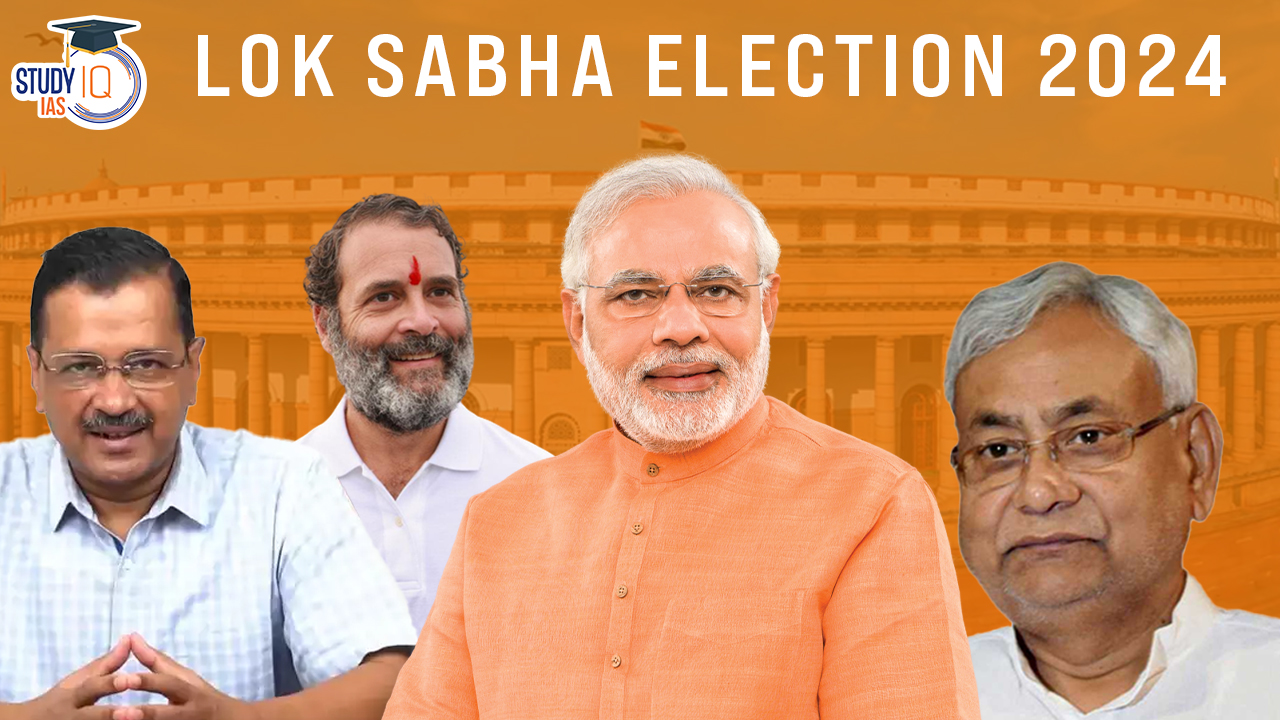
The opposition motion in Lok Sabha serves as a vital tool for political dissent and accountability within India’s parliamentary framework. As political motions in India unfold, they provide a platform for opposition parties to challenge government actions and policies, reflecting the backbone of democratic processes. With each new Lok Sabha update, the strategies employed by the opposition can shape the legislative agenda and sway public opinion. An understanding of parliamentary procedures, such as the refiling of motions, reveals the intricate dynamics of Indian politics. In a nation where political movements are constantly evolving, the opposition’s role remains crucial in fostering a transparent dialogue between governance and the public.
In the realm of legislative discourse, the role of challenges posed by rival political factions becomes increasingly significant. These motions, introduced in the Lok Sabha, echo the sentiments and concerns of the electorate, making them essential for the functioning of India’s democracy. Through the examination of these political maneuvers, we can gain insight into the opposition’s tactics and their effectiveness in the face of governmental policies. This examination of motions underscores the importance of active participation in parliamentary debates and the mechanisms that allow for such engagement. As the landscape of Indian political news evolves, understanding these dynamics allows citizens to stay informed and engaged.
Understanding the Opposition Motion in Lok Sabha
The opposition motion in Lok Sabha serves as a crucial tool for political parties aiming to question the government’s actions or policy decisions. When an opposition party files a motion, it is not just a procedural formality; it is a systematic attempt to hold the ruling party accountable. Should the Speaker of the Lok Sabha decide to admit the motion, it can set the stage for robust discussions and debates on various issues facing the nation. This process highlights the essence of democratic practices within Indian parliamentary procedure, as it allows for diverse voices and perspectives to be heard.
Additionally, the nature of the motion itself can indicate the strategies employed by the opposition. It may revolve around pressing issues like governance failures, economic distress, or social justice. By refiling motions, opposition parties not only keep the issues alive in public discourse but also aim to rally support from the public and media, leading to broader discussions in Lok Sabha updates and beyond. The intricate dance of legislative procedure exemplifies the dynamic nature of Indian political news, where the opposition is constantly seeking opportunities to challenge the government and advocate for reform.
The Significance of Refiling Motions
Refiling motions in the Lok Sabha is a strategic maneuver that enables opposition parties to maintain pressure on the government. Each time a motion is refiled, it reopens the conversation about the specific issue, ensuring that it does not fade from the public agenda. This continual spotlight can invoke responses from both the government and the electorate, aligning with the broader opposition strategies aimed at influencing public opinion and steering political narratives. Beyond its immediate impact on the Lok Sabha, this tactic resonates within the framework of political motions in India.
Moreover, the ability to refile motions underscores the importance of parliamentary procedure in fostering democratic engagement. Each refiling creates an opportunity for debate, discussion, and dialogue within the Lok Sabha, highlighting the opposition’s role in upholding democratic values. As opposition parties refine their tactics and strategies, these motions serve as reminders of the vital checks and balances inherent in the political system. In this way, the motions become more than mere legislative tools; they represent the ongoing struggle for accountability and transparency in governance.
Navigating Political Dynamics in the Lok Sabha
The landscape of Indian politics is ever-changing, particularly within the confines of the Lok Sabha. The opposition must adeptly navigate these dynamics to effectively advocate for their positions and challenge the ruling government’s policies. This includes understanding the strengths and weaknesses of the current legislative environment and leveraging moments of political vulnerability. The strategic timing of filing or refiling motions is critical, as it can align with pressing national concerns or discontent among the populace, ensuring that the opposition’s voice resonates within both the Lok Sabha and the general public.
Furthermore, the interaction between the ruling party and the opposition often creates a charged atmosphere in parliamentary sessions. While the government may have a majority, the opposition plays a vital role in raising crucial debates and highlighting citizen concerns. This interplay exemplifies the essential nature of democratic processes where political motions in India reflect broader societal issues. As we see ongoing developments in Lok Sabha updates, it becomes evident that the opposition’s role is instrumental in shaping public discourse and driving governance accountability.
Impacts of Parliamentary Procedure on Opposition Strategies
Parliamentary procedure dictates how politics is conducted in the Lok Sabha, and understanding these rules is paramount for any party in the opposition. These procedures define not only when motions can be introduced or contested but also set limits on how much time can be allotted for debate. For opposition parties, mastering these rules enhances their ability to strategize effectively, ensuring that they can seize every opportunity to challenge the government, as well as engage the public through Indian political news and commentary.
Moreover, the interplay of parliamentary procedure with opposition strategies reveals the sophistication of political maneuvering in India. As opposition parties assess the likelihood of a motion passing or generating significant debate, they must formulate their approaches to advocate compellingly. This continuous negotiation within the legislative body exemplifies the need for robust strategic planning, further emphasizing the importance of the opposition motion in Lok Sabha as a channel for expressing dissent and promoting a vibrant democratic dialogue.
The Role of Media in Shaping Opposition Tactics
Media plays a pivotal role in shaping the dynamics of the opposition in the Lok Sabha. Coverage of opposition motions and debates significantly informs public perception of political issues, often dictating the narratives that emerge from parliamentary proceedings. When opposition parties refocus their strategies to align with current media trends, they can amplify their messages effectively, garnering wider support among constituents and other stakeholder groups. As such, understanding media strategies is crucial for opposition parties as they navigate their roles within the legislature.
Additionally, the interplay between political motions and media coverage plays a vital role in influencing the legislative agenda. As issues gain traction in the media, opposition parties can leverage this attention by refiling motions that resonate with the public sentiment, ensuring their concerns are highlighted within Lok Sabha updates. This symbiotic relationship between media and political parties underscores the modern complexities of governance and public engagement, where every motion can have far-reaching implications beyond the walls of the Lok Sabha.
Strengthening Democratic Values through Opposition
The significance of a vigorous opposition within the Lok Sabha cannot be overstated. It acts as a counterbalance to the ruling government, ensuring that diverse viewpoints are represented and considered in policy-making. The ability of the opposition to file motions, question government policy, and engage in constructive debate exemplifies the robustness of India’s democratic framework. This active participation is crucial in addressing issues faced by citizens, reinforcing the idea that democracy thrives on healthy discourse.
Furthermore, the actions of the opposition play an essential role in shaping governmental accountability. By strategically utilizing parliamentary procedures, the opposition can bring sensitive topics to the forefront, pressing the government to provide answers and justify its actions. This pursuit of transparency and accountability is a testament to the foundational democratic values that underpin the political motions in India, highlighting the vital function of the opposition in safeguarding citizens’ rights and interests.
Looking Ahead: Future Possibilities for Opposition Movements
As the political climate in India evolves, the future of the opposition in the Lok Sabha may present both challenges and opportunities. With changing demographics and public expectations, opposition parties must adapt their strategies to resonate with a diverse electorate. Refocusing their efforts on grassroots movements and leveraging technology can empower them to articulate their messages more effectively and to connect with constituents on a personal level. In an age where public sentiment can shift rapidly, the need for innovative approaches in crafting opposition motions becomes all the more critical.
Additionally, the future of opposition strategies will be influenced by the ongoing developments within political party structures and coalitions. As alliances shift and new political landscapes emerge, the ability to collaborate effectively across party lines may prove essential for driving significant parliamentary motions. This sentiment reflects the ongoing journey toward refining democratic processes in India, ensuring that opposition remains a vigorous and impactful force within the Lok Sabha and beyond.
Emphasizing Public Engagement in Opposition Politics
Public engagement is a fundamental component of effective opposition politics in the Lok Sabha. Understanding the concerns and aspirations of constituents allows opposition parties to frame their motions in ways that resonate with the electorate. As political issues evolve, opposition parties must actively solicit feedback and adapt their strategies accordingly. By emphasizing the human aspect of political motions, they can build trust and credibility among voters, essential for fostering long-term support.
Furthermore, social media and public platforms provide unprecedented avenues for interaction between opposition parties and citizens. Utilizing these channels to amplify their positions on key issues enables them to engage with younger demographics who are increasingly discerning about political narratives. In this interconnected world, where information spreads rapidly, opposition movements must capitalize on public sentiment reflected in Lok Sabha updates to drive home their messages and hold the government accountable.
Challenges Facing the Opposition in the Current Climate
The opposition in the Lok Sabha faces numerous challenges in the current political climate, particularly in the context of a strong ruling party. With a majority government, the opposition often finds it difficult to assert influence over legislative agendas and policy discussions. The dynamics of power can marginalize dissenting voices, making it imperative for opposition leaders to devise creative strategies to ensure their concerns do not go unheard during parliamentary sessions.
Additionally, the potential for dissent within opposition ranks can hinder their effectiveness. Unity among opposition parties is vital for presenting a coherent front against government initiatives, and internal disagreements may dilute their collective impact. Addressing these challenges requires strong leadership and a commitment to collaboration among various political entities, fostering resilience even in an environment that may seem increasingly daunting.
Frequently Asked Questions
What are the key strategies the opposition uses in Lok Sabha to push for a motion?
The opposition employs various strategies in the Lok Sabha to successfully push for a motion, including building consensus among parties, conducting awareness campaigns, and leveraging parliamentary procedure to highlight issues. They also utilize Lok Sabha updates to inform the public of their stance and concerns, aiming to rally support and pressure the government for legislative changes.
| Key Point | Explanation |
|---|---|
| Refiling Motion | The opposition can choose to refile their motion in the Lok Sabha if it is not successfully passed. |
| Speaker’s Role | The decision to admit the refiled motion lies with the Speaker, who has the authority to approve motions. |
| Independent Origination | Motions can originate in either the Lok Sabha or the Rajya Sabha, providing flexibility in legislative processes. |
Summary
The opposition motion in Lok Sabha represents a vital mechanism for the opposition parties to express their dissent and challenge the government’s actions. Following the current political scenario, should the opposition choose to refile the motion, it is imperative that they navigate the procedural landscape adeptly. The Speaker’s role is crucial here as they determine whether to admit the motion, allowing for the debate to proceed. The ability of motions to originate in either House underscores the importance of parliamentary processes in maintaining a balanced dialogue between the government and opposition. Ultimately, the effectiveness of an opposition motion in Lok Sabha relies not just on strategic refiling but also on the responsive dynamics of legislative authority.