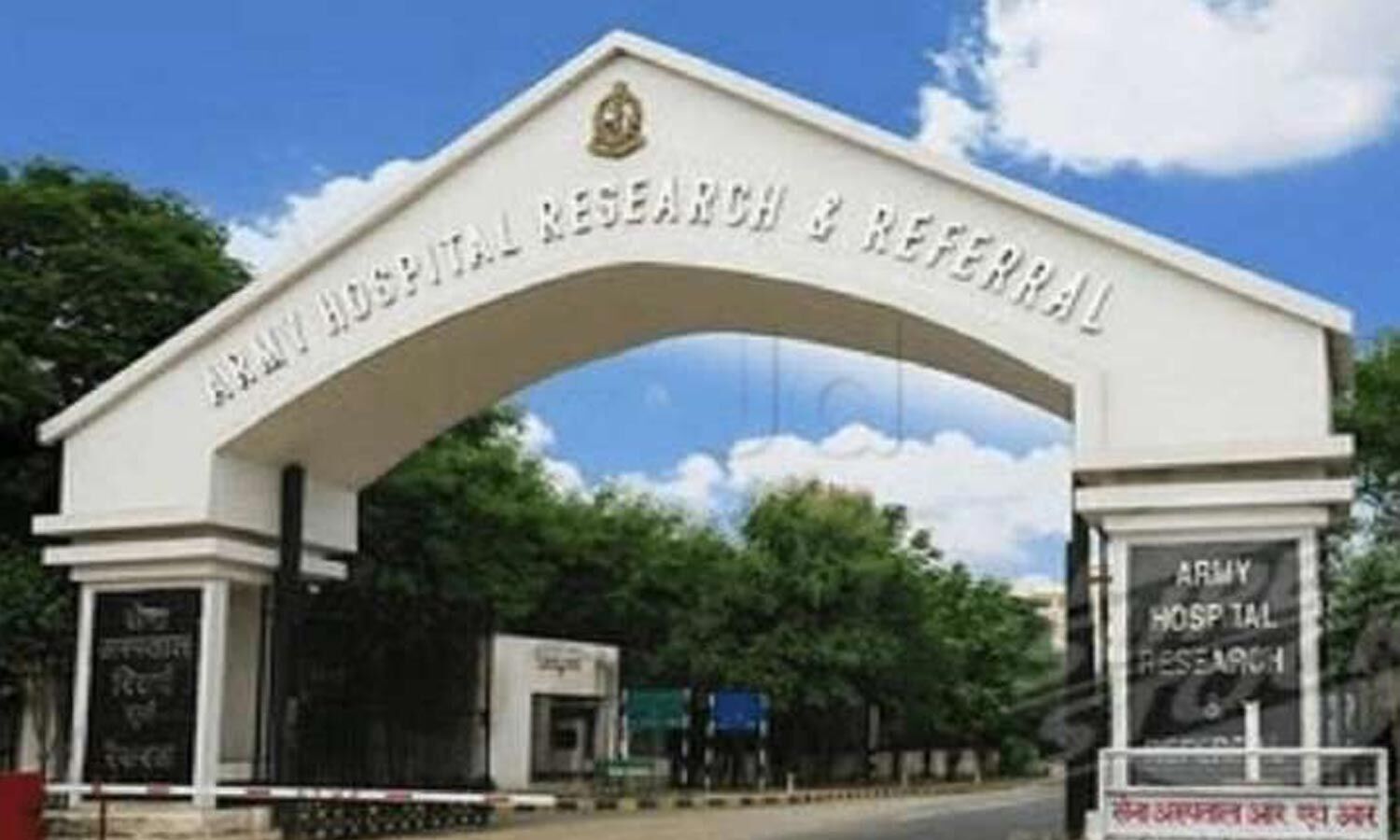
The Army Hospital infrastructure plays a crucial role in the healthcare landscape of India, particularly in serving the nation’s defense personnel. With the recent foundation stone ceremony led by Defence Minister Rajnath Singh for specialized centers such as ophthalmology, oncology, and joint replacement at the Army Hospital Research & Referral, the enhancement of medical facilities is clear. This strategic development marks an important step towards bolstering healthcare infrastructure in India and ensuring that military personnel receive top-notch medical attention. In addition to the Army Hospital in Delhi, other prominent medical centers in Delhi are also evolving to meet the growing demand for advanced care. With each initiative, the commitment to providing exceptional healthcare for our armed forces is reinforced, making Army Hospital infrastructure vital to our national health protocol.
In discussing the healthcare framework that supports the armed forces, the infrastructure of military medical facilities becomes pivotal. The advancements underway at institutions like the Army Hospital Research and Referral illustrate the commitment to enhancing treatment options and overall health services for soldiers and their families. Through initiatives like the recent unveiling of specialized treatment centers, including those for joint replacements and cancer care, the government is laying the groundwork for a more robust healthcare system. The Base Hospital in Delhi Cantonment is also set to see significant upgrades, which further emphasizes the importance of healthcare infrastructure within military contexts. As these establishments evolve, they not only serve military personnel but also contribute to the broader healthcare ecosystem in India.
Advancing Healthcare Infrastructure in Army Hospitals
The recent foundation stone laying ceremony by Defence Minister Rajnath Singh marks a significant advancement in the healthcare infrastructure of Army Hospitals in India. The introduction of specialized centers for ophthalmology, oncology, and joint replacement at the Army Hospital (Research & Referral) underscores the commitment to enhance medical services for military personnel and their families. These additions signal not just improvements in general patient care, but a focused effort on providing cutting-edge treatment options, ensuring that healthcare delivery is of the highest standard in the region.
With this new infrastructure, the Army Hospital (Research & Referral) is poised to become a leading medical center in Delhi. By expanding its capabilities to include these specialized branches of medicine, the hospital aims to address the increasing demand for specialized healthcare among service members, which aligns with the broader goals of improving healthcare infrastructure in India. The modern facilities will also facilitate advanced research opportunities, making the hospital a pivotal point in the integration of healthcare advancements tailored specifically for the Armed Forces.
The Role of the Rajnath Singh Initiative in Healthcare Development
The foundation stone laid by Defence Minister Rajnath Singh is not merely a ceremonial event; it represents a strategic initiative aimed at reinforcing the healthcare infrastructure in India’s military hospitals. By investing in specialized medical centers, the initiative reflects the government’s intent to prioritize health and wellness for those who serve in the armed forces. The focus on specialties such as ophthalmology and oncology demonstrates an understanding of the unique healthcare needs within the military community, promoting a holistic approach to military healthcare.
Moreover, this initiative resonates with broader governmental efforts to enhance medical facilities and services across India. As the Army Hospital (Research & Referral) grows into a premier healthcare institution, it can serve as a benchmark for other medical centers in Delhi and beyond, showcasing the transformative potential of targeted investment in healthcare infrastructure. The Rajnath Singh initiative emphasizes not only the necessity for adequate facilities but also the importance of fostering an environment conducive to medical innovation and excellence.
Enhancing Specialized Medical Services at Army Hospitals
The establishment of specialized centers within Army Hospitals signifies a deliberate thrust towards enhancing the quality and scope of medical services offered to personnel. Facilities geared towards joint replacements, alongside comprehensive oncology and ophthalmology care, demonstrate an understanding of the necessity for specialized treatments. This shift indicates a strategic vision towards enabling quicker recoveries and higher survival rates, aligning military healthcare more closely with civilian medical standards.
Incorporating these specialized services not only improves patient outcomes but also optimizes the hospital’s capability to manage complex medical cases. The Army Hospital (Research & Referral) will be better equipped to meet the diverse healthcare needs of soldiers, veterans, and their families. This comprehensive approach not only strengthens the hospital’s role as a key player in Delhi’s healthcare ecosystem but also underscores its importance in the broader context of national health initiatives.
The Significance of Infrastructure Development in Military Hospitals
Infrastructure development in Army Hospitals is crucial for meeting the healthcare demands of service members. The new facilities promised by the Rajnath Singh-led initiative at the Army Hospital (Research & Referral) will facilitate a higher standard of care. By investing in state-of-the-art facilities, the government acknowledges the critical role of advanced medical technology in managing the unique health challenges faced by military personnel.
The anticipated upgrades and expansions will directly impact service delivery, allowing for shorter wait times and improved access to specialized care. With the enhanced infrastructure, Army Medical Centers across Delhi and beyond can set higher benchmarks not only for military healthcare but for public health systems overall. The focus on quality facilities is expected to foster a more efficient healthcare system that can respond adeptly to both routine and emergency medical needs.
Future Prospects of the Army Hospital (Research & Referral)
As the foundation stones are laid, the future of the Army Hospital (Research & Referral) looks exceptionally promising. With the synchronous development of ophthalmology, oncology, and joint replacement centers, the hospital is set to become a hub of advanced treatment and care for the Indian Armed Forces. These new services aim to revolutionize how healthcare is delivered within military settings, potentially improving the quality of life for countless personnel.
This evolution also brings opportunities for collaboration with other key medical centers in Delhi, fostering an environment of knowledge sharing and integrated care solutions. As Army Hospitals continue to evolve and enhance their capabilities, it is essential to anticipate the growing trends in healthcare and adapt accordingly, ensuring that military personnel receive the best possible care now and in the future.
Collaborative Healthcare Initiatives in Delhi
In light of the recent developments at the Army Hospital (Research & Referral), there is an opportunity for increased collaboration among various medical centers in Delhi. Such partnerships can significantly enhance healthcare infrastructure, paving the way for shared resources, joint research initiatives, and comprehensive care solutions. Collaborating with civilian hospitals could lead to innovative practices being integrated within military healthcare systems.
Moreover, a collaborative approach can foster community engagement and encourage knowledge exchange, which is vital in addressing the complex health issues confronting service members. Enhanced partnerships not only improve operational efficiencies but also ensure a more cohesive healthcare system that benefits not just military personnel, but civilian populations in proximity to these facilities.
Streamlining Emergency Care at Army Hospitals
The advancements in infrastructure at the Army Hospital (Research & Referral), particularly in emergency care settings, will facilitate a more responsive healthcare environment for military personnel. With the establishment of specialized centers, emergency medical services can be significantly improved, providing quicker diagnoses and treatment options. This is critical not only for routine emergencies but also in times of heightened operational activity.
Additionally, by carefully planning the layout of these new centers, the Army Hospital can streamline patient flow, ensuring efficiency in care delivery. Enhanced emergency services will ultimately lead to better health outcomes and a more effective response to acute medical emergencies, reaffirming the commitment of the Indian Army to the welfare of its personnel.
Advancing Research and Education in Army Medical Facilities
The introduction of specialized centers at the Army Hospital (Research & Referral) is not only about direct patient care but also emphasizes the importance of research and education in military medicine. As these centers develop, so too will opportunities for medical education and training programs geared towards army personnel. This focus on knowledge creation is paramount for fostering innovation and staying at the forefront of medical advancements.
Moreover, advancing research capabilities within these centers can contribute significantly to the broader medical field in India. Collaborations between Army Medical Corps and academic institutions could lead to breakthroughs in treatments and care models that benefit both military and civilian health sectors, positioning the Army Hospital as a leader in medical research throughout the nation.
The Importance of Patient-Centered Care Models
In the evolving landscape of healthcare, patient-centered care is becoming fundamental, especially in military hospitals like the Army Hospital (Research & Referral). This model emphasizes tailoring medical services to meet the unique needs of service members and their families, ensuring that their preferences and experiences are at the forefront of healthcare delivery. The establishment of specialized centers directly aligns with this model, offering tailored services that improve overall patient satisfaction.
By prioritizing patient-centric approaches, the Army Hospital can enhance the overall well-being of its patients, cultivating trust and loyalty within the military community. This commitment to personalized care not only contributes to better health outcomes but also fosters a supportive environment where patients feel valued and understood, critical in addressing the psychological impacts of medical treatment.
Frequently Asked Questions
What new healthcare infrastructure is being developed at Army Hospital Delhi?
The recent initiatives at Army Hospital Delhi include the laying of foundation stones for specialized centers by Defence Minister Rajnath Singh. These centers focus on ophthalmology, oncology, and joint replacement, representing a significant enhancement in the healthcare infrastructure of India. These developments aim to improve medical services available at the Army Hospital (Research & Referral), thereby ensuring comprehensive care for patients.
| Key Points |
|---|
| Defence Minister Rajnath Singh laid foundation stones for new centers at the Army Hospital (Research & Referral) |
| New centers include ophthalmology, oncology, and joint replacement centers |
| Additional infrastructure developments at Base Hospital, Delhi Cantonment |
Summary
Army Hospital infrastructure is undergoing a significant transformation, marked by the recent foundation stone laying ceremony by Defence Minister Rajnath Singh. The introduction of dedicated centers for ophthalmology, oncology, and joint replacement at the Army Hospital (Research & Referral) will enhance the hospital’s capabilities to meet the diverse medical needs of its personnel and veterans. In addition, infrastructural upgrades at the Base Hospital in Delhi Cantonment are set to improve overall healthcare delivery. These developments highlight a strong commitment to providing top-tier medical services, ensuring that our armed forces have the necessary resources for their health and well-being.