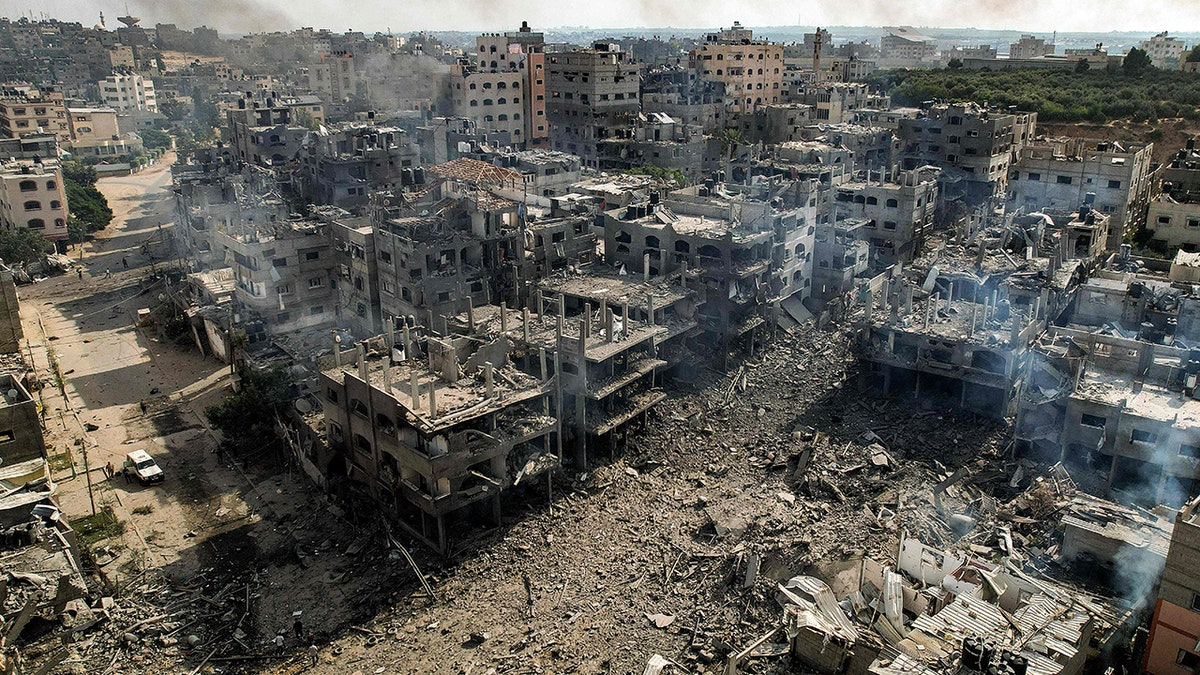
In recent developments, IDF airstrikes have intensified, marking a significant escalation in Israel’s military operations against Iran. The Israel Defense Forces have released compelling footage revealing fighter jets launching targeted strikes on strategic airports and airfields in Tehran. This operation, flagged as a “large-scale overnight airstrike,” aims to dismantle Iran’s air defense capabilities, thus enhancing regional security. Amidst these military maneuvers, Prime Minister Netanyahu has issued stern warnings to Israel’s adversaries, emphasizing the nation’s resolve to protect its sovereignty. As tensions rise, the implications of these airstrikes resonate across the Middle East, sparking debates on Iran air defense systems and the potential for further conflict.
Recent military engagement by the Israel Defense Forces highlights the ongoing confrontations in the region, particularly regarding Tehran’s capabilities. The robust airstrikes reflect a calculated approach to counter threats perceived from Iran, amid a backdrop of escalating rhetoric and defense preparations. Prime Minister Netanyahu’s firm stance against adversaries underscores the urgent need for proactive security measures. These developments in Israeli military strategy, especially relating to Iran’s air defense mechanisms, are drawing significant attention, especially within the context of regional stability and geopolitical dynamics. As the situation evolves, analysts are closely monitoring the implications for international relations and broader security concerns in the Middle East.
IDF Airstrikes Targeting Iranian Airfields
In a bold display of military might, the Israel Defense Forces (IDF) conducted extensive aerial operations targeting critical infrastructure in Tehran. This large-scale overnight airstrike aimed at incapacitating Iran’s air assets and disrupting any potential threats posed to Israel. By focusing on strategic airports and airfields, the IDF sought to diminish Iran’s capacity for conducting retaliatory strikes in the region. Such operations underline Israel’s commitment to ensuring national security amid rising tensions with its neighboring adversaries.
The IDF airstrikes also reflect Israel’s proactive stance in the face of evolving threats from Tehran. Iranian air defense systems have been a point of concern for Israeli intelligence, as these advancements could potentially endanger airspace safety and security. Netanyahu’s government remains vigilant, asserting that continued military operations are necessary to neutralize threats before they materialize. This approach underscores Israel’s strategy of preemptive actions to maintain regional stability and safeguard its citizens.
The Implications of Netanyahu’s Warnings
As the situation escalates, Prime Minister Netanyahu’s warnings about Iran’s ambitions resonate louder on the international stage. He has emphasized that Israel would not stand idle while adversaries bolster their military capacities, particularly in the context of air forces capable of carrying out strikes against Israel. Such declarations serve to rally international support and shine a spotlight on the potential dangers of a nuclear-capable Iran. Netanyahu’s government portrays these military responses as a protective measure, aligning with the broader narrative of defending Israel against existential threats.
The implications of Netanyahu’s assertive posture extend beyond military engagements; they involve complex diplomatic dynamics with nations that possess vested interests in the region. The international community watches closely as Israel executes its military operations, weighing their responses and assessing the evolving landscape of Middle Eastern geopolitics. Each airstrike not only impacts immediate military objectives but also influences diplomatic ties, making Netanyahu’s warnings a crucial element in ongoing discussions surrounding security and sovereignty in the region.
Understanding Iran’s Air Defense Capabilities
Iran’s advancements in air defense technology have become a focal point of concern for many nations, particularly Israel. With the intent of bolstering its military readiness, Tehran has invested heavily in enhancing its air defense systems, framing these developments as essential for national sovereignty. This escalation in capabilities poses a significant challenge to Israeli military operations, prompting the IDF to continually adapt and refine its strategies to ensure successful engagement against Iranian targets. The complexity of the Iranian air defense landscape necessitates a sophisticated approach by the IDF, recognizing the necessity of overcoming advanced systems to maintain air superiority.
Furthermore, as Iran develops and integrates more sophisticated air defense measures, intelligence and surveillance become crucial components of military planning. Not only do these advancements threaten the success of Israeli airstrikes, but they also influence the broader strategic calculus within the region. Netanyahu’s warnings about Iran’s rising capabilities underscore the urgency for Israel to stay ahead, emphasizing that military readiness extends beyond mere air assault—it encompasses comprehensive intelligence operations, countermeasures, and strategic alliances.
The Regional Repercussions of IDF Military Operations
The decision to conduct IDF military operations against Iranian airfields carries significant implications for regional stability. Airstrikes, while aimed at neutralizing immediate threats, can inadvertently escalate tensions, provoking retaliatory measures from Iran and its allies. This cycle of military engagement perpetuates an atmosphere of conflict, complicating efforts for peaceful resolutions. As the IDF continues such operations, the potential for regional escalation remains palpable, raising concerns among neighboring nations about the broader security situation in the Middle East.
Moreover, these military operations can also influence geopolitical alliances, as countries weigh their responses to the increasing hostilities between Israel and Iran. The reactions from Tehran and its allies could lead to recalibrated alliances, which might either bolster or undermine existing power structures within the region. As IDF airstrikes become more frequent and pronounced, the delicate balance of power shifts, requiring constant negotiations and considerations by international mediators and local actors alike.
The Global Impact of Tehran Airstrikes
IDF airstrikes on Tehran not only hold regional significance but also resonate on a global scale, drawing commentary and critique from international leaders and organizations. As the world grapples with issues related to sovereignty and military intervention, Israel’s actions are scrutinized for their adherence to international laws and norms. Such airstrikes can contribute to heightened global tensions, prompting discussions within the UN and other platforms regarding the legitimacy of preemptive strikes and the overall war on terror.
These developments in military strategy and operations reflect a complex interplay of local conflicts and broader geopolitical dynamics, as observers contemplate the ramifications of Israel’s defense initiatives. The response of global powers to the IDF’s military operations in Tehran could shape future diplomatic engagements and international collaborations, influencing policies related to defense and security. As nations react to events unfolding in the Middle East, the situation remains a point of contention, balancing national interests against the principles of international diplomacy.
Frequently Asked Questions
What are the latest updates on IDF airstrikes targeting Iran’s military assets?
The IDF recently conducted significant airstrikes aimed at airports and airfields in Tehran, calling it a “large-scale overnight airstrike”. These operations focus on neutralizing Iran’s air capabilities as part of broader military strategies. Keeping up with Israel airstrike news can provide insights into ongoing conflicts involving IDF military operations.
| Key Points |
|---|
| IDF released footage of fighter jets taking off for strikes on Iranian airports and airfields. |
| The operation is described as a ‘large-scale overnight airstrike’ targeting Iran’s air assets. |
| Israeli Prime Minister Netanyahu has issued warnings to Israel’s adversaries regarding these strikes. |
Summary
IDF airstrikes have become a significant focal point in the ongoing tensions involving Israel and Iran. Recently, the Israel Defense Forces disclosed footage showing their fighter jets taking off for missions aimed at Iran’s air infrastructure, marking a strategic effort to undermine Iranian military capabilities. This large-scale overnight operation highlights Israel’s persistent stance against perceived threats from its adversaries, particularly in the region. Prime Minister Netanyahu’s firm warnings further underscore the seriousness with which Israel approaches these military actions. As the geopolitical landscape evolves, the implications of such airstrikes on international relations and regional stability remain a critical area of observation.