

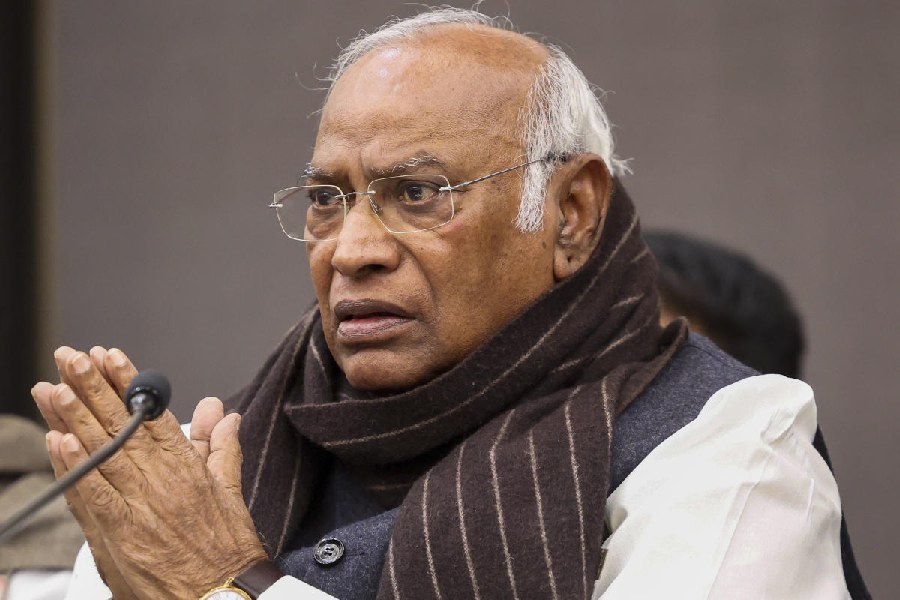
In a significant political development, Congress President Mallikarjun Kharge issued an apology regarding his controversial remarks directed at the people of Gujarat. Amidst rising tensions, Kharge’s statement has sparked a political controversy that demands scrutiny, especially following the BJP’s response, which emphasized the need for accountability. Kharge clarified that his comments were legitimately misinterpreted and emphasized his commitment to fostering mutual respect among different communities. This incident has heightened political discourse ahead of upcoming elections, with heightened sensitivity towards regional sentiments. As the Congress party navigates this storm, the implications of Kharge’s apology resonate strongly within the political landscape, particularly among voters in Gujarat and adjoining states.
Addressing recent remarks that ignited a firestorm of political discussion, Congress leader Mallikarjun Kharge has found himself at the center of heated debate after offering his regret for comments perceived as offensive to the citizens of Gujarat. The backlash has prompted calls for accountability from rival parties, notably the BJP, underscoring the broader implications of his remarks on the political arena. Kharge, acknowledging the backlash, defended his words, asserting that they were taken out of context and were never meant to disparage any community. This episode illustrates the often fragile nature of political rhetoric and the rapid escalation into controversy that can arise from seemingly innocuous statements. As the situation develops, it is crucial to explore the dimensions of this incident and its impact on public perception and party dynamics.
Mallikarjun Kharge Apology: Addressing the Gujarat Remarks
In a recent political controversy, Congress President Mallikarjun Kharge issued a public apology regarding his remarks about the people of Gujarat. During a press conference, Kharge explained that his comments were ‘deliberately misinterpreted’ and clarified that he never intended to offend anyone. This statement came in the wake of backlash from various quarters, particularly from the Bharatiya Janata Party (BJP), which demanded an apology not just from Kharge, but also on behalf of Congress to the people of Gujarat as well as other states such as Bihar and Uttar Pradesh.
Kharge’s apology highlights the sensitive nature of political discourse in India, where remarks can quickly escalate into significant controversies. The BJP’s response to his statements further emphasizes the partisan tensions that exist, as political leaders often seize upon such opportunities to rally support and critique opponents. The entire episode serves as a reminder of how crucial it is for politicians to choose their words carefully in a media landscape that thrives on rapid interpretation and commentary.
The Political Impact of Kharge’s Statement in Gujarat
The impact of Mallikarjun Kharge’s remarks on Gujarat has broader implications for the Congress party, especially amidst the looming elections. The BJP has been quick to capitalize on this controversy, presenting it as an example of how the opposition lacks respect for the regional sentiments of voters. The Congress party must navigate the backlash carefully, as it could affect their electoral prospects not only in Gujarat but across other states where the BJP maintains a strong presence. Political analysts have noted that such missteps can significantly influence public perception and party popularity.
Moreover, Kharge’s statement sheds light on the dynamics of party politics in India. As the Congress seeks to regain its footing in a landscape dominated by the BJP, every comment from its leaders can ignite fierce debate. The need for strategic communication has never been more critical, as parties are scrutinized for their words and intentions. The public response to Kharge’s apology will likely shape the narrative moving forward, illustrating the ongoing struggle between competing political ideologies and the importance of effective leadership in addressing concerns amidst rising tensions.
Analyzing the BJP Response to Kharge’s Remarks
The BJP’s reaction to Mallikarjun Kharge’s comments serves as a case study in political strategy, demonstrating their commitment to highlighting perceived offenses against constituents. By demanding an apology not only from Kharge but also from the Congress party collectively, the BJP aims to galvanize voter sentiment against its rivals. This tactic reinforces their narrative of being the protectors of regional pride while strategically framing Congress as out of touch with the sentiments of ordinary citizens in Gujarat and beyond.
Analyzing the broader implications, the BJP’s response is indicative of a larger strategy to leverage any misstep by the opposition to fortify its position ahead of elections. In a country where political rhetoric is intensely scrutinized, the ability to quickly respond to criticisms and capitalize on them can decisively sway public opinion. As this incident exemplifies, the battle of narratives is an enduring aspect of Indian politics, necessitating that parties remain vigilant in their messaging.
The Broader Context of Political Controversies in India
Political controversies such as the one involving Mallikarjun Kharge are not uncommon in India’s vibrant democratic landscape. These incidents often reflect the deeply entrenched political divides that characterize the nation. In this case, Kharge’s remarks ignited a debate not merely about his comments but also about the broader implications for regional pride and the ongoing rivalry between the Congress and BJP. With elections often hinging on specific narratives that appeal to local sentiments, this instance encapsulates how deeply personal and regional issues can escalate into national conversations.
Furthermore, similar controversies have previously altered the course of political campaigns and party reputations. Political leaders, aware of the volatility of public opinion, must navigate these controversies with caution and tact. As history shows, the capacity of any political party to weather such storms often influences their long-term electoral success. The Congress party now faces the challenge of mitigating damage while reinforcing its commitment to addressing the concerns of all regions, including Gujarat, as it aims to cultivate a more nuanced political dialogue.
Navigating Political Discourse: Lessons from Kharge’s Accident
Mallikarjun Kharge’s apology also raises important questions about the nature of political discourse in India’s intricate socio-political fabric. The incident underscores the necessity for politicians to engage in dialogue that is both respectful and inclusive of diverse opinions and sentiments. The speed at which comments can spiral into controversy in today’s digital world creates a daunting environment for public figures. This scenario highlights the need for a refined approach to communication that prioritizes understanding over provocation, particularly in a country with numerous cultural and regional identities.
In hindsight, Kharge’s experience serves as a cautionary tale for other leaders. It stresses the importance of maintaining awareness of potential interpretations of their words and the varying sensitivities across different states. As the stakes in Indian politics rise, every statement carries weight, and the repercussions can be profound, impacting party dynamics and public trust. The lessons gleaned from this incident may prompt political leaders to adopt more prudent strategies in their public engagements moving forward.
The Role of Media in Shaping Political Controversies
The media plays an integral role in shaping political controversies, as highlighted by the recent remarks made by Mallikarjun Kharge. The swift dissemination of information and commentary can amplify tensions, creating a cycle where statements are dissected and debated in public forums. In the case of Kharge’s comments, media outlets quickly picked up on the backlash and the BJP’s subsequent demand for an apology, framing the narrative around his remarks in a particular light that influenced public perception and political discourse.
Moreover, the treatment of sensitive political remarks by the media can significantly mold voters’ opinions. In an age where social media platforms also serve as news sources, the impact of sensationalized reporting can be profound. Journalists and commentators often contribute to the escalation of controversies through their narratives, which can lead to the politicization of issues that might otherwise be resolved more amicably. Thus, understanding the media’s role in political controversies is essential for comprehending the wider context of events such as those surrounding Kharge’s apology.
Public Reaction to Kharge’s Apology: A Test for Congress
The public’s reaction to Mallikarjun Kharge’s apology will serve as a litmus test for the Congress party’s standing among voters. As political controversies can sway public opinion dramatically, how Kharge’s statement is received will be indicative of the party’s ability to connect with constituents and mitigate backlash. The immediate responses from key voter demographics, particularly in Gujarat, will likely inform Congress’s future strategies as it seeks to rebuild its image and support base.
Furthermore, understanding the sentiments of the electorate in the wake of Kharge’s remarks is crucial for Congress. If the party can effectively navigate this situation and resonate with public sentiment, it may reinforce its position in the political landscape. Conversely, failure to address constituents’ concerns adequately could result in a loss of credibility. As Congress monitors reactions in real-time, it faces the ongoing challenge of demonstrating accountability while remaining firmly engaged with the interests of the electorate.
Strategizing for Future Controversies: Congress’s Path Forward
In light of the controversy surrounding Mallikarjun Kharge, the Congress party must develop a strategic framework to prepare for potential political missteps in the future. This involves not only crafting clear and respectful messaging but also establishing rapid response protocols to address any backlash effectively. By cultivating a culture of proactive communication that includes awareness of regional sensitivities, the party can better navigate the complex landscape of Indian politics.
Additionally, building robust channels for feedback and dialogue with constituents will be integral to preventing the fallout from controversial statements. Engaging with grassroots organizations and utilizing social media for direct communication can help the party maintain a connection with voters. As Congress reevaluates its approach in the wake of Kharge’s apology, a focus on openness and responsiveness could help it manage future challenges while reinforcing its commitment to the electorate’s concerns.
Frequently Asked Questions
What was Mallikarjun Kharge’s apology related to his Gujarat remarks?
Congress President Mallikarjun Kharge apologized for his comments about Gujarat, clarifying that they were ‘deliberately misinterpreted’ and he never intended to offend anyone. The BJP responded by demanding an apology not only to Gujarat but also to the people of Bihar and Uttar Pradesh, highlighting the ongoing political controversy surrounding Kharge’s statement.
| Key Points | ||
|---|---|---|
| Mallikarjun Kharge apologized for his remarks directed at the people of Gujarat. | He claimed his comments were misinterpreted and not intended to offend anyone. | The BJP responded by demanding apologies on behalf of the people of Gujarat, Bihar, and Uttar Pradesh. |
Summary
Mallikarjun Kharge’s apology has sparked discussions about political accountability and public discourse in India. His acknowledgment of the misinterpretation of his comments reflects the sensitivity required in political communication, especially regarding regional sentiments. This situation highlights the importance of context and clarity in statements made by public figures, and the responsibility they carry in addressing the diverse populations they represent. The BJP’s call for further apologies underscores the heightened political tensions in the region. In summary, Kharge’s apology serves as a crucial reminder of the impact of words in politics and the necessity for leaders to be mindful of their statements to foster unity and understanding.



























