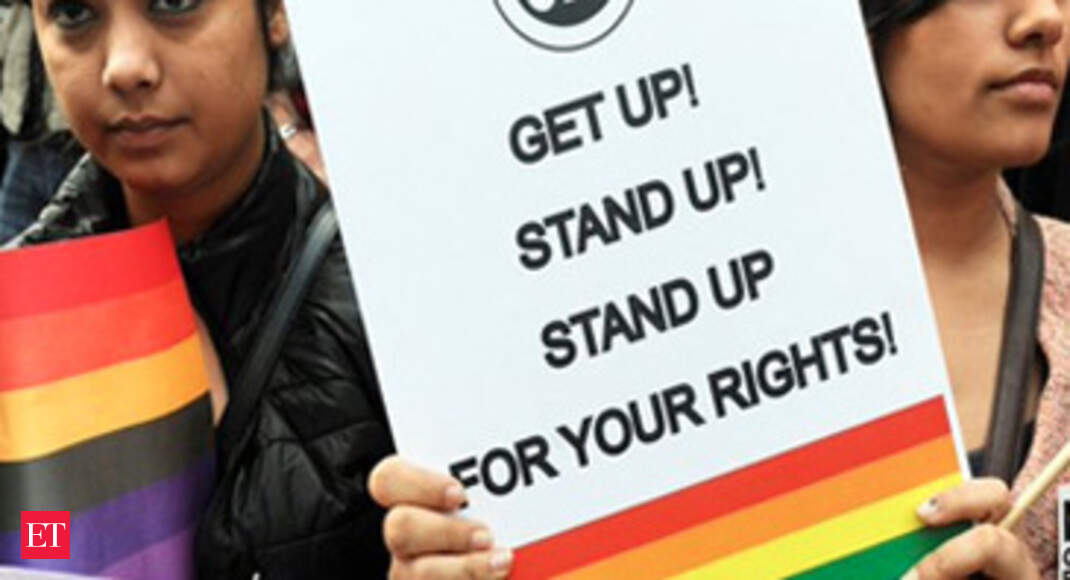
Supreme Court rulings play a pivotal role in shaping the legal landscape of a nation, often influencing public discourse around morality and law. Recently, the Centre challenged these rulings concerning adultery and same-sex relationships, highlighting the controversial Section 377 debate. This dialogue is particularly significant for LGBTQ+ rights in India, where the dichotomy between traditional values and progressive movements continues to evolve. The implications of these decisions extend beyond mere legalities, touching the core of individual liberties and societal acceptance. As the discussion unfolds, it remains crucial to analyze how these judicial interpretations will impact same-sex relationship laws and the rights of all citizens in a democratic society.
The latest judgments from the highest court highlight crucial discussions around judicial authority and societal values. In recent hearings, the government questioned the constitutionality of laws affecting consensual same-sex relationships, reigniting the Section 377 debate that has captivated attention. Advocates for LGBTQ+ rights are particularly concerned about how these rulings reflect the broader societal moral compass, which seems to be shifting towards acceptance. This tension between law and societal norms raises important questions about how same-sex relationships are viewed in the context of contemporary India. As legal experts dissect these issues, the future of personal freedoms and societal equality remains a contested terrain.
The Implications of the Supreme Court Rulings for LGBTQ+ Rights in India
The recent Supreme Court rulings have brought significant attention to the delicate balance between legality and morality in relation to LGBTQ+ rights in India. In the ongoing debate surrounding Section 377, critics argue that the criminalization of same-sex relationships infringes on individual liberties and constitutional rights. Legal experts emphasize that the Supreme Court’s interpretation may pave the way for greater acceptance and protection for LGBTQ+ individuals, challenging the traditional morals upheld by society. As debates intensify, it becomes essential to assess how these rulings reflect the broader implications for LGBTQ+ rights and the evolving understanding of love and relationships in modern India.
Moreover, the societal perceptions of morality are complex and often informed by personal beliefs, cultural contexts, and evolving norms. The Supreme Court’s decisions, especially concerning adultery and same-sex relationships, force a reevaluation of established laws that may no longer resonate with contemporary values. This clash highlights the transformative potential of judicial rulings in fostering a society that is more inclusive and respectful of diversity. The implications are profound, as they not only impact legal rights but also shape public perception and acceptance of LGBTQ+ individuals within the fabric of Indian culture.
Morality and Law: The Central Debate Surrounding Section 377
At the core of the discussions regarding Section 377 lies a fundamental debate about morality and law in a democratic society. The Centre’s representative argues that laws must reflect the will of the majority, suggesting a deep-seated belief that morality is derived from societal consensus. This argument poses a crucial question: should the legal framework uphold the prevalent moral standards even when they may conflict with individual rights? Legal scholars argue that such a view could undermine the very foundation of democracy, where minority rights are protected from the tyranny of the majority.
Indeed, understanding morality through the lens of law raises significant concerns, especially for marginalized groups such as the LGBTQ+ community. The Supreme Court’s handling of this issue could set a crucial precedent that defines how laws align with evolving societal values. As advocates call for a progressive reevaluation of Section 377, the emphasis is placed on constructing a legal environment that not only outlaws discrimination but also fosters acceptance. The intersection of morality and law demands that legislators and judiciary alike critically assess how laws can evolve to protect the rights of all individuals, irrespective of their sexual orientation.
The Role of Public Opinion in Influencing Supreme Court Decisions
Public opinion plays a pivotal role in shaping discussions surrounding significant legal rulings such as those issued by the Supreme Court regarding adultery and same-sex relationships. As the Centre’s argument suggests, the reflection of majority views in legal frameworks can complicate the fight for LGBTQ+ rights. Social media platforms have become battlegrounds for this discourse, highlighting the divisive nature of these issues. Proponents of LGBTQ+ rights argue for equality and justice, while opponents often invoke traditional moral viewpoints that influence societal perceptions of same-sex relationships.
This intersecting dialogue has the potential to create ripple effects that reach beyond public perception and directly impact Supreme Court decisions. Understanding how societal sentiments shift in response to legal judgments can provide insight into whether more progressive rulings, such as those possibly addressing Section 377, will gain broader acceptance. As these conversations unfold, it becomes essential for advocates to continue pushing for inclusivity while engaging the public in meaningful dialogue about the rights and dignity of LGBTQ+ individuals in India.
Historical Context of Adultery and Same-Sex Relationship Laws in India
To fully grasp the implications of the Supreme Court’s rulings on adultery and same-sex relationships, it is essential to examine the historical context of these laws within India. Adultery has long been viewed through a moral lens, largely influenced by traditional and patriarchal norms. The fact that adultery was criminalized reflects society’s struggle to navigate between cultural values and individual freedoms. However, with evolving views on personal relationships and agency, there is a growing demand for legal reform that aligns with contemporary societal values.
Similarly, the historical treatment of same-sex relationships under Section 377 is steeped in colonial influence, wherein legal systems were imposed that criminalized natural expressions of love and intimacy. Advocates for LGBTQ+ rights push for the recognition of same-sex relationships as an integral part of human diversity, urging the need to dismantle archaic laws that perpetuate stigma and discrimination. As the Supreme Court engages with these historical laws, there is potential for significant legal reform that not only challenges outdated moral standards but also reaffirms the rights of individuals to love freely without fear of persecution.
Future of LGBTQ+ Rights Post-Supreme Court Rulings in India
Looking ahead, the recent Supreme Court rulings could mark a transformative phase for LGBTQ+ rights in India. Legal experts assert that these decisions may lay the groundwork for a future where individuals are no longer marginalized based on their sexual orientation. As public discourse intensifies around the normalization and acceptance of same-sex relationships, there is hope that subsequent legal interpretations will further uphold individual liberties and human rights. If embraced properly, this could catalyze broader societal changes that encourage acceptance and equality within diverse communities.
However, the trajectory of LGBTQ+ rights will depend significantly on ongoing advocacy and public engagement. Activists emphasize the importance of continuing to educate the public about the realities faced by LGBTQ+ individuals and dismantling the misconceptions that often hinder acceptance. The path forward will require collaboration between legal experts, advocates, and society at large to ensure that the aspirations of equality and justice are not only enshrined in law but also lived experiences for all individuals in India.
Legal Battles and Their Impact on Societal Norms
The legal battles surrounding the Supreme Court’s rulings on adultery and Section 377 have sparked considerable discourse that ultimately impacts societal norms. Each court decision serves as a reflection of the evolving attitudes toward morality and legality in the context of human relationships. The ongoing scrutiny of these cases encourages a continuous reassessment of existing laws, urging society to confront outdated perceptions about love and partnership. As the Supreme Court navigates these complex issues, the reverberations of its rulings could lead to a more equitable legal landscape for all citizens.
Significantly, as these legal battles unfold, they foster public awareness and education about the rights of LGBTQ+ individuals, pushing against long-held prejudices. Those advocating for reforms are not merely seeking changes in laws but are also challenging ingrained societal norms that dictate acceptable expressions of love. The outcome of these legal proceedings will likely influence future generations, encouraging a shift towards a more tolerant and inclusive society where diversity is not just tolerated but celebrated.
Public Advocacy for LGBTQ+ Rights: Mobilizing Support
Public advocacy plays a critical role in mobilizing support for LGBTQ+ rights in the wake of the Supreme Court’s rulings. Activist groups are harnessing the power of social media to raise awareness and create platforms for discussion, leveraging public sentiment in favor of equality. By presenting personal narratives and highlighting the positive contributions of LGBTQ+ individuals to society, activists aim to humanize the issues at hand, effectively challenging the moral arguments put forth by critics. The mobilization of support highlights a significant shift in societal dynamics, as more individuals become vocal allies rather than passive observers.
Additionally, public advocacy not only involves protest and dissent but also encourages constructive dialogue with stakeholders, including policymakers and community leaders. Engaging in conversations about the impact of laws like Section 377 on real lives has proven essential in shifting the narrative from one of legal definitions to lived experiences. As public perception continues to evolve, ongoing advocacy remains vital in ensuring that any legislative changes reflect a commitment to uphold the dignity and rights of every individual, regardless of sexuality.
Lessons Learned from the Supreme Court’s Previous Rulings
The Supreme Court’s previous rulings have provided essential lessons about the complexities involved in navigating the issues of morality, legality, and individual rights. Each decision offers insight into how the judiciary interprets the law in the context of societal values and cultural shifts. As the court reviews contentious cases like those concerning adultery and Section 377, it is clear that prior rulings may lay groundwork for more progressive interpretations that better reflect the values of a diverse society. The lessons learned involve not only legal doctrines but also the need for a nuanced understanding of how laws affect marginalized communities.
Moreover, these previous rulings underscore the necessity for continuous dialogue among legal, social, and ethical realms as society grapples with evolving definitions of morality and legality. They exemplify that judicial decisions carry consequences that extend beyond the courtroom, influencing cultural narratives and public policy. As we reflect on these lessons, it becomes increasingly apparent that the Supreme Court’s actions must align with advancing human rights and dignity, offering hope for a future where equality becomes a cornerstone of Indian democracy.
The Intersection of Morality and Law in India: A Critical Analysis
The intersection of morality and law in India represents a critical point of analysis, particularly in the context of the Supreme Court’s rulings on issues such as adultery and same-sex relationships. As the Centre affirms the necessity of laws reflecting societal norms, debates ensue on what constitutes morality within a diverse population. This complexity is further amplified by India’s pluralistic society where multiple belief systems coexist, each with their own interpretations of what is deemed acceptable behavior. Judicial rulings must navigate these waters carefully to ensure they promote justice rather than reflect mere popular opinion.
Furthermore, this intersection poses a unique challenge for lawmakers tasked with creating legislation that upholds individual rights while being sensitive to moral concerns. As societal attitudes shift towards greater acceptance of same-sex relationships, it necessitates a reevaluation of existing laws that often perpetuate inequality. Critical analysis of this intersection reveals that the responsibility lies not only with the judiciary but also with society to redefine what constitutes acceptable morality, ultimately guiding the legal framework towards a more just and equitable future.
Frequently Asked Questions
What are the implications of the Supreme Court’s adultery ruling on LGBTQ+ rights in India?
The Supreme Court’s adultery ruling has significant implications for LGBTQ+ rights in India, particularly in the ongoing Section 377 debate. By decriminalizing adultery, the Court has taken a step towards recognizing personal liberties, which may set a precedent for the upholding of LGBTQ+ rights. The ruling challenges traditional notions of morality and law, suggesting that personal relationships, including same-sex relationships, should not be criminalized under moral grounds. This is pivotal for advancing individual rights in the context of the LGBTQ+ community in India.
| Key Point | Details |
|---|---|
| Centre’s Position | The Centre challenges the Supreme Court’s rulings on adultery and same-sex relationships, stating that laws should mirror the majority’s will. |
| Context of the Ruling | The Supreme Court ruling on Section 377 of the Indian Penal Code, which criminalizes same-sex relationships, is being challenged for its constitutionality. |
| Morality and Societal Norms | The Centre’s representative argues that morality should align with societal norms and majority consensus. |
| Debate Among Experts | Legal experts and civil rights advocates are demanding a deeper examination of laws that encroach on individual freedoms. |
| Implications for LGBTQ+ Rights | The ruling is expected to significantly impact the legal rights of LGBTQ+ individuals in India. |
| Public Opinion | Public opinion is divided, with a vibrant discussion on social media reflecting both support and opposition to the Supreme Court’s decisions. |
| Future Examination | A comprehensive analysis is awaited to understand the long-term effects of the Supreme Court’s interpretations on personal rights. |
Summary
Supreme Court rulings have become a focal point in the ongoing debate over individual rights and societal values. As the Centre questions these judgments regarding adultery and same-sex relationships, it highlights the tension between legal interpretations and the moral compass of society. The implications of these rulings extend beyond mere legal frameworks; they delve into the very essence of personal freedoms and equality within the Indian context. The upcoming assessments and public discourse will be crucial in shaping the future landscape of rights for marginalized communities, particularly the LGBTQ+ individuals, as the nation grapples with these pivotal issues.