

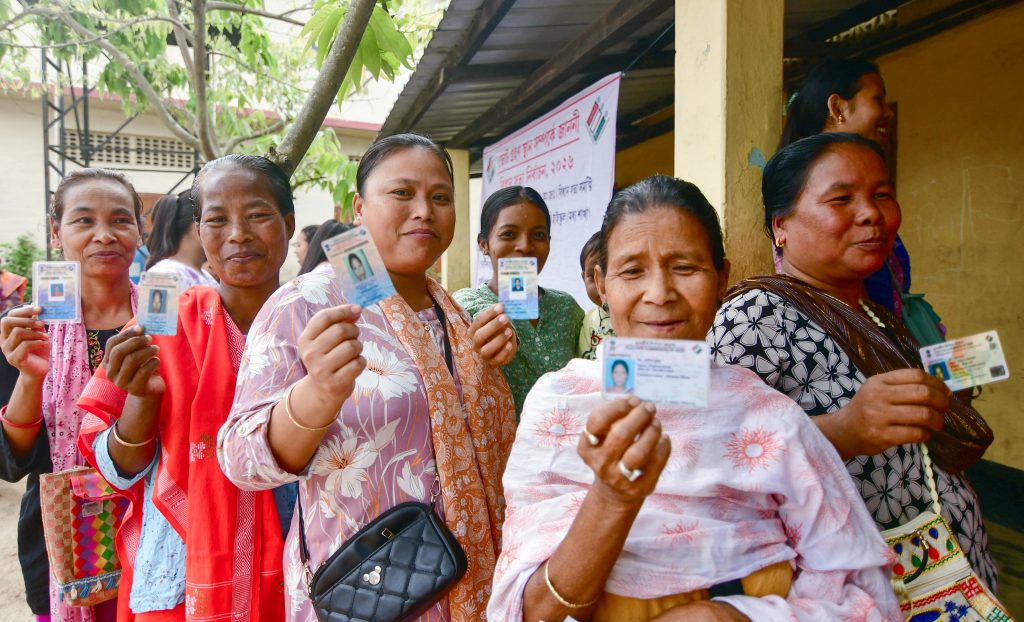
As Assam gears up for the 2026 elections, the focus is on the evolving political landscape, particularly in pivotal constituencies like Dibrugarh. Notably, Dibrugarh has already recorded an impressive 77.90% voter turnout by 5 PM on polling day, and this figure is expected to slightly increase as final votes are tallied. The Khowang constituency, a newly formed electoral area, is leading with a remarkable 82.55% turnout, signaling robust civic engagement as voters participate in the democratic process. This year’s Assam elections promise to be a significant contest, featuring high-profile candidates such as BJP’s Prasanta Phukan against AJP’s Mainak Patra. With a backdrop of heightened competition and political ambitions, these 2026 assembly elections will be crucial in shaping the state’s future and reflecting the voice of the Assam voter turnout.
In the upcoming electoral battle of Assam, dubbed the 2026 assembly elections, attention shifts to critical voting dynamics across various regions, including Dibrugarh and the new Khowang constituency. Voter participation is a vital indicator of civic involvement and political sentiment, as evidenced by the impressive turnout rates in these constituencies. The contest between established political players and emerging parties marks a significant turning point in Assam’s electoral history. As Dibrugarh witnesses its robust polling figures and Khowang captures headlines, the stakes are high for traditional parties like BJP and newer contenders like AJP. This electoral showdown reflects a broader narrative of Assam’s political engagement and the urgency for voters to make their voices heard.
Voter Turnout Trends in Assam Elections 2026
The Assam elections in 2026 have proven to be a pivotal moment for voter engagement, especially observed through the impressive turnout in the Dibrugarh assembly constituency. Reports indicate that Dibrugarh recorded an astounding voter turnout of 77.90% by 5 PM, reflecting a significant increase from the previous assembly elections. This uptick demonstrates the electorate’s increasing interest and engagement in the political landscape of Assam, with the overall voter percentage contextualizing a robust democratic process. In particular, the newly established Khowang assembly constituency surged ahead, clocking the highest turnout at 82.55%, highlighting the effective voter mobilization strategies implemented by various political parties, notably the BJP and AJP. Such statistics not only signify a healthy democracy but also set the stage for a closely fought contest among political stalwarts, including BJP’s Prasanta Phukan and AJP’s Mainak Patra, as they vie for the trust of a motivated electorate.
Moreover, the dynamics of voter turnout also provide insights into the changing political affiliations and sentiments among the populace. The consistent increase in turnout across various constituencies such as Duliajan, Tingkhong, and Naharkatia suggests an evolving political narrative that may influence party strategies ahead of future elections. By juxtaposing this election’s participation rates with those from 2021, where Dibrugarh saw a turnout of 75.36%, we can infer that the electorate is clearly becoming more assertive and proactive when it comes to influencing governance. Additionally, the shift in constituencies due to delimitation, creating new entities like Khowang, adds a layer of complexity that political analysts will need to navigate as the results come in.
Political Battles and Strategies in Dibrugarh District
In the vibrant political landscape of Assam, the Dibrugarh district has emerged as a focal point for heated electoral battles during the 2026 assembly elections. With constituencies presenting fierce competition between the BJP and AJP, the stakes have never been higher. The intense rivalry is epitomized by the contest between the incumbent MLA Prasanta Phukan of BJP and the AJP’s Mainak Patra, a face-off that encapsulates the growing opposition against the ruling party. As election day unfolded, incidents of conflict between party supporters highlighted the passionate sentiments involved, particularly in the Khowang constituency, where tension flared among party activists during campaigning. Such incidents underline not only the competitive nature of the elections but also the critical need for peaceful discourse among supporters.
The political narratives being spun in Dibrugarh are deeply intertwined with broader state issues, including governance, development, and the electorate’s expectations. The statements from key players like Union Minister and former Chief Minister Sarbananda Sonowal reinforce the BJP’s overarching strategy to maintain its stronghold by promising stability and progress under its administration. His predictions of the BJP-led NDA’s ability to secure a significant majority in the forthcoming legislative assembly reflect a confident approach while rallying voter support in a highly electrified atmosphere. As Dibrugarh joins the chorus of voices shaping Assam’s political future, the outcome of these battles will undeniably set a precedent for the upcoming legislative assembly trends throughout Assam.
Election Violence and Its Impact on Voter Sentiment
The Assam elections have been marred by incidents of violence, which cast a shadow over the otherwise vibrant democratic engagement witnessed in the Dibrugarh district. A notable conflict occurred in Khowang, where skirmishes broke out between BJP and AJP supporters, underscoring the fraught nature of the electoral contest. This altercation, which resulted in property damage, reflects the heightened tensions that often accompany closely contested elections. Voter sentiment can be significantly affected by such events, as incidents of violence may deter participation and provoke fear among constituents. Despite adequate security measures being put in place by the authorities, the residual effects of such conflicts can linger, altering the public’s perception of the political environment.
Moreover, election-related violence can polarize communities and impact the narrative surrounding political campaigns, with candidates needing to grapple with the aftermath. The response from police and election commission officials in addressing these violent outbreaks is crucial to restore order and confidence in the electoral process. Ensuring a safe and secure environment for voters is paramount in encouraging turnout and engagement, especially in regions experiencing political volatility. As the Assam elections progress into 2026, maintaining peace and fostering constructive dialogue among party supporters will be essential to ensure that voter turnout remains high and that democracy prevails in its truest form.
Assam Assembly Elections: Voter Turnout Analysis
Analyzing the voter turnout in Assam’s 2026 assembly elections reveals significant insights into the electorate’s behavior and the potential implications for future governance in the state. With the Dibrugarh constituency’s turnout recorded at an impressive 77.90%, there’s a clear indication that the public is increasingly motivated to exercise its democratic right. The turnout not only reflects the stakeholders’ efforts in mobilizing voters but also connects to broader issues such as local governance, accountability, and the citizens’ trust in their political representatives. The impressive figures across various constituencies, particularly the Khowang with 82.55%, underscore the importance of active political engagement driven by both grassroots campaigns and the pressing concerns facing the electorate.
Furthermore, this election’s turnout rates when compared to prior years serve as a critical metric for political analysts and party strategists. The shift from 75.36% in the previous election indicates a positive trend towards increased civic participation. Key issues concerning development, employment, and governance have likely spurred voters to engage more actively in the political process this cycle. Each percentage point shift is not merely a statistic; it reflects the populace’s growing expectation for accountability and proactive governance from their elected officials, which will shape the political discourse leading into the future assembly elections. The strategic narratives built around these voter turnout statistics will be vital in framing the political identity of Assam moving forward.
The Dynamics of Contestation in Khowang Constituency
The Khowang constituency has emerged as a significant battleground during the 2026 Assam assembly elections, representing a microcosm of the broader political contest unfolding throughout the state. With a remarkable voter turnout of 82.55%, Khowang is not only setting trends but also reflecting the heightened interest among citizens in shaping their local governance. The contest here is particularly intense, with BJP’s Chakradhar Gogoi and AJP president Lurinjyoti Gogoi both capitalizing on the constituency’s socio-political landscape to connect with voters. Their campaigns are previously anchored on addressing key community issues, thereby elevating the importance of voter turnout as a vote of confidence in their political strategies.
Additionally, the narrative in Khowang illustrates the broader electoral themes of identity politics and regional aspirations, as local leaders attempt to resonate with the unique grievances and hopes of the populace. Historical shifts in constituency boundaries due to delimitation have blurred previous party loyalties, thus creating open ground for either new alliances or bitter rivalries. As political parties navigate these complexities, the dynamics of contestation in Khowang will serve as a barometer for assessing the potential success of their strategies in the face of evolving voter attitudes ahead of the final results announcement.
BJP vs AJP: The Political Face-off of 2026
The 2026 Assam assembly elections are witnessing a high-stakes political showdown between the BJP and AJP, particularly in strategic constituencies like Dibrugarh and Khowang. With seasoned politicians like Prasanta Phukan representing the BJP and rising stars like Mainak Patra for AJP, this duel encapsulates varying political philosophies and promises to the electorate. Each party is striving to appeal to voters’ aspirations, addressing issues of development, social justice, and regional identity, which are paramount in shaping electoral outcomes. By analyzing their campaign strategies, it becomes evident that both parties are mobilizing resources and grassroots networks to solidify their support bases before votes are cast.
The clash between these two parties showcases differing visions for Assam’s future. While BJP focuses on stability and economic growth narratives, AJP positions itself as a champion of local rights and issues pertinent to regional identity. This race, therefore, represents not only a political battle but also a contest for the hearts and minds of voters who are eager for change and urgent reforms. The outcome of this contest will undoubtedly influence the future political trajectories of both parties, as they chart their paths moving forward, with the broader implications of local governance hanging in the balance for constituents across Assam.
The Role of Security Forces in Ensuring Fair Elections
In every electoral cycle, the role of security forces in upholding the integrity of the electoral process is paramount. During the 2026 Assam assembly elections, significant measures have been implemented to ensure a peaceful polling environment, particularly in politically tense regions like Dibrugarh and Khowang. Officials have reported an extensive deployment of security personnel in anticipation of potential conflicts among party supporters, particularly in areas where rivalries have historically led to violence. The presence of security personnel not only acts as a deterrent to disturbances but also reinforces voter confidence, encouraging active participation among citizens who may be wary of political unrest.
Moreover, the swift response by police to incidents like the Khowang altercation demonstrates a commitment to maintaining order during this critical democratic exercise. Their function extends beyond just crisis management; it encompasses safeguarding the democratic process’s legitimacy, ensuring that all individuals can exercise their right to vote without intimidation or fear. As the elections progress, continuous assessment of security measures will be crucial in adapting to on-ground realities and ensuring that voter turnout remains robust amidst these challenges—ultimately affirming the importance of a secure electoral framework in achieving a fair election.
Future Prospects in Assam’s Political Landscape Post-Elections
As the dust settles after the 2026 Assam assembly elections, the future political landscape will likely resonate with both continuity and change, shaped by the outcomes of key constituencies such as Dibrugarh and Khowang. The results will serve as an indicator of prevailing voter sentiments, providing political parties with insights into necessary adjustments in their platforms and strategies moving forward. The ongoing rivalry between the BJP and AJP has underscored the electorate’s desire for alternatives, prompting a critical evaluation of party ideologies and their relevance in addressing contemporary issues faced by citizens. This political evolution is vital for fostering a more inclusive governance model that reflects the diverse aspirations of Assam’s populations.
Furthermore, post-election analysis will delve into the patterns observed in voter turnout, understanding how this participation translates to voice within the assembly and impacts legislation affecting everyday lives. The direction taken by the new assembly will significantly influence future policymaking and the discourse surrounding development, justice, and equality in Assam. Engaging citizens in a constructive dialogue on expectations from their elected representatives will be crucial in shaping future electoral strategies, advocating for a political culture that prioritizes transparency and active citizen involvement in governance.
Frequently Asked Questions
What was the voter turnout in the Dibrugarh polling during the Assam elections 2026?
The voter turnout in the Dibrugarh polling for the Assam elections 2026 reached 77.90% by 5 PM, with expectations for a slight increase as final figures are calculated. This indicates a positive trend compared to the 75.36% turnout during the 2021 assembly elections.
| Constituency | Voter Turnout (%) | Candidates | Remarks |
|---|---|---|---|
| Dibrugarh | 77.90% | Prasanta Phukan (BJP) | Improvement from 75.36% in 2021 elections. |
Summary
The Assam elections 2026 have showcased a notable voter engagement, particularly in Dibrugarh where the assembly constituency achieved a commendable 77.90% voter turnout. This participation rate, expected to rise slightly as the votes are finalized, reflects a growing interest in the democratic process when compared to the previous elections. The Khowang constituency stood out with an outstanding turnout of 82.55%, indicating a robust civic response to the electoral process. Political contenders such as the four-time MLA Prasanta Phukan of BJP and AJP’s Mainak Patra are at the forefront of a significant political contest that could shape the future governance of Assam. Overall, the assembly elections in Assam in 2026 are pivotal, suggesting a shift in voter sentiment and expectations, prominently illustrated by the electoral battles across the district.



























