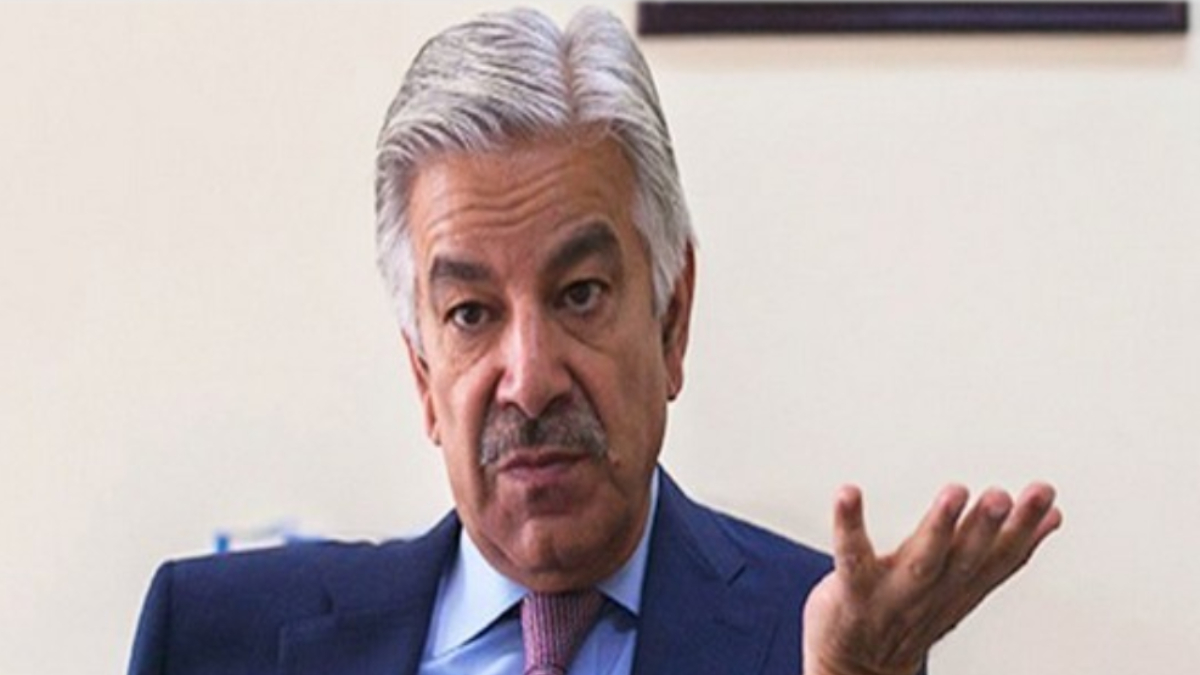
Khawaja Asif, the current Defence Minister of Pakistan, is at the center of a heated debate in Pakistan politics over his recent remarks regarding Israel. His comments questioning Israel’s actions and calling for the country’s annihilation have sparked significant controversy, challenging Pakistan’s role as a neutral mediator in regional relations. Asif’s bold statements have prompted sharp criticism from Israel, which accused Pakistan of undermining diplomatic efforts in the area. The Prime Minister’s Office responded vehemently, denouncing Khawaja Asif’s outburst as outrageous and detrimental to ongoing discussions. This situation highlights the intricate web of regional dynamics and the delicate balance required in international diplomacy, particularly regarding the South Asian geopolitical landscape.
The statements made by Khawaja Asif, a prominent figure in the political landscape of Pakistan, have drawn attention not only for their provocative nature but also for their implications on broader diplomatic relations. As the Defence Minister, his words carry weight and reflect the stance of Pakistan in global encounters, particularly pertaining to issues in the Middle East. The controversy surrounding his remarks raises questions about the credibility of Pakistan’s position in ongoing diplomatic negotiations and its approach towards other nations, including Israel. As regional dynamics continue to evolve, the fallout of Asif’s comments serves as a critical case study in the complexities of international affairs and the potential repercussions of political rhetoric.
Khawaja Asif’s Controversial Remarks Impacting Regional Relations
In recent weeks, Khawaja Asif, Pakistan’s Defence Minister, has made headlines with his outspoken comments regarding Israel, sparking significant debate within the context of Pakistan politics. His provocative call for Israel’s destruction was met with immediate backlash, particularly from Israeli officials who questioned Pakistan’s role as a neutral entity amidst the complex landscape of regional diplomacy. This incident underscores the delicate balance that countries like Pakistan must maintain while navigating the intricacies of international relations, especially given the various interests at play in the Middle East.
Asif’s remarks not only highlight his stance but also reflect a broader sentiment prevalent among certain factions within Pakistan. The criticism from the Prime Minister’s Office emphasizes the need for Pakistan to be perceived as a diplomatic intermediary rather than a belligerent party. In the realm of Pakistan politics, it is vital for leaders to consider the long-term implications of such comments, particularly their potential to strain relationships with countries critical to Pakistan’s strategic interests.
Critique of Khawaja Asif: A Response to Israeli Diplomacy
Israel’s harsh critique of Khawaja Asif’s comments illustrates the fragile nature of diplomatic relations in the region. Many analysts believe that Asif’s statements may have unintended consequences on Pakistan’s position within the international community, especially in light of Pakistan’s attempts to portray itself as a facilitator of dialogue in contentious issues related to Israel and Palestine. This situation sheds light on the fundamental challenges faced by diplomats and politicians in balancing national sentiment with international expectations, particularly in a context as polarized as that of Middle Eastern politics.
The remarks made by the Pakistan Defence Minister could also impede efforts to foster constructive dialogue between Pakistan and other nations invested in the ongoing Israeli-Palestinian conflict. As regional diplomacy continues to evolve, Khawaja Asif’s statements serve as a reminder of the sometimes bitter realities of political rhetoric and its potential to derail peace efforts. While Pakistani leaders may express solidarity with Palestinian aspirations, it is crucial for them to articulate these positions in ways that do not alienate potential allies in diplomatic discussions.
The Role of Pakistani Leadership in Shaping Diplomatic Dynamics
Leadership comments, such as those from Khawaja Asif, play a pivotal role in shaping the narrative surrounding Pakistan’s diplomatic stance. The recent backlash from Israel has prompted many to scrutinize the effectiveness of Pakistan’s foreign policy strategy. With regional relations heavily influenced by key players in the Middle East, any misstep could have lasting repercussions. As Pakistani leaders engage in dialogue with global stakeholders, ensuring a cohesive and well-thought-out approach is essential to maintain credibility in international forums.
Pakistan’s leadership must navigate the complexities of their national identity while addressing the expectations of their constituents, particularly in matters related to Israel and its regional influence. Effective communication becomes paramount, as dissonance between government statements and public sentiment can lead to diplomatic pitfalls. Khawaja Asif’s comments have exposed the need for a more nuanced approach to diplomacy, where Pakistan can advocate for its allies without resorting to language that might be perceived as inflammatory on the international stage.
The Fallout from Khawaja Asif’s Statements on Israel
The fallout from Khawaja Asif’s statements has activated discussions surrounding Pakistan’s foreign policy, especially regarding its posture toward Israel. The reaction from various political factions in Pakistan reflects deep divisions on how to engage with Israel, a nation that many in Pakistan view critically due to its policies in Palestine. This division raises concerns about the unity of Pakistan’s diplomatic strategy and the way it is perceived on the global stage.
As diplomatic tensions simmer, it is crucial for Pakistan to assert a clear position that aligns with both its domestic values and international responsibilities. Khawaja Asif’s comments could hinder potential collaboration with other Muslim-majority nations that may look to Pakistan as a leader in the dialogue with Israel. As the voices within Pakistan call for a strong stance against Israel, it becomes increasingly important to foster an approach that balances national solidarity with diplomatic pragmatism.
Pakistan’s Strategic Position Amidst Khawaja Asif’s Discourse
Khawaja Asif’s discourse highlights a significant moment in Pakistan’s strategic positioning within a tumultuous geopolitical landscape. With Pakistan attempting to maintain a stance of neutrality, the Defence Minister’s remarks complicate the country’s ability to navigate complex relations with Israel and Western powers supportive of Israel. This delicate balance becomes increasingly challenging when considering the rise of anti-Israel sentiment within various political groups in Pakistan, urging a competitive rhetoric that may not align with strategic interests.
In addressing Khawaja Asif’s comments, it becomes essential to re-assess how Pakistan perceives its role in international relations. As regional diplomacy evolves, Pakistan must decide whether to solidify its alliances with nations that support Palestinian rights or to foster relationships with those who advocate for a two-state solution. This critical juncture presents both challenges and opportunities for Pakistani leadership as they seek to define a coherent and sustainable foreign policy approach.
Navigating Diplomatic Challenges: Khawaja Asif’s Influence
Khawaja Asif’s influence on Pakistan’s diplomatic narrative cannot be underestimated, especially when considering the potential repercussions of his comments on Israel. As discussions regarding regional diplomacy intensify, the Defence Minister’s statements have prompted various actors within Pakistan politics to rethink their positions. Diplomatic leaders must now reconcile his rhetoric with the broader goals of fostering regional stability and engagement with the international community.
Moreover, Asif’s remarks serve as a catalyst for internal debates within the Pakistani political landscape, as factions must align their stances with the expectations of their constituents while also appealing to international partners. The resulting dialogue is a complex interplay of national interest, public opinion, and the realities of diplomatic relationships. As Khawaja Asif continues to shape discussions around Pakistan’s foreign policy, it is crucial for the nation to take a balanced approach, focusing on fostering dialogue rather than division.
Public Reaction to Khawaja Asif’s Statements on Israel
The public reaction to Khawaja Asif’s bold statements against Israel has been varied, illustrating the diversity of opinion within Pakistan regarding its relationship with Israel and regional dynamics. Many citizens express strong support for Asif’s comments, viewing them as a reflection of Pakistan’s commitment to Palestinian rights and solidarity in the face of perceived injustices. However, this widespread approval comes with the risk of escalating tensions and complicating Pakistan’s international relations.
Conversely, there are also voices within Pakistan calling for a more diplomatic approach that prioritizes dialogue over hostility. The polarizing nature of Asif’s remarks creates an environment where discourse becomes contentious, and it is crucial for Pakistani society to engage in constructive dialogue about the challenges facing their diplomatic stance. As public opinion continues to evolve, the leadership must remain attuned to its implications for Pakistan’s policies and its position on the global stage.
The Future of Pakistan-Israel Relations After Khawaja Asif
Looking ahead, the future of Pakistan-Israel relations following Khawaja Asif’s statements remains uncertain. As Pakistan seeks to strengthen its role in regional diplomacy, it must navigate the delicate landscape shaped by entrenched historical sentiments and contemporary geopolitics. The Defence Minister’s remarks may inhibit potential avenues for dialogue, necessitating a reassessment of strategies towards Israel, particularly as Pakistan looks to establish itself as a critical player in peace efforts within the region.
For Pakistan to engage effectively with Israel, it must address the internal divisions that now come to the forefront due to Asif’s comments. Revising the diplomatic narrative, while taking into consideration the sentiments of the populace, will be essential in shaping future negotiations. Pakistan’s leaders face the daunting task of fostering an environment conducive to dialogue and mutual understanding, which will ultimately dictate the success of any diplomatic outreach to Israel.
Assessing the Impact of Khawaja Asif on Pakistan’s Diplomacy
Khawaja Asif’s recent statements have forced policymakers and analysts to assess the broader impact on Pakistan’s diplomatic posture in the region. His comments represent more than just a personal opinion; they are indicative of a significant cross-section of Pakistani political thought that resists rapprochement with Israel. As discussions of regional relations continue, the ramifications of such remarks showcase the complexities of navigating diplomacy in an ever-evolving political environment.
The implications of Asif’s discourse resonate throughout not only Pakistan’s foreign policy but also its domestic political landscape. The challenge will be for the leadership to unify its response to international diplomacy while considering the sentiments of its populace. As Pakistan engages with complex regional issues, a strategic approach will be vital in ensuring that statements from figures like Khawaja Asif do not derail constructive diplomatic initiatives that could benefit Pakistan and its standing in the global arena.
Frequently Asked Questions
What are Khawaja Asif’s recent comments on Israel and regional relations?
Khawaja Asif, the Pakistan Defence Minister, recently made contentious comments regarding Israel, calling for its annihilation. His remarks have sparked criticism from Israel, which questioned Pakistan’s neutrality in regional diplomacy. This incident underscores the complexities of Pakistan politics and its stance within ongoing regional relations.
| Key Point | Details |
|---|---|
| Khawaja Asif Criticism | Khawaja Asif questioned Israel’s credibility in regional diplomacy. |
| Israel’s Reaction | Israel’s Prime Minister’s Office condemned Asif’s statements on the annihilation of Israel. |
| Accusation of Bias | The comments raised questions about Pakistan’s neutrality in diplomatic matters. |
Summary
Khawaja Asif has become a notable figure in the current discourse surrounding Pakistan’s stance on Israel, with his recent comments provoking strong backlash from Israeli officials. The exchange highlights the tension in Pakistan’s role as a mediator in regional politics, emphasizing the complexity of international relations where perceptions of neutrality are critical. As Pakistan navigates these diplomatic waters, the implications of such statements can significantly influence its credibility and relationships on the global stage.