 11
11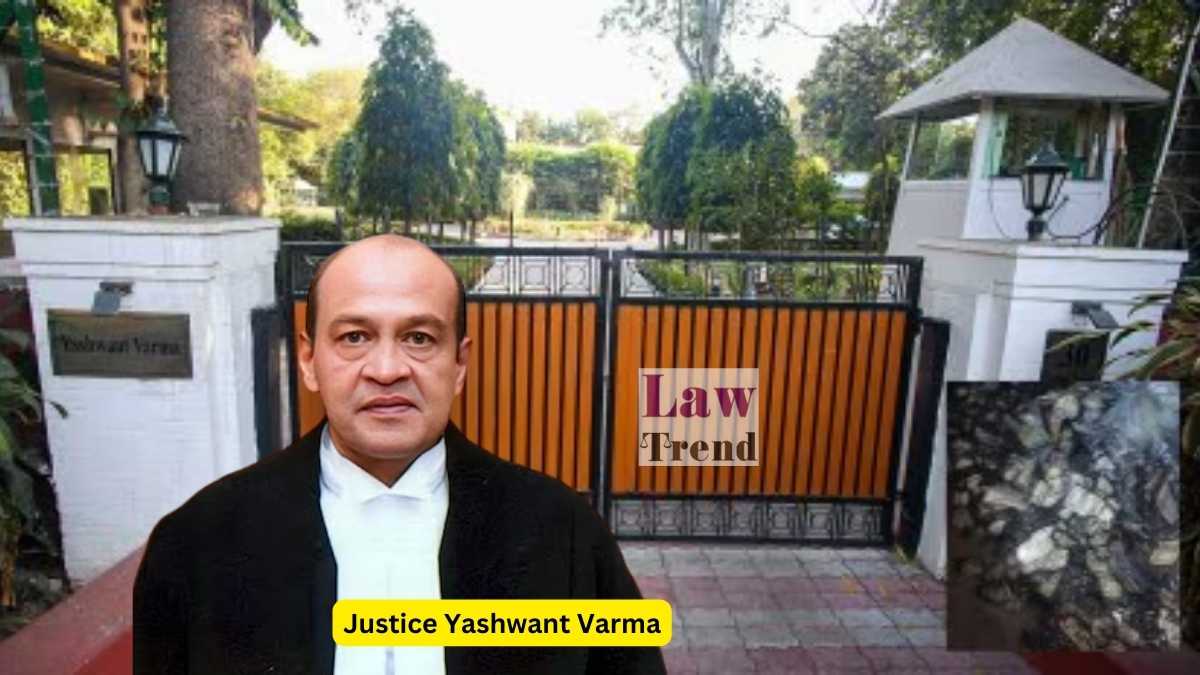
Justice Yashwant Varma resignation has sent shockwaves through the legal community, as he steps down amidst a tumultuous cash recovery controversy and ongoing impeachment process. This significant event marks a pivotal moment for the Allahabad High Court, stirring discussions across various legal platforms and media outlets. In his heartfelt resignation letter to the President, he expressed his deep anguish, outlining the gravity of his decision. The judiciary resignation news highlights the urgent need for transparency and integrity within the justice system, particularly in light of such serious allegations. As the situation unfolds, the implications of Justice Varma’s resignation will be scrutinized by legal experts and the public alike, raising critical questions about the accountability of the judiciary and the integrity of legal proceedings.
The recent resignation of Justice Yashwant Varma has raised eyebrows in the realm of judicial accountability, thrusting the ongoing impeachment inquiry into the spotlight. This unexpected move sheds light on the pressing issues of integrity within the judiciary, especially concerning the controversial cash recovery allegations that have engulfed his tenure. As discussions surrounding Justice Varma’s departure circulate within legal circles, many are keen to understand the broader impact on the Allahabad High Court and its administration of justice. This incident encapsulates a significant event in the landscape of Indian jurisprudence, prompting a broader conversation about the effectiveness of oversight mechanisms within the judiciary. Furthermore, the implications of this high-profile resignation may resonate beyond immediate legal concerns, stirring debates about public trust in legal institutions.
Justice Yashwant Varma’s resignation from the Allahabad High Court marks a significant moment in recent judiciary news, particularly as it unfolds in the wake of a cash recovery controversy. His decision to step down amidst an impeachment process suggests a complex interplay between judicial conduct and public accountability. The resignation raises questions not only about the integrity of the judiciary but also about the processes that govern the behavior of its members. Varma, known for his remarkable judgments, has now become a focal point in ongoing discussions concerning judicial ethics.
Moreover, the circumstances surrounding Varma’s departure are crucial to understanding the current atmosphere in the Indian judiciary. The cash recovery row, which placed scrutiny on his decisions and financial dealings, has unveiled layers of complexity that challenge the foundation of justice. As this case unfolds, we are likely to witness a mix of legal deliberation and public interest that could shape future policies on judicial appointments and accountability. Indeed, Varma’s resignation could potentially lead to reforms aimed at preserving judicial independence while ensuring responsible conduct within the higher echelons of the legal system.
The ongoing impeachment process against Justice Yashwant Varma has raised significant attention in legal circles, highlighting the fragility of judicial independence in India. The impeachment proceedings, while aimed at maintaining an ethical judiciary, also bring forth debates regarding the implications for current judicial leaders and future appointments. Given the scrutiny Varma has faced due to the cash recovery controversy, his situation serves as a warning to other judges about the potential consequences of perceived misconduct. This situation exposes the vulnerabilities within the judicial framework, illustrating the challenges faced by individuals when engaged in high-stakes governance.
Additionally, the attention brought to the issue through Justice Varma’s case may lead to broader discussions on reforms necessary to safeguard the judiciary from undue influences and internal corruption. The mix of public sentiment and alleged misconduct invites scrutiny into the processes by which judges are held accountable. As the Allahabad High Court deals with the fallout from this case, it becomes evident that a response is essential—one that reassures the public of the integrity of the judiciary while also protecting the rights of judges against arbitrary dismissal based solely on unproven allegations.
The cash recovery controversy that Justice Yashwant Varma finds himself entwined in plays a critical role in his resignation and the larger discourse on judicial ethics. Allegations have surfaced accusing him of mismanaging funds and engaging in questionable practices during his tenure, raising fears about corruption within high judicial ranks. This situation invites a broader examination of how monetary influence can undermine the pillars of justice, stressing the necessity for transparent financial practices among judges to maintain public trust.
Furthermore, the cash recovery allegations against Varma reflect a growing concern about the intersection of money and justice in the Indian legal system. As the judiciary must function independently without succumbing to financial pressures, it becomes increasingly important to implement protocols that prevent such allegations from arising. The judiciary’s ability to self-regulate and respond efficiently to such controversies is pivotal in preserving its credibility in the eyes of the public, making Varma’s case a critical study point for potential reforms in maintaining ethical standards.
Recent developments in the Allahabad High Court have placed significant focus on the resignation of Justice Yashwant Varma, a situation that continues to evolve with new revelations. The court, at the center of the storm, has faced increasing pressure to affirm its commitment to upholding justice and maintaining ethical standards among its judges. With the resignation being a priority in current news cycles, it remains to be seen how this incident will affect the general public’s faith in the legal system and its institutions.
In the wake of Varma’s resignation, the Allahabad High Court administration is likely to initiate steps to address public concern and restore confidence. This may include reassessing policies surrounding appointing judges and mechanisms for handling complaints against them. As the judiciary grapples with the fallout from the resignation, the hope is to emerge stronger and more committed to transparency, ensuring that such controversies do not undermine the fundamental tenets of justice that the institution represents.
The media plays a crucial role in shaping public perception and understanding of judicial resignations, such as that of Justice Yashwant Varma. Reporting on such sensitive issues requires a delicate balance between factual accuracy and sensationalism. The focus on Varma’s resignation amidst impeachment proceedings not only highlights potential misconduct but also puts a spotlight on the media’s responsibility in analyzing the implications of such actions. As journalists cover the cash recovery controversy, they must ensure that the narratives presented serve to inform the public rather than exacerbate existing biases against the judiciary.
Moreover, the media’s portrayal of Varma’s case may influence public opinion and the direction of ongoing discussions regarding judicial accountability. A thorough investigation into the ramifications of judicial behavior can lead to greater transparency and might spur necessary reforms. The narratives crafted by the media can empower the public to demand answers and enhancements within the justice system, ultimately driving the conversation around corruption, transparency, and accountability forward.
The public reaction to Justice Yashwant Varma’s resignation has been mixed, with individuals expressing a wide range of sentiments across various platforms. Many members of the public have shown disappointment, feeling that his resignation amidst the cash recovery controversy undermines the integrity of the judiciary as a whole. Others, however, have commended the decision to resign, viewing it as a necessary measure to preserve judicial ethics and uphold public trust. This incident serves as a litmus test for civic engagement in matters concerning the legal profession and the guardianship of justice.
As debates continue to swirl around Varma’s resignation, social media has become a pivotal platform for discourse. Citizens are actively discussing the implications of such a decision on future judicial practices, emphasizing the importance of maintaining ethical standards. This widespread engagement illustrates a growing public awareness regarding issues of governance and accountability in the judiciary, marking a significant shift in how judicial processes are perceived and scrutinized in contemporary society.
As the dust settles on Justice Yashwant Varma’s resignation, the future of the judiciary appears to be at a crossroads. The ramifications of this high-profile case are likely to resonate well beyond the immediate circumstances, initiating discussions on how judicial functions can be safeguarded against similar controversies in the future. With a renewed focus on transparency and accountability, there is hope for reforms that can fortify the integrity of the justice system in India.
Looking ahead, the judiciary must navigate a path that not only addresses the fallout from Varma’s case but also anticipates potential challenges that may arise in maintaining judicial independence. This includes reevaluating processes around judge appointments and investigating complaints while ensuring that all actions taken are grounded in fairness and objectivity. The evolution of governance in the judiciary will serve as a crucial indicator of its adaptability and resilience in the face of increasing scrutiny and public interest.
The resignation of Justice Yashwant Varma amidst serious allegations serves as a catalyst for examining legal responses to accusations against judicial figures in India. It underscores the necessity for a robust mechanism that can effectively manage complaints without compromising the independence of the judiciary. The current legal framework often lacks clear protocols for addressing such allegations, which can lead to crises of public confidence and a reluctance to report misconduct.
In light of Varma’s situation, it is crucial for the legal system to establish standardized procedures for handling allegations that involve influential judicial members. Developing a transparent process for investigations not only protects the integrity of the judiciary but also reassures the public that justice is served in an equitable manner. By embracing reform, the legal system can work towards fortifying its foundations against future challenges, making it resilient to allegations that may threaten its reputation and trust.
The impeachment of Justice Yashwant Varma offers critical lessons regarding judicial accountability and governance that must not be overlooked. This incident exposes the vulnerabilities of the judicial system and the necessity for stringent checks and balances that can deter potential misconduct. Understanding the circumstances leading to Varma’s public resignation can inspire necessary reforms aimed at ensuring ethical behavior in the highest courts, ultimately preserving the sanctity of the judiciary.
Furthermore, the overall discourse generated by this case emphasizes the importance of community and stakeholder engagement in the judicial system. As society advocates for justice and fairness, learning from Varma’s impeachment can foster a collaborative approach to enhancing judicial conduct. The judiciary must rise to meet the expectations of a more informed populace that is increasingly demanding accountability, transparency, and reform—a challenge that, if embraced, can strengthen the very core of justice.
Justice Yashwant Varma’s resignation comes in the wake of an ongoing cash recovery controversy linked to his actions while serving on the Allahabad High Court. He submitted his resignation letter to the President, citing deep anguish over the situation as the impeachment proceedings commenced, highlighting the gravity of the allegations against him.
| Key Point | Details |
|---|---|
| Resignation | Justice Yashwant Varma has resigned from his position as a Judge of the Allahabad High Court. |
| Date of Resignation | The resignation was submitted on a Friday. |
| Reason for Resignation | His resignation is amidst a controversy regarding cash recovery and ongoing impeachment proceedings. |
| Resignation Letter | In his resignation letter, he expressed anguish over having to resign immediately. |
Justice Yashwant Varma resignation takes center stage as it marks a significant turn in the ongoing impeachment process related to allegations of cash recovery. The resignation was officially submitted to the President, highlighting the gravity of the situation. Justice Varma conveyed his profound regret in his letter, signaling not just a personal decision but also the implications of the ongoing legal challenges he faced. As the case unfolds, the judiciary and the legal community will undoubtedly be watching the implications of Justice Yashwant Varma’s resignation closely.