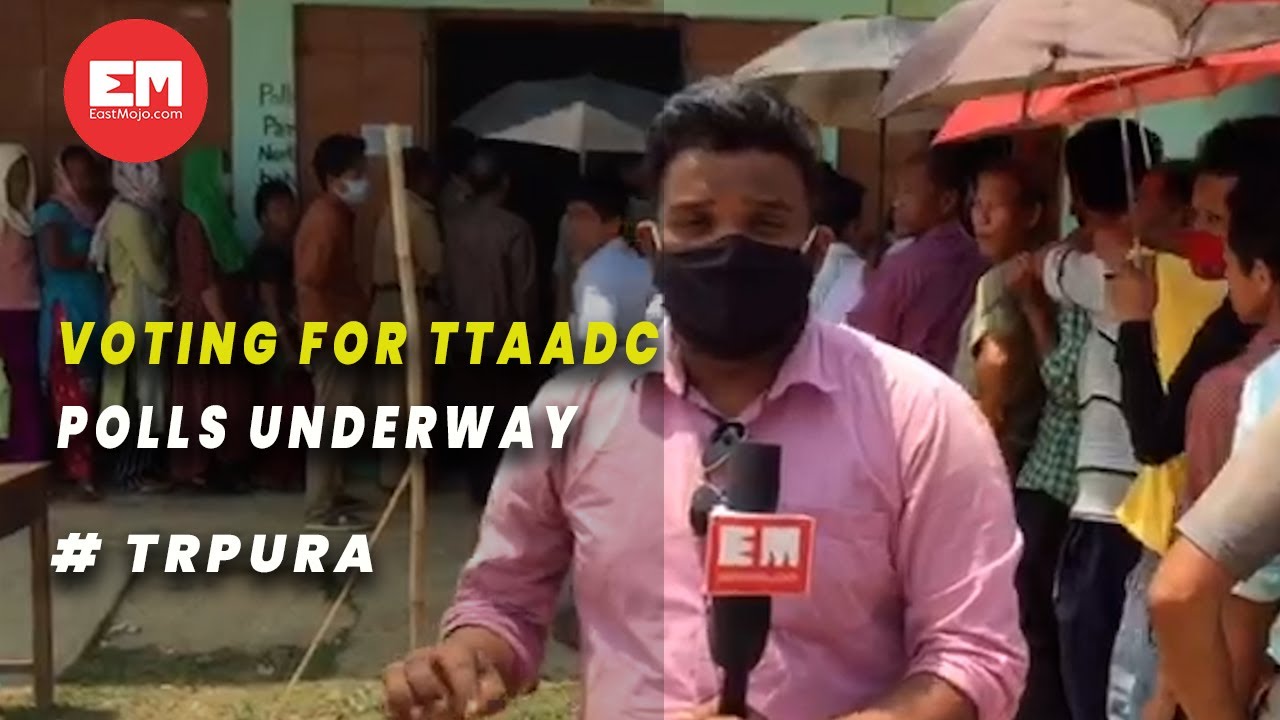
The upcoming Tripura Tribal Areas Autonomous District Council elections are set to take place on April 12, 2023, amidst heightened security measures and polling restrictions aimed at ensuring a smooth voting process. With key players like the Tipra Motha Party and the BJP at the forefront, the contests are anticipated to be highly competitive, reflecting the dynamic political landscape of Tripura elections 2023. In preparation, authorities have deployed central armed forces alongside local police to maintain order during this critical time. As TTAADC voting approaches, officials have implemented strict regulations, including prohibitions on assemblies near polling stations, to bolster safety and confidence among voters. The large electorate of nearly one million registered voters, comprising nearly equal gender representation, is eager to cast their votes in this significant electoral event, making it a pivotal moment for the future of the tribal areas in Tripura.
As the elections for the Tripura Tribal Areas Autonomous District Council (TTAADC) draw near, the political atmosphere is charged with anticipation and competition among various parties. Known locally, these elections represent a crucial opportunity for tribal communities to exercise their democratic rights and influence local governance. With the diverse spectrum of candidates, including major contenders like the Tipra Motha Party and BJP, the contest is not only a battle for seats but also a reflection of the aspirations of the region’s populace. The region’s governance and the upcoming TTAADC voting processes are under the watchful eye of authorities, who are enforcing strict security protocols to ensure a fair and peaceful election. This election cycle, characterized by heightened mobilization and strategic campaigning, underscores the importance of stability in Tripura, particularly in light of recent polling restrictions and preparations for voter safety.
Understanding the Tripura Tribal Areas Autonomous District Council Elections
The Tripura Tribal Areas Autonomous District Council elections, scheduled for April 12, play a crucial role in the governance of the tribal regions in Tripura. With significant stakes involved, the elections are viewed as a pivotal platform for local leadership. The major players in this election include the Tipra Motha Party and the Bharatiya Janata Party (BJP), both of which have been aggressively campaigning to secure their foothold in the Autonomous District Council. This election cycle also encompasses a wider range of parties, including the CPI(M), Congress, and IPFT, all vying for influence in the tribal areas.
As the campaigning period comes to a close, having ended on April 10, analysts are keenly observing how the political dynamics play out among these parties. The upcoming elections are being characterized by intense preparations, with candidates focusing on local issues that resonate with the tribal electorate. With a total voter base of 962,697 voters, the local parties are expected to leverage their regional knowledge and historical ties to the communities to appeal to the electorate.
Security Measures for the Tripura Elections 2023
In anticipation of the Tripura Tribal Areas Autonomous District Council elections, security agencies have implemented robust measures to ensure a safe voting environment. Authorities have mobilized a significant contingent of central armed forces, as well as local police, to maintain law and order over the election period. The deployment of 24 companies, including forces from the Border Security Force (BSF) and Sashastra Seema Bal (SSB), highlights the administration’s serious approach to protecting both voters and polling personnel from potential disturbances.
To further bolster security, the administration has enacted restrictive measures, such as prohibitory orders under the BNSS, 2023. These restrictions, which include limiting the assembly of groups near polling stations and banning certain items that could be used as weapons, aim to alleviate fears of unrest among voters. Additionally, the regulation of vehicle movements and the prohibition of mobile phones at polling stations reflect a comprehensive strategy to mitigate security risks during the elections.
Polling Restrictions in the TTAADC Elections
The elections for the Tripura Tribal Areas Autonomous District Council have necessitated a variety of polling restrictions designed to ensure a smooth electoral process. Among these restrictions is the limitation on the number of voters that can gather near polling stations, with bans on assemblies larger than five people within a 200-meter radius. Such measures are implemented to prevent clashes and ensure that the voting environment remains peaceful, ultimately aiding in the trust and willingness of the electorate to participate in the electoral process.
In addition to gathering limitations, vehicle movements have also faced restrictions on the day of polling. Voters are permitted to travel in convoys of no more than three vehicles, highlighting a strategic effort to control the dynamics of transportation on election day. By implementing these measures, authorities hope to mitigate the risks associated with large public gatherings and maintain a conducive environment for the voting process.
The Contest Between Tipra Motha and BJP in TTAADC
The fierce electoral battle in the Tripura Tribal Areas Autonomous District Council is primarily focused on the competition between the Tipra Motha Party and the BJP. Both parties have well-structured campaigns aimed at rallying support for their respective ideologies and promises. Tipra Motha is capitalizing on its deep connections to tribal identity and autonomy, while the BJP is leveraging its national platform and development agendas to attract voters in the tribal areas. This duality of strategy has set the stage for a compelling electoral showdown.
As the elections approach, the intensity of campaigning from both parties reflects their vested interests in the outcome. Tipra Motha’s emphasis on tribal rights and representation resonates strongly with local voters who feel marginalized. Conversely, the BJP’s promises of infrastructural development and improved governance appeal to a broader audience looking for stability. This intricate narrative of identity, governance, and development is likely to play a crucial role in influencing voter decisions during the TTAADC elections.
Impact of Campaign Strategies on Voter Turnout
The various campaign strategies employed by parties in the Tripura Tribal Areas Autonomous District Council elections significantly impact voter turnout. In a multi-cornered contest where Tipra Motha and the BJP have emerged as frontrunners, the effectiveness of their outreach efforts can be pivotal. Engaging with the electorate through local events, meetings, and targeted messaging tailored to tribal issues has been critical in garnering enthusiasm and interest in the election process.
Moreover, the integration of digital campaigning alongside traditional methods has transformed the electoral landscape. Social media outreach, in particular, has allowed parties to connect with younger voters, while more traditional methods cater to older demographics. By diversifying their campaign strategies, the major parties are not only broadening their reach but also enhancing the likelihood of higher voter turnout, which is essential for the democratic process.
Election Regulations and Compliance Mechanisms
Ensuring fair and smooth elections for the Tripura Tribal Areas Autonomous District Council involves stringent election regulations. These regulations, enforced by the State Election Commission, encompass rules governing campaign conduct, polling procedures, and post-election conduct. With the introduction of prohibitory orders and the enforcement of appropriate conduct during the electoral process, they aim to maintain a level playing field for all competing parties.
Additionally, compliance mechanisms are established to monitor and address any violations that may arise during the election period. Such oversight is crucial in mitigating the influence of illegal practices that can skew electoral outcomes. Authorities are committed to ensuring that the democratic process remains transparent, fair, and respected, emphasizing the significance of adhering to established electoral norms during the TTAADC elections.
Analyzing Voter Demographics in TTAADC
The voter demographics for the Tripura Tribal Areas Autonomous District Council elections reveal a diverse electorate that includes significant numbers of male, female, and third-gender voters. With a total registration of 962,697 voters, a near-equitable split between male (482,025) and female (480,666) voters highlights the engagement of all sections of society in the democratic process. The inclusion of six voters from the third gender further emphasizes the need for inclusive electoral practices.
Understanding the demographic landscape is critical for political parties as they tailor their messages to resonate with different voter segments. The representation of various genders in the electoral framework not only enhances inclusivity but also reflects an evolving political consciousness among the electorate. Parties must consider these dynamics in their campaign strategies to ensure that they are reaching and appealing to all constituents effectively.
Role of Local Governance in Tripura Elections
Local governance plays a seminal role in shaping the electoral landscape of the Tripura Tribal Areas Autonomous District Council elections. The TTAADC is responsible for addressing local issues, ensuring representation, and facilitating development initiatives tailored to the needs of tribal communities. As the elections approach, the emphasis on local governance becomes a focal point for candidates, who strive to position themselves as key enablers of change for their constituencies.
Candidates from various political parties are focusing on local governance issues in their campaigns, highlighting promises for responsiveness, transparency, and accountability to tribal communities. This grassroots engagement is essential in mobilizing voters who want leaders who understand and address their specific needs. As such, the role of local governance is pivotal not only in the electoral context but also in steering future developments within the Autonomous District Council.
Projected Outcomes of the TTAADC Elections
As the Tripura Tribal Areas Autonomous District Council elections draw near, analyses and projections about potential outcomes abound. Political commentators are dissecting various factors that may influence results, including the effectiveness of campaign strategies, voter sentiments, and security conditions. The contest primarily between the Tipra Motha Party and the BJP is being watched closely, as each party’s ability to mobilize support could tip the scales.
Moreover, external factors such as voter turnout and compliance with the polling restrictions will also play decisive roles in determining the outcome of the elections. High voter engagement, driven by appropriate and inclusive campaigns, could result in more significant mandates for favored parties. Conversely, if turnout is marred by security concerns or other challenges, the results may reflect wider issues within the governance and electoral frameworks. Analysts are keenly observing these dynamics as they unfold in the lead-up to the elections.
Frequently Asked Questions
What security measures are in place for the Tripura Tribal Areas Autonomous District Council elections?
For the upcoming Tripura Tribal Areas Autonomous District Council (TTAADC) elections set for April 12, extensive security measures have been implemented. Authorities have intensified security arrangements across Tripura, deploying a total of 24 companies of central forces, including units from the BSF and SSB. These forces will work alongside state police to ensure a peaceful voting environment. Additionally, patrolling and flag marches in sensitive areas are being conducted to assure voter safety. Prohibitory orders are in effect to limit group assemblies near polling stations and to ensure a smooth electoral process.
| Key Point | Details |
|---|---|
| Election Date | April 12, 2023 |
| Campaign End Date | April 10, 2023, at 4 PM |
| Main Contenders | Tipra Motha Party and BJP |
| Security Measures | Increased patrols, flag marches, and deployment of central forces |
| Prohibitory Orders | Assembly of five or more persons prohibited near polling stations |
| Voter Statistics | Total of 962,697 voters, including 482,025 male, 480,666 female, and 6 third-gender voters |
| Convoy Restrictions | Limited to no more than three vehicles on polling day |
Summary
Tripura Tribal Areas Autonomous District Council elections are a crucial event that highlight the democratic process in the region. As the campaigning period comes to a close, the arrival of significant security forces and the implementation of stringent measures aiming to ensure peaceful and fair polling reflect the importance of this electoral process. With a strong contest primarily between the Tipra Motha Party and BJP, the elections on April 12 will also see participation from other political entities such as CPI(M), Congress, and IPFT. The overall electorate, comprising nearly a million voters, symbolizes the democratic aspirations of the people in the Tripura Tribal Areas, promising a lively electoral atmosphere amid heightened security and regulations.