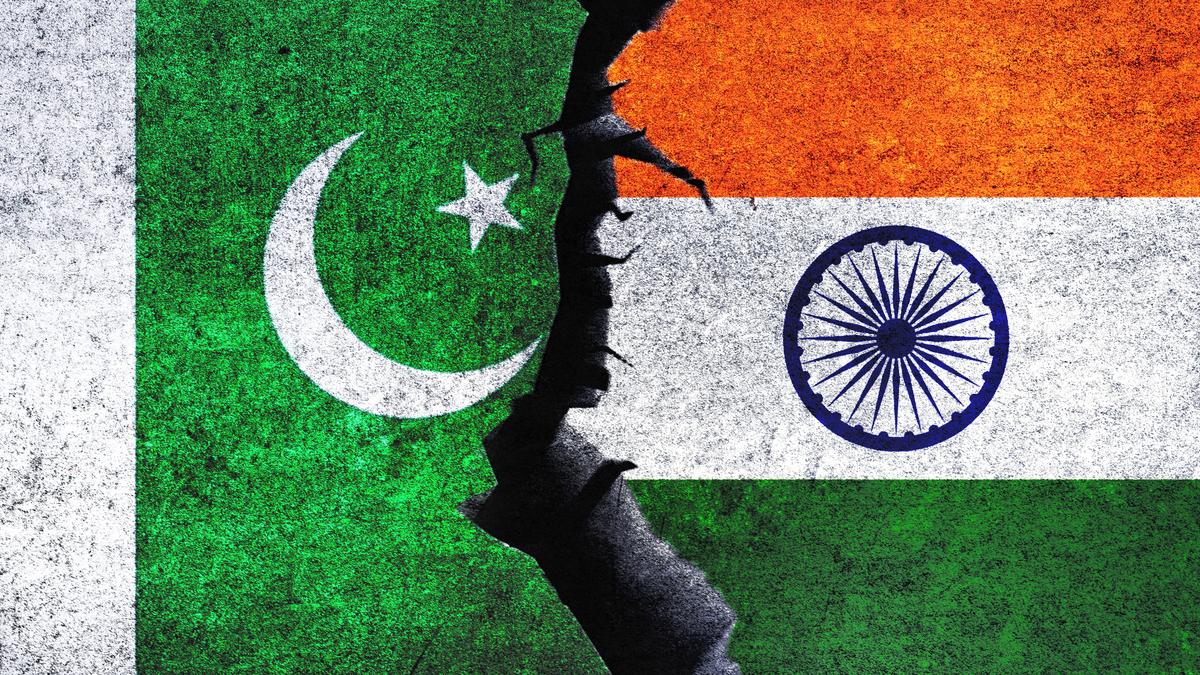
Pakistan Mediator Role: A Strategic Move for India’s Energy Security
Pakistan’s mediator role in the ongoing tensions surrounding the Iran war has drawn mixed responses, particularly from India, where some are expressing their discomfort. Despite these sentiments, it’s essential to recognize that any diplomatic effort aimed at reducing conflict benefits all parties involved. The importance of fostering stable India-Pakistan relations, especially in the context of energy security for India, cannot be overstated. Recent discussions between the US and Iran, potentially facilitated by Pakistan, highlight the nation’s strategic position in international diplomacy. By evaluating outcomes rather than optics, India may find that an effective mediation process, regardless of the mediator’s identity, aligns with its core interests in securing affordable energy supplies.
The complex dynamics of international relations often see nations stepping into the role of intermediaries to help mitigate conflict, as evidenced by Pakistan’s current involvement in discussions related to the Iran war. As this dialogue unfolds, it can be reframed as a crucial moment for diplomatic engagement, where reducing tensions among major powers is essential. India’s strategic energy needs and larger geopolitical interests can benefit greatly from any successful mediation efforts. Thus, viewing Pakistan’s role not as a threat but as an ally in the pursuit of peace allows for a clearer understanding of the prevailing global landscape. Ultimately, the focus should remain on ensuring that diplomatic channels are utilized effectively to foster stability and economic growth.
Understanding Pakistan’s Mediator Role in International Diplomacy
The role of Pakistan as a mediator in the ongoing Iran war has raised eyebrows, particularly in India, where skepticism about Islamabad’s intentions is prevalent. However, it is crucial to recognize that mediation in international diplomacy often transcends national rivalries and is primarily about achieving stability in a tumultuous region. As both Iran and the United States grapple with their interests and disagreements, Pakistan’s position as a facilitator of dialogue should be seen as a pragmatic approach to fostering peace rather than a threat to India’s sovereignty or stature in global affairs.
In essence, mediation is a delicate art that requires finesse and an understanding of the nuanced relationships between powerful states. Pakistan’s involvement reflects its historical role as a key player in South Asian geopolitics, navigating complex interactions not only between the US and Iran but also among other major nations. While India may feel uneasy about Pakistan’s newfound diplomatic relevance, it is essential for New Delhi to focus on the broader implications of such engagements, considering the potential benefits of reduced tensions and stabilized energy markets in the region.
The Impact of Energy Security on India-Pakistan Relations
Energy security remains a pivotal concern for India, particularly as it relies heavily on imported hydrocarbons for its economic growth. In this context, any initiative that aims to facilitate a ceasefire or establish peaceful negotiations in oil-producing regions is not merely an abstract political exercise; it directly impacts India’s energy supply and prices. As Pakistan plays the mediator in the Iran war, India must adopt a strategic lens to view this situation, understanding that stability in one part of the world can lead to favorable conditions at home. As a nation increasingly sensitive to energy dynamics, India stands to gain from Pakistan’s mediation efforts.
Moreover, the anxiety surrounding Pakistan’s role can be mitigated by acknowledging that diplomacy ultimately seeks to bolster national interests. India’s economic journey can only benefit from a reduction in geopolitical risks associated with energy imports. Consequently, rather than viewing Pakistan’s mediation as a challenge to its own position, India can recognize it as part of a broader framework of international diplomacy that aligns with its energy security needs. Engaging constructively with the outcomes of such mediation, irrespective of the mediator, allows India to position itself strategically in regional and global energy conversations.
Navigating the Complex Landscape of International Diplomacy
International diplomacy often requires nations to play unexpected roles, and Pakistan’s engagement as a mediator between the US and Iran exemplifies this dynamic. Despite its historical tensions with India, Pakistan’s willingness to act as a communication channel reflects a pragmatic understanding of shifting geopolitical landscapes. This flexibility in diplomacy is essential, as stability in the Middle East has cascading effects on global markets, especially concerning energy security. For India, understanding this complex landscape and the motivations driving Pakistan’s actions is vital for crafting its foreign policy.
Additionally, the evolving context of international diplomacy, where economic interests often overshadow historical grievances, underscores the need for India to reassess its perceptions. As a burgeoning economy, India is positioned to take a longer view on diplomatic endeavors rather than get bogged down by regional rivalries. Recognizing that engagement, even from unexpected players like Pakistan, can lead to favorable outcomes is necessary for India’s continued economic growth and energy security. Ultimately, such a mindset encourages collaborative approaches to resolving conflicts, thereby enhancing regional stability.
The Future of US-Iran Relations Through Mediation
The potential for US-Iran talks, facilitated by Pakistan, presents a unique opportunity for diplomatic engagement that could reshape the geopolitical landscape in South Asia. As both nations navigate a fraught relationship, the involvement of a third-party mediator is crucial in breaking down communication barriers. The uncertain outcome of these talks highlights the importance of mediation in achieving tangible results, particularly for a nation like India, which closely monitors developments in its neighboring regions. By understanding the stakes, India can better position itself in the dialogue and ensure that its energy security is prioritized.
Moreover, the prospect of stabilized relations between the US and Iran through mediation holds significant implications for energy supplies and geopolitical alignments. For India, a positive shift in this dynamic could offer not only stable oil prices but also solidify its strategic partnerships with the US. As a nation deeply invested in international diplomacy, India can utilize the outcomes of Pakistan’s mediation roles to its advantage. By aligning its foreign policy with broader energy security goals, India positions itself as a consequential actor in regional politics, able to influence outcomes that matter most to its economic interests.
Perceptions and Realities in International Mediation
Perception management plays a critical role in international mediation, as countries often react emotionally to the identities of mediators rather than the outcomes of negotiations. For India, Pakistan’s involvement in mediating the Iran war may evoke feelings of unease, prompting a reevaluation of how diplomacy is perceived. However, the critical takeaway is that successful mediation can lead to stability, which ultimately benefits all parties involved, including India. By shifting the focus from the identity of the mediator to the effectiveness of their mediation, India can embrace a more pragmatic approach to international diplomacy.
This shift in perspective underscores the importance of evaluating diplomatic actions based on their potential to produce favorable outcomes rather than historical animosities. As Pakistan attempts to navigate its role as a facilitator, the onus is on India to recognize and engage with the inherent advantages of these diplomatic efforts. In doing so, India not only secures its energy interests but also plays a proactive role in shaping regional stability, recognizing that emotion and rivalry should not eclipse the broader priorities of national interest.
Long-term Gains Over Short-term Rivalries
India’s position in the complex web of international diplomacy requires a nuanced understanding of priorities beyond immediate regional rivalries. Instead of perceiving Pakistan’s mediation efforts as a challenge, India can choose to view them as aligned with its long-term interests, especially concerning energy security. The ongoing Iran war has implications for global oil supplies, making it critical for India to support any diplomatic initiative that can lead to greater stability and lower prices. By looking past historical grievances, India can focus on building a collaborative approach to energy diplomacy.
Moreover, adopting a long-term perspective allows India to strategize in a way that reinforces its growing position on the global stage. Rather than being reactive to Pakistan’s maneuvers, India can proactively engage with international players to ensure its needs are met. This strategic foresight mirrors the way test cricket is played—sensible, patient, and focused on sustainable gains. As such, the emphasis should be on fostering an environment where diplomatic engagements yield positive results for energy security and thereby contribute to India’s overarching economic growth.
The Role of Historical Context in Current Diplomacy
History plays a significant role in shaping perceptions of diplomatic relations. Pakistan’s past involvement in notable geopolitical maneuvers, such as the Nixon-Mao engagements, highlights its long-standing experience in mediation. Understanding this context helps clarify why Pakistan may be chosen as a mediator between the US and Iran today. While countries are often defined by past conflicts, their contemporary roles can evolve based on the necessities of the current geopolitical climate, particularly in areas as essential as energy supply and security.
This historical lens is crucial for India as it navigates its foreign relations. Recognizing Pakistan’s attempts to position itself as a useful intermediary can help India appreciate the fluid dynamics of international diplomacy. Instead of feeling threatened, India should consider leveraging insights from historical patterns to formulate a response that prioritizes its energy needs. By acknowledging that diplomacy is an ever-evolving landscape, India can partake actively in shaping its energy security narrative, which is essential for its growth as a regional leader.
Redefining National Interests in a Multi-faceted World
In the globalized world, national interests are inherently intertwined with the dynamics of international diplomacy, as evident in the ongoing situation with Iran. India’s economic imperatives necessitate a reevaluation of how it perceives roles played by other countries, including Pakistan. As energy security remains a cornerstone of India’s growth, the focus should be on the outcomes of mediation efforts rather than the identities of those facilitating them. Emphasizing outcomes helps in redefining India’s approach to foreign partnerships, allowing it to prioritize pragmatic solutions.
Additionally, embracing a multi-faceted definition of national interest can aid India in navigating complex geopolitical terrains. By focusing on practical benefits—such as stable energy supplies and reduced tensions—India can enhance its diplomatic strategy. Recognizing the importance of collaboration, even with unexpected partners like Pakistan, allows India to build alliances that support its economic resilience. It champions the notion that cooperation is within reach, often leading to shared success in achieving core national goals, particularly in the realm of energy security.
The Importance of Rationality Over Emotion in Foreign Policy
In the field of international relations, emotional reactions often overshadow rational decision-making, particularly in traditionally adversarial contexts such as India-Pakistan relations. The concern over Pakistan’s mediation in the Iran war highlights how emotion can cloud judgment. However, a rational approach to foreign policy emphasizes the significance of measured responses that focus on national interests over historical grievances. For India, understanding that stability fostered through mediation can lead to beneficial outcomes is crucial in avoiding unnecessary tension and fostering a collaborative environment.
Emphasizing rationality in diplomatic decision-making allows nations to prioritize economic growth and stability over pride or rivalry. For India, this means engaging with the realities of international diplomacy in a way that reinforces its strategic objectives, particularly regarding energy security. Rather than allowing emotions to dictate responses, a logical approach promotes a more effective engagement with diverse actors on the global stage, ultimately benefiting India’s economic well-being. Such an attitude encourages a diplomatic culture that values cooperation, stability, and long-term development.
Frequently Asked Questions
What is the significance of Pakistan’s mediator role in India Pakistan relations amid the Iran war?
Pakistan’s mediator role in the Iran war highlights its strategic position in international diplomacy, particularly in mediating between significant powers like the US and Iran. By facilitating dialogue, Pakistan can help reduce conflicts that also affect India, especially considering India’s dependence on energy imports. This mediation can have indirect benefits for India, enhancing energy security and promoting regional stability. Understanding Pakistan’s role in this context is crucial for India, as stable oil supplies and geopolitical peace are vital for India’s economic growth.
| Key Point | Explanation |
|---|---|
| Pakistan’s Mediator Role | Pakistan is serving as an intermediary between the US and Iran in the ongoing conflict, which is a critical diplomatic function. |
| Importance of Ceasefire | Despite ongoing clashes, efforts for a ceasefire are essential, and Pakistan’s mediation is aimed at achieving this. |
| Economic Considerations for India | Reducing conflict leads to stable oil prices, which benefits India’s economy as a major oil importer. |
| Perception vs. Reality | India’s discomfort with Pakistan’s role reflects deeper political perceptions rather than the actual benefits of mediation. |
| Historical Context | Pakistan has a history of mediating between significant global actors, leveraging its position for relevance. |
| Diplomatic Approaches | India’s approach is more independent and resilient, focusing on long-term gains rather than quick solutions. |
| Outcome-oriented Diplomacy | The effectiveness of mediation should be prioritized over the identity of the mediator for India’s national interests. |
Summary
The role of Pakistan as a mediator in the current geopolitical landscape, particularly in the context of the Iran war, underscores the complexities of international relations. While some may perceive Pakistan’s involvement as a point of discomfort for India, it is crucial to recognize that the ultimate goal of diplomacy is the resolution of conflict. Ensuring a stable flow of energy resources is paramount for India, and acknowledging the benefits of Pakistan’s mediation can lead to a pragmatic approach that prioritizes national interests over rivalries. In summary, while emotions may cloud perceptions about Pakistan’s role, the situation demands a more logical analysis focused on outcomes that foster regional stability.