11
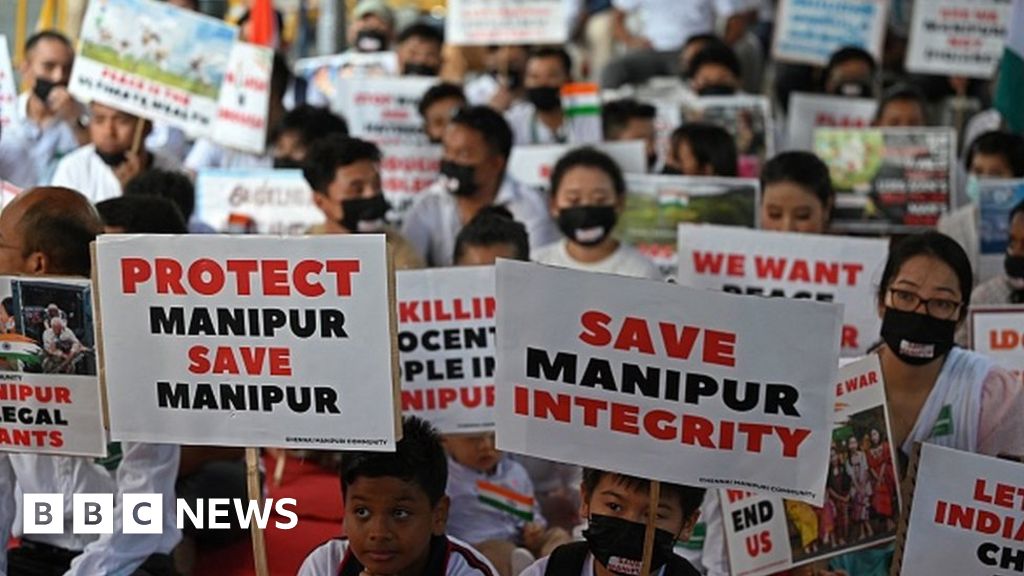
11The recent discussions surrounding Aizawl capital relocation have stirred considerable debate among locals, particularly with the Mizo National Front’s (MNF) claims regarding plans by the Lalduhoma government. During a rally for the upcoming Aizawl Municipal Corporation elections, MNF youth leader Robert Romawia Royte voiced concerns over the Chief Minister’s intentions to move the state capital from Aizawl to Thenzawl. This proposed shift, he argued, would not only disrespect Aizawl’s residents but also require open discussions with NGOs and churches. As the government seeks to decongest Aizawl and establish a new ‘peace city’ in Thenzawl, skepticism remains about the actual benefits of such a decision for the citizens. With rising tensions surrounding this issue, it is crucial to consider how Aizawl’s future as the capital city will impact local governance and community identity.
The concept of relocating the administrative center from Aizawl, the current state capital, to Thenzawl has raised numerous questions and concerns among the populace. Known for its vibrant culture and political significance, Aizawl faces the potential loss of its status amidst claims from the MNF regarding the Lalduhoma government’s plans. As discussions unfold, the implications of shifting the seat of power extend beyond geographical changes, touching upon governance effectiveness and regional planning. The idea of creating a ‘peace city’ in Thenzawl reflects a broader strategy to alleviate congestion in Aizawl, but may also lead to disarray in municipal affairs, especially with upcoming Aizawl Municipal Corporation elections on the horizon. Understanding these dynamics will be essential for residents as they navigate the future of their city and its role within the state.
The recent claim by the Mizo National Front (MNF) regarding the potential relocation of the state capital from Aizawl to Thenzawl has sparked a significant political discourse in Mizoram. MNF leaders, particularly Robert Romawia Royte, have accused the Lalduhoma government of insidiously planning this transition without proper consultations with the residents and local organizations. The proposed move aims to shift the administrative seat of power to Thenzawl, a decision that many believe requires more dialogue with key stakeholders, including non-governmental organizations and religious institutions.
This discussion surrounding the capital relocation is not merely about geography; it encompasses the identity and governance of the region. Royte emphasized that downgrading Aizawl’s significance could have far-reaching implications for the socio-economic fabric of the city. As Aizawl has been the capital since the state’s formation, the idea of shifting it raises questions about development priorities and the long-term vision for regional growth and urban planning.
The upcoming Aizawl Municipal Corporation elections are at the forefront of the political landscape in Mizoram. The turbulence created by the proposed capital shift has reportedly become a focal point of debate among local leaders. Robert Romawia Royte’s statements regarding the intentions of the Chief Minister, particularly concerning the ideological stance of the ZPM (Zoram People’s Movement), have shed light on a deeper conflict regarding urban development and governance priorities. This election will not only determine the municipal leadership but also reflect public sentiment towards government proposals.
With the backdrop of potential capital relocation, these elections could serve as a referendum on the government’s approach to urban management in Aizawl. Voters are likely to reflect on how the candidates plan to address pressing issues such as congestion and resource allocation in the city. The implications of decisions made during this electoral period could resonate well beyond local governance, influencing the overall trajectory of Mizoram’s administrative landscape.
Accusations against Chief Minister Lalduhoma regarding the potential downgrading of Aizawl’s capital status are becoming increasingly vocal. Critics, particularly from the MNF, argue that his government is neglecting the needs of Aizawl residents by moving towards plans that favor Thenzawl for future developments. Former sports minister Royte voiced concerns about statements by other ZPM leaders, indicating a collective disdain for further developments in Aizawl, which he describes as a direct insult to the city’s inhabitants and heritage.
Such claims reflect a larger narrative about the preservation of urban identity and infrastructure in Aizawl. Many residents express apprehension about their needs being sidelined as the government explores plans for establishing a peace city in Thenzawl. The successful bid for the Aizawl Municipal Corporation leadership will hinge on how candidates articulate their vision for Aizawl amidst such proposals.
Local governance plays a crucial role in managing urban development, particularly in a city like Aizawl that faces challenges related to population growth and infrastructure demands. The Aizawl Municipal Corporation elections are an opportunity for emerging leaders to outline strategies that align with the residents’ desires for necessary enhancements in their community. As the state faces discussions of relocating the capital, the governance model adopted by the local body will need to prioritize both the aspirations of citizens and sustainable development practices.
Moreover, with the government’s focus on decongesting Aizawl by potentially spreading administrative functions to a new city like Thenzawl, the responsibilities of local governance extend into adaptive planning and resource management strategies. Engaging with citizens to develop participatory approaches will be essential if they are to navigate the challenges posed by urbanization while respecting the existing historical significance of Aizawl.
Community sentiment in Aizawl regarding the potential relocation of the capital is marked by a mix of skepticism and advocacy for open dialogue. Many citizens view the proposition as misguided and are calling for consultations that include broader participation from civil society organizations and local leaders. By voicing their concerns, residents express a strong attachment to their city, highlighting the need for the government to respect Aizawl’s historical and emotional significance.
Further complicating this situation is the response from local NGOs and church groups who feel that any significant transition should not only consider logistical aspects but also cultural implications. They advocate for strengthened community engagement in decisions that could drastically alter the living landscape and identity of Aizawl, insisting on accountability from the government.
The concept of building a ‘peace city’ in Thenzawl has gained traction among government officials, described as a visionary project intended to accommodate large populations and alleviate congestion in Aizawl. The Lalduhoma administration argues that creating this new urban center will foster development, housing opportunities, and enhance infrastructure viability. However, for it to be embraced by the community, the vision must be meticulously planned, prioritizing environmental sustainability and resident welfare.
This ‘peace city’ vision, while ambitious, also raises pressing questions about how it will be executed alongside existing urban centers like Aizawl. Urban planners, government officials, and the public must engage in comprehensive discussions to ensure that development strategies do not inadvertently overshadow established cities but rather promote a balanced urban ecosystem across the state.
Shifting administrative power from Aizawl to Thenzawl could have sweeping implications for regional governance structures. Opponents of the move fear that a reduction in Aizawl’s status could lead to decreased investment in infrastructure and public services. They argue that this shift might marginalize Aizawl in favor of promoting Thenzawl, which could jeopardize the socio-economic well-being of Aizawl’s inhabitants.
Moreover, with notable figures from the MNF expressing their dissent, the perception of governance in Aizawl could be significantly altered. Increased tensions between the government and the municipality may arise, calling for serious reflection on the region’s equitable development and ensuring that citizens’ needs are met through effective political representation.
The debate surrounding the potential relocation of Mizoram’s capital reflects broader themes in urban development—balancing growth with preservation. As state leaders advocate for new urban centers while recognizing the heritage of cities like Aizawl, the need for strategies that prioritize smart growth becomes undeniable. Sustaining Aizawl as a vital cultural and administrative hub while carefully planning Thenzawl’s development will be key to future success.
Additionally, stakeholders must address how to manage urban sprawl, environmental impacts, and community services effectively. The solutions forged in these discussions will not only dictate the future landscape of Aizawl but potentially influence urbanization processes elsewhere in Mizoram, creating templates relevant to similar demographic and socio-economic challenges.
Effective governance hinges on active citizen participation and community engagement, particularly during times of proposed change. In light of the recent discussions about the capital relocation, local leaders must prioritize fostering dialogue with residents, NGOs, and other stakeholders. By creating platforms for conversation, the government can alleviate concerns and assemble a coalition of voices that advocate for collective interests.
This engagement process can synergistically reinforce support for urban initiatives and sustainability efforts. As communities are invited to contribute their insights and suggestions on managing urban challenges, they will feel more invested in the outcomes, thereby shaping an Aizawl that reflects the aspirations and needs of its people.
The Aizawl capital relocation proposal involves transferring the state capital from Aizawl to Thenzawl, as suggested by the Mizo National Front (MNF). The Chief Minister, Lalduhoma, reportedly plans to secure funding for this transition to decongest Aizawl and establish a ‘peace city’ in Thenzawl.
The Mizo National Front (MNF) has strongly opposed the Aizawl capital relocation plan, alleging that it disrespects Aizawl’s residents. MNF leaders argue that any shifts in the seat of power should involve consultations with local NGOs and communities.
Relocating the state capital from Aizawl to Thenzawl could significantly impact local governance, citizen engagement, and infrastructure development. The MNF believes this move would downgrade Aizawl’s status and suggest that the local government is unfit for managing the Aizawl Municipal Corporation.
The government aims to decongest Aizawl to accommodate a growing population and improve livability. The plan includes establishing a new ‘peace city’ near Thenzawl, which is intended to host up to 1.5 million people, easing pressure on Aizawl’s resources and infrastructure.
Challenges of the Aizawl capital relocation may include resistance from local residents, logistical issues in establishing new infrastructure in Thenzawl, and the need for substantial funding. Furthermore, unresolved local sentiments could lead to political instability and opposition during Aizawl Municipal Corporation elections.
While the MNF has claimed that Chief Minister Lalduhoma is pursuing the Aizawl capital relocation to Thenzawl, he has dismissed these claims, emphasizing the development of a new city rather than a capital shift. Clarity on his long-term intentions remains critical for the residents of Aizawl.
The Aizawl Municipal Corporation elections are closely tied to the discussions on capital relocation as candidates, especially from the MNF, are using the proposed shift to highlight governance issues. The debate influences voters’ opinions about the current administration’s commitment to Aizawl’s development.
| Key Point | Details |
|---|---|
| MNF Claims Capital Relocation | The Mizo National Front (MNF) claims that the Lalduhoma government is planning to move the state capital from Aizawl to Thenzawl. |
| Chief Minister’s Statements | Chief Minister Lalduhoma has dismissed claims of the relocation, emphasizing the establishment of a ‘peace city’ in Thenzawl. |
| Concerns Raised by MNF | MNF youth wing president Robert Romawia Royte criticized the Chief Minister for not consulting NGOs and churches regarding the relocation. |
| Responses from ZPM Leaders | ZPM leaders have shown intentions to downgrade Aizawl’s status, with indications of reluctance towards further development. |
Aizawl capital relocation has become a contentious issue, with claims and counterclaims between political parties. The Mizo National Front (MNF) has raised concerns over the alleged plans of the Lalduhoma government to shift the capital to Thenzawl. This proposed shift has drawn significant attention and criticism, particularly regarding the lack of consultation with local stakeholders. Meanwhile, the Chief Minister has denied these claims, focusing on proposals for developing Thenzawl into a new urban center to alleviate Aizawl’s congestion. The ongoing debate reflects broader concerns about political power dynamics and urban development in Mizoram.