

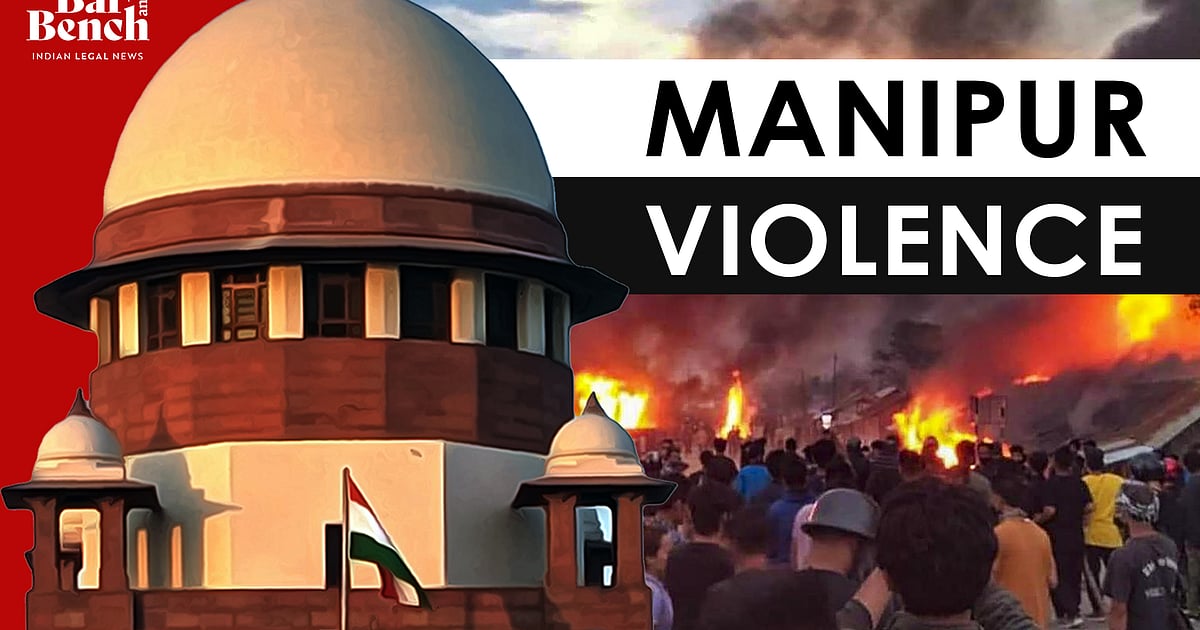
The ongoing Manipur protests are a vivid reflection of the escalating tensions in the region, ignited by the tragic deaths of two children during a violent incident attributed to Kuki insurgents. Since April 2023, the Meitei community has taken to the streets, staging demonstrations that feature road blockades and passionate candlelit vigils, all demanding justice for Toronglaobi, the village where the attack occurred. As public outrage grows, with protesters chanting slogans to expel perceived threats and protect their community, attempts by the state to maintain order have led to internet suspensions and clashes with security forces. The Guwahati demonstrations signal not just local anger but resonate with larger issues of safety and accountability in a region plagued by historical ethnic strife. As the Manipur violence unfolds, the cries for justice continue to echo, putting significant pressure on local authorities to respond to the demands of a grieving populace.
The recent upheaval in Manipur, marked by intense public demonstrations and civil unrest, highlights a critical juncture for the Meitei community. Rising from the aftermath of a violent incident that claimed innocent lives, these protests reveal deeper societal fractures involving ethnic groups, particularly against the backdrop of Kuki insurgents’ actions. With calls for justice reverberating through protests such as ‘Justice for Toronglaobi,’ the movement showcases the community’s frustrations and their urgent pleas for protection and recognition. Local leaders and organizations are rallying support, reminiscent of previous movements like the Guwahati demonstrations, which sought accountability and change in governance. As unrest continues, the implications of this civil discourse could reshape the sociopolitical landscape of the region.
Background of Manipur Protests
The ongoing unrest in Manipur can be traced back to tragic events on April 7, 2023, when the lives of two innocent children were taken in a bomb attack attributed to Kuki insurgents in Bishnupur district. Such incidents have fueled widespread anger amongst the Meitei community, leading to significant protests, road blockades, and demonstrations throughout the valley regions. Residents, armed with traditional symbols of protest, are rallying for justice, highlighting the pressing issues of safety and security in their neighborhoods.
In the wake of these bombings, there has been a renewed sense of urgency among the Valley’s inhabitants to voice their concerns against the backdrop of governmental inaction. The phrase ‘Justice for Toronglaobi’ has resonated strongly during protests, serving as both a rallying cry for the affected families and an indictment of governmental inefficiency. As violence continues to escalate, calls for accountability and protection grow louder among the demonstrators, further complicating the already tense situation in the region.
The Role of Women in the Meitei Protests
The recent demonstrations in Manipur have seen a significant participation from women, who have taken charge in expressing their grievances and demands for justice. Torchlight rallies, which are steeped in tradition, have become a powerful symbol of the women’s resilience and their commitment to fighting for their community’s rights. These events not only underscore the strength of the Meitei women’s voice but also highlight the critical role they play in communal mobilization and awareness.
As they march through the streets demanding safety and justice, women are bringing attention to the larger narrative of violence faced by the Meitei community at the hands of insurgent groups. Their active participation reinforces the community’s collective sorrow and determination and serves to draw national attention to the realities on the ground. Amid calls for justice for the young victims, the presence of these women adds a poignant layer to the ongoing protests, reminding society that the impact of violence touches families deeply.
Women have become vocal advocates in demanding that the government takes significant action against Kuki insurgents. This assertion is imperative, as they address the pervasive insecurity influencing their daily lives and future generations.
With expressions of solidarity and organized mass actions, the women’s involvement in the protests also amplifies the message that the Meitei community will not shy away from demanding their rights, effectively altering the landscape of protest in Manipur.
Impact of Kuki Insurgents on Manipur’s Stability
Kuki insurgents have significantly influenced the stability of Manipur, especially in the context of ethnic tensions that have surfaced in recent months. The April 2023 violence marked a disturbing chapter in the ongoing strife between the Meitei and Kuki communities, where insurgent actions have resulted in devastating losses of life and community trust. The ramifications of these attacks extend beyond immediate casualties, disrupting the social fabric of the region and pushing community members towards heightened activism for their safety.
The government’s inability to reliably secure the area against such insurgent actions has led to rising frustration amongst the Meitei population, spurring protests that demand not just justice for the victims but also more robust protective measures from the local and federal governments. The demand for the abrogation of agreements allowing Kuki insurgents a lenient status reflects a growing unease with how peace negotiations have been handled, leading to a call for re-evaluating the socio-political landscape of Manipur.
Ongoing Government Response to the Crisis
The government’s response to the Manipur protests and the escalating violence has come under heavy scrutiny. The State Police’s arrest of three members of the United Kuki National Army (UKNA) indicated a step towards accountability but also highlighted the complexity of addressing insurgency effectively. Protesters and critics argue that governmental actions have been largely reactive rather than proactive, resulting in additional anger among communities demanding faster and more comprehensive interventions.
Authorities have struggled with maintaining order, repeatedly enforcing internet blackouts in attempts to quell misinformation and further violence. This tactic, however, has exacerbated tensions; residents argue it stifles communication and civic engagement. The Meitei community’s insistence on implementing comprehensive security reforms illustrates a widespread desire for tangible governmental action that prioritizes citizen safety above political negotiations with insurgent groups.
Broader Implications of the Manipur Violence
The violence that unfolded in April 2023 has far-reaching implications not only for Manipur but also for Northeast India’s social fabric. The inter-communal tension between the Kuki and Meitei communities poses serious questions concerning ethnic relations, governance, and the efficacy of peacekeeping measures. It prompts a reevaluation of historical grievances and potential paths toward reconciliation, emphasizing the need for inclusive dialogue and community representation.
Furthermore, the unrest in Manipur can serve as a case study for understanding broader patterns of ethnic conflict in India. The demands for justice, the call for an efficient National Register of Citizens, and the underlying frustrations reflect the precarious balance of power in regions with diverse ethnic identities. Addressing these concerns through peaceful means becomes paramount to securing long-term stability and preventing similar escalations in the future.
Community Resilience Amidst Adversity
Amidst the turmoil, the resilience of the Meitei community stands out. From organized protests to collective mourning for the children who lost their lives, community members are rallying together, showcasing an unprecedented level of unity in their fight against perceived injustice. This spirit of resilience is not only necessary for demanding accountability but also fundamentally important for healing and rebuilding trust within the affected communities.
Engagement in peaceful protests, propelled by communal solidarity and shared values, underscores the community’s determination to have their voices heard. Such actions send a clear message to the powers that be that the Meitei people will not remain passive amid violence and threats; they seek justice, security, and recognition of their rights as citizens. Through the ongoing unrest, there lies a profound potential for community action to drive social change and cultivate an environment where diverse voices can coexist harmoniously.
The Role of Media in Shaping Public Opinion
In times of heightened conflict such as the Manipur protests, media plays a crucial role in shaping public perceptions and influencing governmental responses. Coverage of events, particularly the tragic deaths in Toronglaobi, has amplified the voices of those calling for justice and brought attention to the dichotomy of experiences faced by different ethnic communities in Manipur. The framing of narratives around such incidents is essential in guiding the discourse on how authorities manage crises involving ethnic tensions.
Moreover, social media platforms have transformed the way protests are organized and communicated, allowing for more instantaneous mobilization and information sharing among communities. The messages circulating through these platforms about the need for ‘Justice for Toronglaobi’ and the calls to ‘Stop Proxy War’ reflect a growing urgency among citizens to utilize these tools for advocacy and awareness, increasing the stakes for those in power.
Demands for Accountability and Justice
The protests in Manipur are not only fueled by grief over lost lives but also encompass a broader demand for accountability and justice for all victims of violence in the region. Protesters have consistently highlighted the government’s failure to protect civilians and address insurgent threats effectively. The impact of these sentiments is felt deeply in the community, as demands for justice echo in public squares and social media, urging authorities to take immediate, tangible actions to ensure the safety of all residents.
The call for the implementation of the National Register of Citizens (NRC) underscores the desire for a more structured approach to identity verification and community demographics, aiming to address insecurities surrounding citizenship and representation. By pushing for these systemic changes, the Meitei community are asserting their rights and advocating for a future that encompasses security, dignity, and respect amidst the ongoing challenges posed by insurgency and ethnic conflict.
Guwahati’s Demonstrations: A Supportive Landscape
The protests in Guwahati have acted as a vital extension of the Meitei protests unfolding in Manipur. With demonstrators gathering in large numbers, the city has become a microcosm of the wider unrest, highlighting the shared grievances of communities affected by violence. The strong visual presence of torchlight rallies and resonating chants for justice signify solidarity, not just for those directly affected but for the collective struggles against systemic inequities.
Guwahati demonstrations contribute to the national conversation about peace and justice in Manipur, serving as important gatherings where community members express their discontent while calling for immediate action. These public displays empower the voices of those in Manipur, amplifying their issues and garnering support from a broader audience that may not have initially recognized the severity of the crisis faced by the Meitei community.
Frequently Asked Questions
What are the main causes of the Manipur protests in 2023?
The Manipur protests in 2023 were primarily triggered by the deaths of two children in a suspected bomb attack attributed to Kuki insurgents in Toroglaobi village. The ongoing unrest has also been fueled by long-standing grievances within the Meitei community regarding security and political representation, escalating frustrations over perceived government inaction.
How have the Meitei protests evolved since April 2023?
Since April 2023, the Meitei protests have intensified, characterized by road blockades, daytime demonstrations, and torchlight rallies. These protests highlight community demands for justice following the tragic deaths in Toroglaobi and express anger towards Kuki insurgents, with slogans such as “Justice for Toronglaobi” becoming a rallying cry for the Meitei people.
What role did Kuki insurgents play in the recent Manipur violence?
Kuki insurgents have been implicated in the recent Manipur violence, particularly in the tragic incident that led to the deaths of two children on April 7, 2023. The local community, particularly the Meiteis, have accused Kuki groups of perpetrating violence and are calling for action against them amid ongoing protests.
What happened during the Guwahati demonstrations related to the Manipur protests?
The Guwahati demonstrations have been a show of solidarity with the Meitei community, featuring women marching with torchlights and expressing outrage over the government’s failure to protect civilians from violence linked to Kuki insurgents. These demonstrations aim to raise awareness and support for those affected by the Manipur crisis.
What are protesters demanding in response to the Manipur violence in April 2023?
Protesters in Manipur are demanding justice for the victims of violence, particularly the children from Toroglaobi, and are calling for immediate action against Kuki insurgents. They are also advocating for the implementation of the National Register of Citizens (NRC) to address illegal immigration issues in Manipur, emphasizing security for the Meitei community.
Have authorities taken any action against Kuki insurgents amid the unrest in Manipur?
Yes, authorities have arrested members of the United Kuki National Army (UKNA) in connection with the violence resulting from the April 2023 incident. However, the UKNA has denied these accusations, illustrating the complexity of the situation and the ongoing tensions between communities.
How has the government responded to the increasing unrest from the Meitei protests?
In response to the escalating unrest from the Meitei protests, the government has suspended internet services multiple times to curb the spread of information and control the situation. However, the effectiveness of these measures is debated as protests continue to grow in intensity.
What slogans are being chanted during the Manipur protests?
During the protests in Manipur, demonstrators have been chanting slogans such as “Justice for Toronglaobi,” “Stop Proxy War,” and “Expel Kuki Narco-terrorists from Manipur,” which reflect the community’s demands for justice and action against perceived threats.
| Key Points |
|---|
| Road blockades and demonstrations have erupted in the Meitei-dominated areas of Manipur since April 7, 2023, sparked by the deaths of two children in a bombing. |
| Anger escalated due to the government’s failure to apprehend those responsible for the bombing. |
| The bomb attack, attributed to Kuki insurgents, occurred in Toroglaobi village, resulting in the tragic deaths of a five-month-old baby and another child. |
| The mother of the deceased children, Oinam Binita, accused the government of failing to protect civilians despite the presence of security forces. |
| Protests intensified, including torchlight rallies demanding justice for the victims and calling out the government for not safeguarding the Meiteis. |
| Protesters chanted slogans for justice and against Kuki insurgents, alongside requests for the implementation of the National Register of Citizens (NRC) in Manipur. |
| The local police have arrested three members of the armed group United Kuki National Army (UKNA), who deny involvement in the bombing. |
Summary
The ongoing Manipur protests have highlighted severe tensions in the region, primarily driven by a recent bomb attack that resulted in the tragic loss of two young children. Protests have escalated due to the perceived failure of the state government to protect civilians and bring those responsible to justice. As episodes of unrest continue, the calls for accountability and justice resonate strongly among the Meitei community, demonstrating the deepening conflict and unrest in Manipur.



























