

Pawan Khera anticipatory bail has become a focal point in the ongoing political controversy Assam, as the Assam government has escalated the matter to the Supreme Court following a favorable ruling from the Telangana High Court. The High Court’s decision granted Congress leader Pawan Khera one week of transit anticipatory bail amidst serious allegations regarding the wife of Chief Minister Himanta Biswa Sarma. This case, rooted in accusations of misrepresentation during the election process, has heightened tensions as Khera prepares to challenge the accusations while adhering to specific anticipatory bail conditions. The Supreme Court’s forthcoming hearing on the Assam government’s appeal could dramatically influence the political landscape and Khera’s legal trajectory. With public interest in the case surging, the implications of the court’s decisions are set to reverberate throughout Indian politics, emphasizing the intricate link between legal proceedings and political narratives.
The situation surrounding the anticipatory bail for Pawan Khera highlights a significant legal and political turning point. Following allegations against a high-profile political figure, Khera found himself needing legal protection from arrest amidst accusations of electoral misconduct involving the Assam Chief Minister’s family. With the Assam government now appealing to the Supreme Court, there is palpable tension as the implications of these legal decisions extend beyond the courtroom and into the public sphere. Meanwhile, the Telangana High Court’s previous ruling provided a window of relief, albeit under strict conditions, allowing Khera to navigate this fraught political landscape. This case not only encapsulates the challenges faced by political leaders under scrutiny but also illustrates the complexities at the intersection of law and politics in contemporary India.
Pawan Khera’s Anticipatory Bail: A Legal Perspective
The legal landscape surrounding Pawan Khera’s anticipatory bail is complex and indicative of the ongoing tensions in Indian politics. After the Telangana High Court granted him a one-week transit anticipatory bail on April 10, the Assam government swiftly appealed against this ruling to the Supreme Court. This development not only highlights the legal maneuvers involved in Khera’s case but also reflects the broader political controversy that has enveloped Assam’s governance. As a Congress leader, Khera’s allegations against Chief Minister Himanta Biswa Sarma’s wife have intensified scrutiny regarding political integrity and transparency in election disclosures.
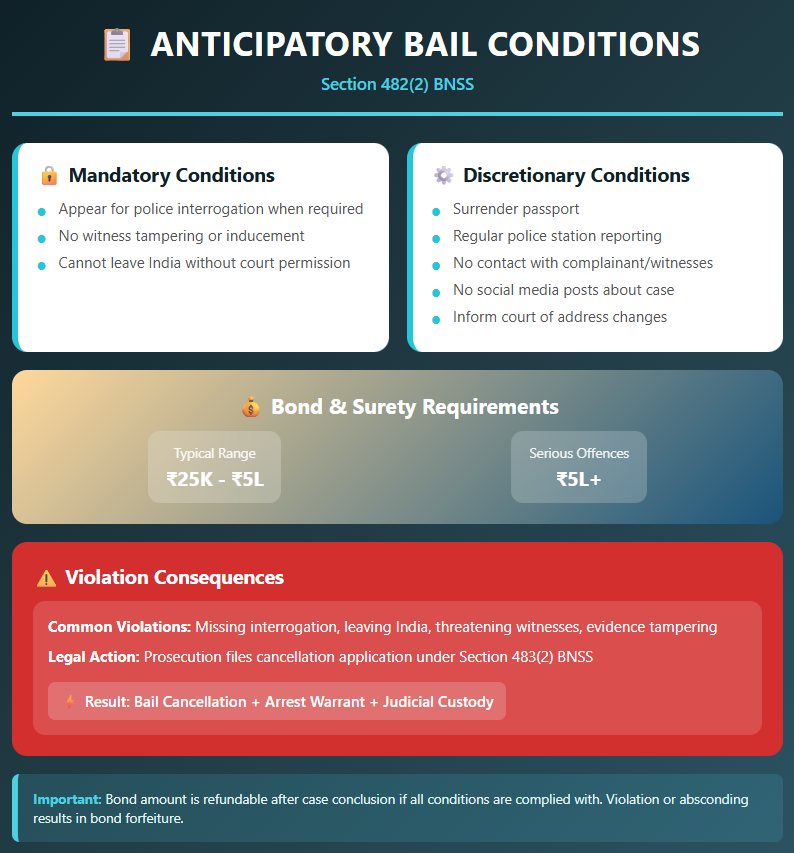
Anticipatory bail, especially in politically charged cases like Khera’s, involves specific conditions aiming to balance individual freedoms with legal accountability. The High Court’s decision emphasized the necessity for Khera to present himself to authorities and cooperate with the investigation, conditions typical in anticipatory bail orders. These stipulations aim to prevent misuse of the bail provision while ensuring the legal process is respected, showing the High Court’s understanding of the tense political backdrop against which this case is unfolding.
The Assam Government’s Supreme Court Appeal Explained
The Assam government’s decision to appeal to the Supreme Court against the Telangana High Court’s ruling is rooted in the belief that the initial bail granted to Pawan Khera undermines the gravity of the accusations he faces. The government argues that Khera’s claims about the Chief Minister’s wife, which involve serious implications of financial and ethical misconduct, warrant closer scrutiny and a potentially more stringent bail regime. They contend that such allegations could influence the electoral processes and public perception, particularly with the upcoming elections in Assam.
This appeal reflects ongoing tensions between state governments and political opposition, particularly during crucial electoral periods. The case raises broader questions about the use of legal mechanisms in political battles, where allegations and counter-allegations can often spin into widespread media narratives. It’s a reminder of the challenges faced by the judiciary in maintaining neutrality amidst political controversies and ensuring justice is served without undue influence from political entities.
Political Controversy in Assam: The Implications of the Khera Case
The controversy surrounding Pawan Khera in Assam has wider implications, particularly as it intertwines with the integrity of political discourse during election season. The allegations against the Chief Minister’s wife intensity the scrutiny on the Assam government’s operations and the ethical standards of its leaders. With Khera directly accusing Riniki Bhuyan Sarma of undisclosed foreign assets, this situation escalates from mere political rivalry to potential legal breaches, altering how political leaders engage with their opponents and the public.
This incident exemplifies how clashing political narratives can fuel both public interest and skepticism toward the ruling party, thus shaping the electoral landscape. As the Assam government pursues its appeal, aiming to contest Khera’s claims and credibility, it faces not only the challenge of the legal domain but also the court of public opinion. The fallout from this case could influence upcoming elections significantly, as voters may react not only to the legal judgments but also to the ethical conduct of their leaders.
Key Conditions of Pawan Khera’s Anticipatory Bail
In the context of his anticipatory bail, Pawan Khera is subject to several key conditions designed to ensure compliance with judicial standards while respecting his rights. The High Court mandated that Khera must reach out to the appropriate jurisdiction in Assam for further legal proceedings within a specified timeframe. This requirement underscores the judiciary’s role in balancing individual freedom against the need for a thorough investigation into the serious allegations he faces.
Moreover, the requirement for Khera to execute a personal bond and provide surety reflects the courts’ careful approach to individual liberty. These stipulations help prevent flight risks and ensure that he can be held accountable if investigations lead to further legal action. This encapsulation of anticipatory bail conditions serves as a critical reminder of the necessity for due process in politically charged cases.
Congress Leader Pawan Khera: A Rising Political Figure
Congress leader Pawan Khera has been steadily rising in political prominence, becoming a notable voice within the party amidst the fierce political climate in Assam. His recent accusations against the Chief Minister’s wife have not only thrust him into the spotlight but have also highlighted his willingness to confront established political norms. Khera’s position and influence in Congress reflect a broader strategy to navigate and combat the increasingly competitive political environment.
As a public figure, Khera’s actions and statements are closely monitored, making his legal battles as significant as his political ambitions. This dynamic illustrates the complex interplay between law and politics, especially as allegations can become focal points in elections, swaying public opinion and altering voter sentiment. Whether Khera will emerge unscathed from this conflict will largely depend on both the legal proceedings and the public’s reaction to the unfolding events.
Legal Strategies in Political Cases: Lessons from Khera’s Situation
Pawan Khera’s situation provides valuable lessons in the legal strategies utilized in politically charged cases. From seeking anticipatory bail to navigating the appeal processes, the legal maneuvers undertaken by Khera and his legal counsel are pivotal in dictating the course of his involvement in this matter. Anticipatory bail, especially in cases with significant public and media attention, necessitates careful consideration of the legal framework and potential public backlash.
Moreover, understanding the implications of statements made during ongoing investigations is crucial for political figures. Khera’s option to be cautious in his public discourse is not only a legal necessity but also a strategic one—his legal team must weave through the evidentiary requirements while mitigating risk to his political career. Analyzing Khera’s approach could serve as a pivotal case study for future political figures faced with legal challenges.
Media Coverage and Public Perception of the Khera Case
The media’s portrayal of Pawan Khera’s case significantly shapes public perception, influencing how the electorate views both Khera and the Assam government. In the modern age, where information is rapidly disseminated, the narratives constructed around political figures can sway public opinion, impacting not only individual reputations but also broader political outcomes. Dramatic headlines and focused reporting on Khera’s allegations against the Chief Minister’s wife have created a charged atmosphere that forces voters to confront the ethical implications of their leaders.
As Khera navigates his legal challenges, the narrative constructed by the media may either bolster his standing within Congress or contribute to his political downfall. Understanding the role of media in shaping public discourse around legal issues is crucial, highlighting the necessity for political figures to manage their image effectively amid controversies. This case adds another layer to the discussion of ethics, leadership, and accountability in Indian politics.
The Role of the Judiciary in Political Controversies
The judiciary’s role in political controversies, as seen in the case of Pawan Khera, is vital for ensuring that justice prevails through the murky waters of political rivalry. Courts must balance their commitment to law and order while being sensitive to the political implications of their decisions. Pawan Khera’s anticipatory bail order illustrates this judicial balancing act, addressing the individual rights of the accused while ensuring that ongoing investigations can proceed without hindrance.
This scenario reinforces the importance of an independent judiciary as a counterbalance to political power dynamics. The ruling in Khera’s favor, albeit temporary, highlights the judiciary’s responsibility to uphold the rule of law, setting precedents on how similar cases may be handled in the future. As political controversies rise, the judiciary will continue to play a crucial role in determining the legality of political actions, thus shaping the landscape of democracy in India.
Montioring Khera’s Legal Proceedings: Implications for the Congress Party
The legal proceedings involving Pawan Khera serve as a critical focal point for the Congress party’s strategy in Assam and beyond. As Khera navigates the complexities of his case, the Congress leadership must not only support him legally but also politically, assessing how the case impacts their public image and voter base. The party’s handling of Khera’s situation can either strengthen its position within the state or expose it to vulnerabilities that could be leveraged by political opponents.
Moreover, the outcome of Khera’s case will likely resonate within the party, affecting morale and strategy leading into upcoming elections. An unfavorable ruling could deter other leaders from bold political maneuvers, while a favorable outcome could embolden party members to adopt more aggressive stances against political rivals. The Congress party must remain attuned to the developments in Khera’s case to adapt its approach in real-time, ensuring that decisions taken align with both legal realities and electoral strategies.
Frequently Asked Questions
What is the status of Pawan Khera’s anticipatory bail after the Assam government’s appeal to the Supreme Court?
The Assam government has appealed to the Supreme Court against the Telangana High Court’s ruling that granted Congress leader Pawan Khera a one-week transit anticipatory bail. This case arose from allegations made by Khera against Chief Minister Himanta Biswa Sarma’s wife.
What were the conditions imposed for Pawan Khera’s anticipatory bail?
Pawan Khera’s anticipatory bail was granted with specific conditions, including executing a personal bond of Rs one lakh, providing two sureties, cooperating with the investigation, and not leaving the country without court permission. Additionally, Khera must approach the appropriate court in Assam for further relief.
How did the Telangana High Court justify granting anticipatory bail to Pawan Khera?
The Telangana High Court justified granting Khera’s anticipatory bail by stating that he had established a valid case for limited transit bail and that his fear of arrest was reasonable based on the evidence presented. This ruling was issued on April 10.
What legal actions has Pawan Khera faced that led to the anticipatory bail proceedings?
Pawan Khera faces legal actions filed at the Guwahati Crime Branch Police Station, stemming from accusations against him related to providing alleged false statements about Chief Minister Himanta Biswa Sarma’s wife. These accusations fall under various legal sections, including false statements in relation to an election.
Why is Pawan Khera’s case considered a political controversy in Assam?
Pawan Khera’s allegations against Chief Minister Himanta Biswa Sarma’s wife concerning undisclosed foreign properties and passports have led to significant political controversy in Assam, especially given the timing with the April 9 Assembly elections.
What steps is Pawan Khera required to take following the Telangana High Court ruling on anticipatory bail?
Following the Telangana High Court’s ruling, Pawan Khera is required to approach the appropriate jurisdictional court in Assam within the specified timeline to seek further relief while adhering to the conditions set forth in the bail order.
What implications does the Supreme Court’s decision on the Assam government’s appeal have on Pawan Khera’s anticipatory bail status?
The Supreme Court’s decision on the Assam government’s appeal will ultimately determine whether Pawan Khera’s anticipatory bail remains in effect or if it is revoked, potentially leading to his arrest.
| Key Points |
|---|
| The Assam Government has appealed against Pawan Khera’s anticipatory bail granted by the Telangana High Court. |
| Pawan Khera is a Congress leader accused of making allegations against the Chief Minister’s wife. |
| The High Court provided a one-week transit anticipatory bail to Khera, allowing him time to approach the appropriate court. |
| Conditions of the bail include a personal bond, cooperation with the investigation, and restrictions on leaving the country. |
| Khera’s accusations include allegations of the Chief Minister’s wife possessing undisclosed passports and properties. |
| The case was registered against Khera at the Guwahati Crime Branch Police under several sections of the BNS. |
Summary
Pawan Khera anticipatory bail has attracted significant attention as legal proceedings unfold in connection with allegations made by the Congress leader against Assam Chief Minister Himanta Biswa Sarma’s wife. Following the Telangana High Court’s decision to grant Khera a one-week transit anticipatory bail, the Assam Government’s appeal to the Supreme Court adds complexity to the matter. With specific conditions set by the High Court, Khera’s legal journey highlights the intersection of political discourse and legal scrutiny, particularly in election-related allegations.



























