

Iranian crude tankers play a pivotal role in meeting the global demand for oil, with significant implications for countries like India. Recently, two such vessels successfully docked, delivering substantial quantities of crude oil to the Indian market. The arrival of these tankers not only boosts Indian oil supply but also reflects the ongoing strategic partnership between Iran and India, particularly in the realm of oil imports. As these tankers navigate towards the Odisha coast, they symbolize the complexities of energy delivery and the vital role of maritime logistics in sustaining economies. Indian refiners are keenly observing such deliveries, as they rely heavily on Iranian crude oil to address domestic consumption needs.
The presence of Iranian oil carriers has increasingly reshaped India’s energy landscape, aligning with its growing need for reliable fuel sources. These vessels, essential for transporting crude supplies from the Persian Gulf, highlight India’s strategic focus on diversifying its energy imports. As the international market fluctuates, the significance of these oil deliveries becomes crucial for Indian refiners, who depend on them for consistent production. The recent docking of these carriers off the eastern coast not only reinforces the commitment to energy security but also strengthens the bilateral ties in the energy sector. The interplay of tankers delivering crude underscores the importance of maritime transport in maintaining a stable oil supply to meet India’s expanding demands.
The Role of Iranian Crude Tankers in India’s Oil Supply Chain
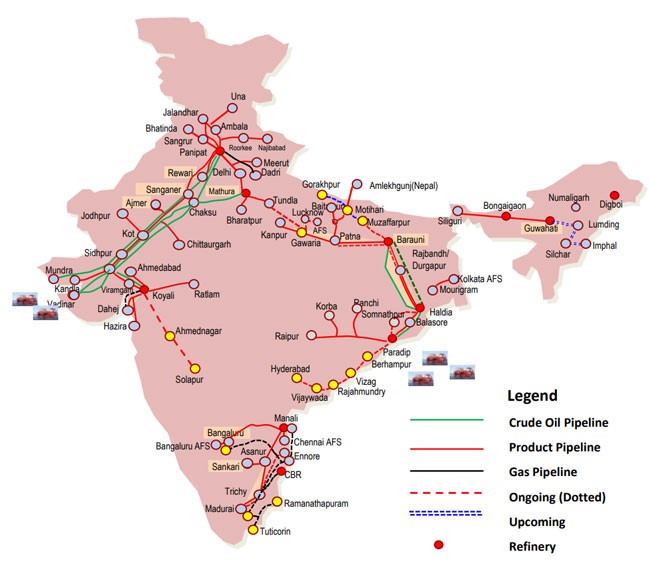
Iranian crude tankers have become increasingly significant to India’s oil supply chain amid growing energy demands. With the world witnessing a surge in oil prices and geopolitical tensions affecting oil imports, Indian refiners are looking towards more reliable sources of crude oil. The arrival of these tankers, notably encapsulated by the landing of tankers near the Paradip port in Odisha, not only ensures a steady flow of crude oil but also emphasizes India’s effort to diversify its oil imports. These shipments from Iran serve as a crucial lifeline, as they facilitate the refining process in India’s diverse energy landscape.
Notably, the linkage between Iranian crude imports and the stability of the Indian oil market cannot be overstated. The two tankers that docked along the Odisha coast are indicative of increasing maritime trade routes that connect Iran’s oil fields with Indian refineries. This geographic synergy offers a lucrative opportunity for India to tap into some of the most competitively priced crude oil in the market, thus bolstering its refining capabilities. With ongoing investments in infrastructure at ports and increased shipper confidence, the trend of Iran shipping crude oil to India will likely intensify, benefiting both nations with strengthening economic ties.
Implications of Increased Iranian Crude Oil Deliveries for Indian Refineries
The increase in Iranian crude oil deliveries is poised to have profound implications for Indian refineries, particularly as they strive to meet domestic demand. Refineries located along India’s coastline are designed to process a variety of crude types, and the infusion of Iranian heavy crude into their supply pools allows for improved operational efficiencies. Enhanced refining capabilities not only provide economic benefits but also ensure the availability of essential products like diesel and petrol at competitive rates, ultimately benefiting consumers across India.
Moreover, large volumes of Iranian crude can help Indian refineries maintain its global competitiveness in oil markets. By keeping costs low through strategic partnerships and diverse sourcing, Indian refineries are better positioned to respond to fluctuations in global supply and demand. This adaptability is vital for maintaining energy security amid external pressures, including sanctions and trade policies affecting oil flows. The implications of this increase are manifold, affirming India’s commitment to achieving energy stability while navigating the complexities of global oil markets.
Navigating Challenges: The Journey of Iranian Crude Tankers to India
The journey of Iranian crude tankers to India is not without its challenges. Maritime routes, especially those frequented by tankers laden with crude oil, present risks such as piracy, adverse weather conditions, and geopolitical issues. The recent arrival of two significant tankers off the Odisha coast underscores ongoing efforts to navigate these challenges safely. Indian authorities and shipping companies remain vigilant, employing strategies to ensure that these vessels can travel securely and deliver their precious cargo without undue delays.
Additionally, logistical challenges in coordinating these deliveries must be acknowledged. The port facilities along the Odisha coast need to adapt to handle larger volumes of incoming tankers efficiently. Investments in port infrastructure, advanced unloading technologies, and trained labor are all crucial to addressing these demands. Ensuring that Iranian crude can be offloaded swiftly not only maximizes refinery outputs but also maintains the delicate balance of supply within the Indian oil market, ultimately supporting India’s broader economic goals.
The Importance of Indian Oil Supply Stability amid Global Crude Fluctuations
India’s reliance on oil imports has made the quest for supply stability an imperative as global markets fluctuate. Iranian crude tankers contribute significantly to this stability, allowing India to mitigate risks associated with over-reliance on a limited number of suppliers. By establishing a diverse portfolio of oil sources, including the import of Iranian crude, India can buffer itself against global disruptions, ensuring that its energy needs are met without severe repercussions for the economy.
Moreover, the infusion of Iranian crude oil into Indian refineries aligns with India’s vision of energy security. With demand projected to rise in the coming years, having a stable supply from tankers will be integral to fulfilling India’s energy aspirations. This strategic approach not only secures economic growth but also enhances India’s position in the global energy landscape, allowing for potential collaboration with countries like Iran that offer favorable trade terms.
Enhancing Indian Refinery Capabilities with Iranian Crude Imports
The enhancement of Indian refinery capabilities through Iranian crude imports has the potential to reshape the country’s energy sector. By utilizing Iranian heavy crude, Indian refineries can optimize their operations, maximizing yield and improving the production of essential petroleum products such as gasoline and jet fuel. This optimization creates a win-win situation where both the domestic market and energy security are bolstered, leading to more competitive pricing for consumers.
Additionally, the technical expertise associated with processing Iranian crude can further uplift Indian refurbishment and additive manufacturing concerning oil refining. Collaborative efforts in this regard could promote knowledge transfer, ultimately leading to enhanced refining techniques that could be replicated across other facilities in India. As Indian refiners adapt to these developments, the implications for national energy policy will be far-reaching, promoting sustainability and resilience in energy production.
The Strategic Value of the Odisha Coast for Tankers Delivering Iranian Crude
The Odisha coast has emerged as a strategic waypoint for tankers delivering Iranian crude to India. Its location allows for direct access to Indian refining hubs, making it a prime logistical hub in the maritime supply chain. As evidenced by the recent docking of two tankers off Paradip, this coastline offers vital infrastructure that supports the seamless transition of crude oil from ship to shore. Enhancing port capabilities along the coast will further streamline operations and reduce costs associated with unloading and transportation.
Moreover, the increasing activity at the Odisha coast opens avenues for economic development in the region. As tankers consistently deliver Iranian crude, local economies stand to benefit from job creation, increased investment in port facilities, and the accompanying services required for oil handling and logistics. This strategic positioning will not only bolster India’s energy security but also enhance regional growth, creating a cascade of advantages for the surrounding communities.
Iran’s Impact on India’s Energy Security and Oil Imports Strategy
Iran plays a pivotal role in India’s energy security framework, particularly regarding oil imports. The ability to incorporate Iranian crude into India’s supply mix is crucial for ensuring a reliable and cost-effective energy landscape. As India strives to meet its growing energy demands, diverse sourcing from countries like Iran is instrumental in fortifying national energy strategies. This competitive approach allows refiners to capitalize on favorable pricing while mitigating risks pertaining to supply disruptions from less stable regions.
Furthermore, India’s proactive engagement with Iran signifies a strategic shift that can help achieve greater energy independence. By nurturing strong bilateral relations and fostering a steady flow of oil imports, India positions itself more favorably in the global energy market. In doing so, India’s energy policy is becoming increasingly resilient, allowing for sustained economic growth despite external uncertainties. This strategic interplay underscores the significance of Iranian crude within India’s expansive energy ecosystem.
The Future of Iranian Tankers and India’s Oil Import Dynamics
The future of Iranian tankers in the context of India’s oil import dynamics looks promising as both nations navigate the complexities of global trade. With the geopolitical landscape continuously shifting, the demand for Iranian crude among Indian refiners remains robust, particularly given the favorable pricing available. As India seeks to enhance its energy self-sufficiency by relying on a broader range of suppliers, Iranian tankers will play a pivotal role in shaping the country’s oil import policies moving forward.
Furthermore, technological advancements in maritime shipping and unloading processes are likely to facilitate even greater efficiency in future operations involving Iranian crude deliveries. The potential for increased cooperation in maritime safety and development initiatives could further bolster this trade relationship, creating a win-win situation for both nations. As India continues to diversify its energy sources, the presence of Iranian crude tankers will undoubtedly remain a cornerstone of India’s strategy to stabilize its oil supply and meet future energy demands.
Frequently Asked Questions
How do Iranian crude tankers impact oil imports to India?
Iranian crude tankers play a crucial role in enhancing India’s oil imports, particularly as they deliver significant volumes of crude oil to Indian ports. With recent shipments like the tanker Jaya anchoring near the Odisha coast, India has increased its reliance on Iranian crude oil delivery to meet its growing energy demands amidst geopolitical challenges.
| Key Point | Details |
|---|---|
| Arrival of Tankers | Two tankers carrying Iranian crude reached India, with one anchoring near Paradip. |
| Tankers Involved | The second tanker, named Jaya, carried a similar volume of crude. |
| Geographical Location | The tankers arrived off the Odisha coast. |
| Author’s Expertise | Atul Mathur, a seasoned journalist, covers the energy sector and has over 27 years of experience. |
Summary
Iranian crude tankers play a significant role in global energy supply chains, exemplified by the recent arrival of two tankers to India. The first of these tankers reached the shores near Paradip, off the Odisha coast, bringing a considerable volume of Iranian crude. The second tanker, known as Jaya, followed closely, further cementing the importance of Iranian oil in the energy market. Atul Mathur, a seasoned journalist focusing on the energy sector, emphasizes the ongoing relevance of such shipments in discussions surrounding global oil dynamics and energy security. As the world shifts towards diverse energy sources, the movement of Iranian crude remains a topic of interest for many stakeholders.



























