Guwahati Violence: What Happened with Former MLA Estamur Momin?
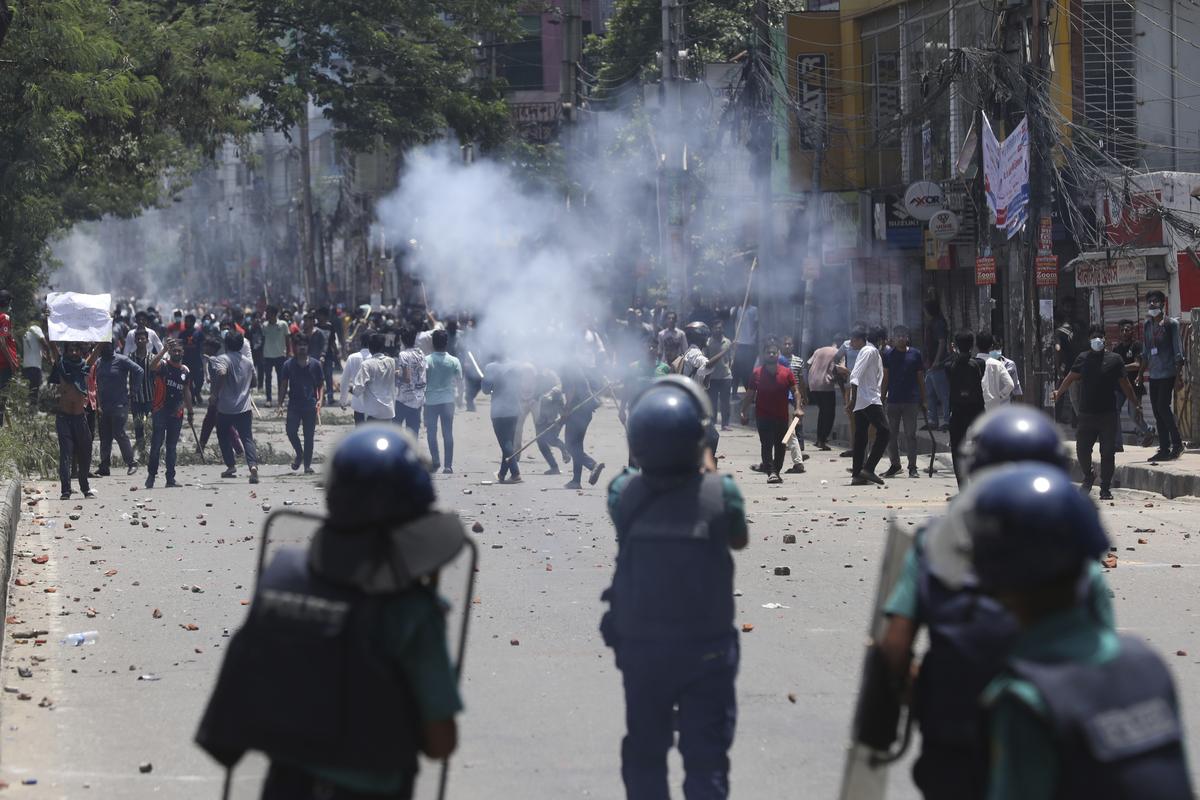
The recent Guwahati violence has shaken the political landscape in Meghalaya, particularly in the Ri Bhoi district. Former MLA Estamur Momin, who was in hiding after being linked to this unrest, surrendered to the police on April 13. This turmoil can be traced back to the controversial Garo Hills Autonomous District Council (GHADC) elections, which have sparked significant tensions among rival political factions. Initially ignited by Momin’s nomination filing, protests quickly escalated into violent confrontations, leading to a chaotic situation in the region. As a consequence of the intensifying clashes, the state government decided to suspend the GHADC elections, raising concerns over the implications for political stability in the area.
Recently, the region has been engulfed in turmoil, marked by significant unrest and serious political clashes, particularly surrounding the local elections in Garo Hills. Notably, the surrender of Estamur Momin to authorities has drawn attention to the escalating violence threatening public safety and order. Following his alleged inflammatory remarks and the protests that erupted from his nomination efforts, the entire atmosphere in Ri Bhoi district has grown increasingly tense. As authorities grapple with the aftermath, the suspension of the GHADC elections reflects the urgent need for resolution and restoration of peace amidst the political upheaval. This situation underscores the critical importance of managing crisis points in local governance to prevent further conflicts.
Understanding the Context of Guwahati Violence
The recent violence in Guwahati highlights the escalating tensions surrounding the Garo Hills Autonomous District Council (GHADC) elections. The unrest erupted as former MLA Estamur Momin attempted to file his nomination papers, marking a significant moment in the political landscape of the region. His actions reportedly ignited protests that soon turned violent, showcasing the fragile state of political discourse in Meghalaya. The incidents around the elections symbolize deeper societal rifts, emphasizing the need for a nuanced understanding of local politics.
Moreover, the violence linked to the GHADC elections serves as a warning about the volatility of political reactions in the Ri Bhoi district and surrounding areas. The situation has drawn attention from various stakeholders, including political analysts and local authorities, who are keen to explore the underlying causes of such unrest. Understanding the dynamics at play is crucial, as they reflect broader trends of political clashes that can threaten stability and community cohesion.
The Implications of GHADC Elections on Local Politics
The GHADC elections represent a pivotal event in the political framework of the Garo Hills region. The electoral process, often marred by tensions, reflects the ongoing struggle for power among various political factions. Estamur Momin’s involvement and the subsequent violence have raised questions regarding the fairness and safety of the electoral process. Local electorates, therefore, must be aware of the stakes involved in these elections, which may influence governance in the region for years to come.
Additionally, the fallout from the violence can have lasting implications for political participation in the Garo Hills. Such unrest may deter voters from engaging in future elections, fearing for their safety amidst the political clashes that have become increasingly common. This not only undermines the democratic process but also hinders the potential for progressive political reform in the region. Stakeholders must focus on creating an environment conducive to peaceful political engagement.
Examining Estamur Momin’s Role in the Ri Bhoi District Unrest
Estamur Momin’s recent actions have put him at the center of the Ri Bhoi district unrest, bringing scrutiny to his political motivations. His surrender to police reflects the severe consequences of delivering inflammatory speeches during sensitive electoral periods. Many observers suggest that such rhetoric isn’t just a personal choice but indicative of a broader trend where political figures exploit societal tensions for electoral gain, thereby contributing to instability.
Furthermore, Momin’s role raises critical questions about accountability in local politics. His actions—and the violent aftermath—underscore the significant responsibility held by politicians to maintain peace. As communities in Ri Bhoi navigate these turbulent waters, there’s a pressing need for leadership that promotes dialogue and inclusivity rather than division and unrest. The trajectory of Momin’s legal troubles could also set precedents for how similar cases are handled in the future.
Preventing Future Political Clashes in Meghalaya
The recent events surrounding the GHADC elections underscore an urgent need for proactive measures to prevent political clashes in Meghalaya. Officials have already suspended elections to restore order, but this action alone won’t suffice. It is crucial for lawmakers and community leaders to engage in open dialogues that address the grievances of different factions, fostering an environment where divergent views can coexist peacefully.
Furthermore, implementing conflict resolution mechanisms within the electoral process is essential. Workshops and community meetings aimed at conflict mediation can help mitigate tensions before they escalate into violence. Strengthening civic education about the importance of peaceful political participation can empower citizens in the Garo Hills to express their views without resorting to violence. With the right strategies in place, Meghalaya can aspire towards a more tranquil political environment.
The Aftermath of the Garo Hills Unrest on Community Relations
The recent unrest in Garo Hills following the GHADC elections has significantly impacted community relations within the region. As violent clashes disrupt the fabric of society, communal trust begins to erode. Families and residents find themselves at odds, fostering an environment of fear and suspicion that hampers day-to-day interactions. Understanding the social ramifications of such political violence is crucial for regional recovery and reconciliation.
In reaction to this unrest, community leaders must step forward to champion peace-building efforts. Initiatives aimed at restoring dialogue among various groups are essential for healing. Local NGOs and civil society organizations can play pivotal roles in organizing community forums where citizens can express their concerns and aspirations constructively. By engaging in these dialogues, the communities in the Garo Hills can work towards rebuilding trust and ensuring that such violence does not recur in the future.
Estamur Momin’s Legal Challenges and Their Broader Implications
Estamur Momin’s legal challenges following the Garo Hills violence could have profound implications beyond his individual case. The accusations against him, particularly regarding inciting violence, reflect a larger narrative about the responsibilities of political figures and the societal impact of their actions. As he navigates this legal landscape, it serves as a reminder that accountability in governance is paramount for restoring faith in the political process.
Moreover, how Momin’s case unfolds may influence public perception of politicians in Meghalaya generally. If citizens view political leaders as being held accountable for their actions, it might encourage greater civic participation and trust in the democratic system. Conversely, if outcomes seem lenient or biased, it risks further alienating voters and engendering cynicism about political institutions. Thus, Momin’s legal journey is emblematic of broader issues surrounding political integrity and public trust in governance.
The Role of Media Coverage in Shaping Public Perception
The media coverage of the unrest linked to the GHADC elections is vital in shaping public perception regarding the events in the Garo Hills. How media outlets portray Estamur Momin and the political violence affects community sentiment and can influence voters’ behavior in future elections. Responsible reporting that emphasizes facts over sensationalism can foster a more informed electorate, ultimately supporting democracy.
However, sensationalist coverage can exacerbate tensions, leading to further unrest. Journalists and news agencies have a significant role in not only reporting events as they unfold but in educating the public about the nuances of local politics and the importance of conflict resolution. By focusing on constructive narratives that promote peace and understanding, the media can contribute actively to restoring stability in the wake of political violence.
Addressing the Root Causes of Political Violence in Meghalaya
To effectively combat political violence in Meghalaya, it is essential to address the root causes that give rise to such unrest. Socioeconomic factors, historical grievances, and political disenfranchisement often contribute to violent outbreaks, revealing the need for comprehensive strategies that consider these underlying issues. Engaging with grassroot communities to understand their concerns can lay the groundwork for more inclusive policies.
Moreover, educational initiatives focused on civic engagement can empower young people in the Garo Hills to become proactive participants in their political landscape. Equipping the next generation with the tools to navigate political discourse peacefully not only helps mitigate the risk of future violence but also fosters a culture of democratic participation. By tackling the roots of conflict, Meghalaya can work towards a future where political engagement does not come at the cost of community safety.
Future Prospects for Political Stability in the Garo Hills
The Garo Hills are at a critical juncture in pursuing political stability following the recent unrest linked to the GHADC elections. While the immediate aftermath of violence presents challenges, it also offers an opportunity for reforms that can pave the way for a more peaceful political future. Engaging all stakeholders, including marginalized communities, in the decision-making process is vital to ensuring that democracy thrives, and political violence is curbed.
Looking ahead, fostering dialogue between competing political factions and communities can help create a more inclusive political landscape. Initiatives aimed at building consensus and understanding will be essential to establishing a stable governance framework in the Garo Hills. The commitment of political leaders to prioritize dialogue over conflict will ultimately determine the trajectory of peace and stability in the region.
Frequently Asked Questions
What caused the Guwahati violence related to the GHADC elections?
The Guwahati violence linked to the GHADC elections was triggered by protests outside the Deputy Commissioner’s office in Tura on March 9 when former MLA Estamur Momin filed his nomination papers. His alleged inflammatory speech at Chibinang further escalated tensions, resulting in clashes across the region, particularly in Ri Bhoi district.
Who is Estamur Momin, and what is his connection to the Guwahati violence?
Estamur Momin is a former MLA who became embroiled in Guwahati violence related to the GHADC elections. After filing his nomination papers, his inflammatory speech allegedly incited protests and clashes, prompting him to evade police arrest until he surrendered on April 13, 2023.
What actions has the government taken in response to the Garo Hills unrest and violence?
In response to the Garo Hills unrest linked to the GHADC elections, the state government suspended the elections to address the deteriorating law and order situation. This suspension was deemed necessary to restore peace in the affected areas.
How did the Ri Bhoi district become significant in the Guwahati violence context?
The Ri Bhoi district became significant in the context of Guwahati violence when former MLA Estamur Momin surrendered to the police there after being in hiding due to his involvement in the unrest initiated during the GHADC elections.
What is the current status of Estamur Momin after his surrender related to the Guwahati violence?
After his surrender on April 13, Estamur Momin is currently facing legal action stemming from his involvement in the Guwahati violence linked to the GHADC elections. Further details regarding the charges against him are still pending.
| Key Points |
|---|
| Former MLA Estamur Momin surrendered to police on April 13, after being in hiding due to the Guwahati violence linked to GHADC elections. |
| Momin eluded arrest since unrest began earlier this month, following his nomination for GHADC elections on March 9. |
| His appearance at the Deputy Commissioner’s office triggered protests that escalated into violent clashes. |
| He is accused of making an inflammatory speech at Chibinang, which exacerbated tensions and led to violence. |
| In response to the violence, the state government suspended the GHADC elections. |
| The police stated that Momin had been evading capture since the violence erupted. |
| Details regarding the legal actions against Momin are still pending. |
Summary
The Guwahati violence has raised significant concerns regarding public safety and the political climate in the region. Following the events surrounding former MLA Estamur Momin’s nomination for the GHADC elections and his subsequent inflammatory remarks, tensions escalated, resulting in violent clashes. In light of these events, the suspension of the elections by the state government reflects the serious nature of the unrest, highlighting the need for effective law enforcement and conflict resolution strategies to ensure peace in Guwahati.














