

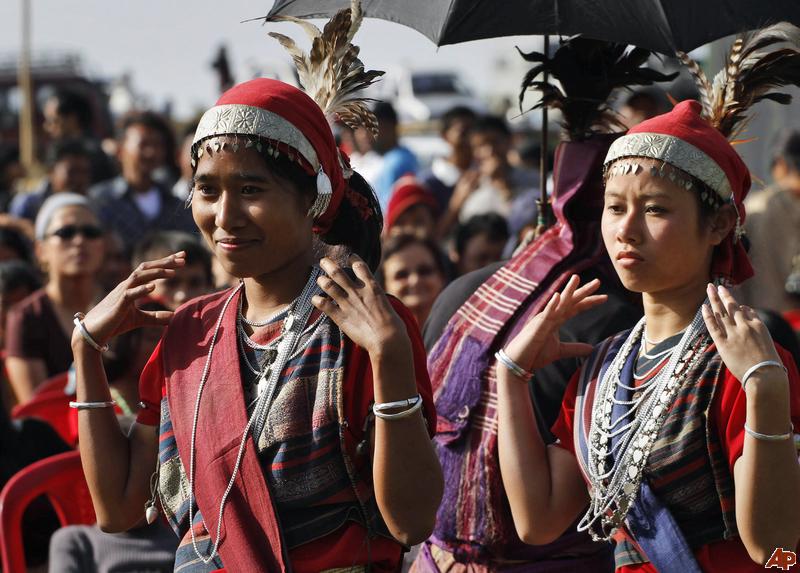
The Indigenous tribes of Meghalaya, primarily consisting of the Khasi, Jaintia, and Garo communities, hold a rich cultural heritage that has been the focus of recent research initiatives. On April 14, Meghalaya Chief Minister Conrad K Sangma announced a comprehensive study aimed at tracing the historical origins of these communities through innovative DNA research in Meghalaya. This initiative will not only uncover the genetic makeup of the Khasi and Garo tribes but will also delve into their unique linguistic structures, contributing to Meghalaya linguistic research. Moreover, this inquiry into the Meghalaya tribal origins is set to enhance our understanding of the indigenous communities of India, fostering a deeper appreciation for their diverse backgrounds and traditions. By collaborating with national and international scholars, this project promises to yield valuable insights, bridging the past with the present while preserving the legacy of Meghalaya’s tribes.
In a groundbreaking endeavor to unearth the roots of the native populations in Meghalaya, the state government is focusing on the earliest inhabitants, including notable tribal groups such as the Khasi and Garo. This research project will explore the ancestral patterns and cultural nuances that define these communities, with an emphasis on leveraging DNA insights to trace their lineage. Furthermore, the implications of this research extend to enhancing our linguistic understanding of the various dialects spoken by these indigenous groups. As experts embark on this exploration, they aim to shed light on the historical narratives that have shaped the tribal identities in Meghalaya, reflecting on their place within the broader spectrum of indigenous communities within India. Engaging local and global researchers ensures a comprehensive study that honors and preserves the rich tapestry of Meghalaya’s tribal heritage.
Exploring the Indigenous Tribes of Meghalaya: A Historical Journey
Meghalaya is home to a rich tapestry of indigenous tribes, including the renowned Khasi, Jaintia, and Garo communities, each with unique cultures and traditions that have shaped the region’s identity over centuries. The recent initiative to trace the historical origins of these tribes is a significant step toward unraveling the intricate narratives that define their existence. By conducting in-depth research that merges DNA analysis with linguistic studies, the project aims to provide a detailed understanding of how these tribal groups have evolved and established their distinctive identities within the fabric of India’s diverse indigenous communities.
Understanding the origins of the Khasi and Garo tribes, through both genetic markers and language structure, will not only shed light on their past but also enrich the broader study of Meghalaya’s tribal origins. Moreover, this research initiative represents a crucial collaborative effort that links local communities with academic scholars, ensuring a comprehensive approach to documentation and preservation of cultural heritage. As findings emerge, they will provide invaluable insights into the historical significance of these tribes and contribute to the ongoing discourse on indigenous rights and recognition in India.
Frequently Asked Questions
What initiatives are being launched to trace the origins of the indigenous tribes of Meghalaya?
Meghalaya is launching a significant research initiative focused on tracing the origins of its indigenous tribes, including the Khasi, Jaintia, and Garo communities. This initiative includes DNA research to uncover genetic evidence and linguistic studies to analyze language structures. The project, spearheaded by Chief Minister Conrad K Sangma, aims to enhance documentation and reveal historical evidence related to these indigenous communities of India.
| Key Point | Details |
|---|---|
| Research Initiative | Aimed at tracing the historical origins of indigenous tribes in Meghalaya, including the Khasi, Jaintia, and Garo. |
| Expert Panels | Two separate panels have been formed to focus on the Khasi-Jaintia community and the Garo tribe. |
| Research Methods | The research will use DNA studies, linguistic analysis, and cultural tradition documentation. |
| Duration and Timeline | The project is expected to take 18 to 24 months, with phased findings shared as the work progresses. |
| Collaboration | Collaboration with Indian and international institutions will ensure comprehensive research. |
| Launch Timeline | The formal launch of the program is anticipated in May 2026. |
Summary
The indigenous tribes of Meghalaya, which include the Khasi, Jaintia, and Garo, hold rich historical and cultural significance. With the upcoming DNA and linguistic research initiative launched by the Meghalaya government, there is a promising avenue for uncovering the ancient origins of these communities. This groundbreaking project, expected to last between 18 to 24 months, not only aims to strengthen documentation of tribal histories but also seeks to foster a deeper understanding of their unique languages and cultural practices. By collaborating with various academic institutions, both locally and internationally, Meghalaya endeavors to piece together the ancestral stories of its indigenous tribes, highlighting their importance in the tapestry of India’s diverse heritage.



























