 11
11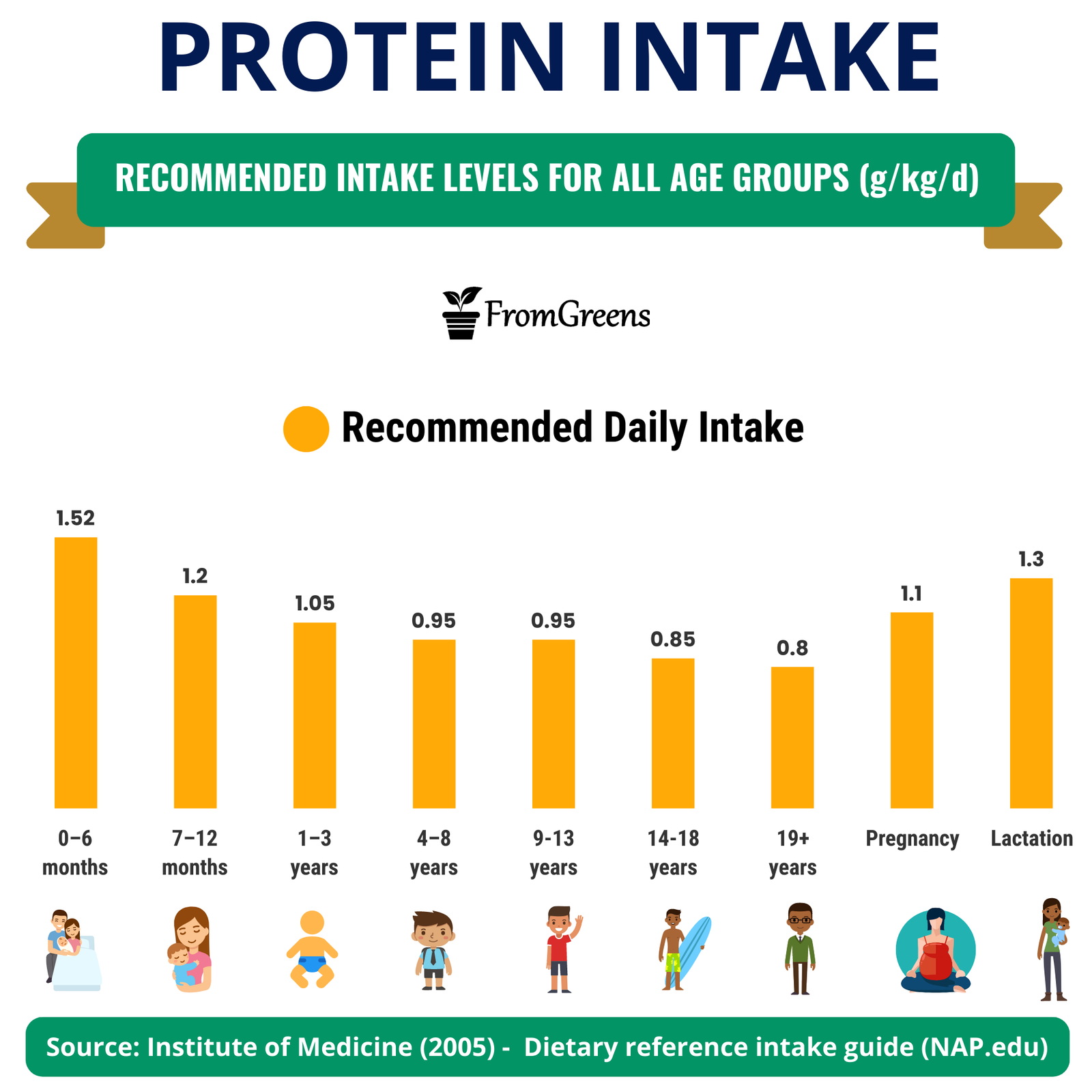
Muscle health plays a critical role in our overall well-being, yet its importance is frequently overlooked in discussions about fitness and nutrition. Many individuals experience muscle mass loss as they age, particularly around the age of 30, which can lead to sarcopenia and a decline in strength and metabolism. To combat these issues, it’s essential to focus on protein intake, which not only supports muscle repair and growth but also aids in effective blood sugar management. Integrating strength training tips into your routine can help maintain and enhance muscle mass, leading to improved physical health and vitality. By prioritizing muscle health, we can unlock a myriad of benefits that extend beyond mere appearance, influencing everything from energy levels to disease resistance.
When we talk about enhancing our physical state, the focus often shifts to fitness activities and dietary habits, but maintaining optimal muscle wellness is equally crucial. The decline in muscle tissue, often referred to as muscle mass reduction, can significantly affect our functional capacity over time. This loss not only hampers physical strength but also complicates healthy blood sugar regulation, contributing to metabolic issues. Therefore, adopting strategies for lifelong muscle care, including adequate nutrition and resistance training, becomes imperative. By framing our health goals around muscle preservation, we pave the way for a more robust and resilient body.
Muscle health is crucial for maintaining overall metabolic balance, especially as we age. The human body begins to experience muscle mass loss around the age of 30 due to a condition known as sarcopenia. This gradual reduction in muscle tissue leads not just to diminished strength and balance, but significantly impacts blood sugar management. Lean muscle acts as a vital resource in controlling insulin sensitivity and glucose absorption; hence, preserving and building muscle should be a priority for everyone, especially those with a family history of diabetes.
To combat muscle health decline, it’s essential to incorporate strength training into your routine. This doesn’t mean you have to start lifting heavy weights; even bodyweight exercises like squats, push-ups, or using resistance bands can effectively stimulate muscle growth. Aim for at least two sessions per week to provide adequate stimulus, which can help in maintaining and even increasing muscle mass. When muscle health is prioritized, it not only aids in stabilizing blood sugar levels but also contributes to improved energy levels and metabolic function.
Protein intake plays a pivotal role in the prevention of muscle mass loss, especially in those susceptible to sarcopenia. Research suggests adults should aim for approximately 1.2 to 1.5 grams of protein per kilogram of body weight to support muscle repair and growth. Without sufficient protein, the body finds it more challenging to maintain lean muscle tissue, leading to an imbalance where fat accumulation might occur. Inadequate protein also leads to increased hunger, which may result in unhealthy snacking on high-carb options that can spike blood sugar levels.
Incorporating a variety of protein sources into your meals—like lean meats, legumes, and dairy—can also help stabilize blood sugar while promoting satiety. When you start your meals with a protein-rich food, you are less likely to overindulge in carbohydrates, which often causes energy crashes and cravings. Thus, ensuring adequate protein intake is not only crucial for preserving muscle health but also for creating a balanced diet that helps manage weight and blood glucose effectively.
To effectively combat sarcopenia and promote muscle health, implementing tailored strength training tips can make a significant difference. Start by focusing on progressive overload, which means gradually increasing your workout intensity—whether through more repetitions, added weight, or enhanced resistance. Strength training does not necessitate a gym membership; it can be done using simple equipment like resistance bands, or even just your body weight at home. The key is consistency and challenge—your muscles need to adapt to a stimulus to grow stronger.
Furthermore, multi-joint exercises, such as deadlifts or lunges, engage different muscle groups simultaneously and are especially effective in building functional strength. It’s advisable to include various forms of strength training in your weekly routine, ideally two to three times a week. Remember, the aim is not just to avoid loss but to actively build and maintain muscle mass for better metabolic health and overall vitality.
In today’s fast-paced world, reassessing lifestyle choices becomes crucial, particularly regarding blood sugar management. While many individuals take pride in simply cutting out sugar, it’s important to address what they are replacing it with. Refined carbohydrates often fill that gap, causing rapid glucose spikes that can undermine overall health. This often leads to a mismanaged diet that could counteract the health benefits one hopes to achieve by quitting sugar.
A mindful approach involves not only reducing sugar but also focusing on balanced nutrition that includes healthy fats and protein. Health professionals recommend starting meals with proteins to slow down the absorption of carbohydrates, which can help stabilize blood sugar levels. Integrating dietary changes with physical activities, such as engaging in strength training, can serve as an effective method to enhance insulin sensitivity and overall metabolic function.
Many people often confuse everyday chores with structured exercise, believing that activities like mopping or sweeping qualify as workouts. While those actions contribute to overall activity levels, they do not provide the progressive overload necessary for muscle health. Structured exercise, especially strength training, is essential for promoting muscle growth and metabolic health. The distinction between inactivity and actual exercise is crucial as many individuals might overestimate their physical exertion, hindering their fitness progress.
Instead, consider how you can integrate effective strength training into your routine while viewing daily chores as supplemental rather than primary sources of physical activity. Incorporating specific exercises into your routines, such as doing squats while waiting for water to boil or using resistance bands during tv time, can make a substantial difference. These small shifts promote a comprehensive approach to movement, greatly enhancing both muscle health and general well-being.
Muscles serve as more than just organs for movement; they also function as endocrine organs through the release of compounds known as myokines during strength training. These molecules have far-reaching impacts on overall health, influencing everything from inflammation reduction to improved brain function. Understanding the complex relationship between muscle activity and hormonal health helps underscore the importance of regular strength workouts, which contribute not just to physical strength but also to mental wellness.
Engaging in resistance training stimulates the production of beneficial myokines, which help mitigate the risk of various diseases, including neurodegenerative conditions. Consequently, individuals focusing on muscle health should prioritize strength training as a vital component of their overall health routines. This connection between muscle strength and chronic disease prevention reinforces the need to develop a holistic approach toward maintaining both physical and cognitive health.
Evaluating dietary habits plays a significant role in muscle support and overall health management. Many people mistakenly rely on calorie-counting without considering the quality of nutrients consumed. A diet lacking in essential proteins can lead to decreased muscle mass and an increase in fat, which can negatively affect metabolic health. Prioritizing nutrient-dense foods that are high in protein is vital for maintaining both muscle health and proper body composition.
In addition to protein, ensuring an adequate intake of vitamins and minerals can help support muscle function and repair. Foods rich in antioxidants will also promote recovery while contributing to muscle health. Making informed nutritional choices—like incorporating lean meats, legumes, and incorporating varied sources of protein into meals—aligns with a need for optimal muscle support and can transform how your body manages its energy processes.
The intersection of neurology and muscle health presents an intriguing dynamic that often goes overlooked. Muscles that are engaged in regular strength training release myokines that can positively impact brain health and cognitive functioning. These molecules help reduce inflammation, leading to a profound influence on mental clarity and potentially lowering the risk of Alzheimer’s disease. Understanding this connection is crucial as it highlights the importance of muscle health not only for physical functioning but also for neurological health.
When approaching exercise, it is pivotal to recognize that your physical regimen should support both your body and brain. The inclusion of strength training not only fosters physical resilience but also enhances mental well-being. Hence, making muscle health a priority in your fitness routine could yield benefits that transcend physical capabilities, ultimately contributing to a holistic approach to health.
Long-term weight management necessitates more than just reducing calorie intake; it requires a proactive approach to muscle preservation and health. Adopting strategies such as incorporating regular strength training into your weekly activities can dramatically affect how your body processes energy. By ensuring your regimen includes a balanced level of resistance training, you enable your muscle tissue to play its critical role in metabolism, allowing the body to burn calories more efficiently.
Additionally, developing practical dietary strategies that incorporate sufficient protein can help in weight management while preventing unnecessary muscle loss. Portioning meals with adequate protein sources can maximize satiety and minimize cravings, making it easier to avoid unhealthy carbohydrate-laden snacks. By focusing on muscle preservation through resistance training and nutrient management, you bolster overall health, making weight management less of a struggle.
Preventing muscle mass loss is crucial for maintaining overall health, especially as you age. Sarcopenia, the gradual loss of muscle mass after the age of 30, can be mitigated through regular strength training exercises. Aim for at least two sessions per week, incorporating movements like squats and resistance band workouts that challenge your muscles. Additionally, ensure adequate protein intake — approximately 1.2 to 1.5 grams of protein per kilogram of body weight — to support muscle repair and growth. This balanced approach not only preserves muscle health but also aids in blood sugar management.
| Key Points | Details |
|---|---|
| The Illusion of “I walk every day” | Walking is beneficial, but it does not build muscle effectively. Muscle health is crucial for glucose management. |
| The Silent Loss After 30 | Sarcopenia leads to muscle loss, affecting strength and metabolic health. Muscle mass declines by 3-8% per decade. |
| Cutting Sugar is Just the Beginning | Quitting sugar is beneficial, but diets heavy in refined carbohydrates still spike blood sugar levels. |
| The Missing Link: Protein | Low protein intake reduces muscle mass and increases hunger, leading to overeating carbohydrates. |
| Why Muscles Matter to Neurologists | Muscles release myokines during exercise, which reduce inflammation and support brain health. |
| Rethinking Activity vs. Exercise | Everyday activities are valuable but don’t count as exercise. Structured exercise with progressive overload is essential. |
| The Metabolic Reset That Works | Incorporate resistance training, prioritize protein in meals, and differentiate daily activity from structured exercise. |
Muscle health is a crucial aspect of our overall well-being, significantly impacting how our bodies manage blood sugar levels and metabolism. As we grow older, muscle mass decreases, leading to challenges that often go unseen. Strength training, adequate protein intake, and understanding the difference between mere activity and structured exercise are essential for maintaining not just physical health but also metabolic health. By making these informed lifestyle changes, individuals can effectively combat weight gain and improve metabolic markers, leading to a healthier life.