

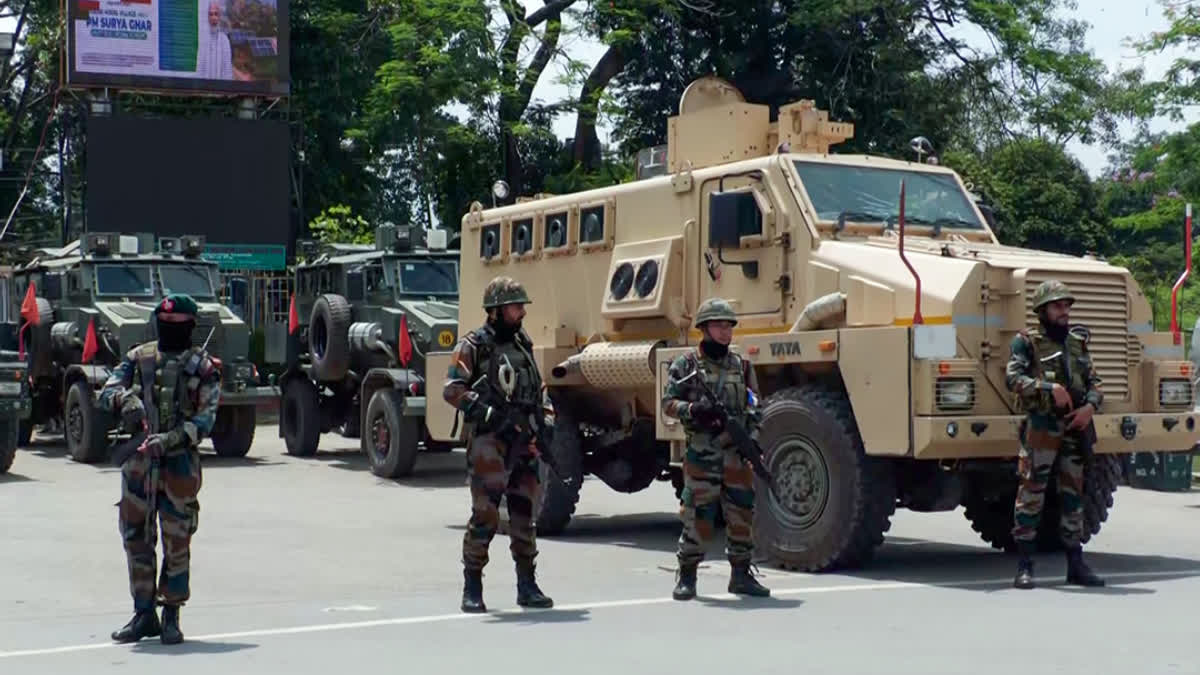
The recent Manipur violence has drawn attention to the escalating tensions in the region, particularly in Bishnupur district, where clashes between locals and security forces have left several civilians injured. The unrest surged following rumors regarding the potential incursion of Kuki insurgents, prompting authorities to implement a strict curfew to maintain order. This situation has been exacerbated since April 7, when two Meitei children tragically lost their lives in a bomb attack blamed on insurrectionists, heightening fears within the community. As security forces attempted to navigate through the chaos to quell the unrest, they were met with hostility from residents, who were misled about the identity of the approaching forces. The result was a violent confrontation marked by the use of tear gas, underscoring the fragility of the situation and the deepening divide within Manipur’s populace.
In recent days, the situation in Manipur has reached a boiling point, reflecting broader issues of ethnic conflict and community distrust. The unrest in Bishnupur district illustrates the complexities of local relations, as fears of Kuki insurgent activity prompted defensive actions by residents. With a curfew now in effect, authorities are striving to prevent further escalation while addressing the security concerns of civilians. Tensions have been stoked by the devastating impacts of previous attacks, including the tragic deaths of children, which have left scars on the community. As security forces clash with concerned locals, the potential for significant civilian injuries in Manipur poses urgent questions about the region’s stability and the safety of its inhabitants.
Understanding the Tensions in Bishnupur District
Bishnupur district in Manipur has been a focal point of unrest and violence recently, primarily driven by ethnic tensions and fears of insurgent activity. On the afternoon of a particular Tuesday, a significant incident unfolded when locals obstructed the movement of central security forces. This obstruction was fueled by escalating rumors about Kuki insurgents attempting to infiltrate the area, following an alarming incident where two Meitei children were tragically killed in a bomb attack attributed to these insurgents.
The situation in Bishnupur not only reflects the volatile ethnic dynamics but also the community’s deep-seated fears regarding the Kuki insurgents. The recent events have left civilians anxious about their safety and the potential for further violence. In response to this growing unrest, authorities found it necessary to impose a curfew, aiming to restore peace and order as the local populace grappled with the consequences of such tensions.
Security Forces and Civilian Clashes in Manipur
The clashes between security forces and civilians in Bishnupur illustrate the complexity of security matters in Manipur, where various ethnic groups coexist amid rising tensions. When the security forces attempted to investigate rumors of illegal weapons in the area, they were met with hostility from concerned locals. Circumstances quickly escalated, leading to an environment where misinformation and distrust culminated in violence, marking a pivotal moment in the ongoing discord.
As police reports indicate, the situation further deteriorated when civilians, believing the security personnel were actually Kuki insurgents, resorted to vandalism, setting fire to vehicles, and even threatening personnel. This incident underlines the urgent need for effective communication and community engagement to rebuild trust, preventing further clashes that could result in civilian injuries and loss of life in a region already burdened by conflict.
Impact of the Curfew in Bishnupur District
Imposing a curfew in Bishnupur district serves as a response mechanism intended to garner control during periods of civil unrest. However, such measures also have significant implications for the local populace, who may feel trapped in their homes amid fears of violence from both insurgents and security forces. The curfew aims to reduce potential civilian injuries and restore a sense of order, but it also raises concerns about human rights and freedom of movement.
Additionally, the curfew complicates daily life and economic activities, exacerbating existing tensions. Those in Bisnupur district are often left in a state of uncertainty, navigating a landscape marred by ethnic conflict and heavy-handed security measures. The restoration of peace is paramount, yet the means of establishing control through curfews must be balanced with the necessity to maintain trust within the community.
Rumors and Misinformation: A Catalyst for Violence
In the realm of conflict, rumors and misinformation can act as incendiary devices, igniting a blaze of unrest in communities already on edge. In the case of Bishnupur district, fears surrounding the potential entry of Kuki insurgents greatly influenced public sentiment, leading to violent confrontations with security forces. Such incidents underscore how quickly rumors can escalate into physical altercations, particularly in regions where historical grievances and ethnic divisions exist.
The case in Bishnupur illuminates the critical importance of accurate information dissemination. Authorities must prioritize effective communication strategies to dispel misinformation and alleviate fears among residents. By addressing concerns proactively, there is a chance to de-escalate tensions and prevent violence from further impacting civilians in areas such as Bishnupur, which is already burdened by ethnic strife.
Community Reactions to Increased Security Measures
As security forces intensify their presence in response to rising violence, community reactions have been mixed, particularly in areas like Bishnupur district. While many residents acknowledge the need for heightened security to combat the potential threat posed by Kuki insurgents, others feel that the aggressive tactics employed could exacerbate feelings of mistrust and fear among civilians. This dichotomy highlights the complexity of managing security in an ethnically diverse region.
Furthermore, community members are often caught in the crossfire of security efforts and insurgency threats, leading to a palpable sense of frustration. The challenge lies in finding an equilibrium where security measures can be effective without alienating the very community members that law enforcement seeks to protect. A collaborative approach that engages local leaders may help bridge this divide and foster a safer environment for all.
Ethnic Conflicts and Their Historical Context in Manipur
Manipur’s ethnic conflicts have deep historical roots, igniting tensions between various communities like the Meitei and the Kuki. Events in Bishnupur district, marked by violence and unrest over the years, can be traced back to longstanding grievances and competition for resources, representation, and recognition. Understanding this historical context is crucial for grasping the dynamics driving the current violence and the resulting civilian injuries.
The resurgence of violence, especially after high-profile incidents such as the bomb attack on Meitei children, signals the fragility of peace in Manipur. As conflicts persist, they create a cycle of retaliation and further aggravation of tensions. To truly address the cause of the violence in Bishnupur and across the state, stakeholders must engage in meaningful dialogue and reconciliation efforts that acknowledge the historical complexities at play.
The Role of Security Forces in Civil Unrest
Security forces play a crucial role in maintaining order during instances of civil unrest, particularly in a conflict-prone area like Bishnupur district. However, their involvement is often a double-edged sword; while they are tasked with protecting civilians and restoring peace, their actions can also inadvertently escalate tensions. In the recent incident where civilians were injured, the military’s response to perceived threats was seen by some as an exacerbation of the already volatile situation.
Navigating the challenges of managing security in a multi-ethnic environment requires a delicate balance of force and diplomacy. Incidents such as the violent clashes between locals and security personnel highlight the need for a more community-focused approach to policing – one that not only seeks to control but also to understand the underlying fears of the populace. This could involve additional training for security forces on cultural sensitivity and conflict resolution.
Addressing Civilian Injuries Post-Conflict
The repercussions of violent clashes in regions experiencing civil unrest, like the injuries sustained by civilians in Bishnupur district, underscore the need for immediate and comprehensive care for affected individuals. Ensuring that medical assistance is readily available is paramount in the aftermath of such conflicts, as injuries can range from physical trauma to psychological distress. Local healthcare systems must be equipped to handle the influx of victims in these tragic situations.
Moreover, addressing civilian injuries also extends beyond immediate medical aid; long-term support initiatives are necessary to aid recovery and reconciliation. Community healing processes, combined with access to psychological counseling, can help mend the social fabric that conflict tears apart. Recognizing the collective trauma experienced by civilians in Maniur is crucial for preventing future violence and building a foundation for enduring peace.
Future Prospects for Peace in Manipur
Amidst the chaos and violence, the future prospects for peace in Manipur lie in the hands of its communities, leaders, and policymakers. Engaging in dialogue between ethnic groups and fostering understanding is critical to dismantling the cycles of violence that have plagued regions like Bishnupur. Organizations and the government must prioritize peace-building initiatives that address grievances and conflict history while also promoting inclusivity.
To cultivate a lasting peace, there must be a unified effort to bridge divides, foster economic opportunities, and promote social cohesion within communities. By empowering grassroots movements and encouraging collaborative ventures among diverse groups, it may be possible to create an atmosphere where harmony can flourish, ultimately benefiting the people of Manipur and ensuring that future generations are not trapped in the cycles of violence and strife.
Frequently Asked Questions
What caused the recent Manipur violence in Bishnupur district?
The recent Manipur violence in Bishnupur district was sparked by tensions following the alleged obstruction of security forces by locals, fueled by rumors of Kuki insurgents entering the area. This unrest was further aggravated by the historical violence in the region, particularly after a bomb attack that killed two Meitei children on April 7.
How has the curfew in Manipur affected residents in Bishnupur district?
The curfew in Manipur, imposed to control the escalating violence in Bishnupur district, has significantly restricted movement and daily activities for residents. It was declared in response to ongoing tensions and fears of violence related to Kuki insurgents, aiming to restore safety and prevent further clashes between locals and security forces.
What role did the Kuki insurgents play in the Bishnupur district tensions?
The Kuki insurgents have been a focal point in the Bishnupur district tensions, as locals were reportedly concerned about their potential entry into the area amid rumors of an attack. The escalation of violence has been linked to past incidents attributed to these groups, raising alarm among communities.
What were the civilian injuries reported during the security forces clashes in Manipur?
During the recent clashes in Manipur, particularly in Bishnupur district, several civilians were injured as security forces attempted to disperse a violent crowd obstructing their movement, believing they were Kuki insurgents. The police reported that minimal force, including tear gas, was used to manage the situation.
What led to the major clash between security forces and locals in Bishnupur district?
The major clash between security forces and locals in Bishnupur district was triggered by a confrontation when a crowd impeded the movement of the forces, suspecting them to be Kuki insurgents. This incident escalated due to fears stemming from recent attacks and the presence of illegal weapons, leading to unrest in the area.
| Key Point | Details |
|---|---|
| Incident Overview | Security forces faced obstruction from locals in Bishnupur, leading to civilian injuries during crowd dispersal. |
| Reason for Tensions | Rumors about Kuki insurgents’ movements prompted locals to block security forces. |
| Curfew Imposed | Authorities have placed a curfew from 5 PM onwards in Bishnupur district. |
| Initial Clash Timing | The conflict initiated around 1:30 PM following misinformation regarding illegal weapons. |
| Weapon Sourcing | Information on illegal weapons was linked to Sabir Ahamed, arrested with large quantities of suspected drugs. |
| Escalation of Violence | The crowd became violent, damaging security vehicles and endangering officers. |
| Law Enforcement Response | Police used tear gas and minimal force to dissolve the crowd and maintain order. |
| Arrests Made | Four individuals were arrested due to their involvement in the clashes amid prior protests. |
Summary
Manipur violence has escalated significantly in recent weeks, particularly intensifying following the attack that killed two Meitei children. The situation prompted severe measures, including a curfew in Bishnupur district and police action in response to public unrest owing to fears of Kuki insurgents. With ongoing tensions and civilian injuries resulting from confrontations, the conflict illustrates the complex dynamics of local grievances and security operations in the region.



























