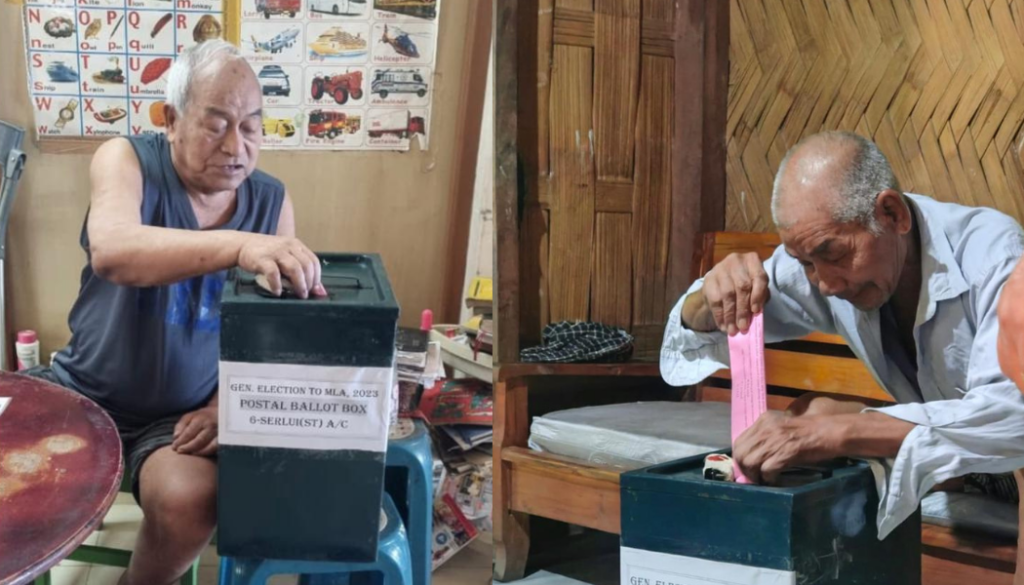
Home voting in Mizoram has emerged as a critical initiative, ensuring that every eligible voter has the chance to participate in the electoral process, especially during the upcoming Aizawl civic polls. With nearly 94 percent of eligible voters taking advantage of this facility, the program underscores the state’s commitment to inclusive voting practices. This measure particularly benefits senior citizens, persons with disabilities (PWDs), and individuals grappling with chronic illnesses, enabling them to cast their votes without the hurdles of traditional polling. The recent report from the State Election Commission highlights that out of 2,768 registered voters in this special category, 2,594 participated, reflecting a significant voter turnout in Mizoram. As Mizoram prepares for its local elections on April 21, the success of home voting could pave the way for future innovations aimed at increasing democratic engagement across the region.
The approach to voting in Mizoram, specifically with the home voting system, has transformed the electoral landscape, particularly in urban areas like Aizawl. This unique facility caters to voters who might otherwise face challenges in accessing traditional polling stations, thus fostering a culture of participation among all demographics, including those with disabilities and the elderly. With the forthcoming civic elections, the emphasis on ensuring that everyone is heard reinforces the essence of modern democracy. By utilizing initiatives such as at-home voting, Mizoram not only increases voter turnout but also highlights the importance of accommodating different needs to promote civic engagement. As the Mizo elections draw near, conversations around these innovative solutions continue to shape how inclusive and accessible voting can become in the future.
The Significance of Home Voting in Mizoram
In Mizoram, the introduction of home voting has transformed the electoral landscape, particularly in the context of the upcoming Aizawl civic polls. By allowing eligible groups such as senior citizens, persons with disabilities, and those with chronic illnesses to cast their votes from home, the State Election Commission has made important strides toward inclusive voting. This initiative emphasizes the commitment to ensure that every voter can participate in the democratic process, regardless of mobility challenges or health concerns.
The impressive statistic that nearly 94 percent of eligible voters utilized this home voting mechanism is a testament to the effectiveness of the initiative. For the 2,768 registered voters within this special category, the participation rate of 2,594 during the four-day voting period highlights a significant shift in voter engagement. The home voting option not only empowers these vulnerable groups but also sets an example for other states on how to facilitate a higher voter turnout, contributing to the overall health of democracy in Mizoram.
Voter Turnout Trends in Mizoram’s Civic Elections
The upcoming civic polls in Aizawl are expected to witness dynamic voter turnout trends, particularly in light of the home voting initiative. Historical data indicates that civic and local elections in Mizoram have seen fluctuating levels of voter engagement. However, the steps taken by the State Election Commission to promote a more accessible voting process signal potential improvements in participation. The focus on inclusivity through efforts like home voting directly reflects ongoing strategies to boost voter turnout among key demographics.
With general polling set for April 21, the election will not only assess the engagement levels among traditionally active voters but also gauge the impact of new methods designed to enhance participation. By actively involving senior citizens and persons with disabilities in the voting process, the Mizoram civic polls could potentially witness a significant uptick in the number of votes cast compared to previous elections. This trend is crucial for ensuring that the elected representatives accurately reflect the voices and needs of the community.
Aizawl Civic Polls: Candidates and Competitive Landscape
As the Aizawl civic polls approach, the competitive landscape is shaping up with a total of 68 candidates vying for election to the 19-member urban local body. The diverse range of candidates, including 28 women, represents various political ideologies, notably from the Zoram People’s Movement (ZPM), Mizo National Front (MNF), and the Congress, who each nominated 19 candidates. The inclusion of 11 candidates from the Bharatiya Janata Party (BJP) adds further complexity to the electoral dynamics, making for a competitive race that promises robust engagement from the electorate.
The vibrant participation of women candidates in this year’s selection reflects an evolving political landscape in Mizoram, underscoring the commitment to women’s representation in governance. Voter engagement in this context is likely to be influenced not only by party affiliations but also by community representation. As such, the interplay between the candidates and voter sentiments will be crucial in determining the outcomes of the Aizawl civic polls, further driving discussions around issues important to Mizo elections.
Impact of Inclusive Voting on Democracy in Mizoram
The implementation of home voting in Mizoram exemplifies the transformative power of inclusive voting mechanisms on the democratic processes within the state. By targeting the participation of vulnerable populations—such as senior citizens and persons with disabilities—the initiative reflects a broader commitment to ensuring that democracy is accessible to all. This approach not only bolsters the legitimacy of electoral outcomes but also fosters a sense of community involvement and personal agency among previously marginalized groups.
Moreover, the positive reception of home voting in the run-up to the Aizawl civic polls serves as a crucial case study for other regions facing similar challenges. By breaking down barriers to participation, the State Election Commission of Mizoram is not only enhancing the immediate voting experience but also cultivating a culture of civic engagement that can ripple through generations. This method of operation strengthens the foundational principles of democracy, reinforcing the notion that every voice matters in the governance of the community.
Challenges and Opportunities in Mizoram’s Electoral Process
While the initiatives such as home voting mark a significant stride towards inclusivity in the electoral process, challenges remain in ensuring equal access and representation for all eligible voters in Mizoram. Logistical issues, such as outreach and education about available voting options, can hinder the effectiveness of initiatives aimed at supporting vulnerable groups. Furthermore, ensuring that all voters have adequate resources and assistance to navigate the electoral process is critical to overcoming such barriers.
However, these challenges also create opportunities for improvements in future electoral processes. Engaging local organizations and community leaders to facilitate communication about voting rights and options could enhance voter awareness and turnout. The lessons learned from the implementation of the home voting initiative and the approaching civic polls could serve as stepping stones for continual progress in Mizoram’s democratic practices, ultimately fostering a more engaged and representative electorate.
Engagement Strategies for Voter Turnout in Mizoram
In the face of upcoming elections, developing robust engagement strategies is crucial for maximizing voter turnout in Mizoram. Utilizing digital campaigns to reach out to younger voters, alongside targeted initiatives aimed at traditionally underrepresented demographics, can effectively bolster participation rates. The positive example set by home voting can be complemented by grassroots efforts that encourage civic education and participation among all citizens, enhancing the overall voting experience.
Moreover, collaboration with NGOs and community organizations can be pivotal in ensuring that every eligible voter is reached and informed about their rights and voting processes. By creating inclusive environments that foster public discourse on electoral issues, the elections become not just a procedural formality but an opportunity for community engagement and social activation. Effective outreach and mobilization strategies will be essential in the lead-up to the Aizawl civic polls to ensure a vibrant exhibition of democracy in action.
Frequently Asked Questions
What is the significance of home voting in Mizoram civic polls?
Home voting in Mizoram plays a crucial role in enhancing voter turnout by ensuring inclusive voting, particularly for senior citizens, persons with disabilities (PWDs), and those with chronic illnesses. As reported, nearly 94 percent of eligible voters in these special categories participated in the home voting facility ahead of the Aizawl civic polls. This initiative not only makes voting accessible but also empowers vulnerable groups to actively engage in the democratic process.
| Key Point | Details |
|---|---|
| Home Voting Usage | 94% of eligible voters utilized the home voting facility. |
| Eligible Voters | 2,768 registered voters in special categories. |
| Votes Cast | 2,594 voters participated in the home voting. |
| Voting Period | Voting occurred over four days, concluding on a Thursday. |
| Upcoming Polling | General polling for local body set for April 21. |
| Vote Counting | Counting of votes is scheduled for April 27. |
| Candidates Contesting | 68 candidates in total, including 28 women. |
| Political Parties Involved | ZPM, MNF, Congress have each nominated 19 candidates; BJP has 11. |
| Purpose of Home Voting | Designed to enhance inclusivity for senior citizens, PWDs, and chronically ill. |
Summary
Home voting in Mizoram presents a significant step towards electoral inclusivity, as nearly 94 percent of eligible voters accessed this innovative facility before the upcoming civic polls in Aizawl. This initiative, catering specifically to senior citizens, persons with disabilities, and individuals with chronic illnesses, underscores the commitment of the State Election Commission to ensure that every citizen can exercise their democratic right comfortably. With an estimated 2,768 registered voters in these special categories, the impressive turnout of 2,594 votes highlights the effectiveness of the home voting scheme. As Mizoram gears up for the crucial general polling on April 21 and the subsequent counting of votes on April 27, the participation of a diverse array of candidates signals a vibrant democratic process. The collaborative efforts of political parties such as the Zoram People’s Movement, Mizo National Front, Congress, and Bharatiya Janata Party reflect a healthy competitive spirit aimed at serving the community’s needs. Ultimately, the home voting initiative not only facilitates greater participation but also enriches the democratic fabric of Mizoram.