

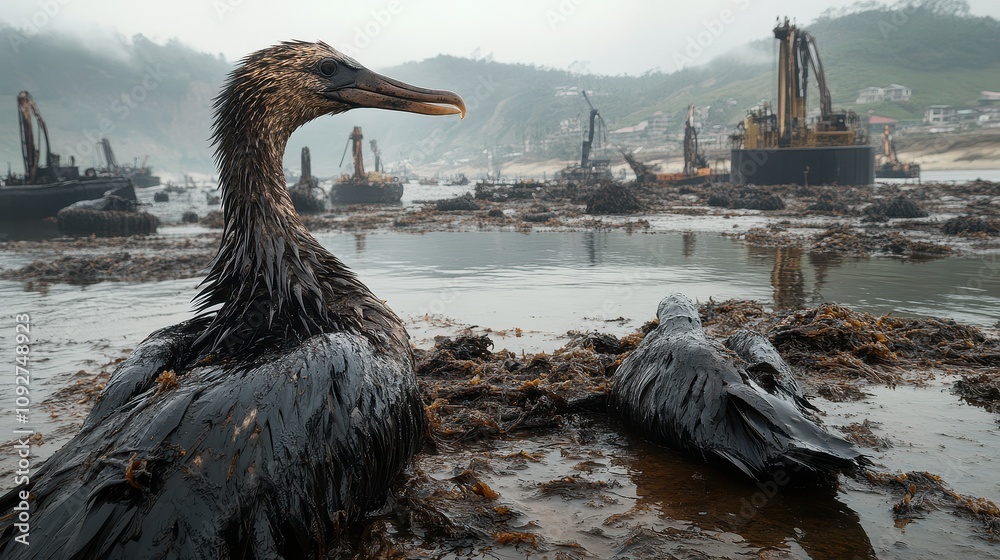
The Gulf of Mexico oil spill in March unleashed an environmental crisis that warranted urgent attention, as it severely polluted local beaches and decimated wildlife populations. This catastrophic event was tied to a leak near the Abkatun field, managed by Mexico’s state oil company, Pemex, raising concerns over operational safety in the region. As the oil spread for hundreds of miles, authorities initiated an oil spill investigation to trace the source and minimize the damage. The aftermath of the Gulf of Mexico oil spill has resulted in heightened awareness of marine ecosystem protection and the need for stringent measures to prevent future disasters. With ongoing discussions surrounding wildlife impact and pollution, the event has sparked a crucial dialogue among policymakers, environmentalists, and the community alike.
In March, a significant environmental disaster occurred in the coastal waters of the Gulf of Mexico, leading to widespread contamination that devastated local ecosystems. This incident draws attention to issues surrounding energy production, particularly regarding a recent Pemex oil spill linked to a leak at the Abkatun field. The ensuing pollution not only affected the pristine Gulf beaches but also posed a grave risk to the marine wildlife that calls this vibrant habitat home. As investigations into this oil spill continue, the urgency of addressing the consequences and implementing preventative strategies has become increasingly critical. Terms like ‘marine pollution incident’ or ‘offshore oil leak’ have become more prevalent in discussions as communities grapple with the ongoing ramifications of such accidents.
The Causes Behind the Gulf of Mexico Oil Spill
The recent oil spill in the Gulf of Mexico, specifically linked to a leak near the Abkatun field, highlights significant environmental concerns. The cause of the leak remains under investigation, with officials pointing to operational oversights from Pemex, the state-owned energy company. This incident has raised alarms about the aging infrastructure and safety protocols of oil extraction companies operating offshore. As the investigation unfolds, stakeholders are calling for stricter regulations and inspections to prevent future occurrences.
Additionally, the severity of the spill underscores the complexities of oil drilling in sensitive marine environments. The proximity of 13 ships at the time of the occurrence raises questions about the readiness of response teams and monitoring capabilities within the Gulf region. The lack of immediate identification of the leaking vessel complicates efforts to mitigate damages and address the source of the pollution effectively.
Frequently Asked Questions
What happened during the Gulf of Mexico oil spill in March 2023?
In March 2023, a significant oil spill in the Gulf of Mexico was caused by a leak near the Abkatun field, which is operated by Pemex, Mexico’s state energy company. The incident resulted in extensive pollution of Gulf beaches and had a devastating impact on local wildlife, as the oil spread for hundreds of miles across the water.
| Key Point | Details |
|---|---|
| Oil Spill | An oil spill occurred in the Gulf of Mexico. |
| Date | The incident happened in March. |
| Affected Areas | Beaches were polluted and wildlife was killed. |
| Cause | The leak originated near the Abkatun field. |
| Operator | The area is operated by Pemex, the state energy company. |
| Investigation Status | As of now, the vessel responsible has not been identified. |
| Inspections | Out of 13 ships in the area, none had been inspected at the time. |
Summary
The Gulf of Mexico oil spill in March highlights the significant environmental concerns associated with oil extraction and transportation. As reports indicate, the spill not only polluted beautiful beaches but also had devastating effects on local wildlife, raising alarms about marine ecological balance. This incident, linked to a leak near the Abkatun field operated by Pemex, underscores the necessity for stricter safety measures and timely inspections to prevent such occurrences in the future. The fact that 13 ships were present in the area without inspection highlights systemic issues within maritime operations. Moving forward, it is imperative that regulatory frameworks are strengthened to protect our oceans and coastal environments from similar incidents.



























