

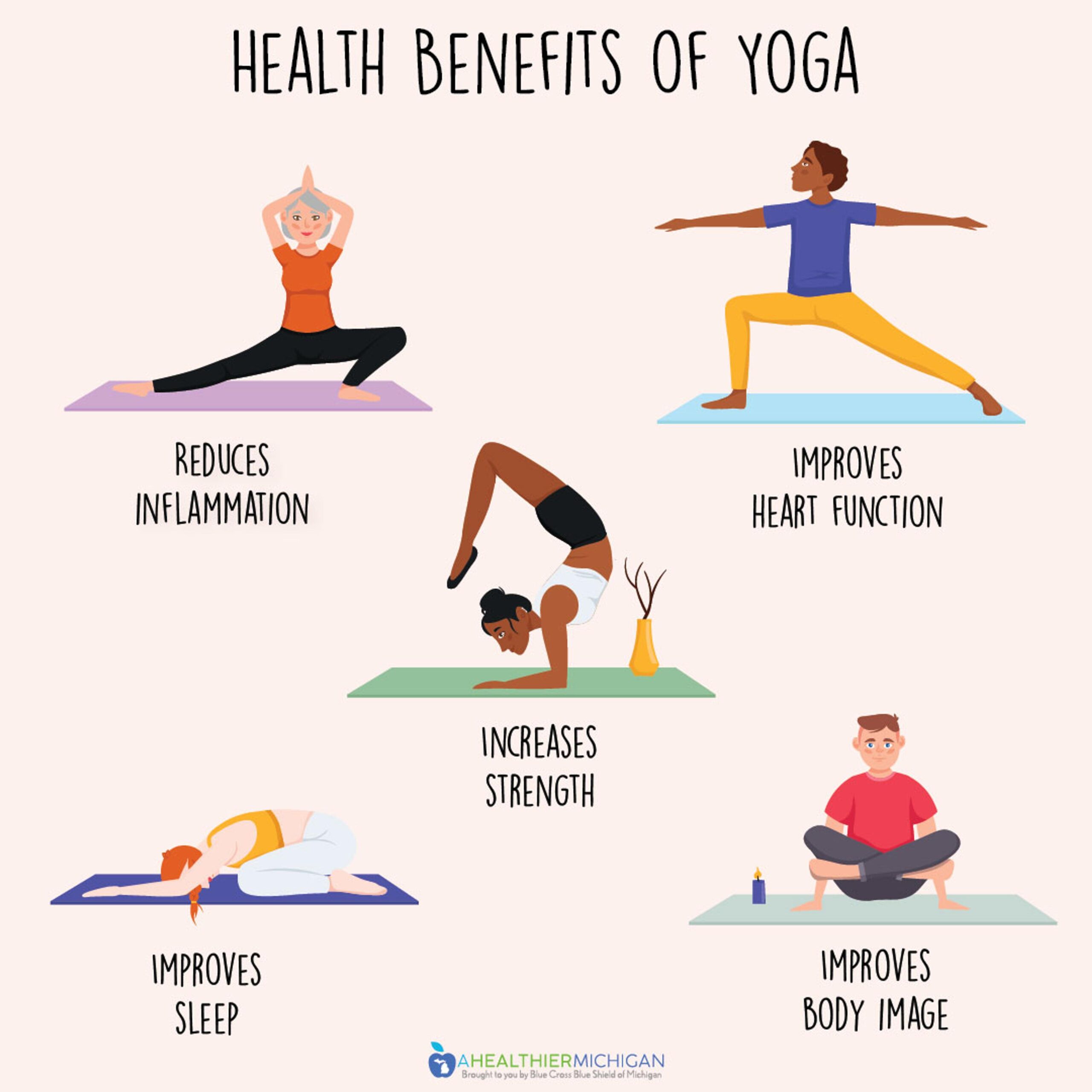
Yoga is more than just a fitness trend; it embodies a comprehensive approach to well-being, encompassing both physical and mental health benefits. Incorporating yoga into your daily routine can significantly enhance your overall health, providing numerous yoga for health advantages that are hard to ignore. From improving flexibility and strength to promoting mental clarity, the benefits of yoga are manifold. Many enthusiasts find that the mental benefits of yoga extend beyond the mat, helping to reduce stress and increase mindfulness in everyday life. By embracing yoga as a lifestyle, individuals can unlock a powerful path to a healthier, more balanced life.
Exploring the health advantages associated with yoga reveals a holistic practice that nurtures both body and mind. Whether you are drawn to its physical aspects or the meditative qualities, the pursuit of wellness through this ancient discipline offers profound insights. Engaging in regular yoga practice not only enhances physical fitness but also fosters emotional resilience and mental clarity. As practitioners integrate these techniques into their lives, they find that the strengths gained from this practice positively impact overall life quality. Ultimately, adopting yoga into one’s lifestyle transforms the way we approach health and wellness.
Exploring the Health Benefits of Yoga
Yoga has been practiced for thousands of years and is renowned for its numerous health benefits. One of the primary advantages of yoga is its ability to enhance overall physical health. Regular practice of yoga can improve flexibility, strength, and balance, leading to a more toned physique. Additionally, yoga serves as a low-impact exercise that reduces the risk of injury while promoting cardiovascular health. The incorporation of breath control in yoga helps optimize lung capacity and promotes efficient oxygen circulation throughout the body.
Beyond physical benefits, yoga significantly contributes to mental well-being. The various poses and mindfulness practices associated with yoga have been shown to alleviate anxiety, stress, and depression. Furthermore, engaging in yoga cultivates a deeper sense of self-awareness, enabling practitioners to better manage their emotions. As a holistic practice, yoga not only emphasizes physical postures but also encourages mindfulness and meditation, fostering a balanced and healthy lifestyle.
The Mental Benefits of Yoga
In today’s fast-paced world, mental health challenges are increasingly common, making practices like yoga essential for promoting psychological wellness. The mental benefits of yoga are profound and multifaceted, providing individuals with tools to cope with stress and anxiety effectively. Through consistent yoga practice, participants can develop a greater sense of calm and focus, allowing them to stay grounded in challenging situations. Yoga encourages the release of endorphins, which can elevate mood and promote feelings of happiness and relaxation.
Additionally, yoga is often associated with improved sleep quality, as the relaxation techniques learned during practice can help individuals unwind and prepare their minds for rest. Insomnia and sleep disorders can be alleviated through a regular yoga routine, as it promotes a state of relaxation that is conducive for sleep. As an integral part of mental health, yoga offers not only immediate benefits but also long-term improvements in one’s emotional resilience and coping capabilities.
Moreover, yoga can also enhance cognitive functions, including memory and concentration. Practicing various asanas (postures) and breathing exercises requires focus and mental clarity, sharpening the mind and improving mental agility. As a result, yoga can be a powerful ally for students and professionals alike, facilitating better performance and productivity.
Yoga Physical Benefits
The physical benefits of yoga are extensive, affecting almost every aspect of the body. Regular practice enhances muscular strength, creating a leaner physique, and improves flexibility, which is crucial for preventing injuries. In addition, engaging in yoga postures allows for better posture and alignment, reducing the strain on the spine and alleviating chronic pain conditions. For athletes and active individuals, yoga can significantly enhance performance by increasing agility and coordination.
Moreover, yoga promotes cardiovascular health by lowering blood pressure and improving circulation. Practices that involve rhythmic movements and deep, controlled breathing facilitate heart rate regulation, resulting in lower levels of stress hormones in the body. This combination not only contributes to a healthier heart but also boosts overall stamina, making everyday activities easier to manage. Since yoga encourages a holistic approach to fitness, it profoundly influences the physical aspect of one’s well-being.
Integrating Yoga as a Lifestyle
Many individuals who practice yoga often find that it becomes more than just a form of exercise; it evolves into a way of life. Integrating yoga as a lifestyle encompasses adopting mindfulness, healthy eating habits, and a focus on overall well-being. This transformation enhances not only physical health but also promotes mental and emotional balance. By embracing yoga principles, practitioners tend to cultivate healthier relationships, both with themselves and others.
As a lifestyle choice, yoga encourages individuals to be present in their daily activities and interactions. Mindful living through yoga can lead to greater productivity and satisfaction in both personal and professional realms. Furthermore, the community aspect of yoga, often found in classes and workshops, promotes social connections and support, contributing positively to mental health. By incorporating yoga principles into everyday life, individuals experience comprehensive growth that nurtures all aspects of their well-being.
Yoga and Stress Reduction
Stress is a common issue in modern society, and yoga presents a potent remedy to combat its effects. The practices involved in yoga, such as deep breathing and meditation, help soothe the nervous system and reduce the body’s stress response. By focusing on the present moment and practicing mindfulness, individuals learn to let go of worries and anxieties, leading to a more relaxed state of mind. Regular engagement in yoga can aid in developing resilience against stress, enhancing one’s ability to cope with life’s challenges.
In addition to reducing stress, yoga helps build emotional intelligence. Practitioners develop a heightened awareness of their thoughts and feelings, facilitating better emotional regulation. This self-awareness fosters a proactive approach to stress management, allowing individuals to identify stress triggers and respond healthily. Moreover, the social environment created in yoga classes can offer a sense of community and support, further aiding in emotional and psychological health, especially during stressful periods.
Exploring Different Yoga Styles for Health
There are numerous styles of yoga, each offering distinct benefits for both physical and mental health. Hatha yoga, which focuses on physical postures and breathing techniques, is an excellent starting point for newcomers looking to improve their flexibility and strength. On the other hand, Vinyasa yoga integrates breath with movement, promoting greater cardiovascular health and vitality through dynamic sequences. Understanding the different styles allows practitioners to tailor their yoga practice to suit their personal health goals and preferences.
Ashtanga and Bikram yoga push physical boundaries through rigorous and high-intensity sessions, suitable for those seeking to challenge themselves further. Meanwhile, restorative and Yin yoga focus on deep relaxation and meditation, supporting slow-paced restoration and mental clarity. The variety in yoga styles ensures that there’s something for everyone, making yoga an accessible practice for individuals of all fitness levels and health conditions.
The Role of Breathing in Yoga and Health
Breathing is a fundamental component of yoga practice, playing a crucial role in its health benefits. Known as ‘pranayama,’ the breathing techniques in yoga enhance lung capacity, promote better oxygenation of the body, and improve overall respiratory function. Controlled breathing helps calm the mind and body, reducing symptoms of anxiety and increasing relaxation levels. By focusing on breath control, individuals can achieve a deeper state of presence and mindfulness, further enhancing the benefits of their yoga practice.
Besides physical health, breathing techniques found in yoga significantly contribute to improved emotional regulation. As practitioners learn to manage their breath, they often find it easier to manage emotional responses and stress levels. This connection between breath and mental state is fundamental in many therapeutic approaches that utilize yoga as a complementary practice. Thus, mastering breathing techniques not only aids in immediate wellness but also fosters long-term mental clarity and resilience.
Yoga for Physical Rehabilitation
Yoga has gained recognition as an effective tool for physical rehabilitation. Its gentle yet challenging approach makes it suitable for individuals recovering from injuries or surgeries. Many health professionals recommend yoga as a complementary therapy, helping to restore mobility, strength, and flexibility. Adaptive yoga practices can be tailored to meet the needs of unique conditions, ensuring that individuals can safely engage in recovery while rebuilding their physical capabilities.
Moreover, the mindful aspect of yoga promotes an understanding of one’s body, allowing for greater awareness during the rehabilitation process. This heightened body awareness helps individuals to understand their limitations and progress, crucial for safe recovery. By integrating yoga into rehabilitation journeys, individuals can experience a holistic recovery that addresses not just physical aspects but also emotional and psychological well-being.
Enhancing Your Yoga Practice with Nutrition
Nutrition plays a crucial role in maximizing the benefits of yoga practice. A balanced diet rich in whole foods can support energy levels, recovery, and overall health. Consuming a variety of fruits, vegetables, lean proteins, and healthy fats provides the necessary nutrients that fuel the body for rigorous yoga sessions. Hydration is also a key component, ensuring that the body remains in optimal condition for practice.
Additionally, certain foods may enhance specific yoga outcomes, like incorporating anti-inflammatory foods to support joint health or energizing snacks before practice. Being mindful of nutrition enables practitioners to maintain peak performance in their yoga activities, enhancing both the physical and mental benefits. This holistic approach to health allows yoga enthusiasts to truly connect their dietary choices with their overall wellness goals.
Frequently Asked Questions
What are the health benefits of yoga?
Yoga offers a myriad of health benefits, including physical, mental, and emotional wellness. Practicing yoga improves flexibility, strength, and balance, which contribute to overall physical health. Additionally, yoga enhances mental clarity, reduces stress and anxiety, and promotes emotional stability.
How does yoga for health improve mental clarity?
Yoga for health significantly improves mental clarity by encouraging mindfulness and meditation. These practices help reduce stress, leading to clearer thinking and improved focus, thereby enhancing cognitive function.
What are the physical benefits of yoga?
The physical benefits of yoga include increased muscle strength, improved posture, and enhanced flexibility. Regular practice can also lead to better respiratory function and cardiovascular health, making it an effective exercise for overall physical well-being.
Can yoga as a lifestyle contribute to better health?
Yes, adopting yoga as a lifestyle can lead to better health by integrating physical activity, mindfulness, and stress reduction into daily routines. This holistic approach can improve overall quality of life, mental clarity, and emotional balance.
What are the mental benefits of yoga and how do they impact daily life?
The mental benefits of yoga include reduced anxiety, enhanced mood, and greater emotional resilience. These aspects can positively impact daily life by fostering better relationships, improving work productivity, and promoting a sense of inner peace.
How often should I practice yoga for optimal health benefits?
To reap the optimal health benefits of yoga, it is recommended to practice at least 2-3 times a week. Consistency is key, as regular practice enhances both physical and mental health over time.
Can beginners enjoy the health benefits of yoga?
Absolutely! Beginners can enjoy the health benefits of yoga by starting with gentle classes designed for newcomers. This allows them to develop their flexibility and strength at their own pace while reaping mental health advantages.
What style of yoga is best for physical health benefits?
Styles such as Hatha, Vinyasa, and Power Yoga are excellent choices for physical health benefits. These styles emphasize strength-building poses and cardiovascular activity, making them effective for improving overall fitness.
Is yoga beneficial for stress management?
Yes, yoga is highly beneficial for stress management. The combination of physical movement, breathing techniques, and meditation practices helps reduce stress hormones and promotes relaxation, enhancing overall mental well-being.
How does incorporating yoga into my lifestyle improve my overall health?
Incorporating yoga into your lifestyle improves overall health by promoting regular physical activity, encouraging mindfulness, and reducing stress. This holistic practice supports both mental and physical well-being, fostering a healthier existence.
| Key Points |
|---|
| Improves Flexibility |
| Enhances Mental Clarity |
| Boosts Immunity |
| Promotes Relaxation and Stress Relief |
| Supports Better Posture |
| Aids in Weight Management |
| Improves Overall Well-being |
Summary
The health benefits of yoga are numerous and impactful, contributing to both physical and mental wellness. Engaging in regular yoga practice not only enhances flexibility and physical posture, but it also plays a significant role in boosting immunity and promoting relaxation. With its ability to improve mental clarity and support weight management, yoga is an essential practice for achieving overall well-being. Whether you’re a beginner or advanced practitioner, incorporating yoga into your routine can lead to a healthier lifestyle and improved quality of life.



























