 11
11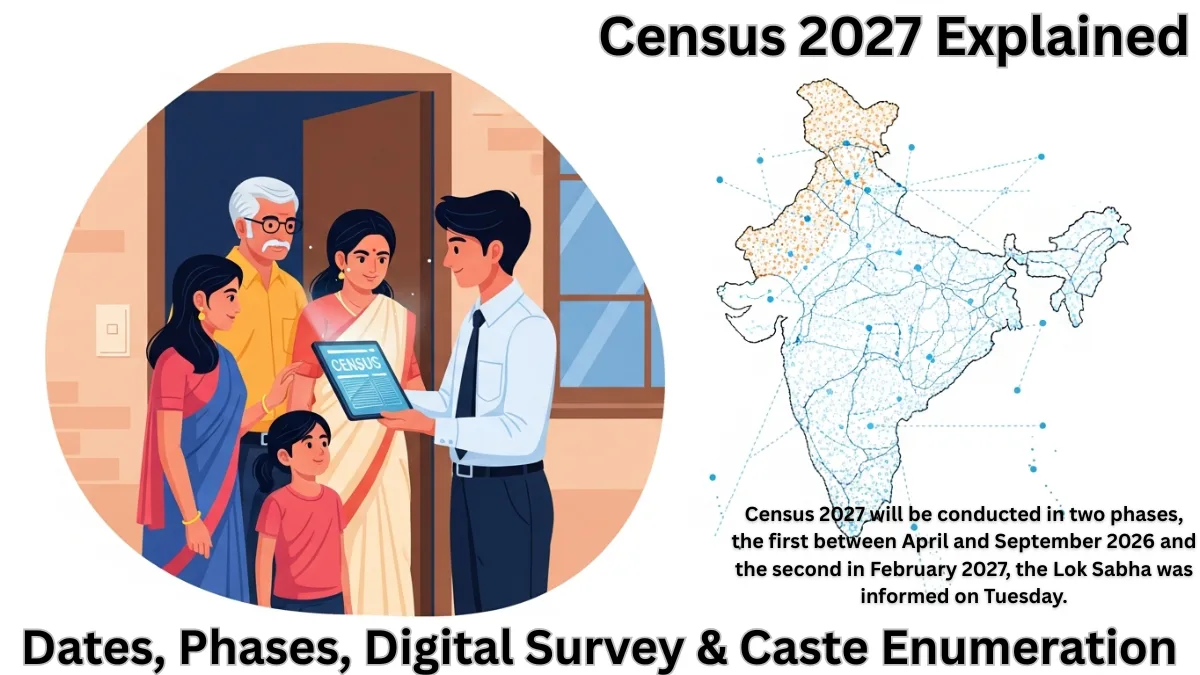
The Mizoram Census 2027 has commenced its first phase, kicking off a crucial process that will unveil vital Mizoram population details. This comprehensive survey aims to capture not only the number of residents but also detailed insights into migration statistics, including the significant presence of Chin refugees in Mizoram. As the House Listing and Housing Census progresses, updates on the Census 2027 are eagerly anticipated, particularly concerning the estimated 30,000 foreign refugees and their unique circumstances. The data collected during this process will provide a clearer understanding of regional demographics and migration trends. With this information, policymakers can make informed decisions that resonate with the needs of both local residents and refugees alike.
The ongoing House Listing and Housing Census for Mizoram is a pivotal event that will reshape our understanding of population dynamics in the region. Scheduled to unfold over the next few months, this extensive household enumeration includes methods to assess demographic changes and migration flows within Mizoram. It is crucial for gathering accurate data about the various communities residing in the state, including those from diverse backgrounds such as the Chin who have sought refuge in Mizoram. The Census 2027 will capture comprehensive details on these migration patterns and the living conditions of both local citizens and refugees. As the data emerges, stakeholders will gain valuable insights into the Mizo demographic landscape and migration statistics, shaping future policies and aid initiatives.
The Mizoram Census 2027 is a pivotal process that aims to accurately document the state’s population, housing, and migration statistics. Kicking off with the House Listing and Housing Census (HLO), this phase is crucial for collecting essential data about residents and their living conditions. Scheduled to run until May 15, the HLO will lay the groundwork for the much-anticipated Population Enumeration phase starting in February 2027. The detailed data collected will help in understanding demographics, distribution, and the economic status of Mizoram’s residents.
One of the key features of the Census 2027 is its emphasis on migration patterns. The census will gather vital information regarding migration reasons, which is essential for formulating policies to address the challenges faced by both residents and incoming populations. This inclusive approach ensures that even individuals from diverse backgrounds, including refugees, are counted, thereby providing a clearer picture of the demographic landscape of Mizoram.
As of the last census in 2011, Mizoram’s population stood at approximately 1.097 million. The 2027 Census aims not just to update these figures but also to provide a nuanced understanding of the factors influencing population changes over the past decade. Growth rates, demographic shifts, and migration flows all contribute to the evolving identity of Mizoram, and accurate census data is essential for capturing these dynamics.
Detailed population statistics manifest in various forms, including age distribution, sex ratio, and ethnic composition. These aspects are not only important for government planning and resource allocation but also for community development initiatives. Understanding the Mizo population in relation to surrounding areas and the influx of refugees can provide insights into the socio-economic fabric of the state.
The ongoing conflict in Myanmar has resulted in a significant influx of Chin refugees into Mizoram, estimated at around 30,000 individuals. These refugees share cultural and ethnic ties with the Mizo people, which has fostered a unique bond and contributed to their acceptance in the local community. However, this influx brings about challenges relating to resource allocation, social integration, and cultural preservation.
The upcoming Census 2027 will include these refugees in its count, emphasizing the need to understand their contribution to the demographic and socio-economic landscape of Mizoram. By gathering data on the refugee population, including their socio-economic status and integration levels, the census will inform policies aimed at fostering solidarity and support for both refugees and local residents.
As Mizoram prepares for the Census 2027, updates on the process will be crucial for public awareness and participation. Expected to employ digital means for self-enumeration, the census aims to enhance accuracy and promote a larger turnout. The online portal initiated in early April 2026 has already seen over 10,294 self-enumerations completed, indicating community engagement and interest.
Census officials are optimistic that the second phase, focusing on population enumeration in February 2027, will yield impactful insights into migration statistics and trends. This information will not only help in understanding the current demographics but will also facilitate targeted interventions to address challenges posed by migration and the presence of refugees in Mizoram.
Migration has become a significant aspect of Mizoram’s demographic story. The census will seek to document the various motivations behind migration, enabling a more comprehensive understanding of population shifts over time. These motivations may include economic opportunities, educational prospects, or familial ties, highlighting the complexity of migration dynamics.
With thousands of refugees from Myanmar and Bangladesh residing in Mizoram, understanding these migration patterns is more important than ever. The census will provide critical data to assist policymakers in developing measures that address the needs of both the local population and migrants, thereby fostering a harmonious co-existence.
The presence of Chin refugees in Mizoram poses both challenges and opportunities for the region. While their arrival enriches the cultural tapestry of Mizoram, it also necessitates focused support systems to address their specific needs. As we look towards Census 2027, gathering detailed statistics about these refugees will be crucial in informing humanitarian efforts and ensuring their integration into the community.
Organizations and local governments are working together to develop programs aimed at supporting Chin refugees, focusing on health, education, and employment. Accurate census data will play a key role in identifying gaps in services and promoting effective resource allocation to meet the needs of both refugees and residents.
Self-enumeration is a crucial component of the Census 2027 process, allowing individuals to report their own household details online to enhance data accuracy. This method not only empowers residents by giving them control over their data but also encourages greater participation, thus improving the overall quality of census results.
As the first phase of the census progresses, officials are encouraging residents to take full advantage of the self-enumeration portal, which began on April 1, 2026. By actively participating in this process, Mizoram residents can ensure that their voices, as well as those of the refugees living among them, are heard and represented in the census findings.
The significance of accurate census data cannot be overstated, particularly in developing targeted policies for socio-economic development. The insights gathered from the Census 2027 will inform government decisions on resource allocation, infrastructure development, and the creation of social services tailored to the needs of a diverse population, including refugees.
With a clearer understanding of demographic trends, local and state governments can better address issues such as housing shortages, educational needs, and health services. This data-driven approach fosters inclusive policies that benefit both longstanding residents and newcomers, ultimately leading to a more resilient and cohesive society.
The interaction between local Mizos and Chin refugees has led to a unique cultural exchange enriched by shared ethnic backgrounds but also marked by distinct differences. Understanding these interactions will be pivotal for the Census 2027, as it highlights the importance of social cohesion in multicultural settings.
By capturing the nuances of cultural exchange, the census can help inform community programs that promote integration and understanding. Emphasizing respect for diverse cultural identities will be key in ensuring a harmonious coexistence between indigenous populations and refugees.
The implications of the Census 2027 data will extend beyond its immediate outcome, shaping future policies and societal attitudes towards migration and refugees in Mizoram. By providing a wealth of information, the census will empower stakeholders with the knowledge needed to tackle challenges related to population dynamics.
Moreover, consistent tracking of migration statistics and population changes over the years will allow for nimble responses to evolving needs and trends. As Mizoram continues to navigate the complexities of demographic changes, the Census 2027 will serve as a foundational tool for planning and development.
The Mizoram Census 2027 includes a comprehensive House Listing and Housing Census (HLO) phase, which started on April 16, 2026, and lasts until May 15, 2026. This census will gather data on the population, housing, and migration statistics, including reasons for migration. The second phase, the Population Enumeration (PE), is scheduled to begin in February 2027.
In the Mizoram Census 2027, the Chin refugees will be counted during the Population Enumeration (PE) phase, beginning in February 2027. Approximately 30,000 Chin refugees from Myanmar and around 2,000 refugees from Bangladesh will be included, reflecting the state’s commitment to documenting the population, regardless of nationality, as per census guidelines.
As per the 2011 census, Mizoram’s population was recorded at 1.097 million. The upcoming Mizoram Census 2027 will provide updated population details, incorporating current data including the variations due to migration and refugee counts.
The Mizoram Census 2027 will gather detailed migration statistics by including specific questions related to migration and the reasons behind it. This data will help authorities understand population dynamics and plan services more effectively for both residents and refugees.
Updates for the Mizoram Census 2027 will be ongoing. The House Listing and Housing Census phase runs until May 15, 2026, followed by the Population Enumeration phase starting in February 2027, after which detailed population reports and statistics will be released.
The Mizoram Census 2027 includes foreign refugees to ensure an accurate count of the population residing in the state. This approach aligns with census guidelines, which recognize individuals who live in a location at the time of the census, irrespective of their citizenship.
Challenges in conducting the Mizoram Census 2027 may include accurately counting the Chin refugees and addressing potential language barriers and trust issues among the displaced populations. Effective communication and outreach programs will be essential to ensure participation.
The self-enumeration phase for the Mizoram Census 2027 commenced on April 1, 2026, with a positive response. By April 15, over 10,294 self-enumeration submissions were completed online, indicating strong community engagement in the census process.
| Key Points | Details |
|---|---|
| Census 2027 Start | The first phase, House Listing and Housing Census (HLO), started on April 14, 2026, and will continue until May 15, 2026. |
| Second Phase Timing | The Population Enumeration (PE) phase will begin in February 2027. |
| Refugee Inclusion | Foreign refugees residing in Mizoram will be counted in the second phase of the census. |
| Current Refugee Count | Approximately 30,000 Chin refugees from Myanmar and 2,000 refugees from Bangladesh live in Mizoram. |
| Self-Enumeration Details | Self-enumeration for the census began on April 1, 2026, with over 10,294 submissions by April 15. |
| Population Figure from Previous Census | The 2011 census recorded Mizoram’s population as 1.097 million. |
The Mizoram Census 2027 marks a significant initiative in accurately capturing the state’s population dynamics. With the commencement of the House Listing and Housing Census, followed by the Population Enumeration phase in February, this census aims to include all residents, including refugees from neighboring countries. This approach not only highlights the state’s commitment to comprehensive demographic data collection but also underscores the ongoing humanitarian considerations involving Chin refugees and others. As Mizoram prepares for this vital process, the successful participation of its residents, as seen from the early self-enumeration efforts, will be crucial in shaping the future policies and resource allocation for the state.