The Tipra Motha Party, a key player in Tripura’s political landscape, has recently made headlines following its remarkable election victory in the Tripura Tribal Areas Autonomous District Council (TTAADC). Led by founder Pradyot Bikram Manikya Debbarma, the party won a staggering 24 out of the 28 council seats, demonstrating its immense popularity among the tribal communities. This significant achievement not only highlights the party’s growing influence but also reinforces its mission for “Greater Tipraland,” a demand that resonates deeply with many voters. Following this victory, Meghalaya Chief Minister Conrad K. Sangma extended his congratulations to Debbarma, emphasizing the positive implications for a united vision of “One North East.” The election, which saw the Tipra Motha Party solidify its position as a major force, took place on April 12, with the results showcasing a clear mandate for the party’s agenda.
The recent triumph of the Tipra Motha Party in the Tripura Tribal Areas Autonomous District Council elections signals a pivotal moment for the region’s political dynamics. Established by Pradyot Bikram Manikya Debbarma, this party emerged with a focus on amplifying the voices of tribal populations and advocating for the creation of “Greater Tipraland.” The overwhelming support for the party, reflected in their victory, underscores a growing desire for regional autonomy and self-governance among the indigenous communities of Tripura. This important electoral outcome is not just a win for the Tipra Motha Party but also highlights broader aspirations within the North Eastern states of India, particularly in fostering cooperation and unity across tribal lines.
Tipra Motha Party’s Landslide Victory in TTAADC Elections
The recent elections for the Tripura Tribal Areas Autonomous District Council (TTAADC) witnessed a historic moment with the Tipra Motha Party securing an impressive victory. Winning 24 out of the 28 available seats, the party led by Pradyot Bikram Manikya Debbarma has not only marked its dominance but has also reinforced its standing as a representative voice for the tribal community in Tripura. This victory signals a significant political shift in the region, showcasing a strong inclination towards the party’s agenda, which includes the demand for Greater Tipraland. The overwhelming support from voters is indicative of the community’s aspiration for self-governance and recognition under Debbarma’s leadership.
This electoral success is a testament to the Tipra Motha Party’s growing influence, especially among the tribal populace. Pradyot Bikram Manikya Debbarma’s vision for Greater Tipraland resonates deeply within his constituency, as evidenced by the extensive awareness and campaigning leading up to the elections. The backing from Meghalaya Chief Minister Conrad K. Sangma further amplifies the importance of this victory. It highlights the potential for collaborative efforts in fostering unity among the northeastern states of India, aligning with the shared ethos of ‘One North East.’ The Tipra Motha Party’s triumph not only reaffirms their agenda but also sets a precedent for future governance in the region.
The Role of Pradyot Bikram Manikya Debbarma in Tipra Motha’s Success
Pradyot Bikram Manikya Debbarma, the founder of the Tipra Motha Party, has played a pivotal role in shaping the party’s strategies and aspirations, particularly aimed at the tribal population of Tripura. His royal lineage and personal dedication to advocating for tribal rights have energized the electorate, encouraging a sense of pride and identity among the community. Debbarma’s call for Greater Tipraland reflects his commitment to securing political autonomy and greater representation, which are crucial factors in the party’s electoral success, as seen in the council elections.
Moreover, Debbarma’s leadership has established a strong emotional connection with the voters, motivating them to support the party’s vision for sustainable development and cultural preservation. This success is not merely a political win but a realization of the aspirations harbored by the tribal individuals who seek deeper representation in governance. The ability to mobilize tribal support and articulate their needs effectively has cemented Debbarma’s status as a significant leader in the Northeastern political landscape, especially as collaborations with other regional leaders grow.
Implications of Tipra Motha Party’s Victory for Tribal Governance
The landslide victory of the Tipra Motha Party in the TTAADC elections signifies a transformative phase for tribal governance in Tripura. By securing such a commanding majority, the party has the potential to implement policies that are more reflective of the tribal community’s needs and aspirations. The TTAADC serves as a crucial platform for contributing to the development of the region, and with Tipra Motha at the helm, there is an expectation for enhanced focus on tribal welfare, sustainable development, and local self-governance. The party’s emphasis on Greater Tipraland also underscores an urgent call for negotiations regarding tribal rights and territory.
Furthermore, this victory may also serve to encourage other regional parties and tribal groups within the Northeastern states to assert their political agendas, fostering a more inclusive political dialogue. As the Tipra Motha Party advances its initiatives, it could catalyze a wider movement for tribal representation not just in Tripura but across other states in the region too. This shift could reshape tribal governance frameworks, thereby promoting socio-economic development and cultural preservation, vital for the survival of tribal communities in India.
Contributions to Northeast Unity and Collaboration
The congratulatory message from Meghalaya Chief Minister Conrad K. Sangma to Pradyot Bikram Manikya Debbarma emphasizes the importance of unity and collaboration across northeastern states following the Tipra Motha Party’s victory. The notion of ‘One North East’ represents a vision for collective growth and shared objectives among various communities, highlighting the significance of inter-state collaboration in governance and development. By forging alliances with neighboring states, leaders can work together to address common challenges, from cultural preservation to economic development, ultimately enriching the political landscape of the region.
Additionally, Tipra Motha’s electoral success may inspire similar cooperative politics among other parties in the Northeast, potentially leading to a more unified approach to governance. As regional dynamics continue to shift, the emergence of a stronger, more unified front could redefine political strategies and responses to the unique challenges faced by the northeastern states. The shared successes of leaders like Debbarma and Sangma may pave the way for joint initiatives aimed at fostering sustainable development, cultural heritage, and regional stability.
Significance of the Tripura Tribal Areas Autonomous District Council
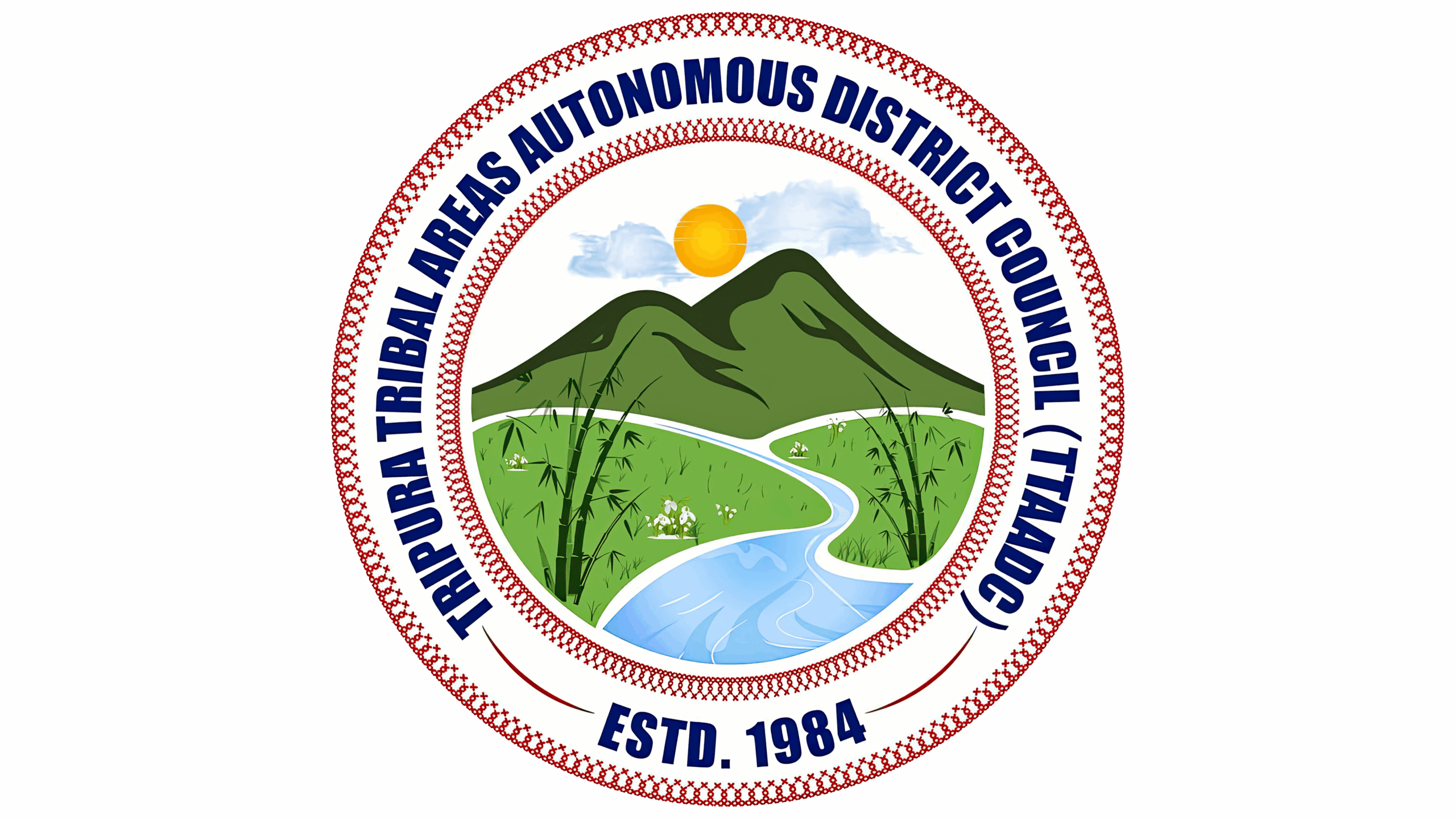
The Tripura Tribal Areas Autonomous District Council plays a critical role in governance for approximately two-thirds of Tripura’s geographical area, affecting the lives of about 1.5 million inhabitants. By controlling significant aspects of local administration, the council has the authority to make decisions pertinent to education, land use, and cultural preservation, among others. The Tipra Motha Party’s substantial win enables them to influence policies directly impacting tribal rights and development, making their role in the council vital for local populations.
Moreover, the council functions as a mechanism through which tribal voices can be amplified in the legislative process. The election results symbolize a turning tide for representation and empowerment of indigenous communities, ensuring that their interests are prioritized in government initiatives. With the Tipra Motha Party in a dominant position, there is a strong anticipation for progressive policies that align more closely with the unique needs and aspirations of the tribal populace in Tripura.
Historic Context of the Tipra Motha Party’s Formation
Founded in 2020, the Tipra Motha Party arose from a pressing need for a political entity that would represent the interests and rights of the tribal people in Tripura. The party was established by Pradyot Bikram Manikya Debbarma, who sought to address the historical marginalization of the tribal community in the political landscape. The party’s message resonated with many, emphasizing the demand for restoration of rights and greater autonomy, thus standing as a beacon of hope for those who felt overlooked in governance.
The recent electoral victory can be seen as a culmination of persistent efforts to claim space for tribal representation in Tripura. This historic context reminds constituents of the importance of grassroots movements in defining democracy and governance. The establishment of the Tipra Motha Party and its trajectory towards success reflects a broader movement towards self-determination and recognition of indigenous rights, which is paramount in building a fairer society.
Future Prospects for Tipra Motha Party Leadership
With the recent victory in the TTAADC elections, the future looks promising for the Tipra Motha Party and its leadership under Pradyot Bikram Manikya Debbarma. As the party endeavors to push forward its agenda for Greater Tipraland, there is a strong potential for transformative change within the region’s political dynamics. The mandate speaks volumes about the voters’ confidence in the party’s vision, which could pave the way for innovative solutions addressing long-standing issues such as unemployment, education, and healthcare in tribal areas.
Moreover, Debbarma’s leadership is now under the spotlight, presenting opportunities for him to further engage with stakeholders and influence higher-level policies that affect his constituency. As the party seeks to solidify its stance, there is anticipation for proactive measures that enhance governance and foster unity among tribal communities. The trajectory of the Tipra Motha Party may serve as a model for other regional parties aspiring for representation and empowerment, thereby contributing to the political evolution of Northeastern India.
Challenges Ahead for Tipra Motha Party
Despite its electoral success, the Tipra Motha Party faces various challenges that must be addressed to sustain its momentum. As it operates within a complex political landscape, the party must navigate potential opposition from established parties like the Bharatiya Janata Party. Additionally, the need to translate electoral promises into tangible outcomes will be crucial in maintaining the trust and support of its constituents. The pressure to deliver on the aspirations of the tribal community, especially regarding the demand for Greater Tipraland, can pose significant challenges.
Furthermore, the Tipra Motha Party must work on solidifying its leadership structure and engage effectively with its supporters to ensure that internal divisions do not impede progress. Building collaborations and partnerships with other political entities within the Northeast will be important as they tackle collective issues such as socio-economic development and cultural preservation. Addressing these challenges thoughtfully and strategically will be essential for the continued success and impact of the Tipra Motha Party in future political endeavors.
Frequently Asked Questions
What was the significance of the Tipra Motha Party’s election victory in the Tripura Tribal Areas Autonomous District Council?
The Tipra Motha Party’s recent election victory in the Tripura Tribal Areas Autonomous District Council (TTAADC) is significant as it won 24 out of the 28 seats, showcasing its strong support among the tribal population in Tripura. This landslide victory not only reinforces its political power but also highlights the party’s consistent advocacy for the demand of ‘Greater Tipraland.’ The success further strengthens the party’s position under the leadership of founder Pradyot Bikram Manikya Debbarma and reflects the ongoing support for tribal political representation in the region.
| Key Point | Details |
|---|---|
| Chief Minister’s Congratulatory Message | CM Conrad K. Sangma congratulated Tipra Motha Party founder Pradyot Bikram Manikya Debbarma for their electoral victory. |
| Election Results | Tipra Motha Party won 24 out of 28 seats in the Tripura Tribal Areas Autonomous District Council elections. |
| Bharatiya Janata Party Performance | The Bharatiya Janata Party secured 4 seats in the elections. |
| Council Functionality | The council governs nearly two-thirds of Tripura and serves a population of around 1.5 million. |
| Election Dates | Polling occurred on April 12, and votes were counted on April 17. |
| Party’s Background | Founded in 2020 by former royal scion Pradyot Manikya, the party advocates for “Greater Tipraland”. |
| Significance of Victory | This victory marks Tipra Motha Party’s second consecutive success in council elections, highlighting its support among the tribal population. |
Summary
Tipra Motha Party has recently made headlines following a spectacular electoral victory in the Tripura Tribal Areas Autonomous District Council elections. This success, where they secured 24 out of 28 seats, signifies a robust endorsement from the tribal populace of Tripura. Founded by Pradyot Bikram Manikya Debbarma, the Tipra Motha Party’s vision for “Greater Tipraland” resonates strongly with voters, as evidenced by their continuous electoral gains since 2020. Their achievements are not just numbers; they reflect the aspirations of nearly 1.5 million people governed by the council. With this recent triumph, Tipra Motha Party is not merely a political entity; it embodies a movement aimed at uniting and empowering the tribal communities, furthering a collective vision for a prosperous and inclusive future.