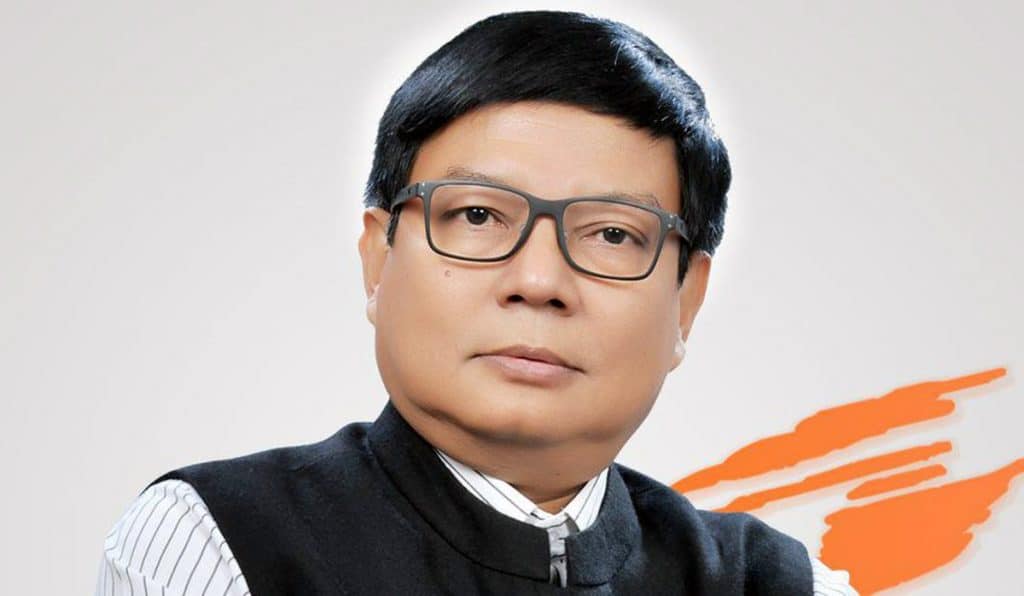
Guwahati election security has come under scrutiny as concerns are raised about the integrity of the safeguards in place during the Assam elections. Debabrata Saikia, the Leader of Opposition in the outgoing Assam Legislative Assembly, voiced his apprehensions regarding potential vulnerabilities at a strongroom in Sivasagar, which stores electoral materials for three key constituencies—Demow, Sivasagar, and Nazira. He pointed out that the existing security arrangements at this location are reportedly in violation of the Election Commission guidelines, which are designed to protect the sanctity of the ballot. Photographic evidence submitted by Saikia indicates that a mere single padlock is currently securing the strongroom, undermining the critical double-lock safeguard mandated by the Election Commission. With procedural breaches and inadequate surveillance methods in place, the security of voting has become a pressing concern that needs immediate attention to uphold the democratic process in Assam.
The security measures surrounding the current electoral process in Guwahati warrant a closer examination, particularly in light of recent statements from local political leaders. During the Assam elections, critical questions have arisen regarding the security of strongrooms, with specific focus on the protocols set forth by the Election Commission. As allegations about insufficient perimeter defenses and the absence of effective surveillance have emerged, worries about the vulnerability of election materials continue to grow. The integrity of the elections in Assam hinges on the fidelity of these security practices, which are pivotal in ensuring public confidence in the electoral system. Thus, examining and reinforcing the protective measures in place is essential to maintaining the legitimacy of the voting process.
Concerns Over Guwahati Election Security
As the recent Assam elections concluded, security concerns have surged, particularly in Guwahati. Debabrata Saikia, the Leader of Opposition, raised significant alarms regarding the inadequate security measures at the strongroom in Sivasagar, where crucial election materials from the constituencies of Demow, Sivasagar, and Nazira are stored. He highlighted that the entry points, which should be fortified under strict Election Commission guidelines, are alarmingly vulnerable, posing risks to the integrity of the electoral process.
Saikia’s assertions are not about mere procedural violations; they touch on the fundamental aspects of electoral credibility. The alleged use of a single padlock on strongroom doors fails to comply with mandated double-lock standards, leading to deepening fears regarding the safeguarding of polled Electronic Voting Machines (EVMs). With elections being the cornerstone of democratic practices, ensuring robust security in accordance with the Election Commission’s directives is paramount for upholding public trust in the electoral outcomes.
Election Commission’s Security Protocol Violations
The Election Commission of India has delineated specific security protocols that must be adhered to in order to maintain the sanctity of the election process. This includes securing strongrooms with a double-lock system wherein one key is held by the Returning Officer and the other by the Assistant Returning Officer. Saikia’s contentions against the Sivasagar strongroom highlight a critical lapse in following such guidelines, which is a cause for concern in the broader scope of the Assam elections.
Moreover, Saikia’s concerns extend to the perimeter security which should ideally involve Central Armed Police Forces (CAPF) protecting at least the innermost perimeter around the strongroom. The absence of adequate electronic surveillance, as highlighted in his complaint, raises further alarms about the integrity of the election materials stored within. By pinpointing these violations, Saikia calls attention not just to local discrepancies, but to potential systemic flaws that might compromise elections beyond Guwahati.
Challenges in Monitoring Election Strongrooms
The functionality and security of strongrooms are critical in the landscape of elections, especially in a populous region like Assam. Saikia’s points regarding insufficient monitoring mechanisms raise serious questions on how election materials are safeguarded. The requirement of continuous monitoring by CAPF personnel is not merely a procedural formality, but an essential measure in ensuring that election integrity remains intact amidst various challenges.
In addition to physical surveillance, the necessity for electronic surveillance through CCTV cameras cannot be overstated. As per Election Commission directives, these cameras should provide oversight of not only the strongroom doors but also the hallways and surrounding areas. The lack of such installations, according to Saikia, could potentially leave crucial election materials exposed to tampering and other threats. This raises imperative concerns about the authority and efficacy of the monitoring approach taken in the Assam elections.
Public Accountability in the Electoral Process
Saikia’s engagement with the process illustrates a crucial aspect of democracy—public accountability. His proactive stance in raising awareness about the security issues surrounding the Sivasagar strongroom reveals the community’s role in holding electoral authorities accountable. Such involvement is vital in ensuring that electoral guidelines are not just theoretical but implemented effectively to preserve the democratic process.
Furthermore, the criticism directed toward the district administration for claiming that no official complaints have been made serves to underscore the importance of transparency in governance. As citizens become increasingly aware of the nuances of election processes, their demands for accountability can lead to more substantial reforms and adherence to established protocols by electoral authorities.
The Implications of Security Breaches on Trust
Breach of security protocols can have reverberating consequences on public trust in the electoral process. Saikia’s concerns around the Sivasagar strongroom reflect a broader anxiety shared by voters — how secure are their votes? If the mechanisms designed to protect the integrity of the election process are found lacking, public confidence in democratic institutions could be severely undermined, thereby impacting future electoral participation.
Each election serves not only as a means to appoint representatives but also as a litmus test for the effectiveness of electoral processes and laws in safeguarding democracy. Should security weaknesses persist without rectification, they may serve as a precedent for future occurrences, eroding the foundational faith that citizens place in their democratic systems. Saikia’s call for immediate action is crucial in averting such scenarios, ensuring that the Asaam elections reflect not just procedural success, but honest and transparent electoral outcomes.
Engaging Stakeholders for Improve Voting Security
To enhance the integrity of the electoral process, collaboration between political leaders, the Election Commission, and local law enforcement is paramount. Saikia’s actions spotlight the need for engaging all relevant stakeholders in a dialogue focused on improving security protocols. By fostering such collaboration, it is possible to address vulnerabilities outlined in complaints and enhance the overall security landscape surrounding elections in Assam.
Furthermore, stakeholder engagement can also facilitate training and resource allocation, ensuring that those responsible for monitoring strongrooms are adequately equipped to perform their duties effectively. Calls for improvement in voting security must translate into actionable strategies developed collaboratively with all parties, ensuring that the Assam elections of the future are secure and trusted by the public at large.
The Role of Election Observers in Enforcing Compliance
Election observers play a pivotal role in enforcing compliance with Electoral Commission guidelines, especially in instances where allegations of insecurity have been raised. Saikia’s letter to the Election Observer highlights the importance of their oversight in investigating the security standards at the Sivasagar strongroom. Observers are tasked with the responsibility of ensuring that every facet of the electoral process adheres to established regulations, thereby upholding the legitimacy of electoral practices.
The effectiveness of election observers in this capacity cannot be understated, as their recommendations can lead to immediate reforms that rectify lapses in security. By actively monitoring and addressing concerns raised by incumbents like Saikia, observers can facilitate systemic improvements that enhance election integrity, ultimately fortifying public confidence in the electoral process within Assam.
Future Strategies for Robust Election Security
Looking ahead, strategizing for robust election security is crucial within the framework of democracy. Saikia’s allegations regarding the Sivasagar strongroom should serve as a catalyst for developing comprehensive security protocols that not only meet but exceed current requirements. It may involve advocating for advanced technological solutions, such as biometric identification for access to strongrooms, as well as deploying increased personnel during critical stages of the electoral process.
Such proactive measures would ensure a multi-tiered security approach that acknowledges the evolving nature of electoral threats. Engaging with technology and enhanced manpower can assure voters that their voices are protected adequately, thereby reinforcing the sanctity of the electoral process in Assam and beyond.
Evolving Challenges in Assam Elections
As the political landscape in Assam continues to evolve, so too do the challenges associated with conducting secure and fair elections. Allegations like those presented by Debabrata Saikia regarding security concerns reflect an urgent need for adaptive measures that align with the growing complexities in electoral engagement. Such challenges demand a more nuanced understanding of both logistical and political dynamics.
Addressing emerging threats requires an ongoing commitment to enhance security protocols and develop contingency plans that can be activated when crises arise. The electoral body must remain vigilant against the backdrop of changing scenarios that challenge the traditional paradigms of election security, ensuring that future elections do not become subjected to vulnerabilities that compromise public confidence.
Frequently Asked Questions
What are the security concerns related to Guwahati election security in Assam elections?
The security concerns surrounding Guwahati election security during the Assam elections primarily stem from allegations made by Debabrata Saikia regarding security lapses at the Sivasagar strongroom. Saikia highlighted that current measures do not comply with the Election Commission guidelines, including inadequate locking mechanisms and a lack of proper perimeter security. He noted that the strongroom should be secured with a double-lock system, managed by different authorized officials, and should be under constant surveillance by Central Armed Police Forces. The absence of CCTV monitoring and sufficient personnel also raises issues about the integrity of the electoral process in Assam.
| Key Point | Details |
|---|---|
| Security Concerns | Debabrata Saikia raised worries over weak security at a Sivasagar strongroom housing election materials. |
| Breach of Guidelines | Current measures breach EC guidelines on strongroom security protocols. |
| Single Lock Issue | Strongroom doors secured with only a single padlock, breaching required double-lock system. |
| Inadequate Physical Security | No adequate perimeter security; not guarded by Central Armed Police Forces. |
| Missing Surveillance | No CCTV surveillance noted at the location, contravening EC requirements. |
| Official Complaints | Saikia cited previous complaints made to electoral authorities regarding security lapses. |
| Transparency of Electorate | Saikia emphasized the need for corrective actions to ensure electoral integrity. |
Summary
Guwahati election security has become a point of contention due to the alarming concerns regarding the integrity of the strongrooms holding election materials. Debabrata Saikia’s claims highlight significant breaches of the stringent guidelines set by the Election Commission of India, particularly the failure to implement proper locking mechanisms and adequate physical surveillance. The implication of such lapses extends beyond mere administrative oversight; it raises critical questions about the safeguarding of democratic processes in Assam. As the counting date approaches, the push for enhanced security measures is essential to uphold public confidence in the electoral system.