

The Indian stock market is currently poised for significant movements, driven by a confluence of global and domestic factors. With the release of Q4 earnings this week, investor attention is firmly set on notable companies like HDFC Bank and Infosys, which are expected to influence market sentiment. Additionally, the ongoing negotiations between the US and Iran could impact global risk assets and crude oil prices, providing potential twists to stock valuations. Moreover, fluctuations in gold and silver prices are also on the radar, as these precious metals often react to changing economic signals. As foreign institutional investors grapple with recent FII outflows, the Indian stock market’s trajectory this week promises to be robust and highly news-driven, guided by these intertwining elements.
The landscape of equities in India, particularly the stock exchange, stands on the brink of pivotal changes influenced by external and internal dynamics. As various large corporations prepare to unveil their quarterly financial results, analysts anticipate a ripple effect across sectors, potentially steering the trading trends. Concurrently, heightened scrutiny on international diplomacy, specifically surrounding the discussions between the US and Iran, plays a crucial role in determining commodity costs such as crude oil, which can have knock-on effects on investor behavior. Additionally, the movement of precious metals like gold and silver is set to capture the attention of stakeholders, further complicating the market’s outlook. Amidst this, the ongoing FII outflows signal a cautious approach from foreign investors, shaping the market’s near-term performance.
Impact of Q4 Earnings on the Indian Stock Market
The Q4 earnings season is crucial for the Indian stock market as it significantly influences investor sentiment and market direction. With major companies like HDFC Bank and Infosys scheduled to announce their results, traders are eagerly watching for management commentary and unexpected earnings surprises. Positive results may trigger a surge in stock prices across various sectors, bolstering confidence in the overall economy. Conversely, disappointing earnings could lead to a sell-off, affecting market indices such as the Sensex and Nifty 50.
Analysts suggest that the upcoming reports will be pivotal, particularly for banking and technology sectors, which play a substantial role in the Indian stock market. Given the recent robust performance of the market, any significant deviation in expected earnings could create ripples. Investors are likely to scrutinize these results closely, not just for profitability metrics but also for insights into future performance amid the ongoing global uncertainties, which could be exacerbated by geopolitical tensions and fluctuations in crude oil prices.
The Role of US-Iran Negotiations in Shaping Market Sentiment
The ongoing US-Iran negotiations are critical to market sentiment globally, including in the Indian stock market. Market participants are keenly focused on any developments regarding the peace talks, as the outcomes can have substantial implications for global risk assets. A resolution could stabilize oil prices, which have a direct correlation with market performance, particularly for energy-intensive sectors. Investors may see improved capital flows to equities if negotiations lead to a peaceful solution, strengthening market confidence.
Conversely, signs of stalled negotiations or renewed hostilities could lead to increased volatility in the Indian stock market, with potential sell-offs in response to heightened uncertainty. The influence of the geopolitical landscape cannot be underestimated, particularly in an interconnected global economy where fluctuations in crude oil prices and FII outflows can have immediate repercussions on the sentiments of Indian investors.
Investors are advised to stay abreast of these negotiations, as they could dictate market movements in the upcoming weeks, with any worsening of the situation typically resulting in negative sentiment across equity markets due to fears of increased geopolitical risk.
In summary, the trajectory of US-Iran discussions directly impacts investor confidence and can significantly dictate the dynamics within the Indian stock market. As traders remain vigilant, the outcomes from these negotiations will continue to be a key driver of market trends.
Crude Oil Prices and Their Effects on Indian Market Performance
Crude oil prices are a major influencer of the Indian economy and the stock market. Recent declines in Brent crude prices have offered temporary relief to investors, presenting an optimistic outlook for market stability. Lower oil prices not only ease inflationary pressures but also improve the profitability of Indian companies relying on oil for their operations. As companies report their financial results in the ongoing Q4 earnings season, the trends in oil prices will be closely watched, particularly by sectors such as transportation, manufacturing, and energy.
Moreover, fluctuations in crude oil prices can result in significant shifts in foreign institutional investment (FII) behavior. A sustained drop in oil prices could attract greater capital inflows into Indian equities, as global investors seek to capitalize on favorable economic conditions. Conversely, if prices rebound sharply due to further geopolitical tensions, we might witness a wave of FII outflows, creating downward pressure on market indices. In this scenario, the Indian stock market’s buoyancy hinges on the stability and predictability of global oil prices in the coming weeks.
Market Reactions to Gold and Silver Price Movements
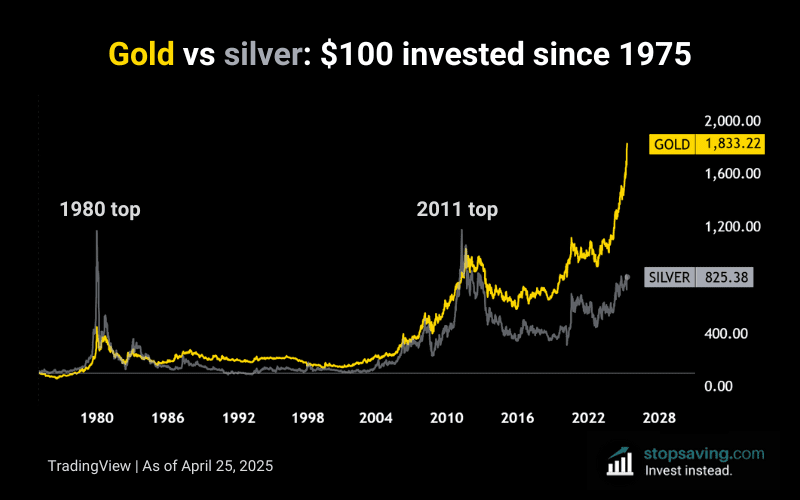
Gold and silver prices have increasingly become a barometer for economic stability, particularly in uncertain global climates. As geopolitical tensions, such as those related to the US-Iran negotiations, continue to escalate, investors often flock to safe-haven assets like gold and silver. Recent upticks in gold prices indicate that market participants are hedging against potential volatility, which can be reflective of broader market sentiment.
For the Indian stock market, the movement in gold and silver prices can lead to shifts in investor behavior, particularly among those looking to protect their portfolios against inflation and currency fluctuation risks. A stable or rising trend in precious metals often correlates with reduced appetite for risk assets, prompting investors to reassess their positions in equities. As the markets navigate through the earnings season, monitoring these trends will be crucial for understanding the broader economic implications and capital flow dynamics.
FII Outflows: Understanding the Trends and Implications
The recent trend of FII outflows from the Indian market has raised concerns among investors and market analysts alike. Exceeding $1 billion in just the first few weeks of April, these outflows can significantly impact liquidity and market sentiment. Various factors contribute to this trend, including geopolitical tensions and uncertainties stemming from global economic conditions, such as interest rate adjustments and inflationary pressures.
As foreign institutional investors assess the landscape, any sustained outflows could lead to increased volatility in the Indian stock market. The recent surge in crude oil prices could exacerbate these outflows, leading to further market corrections. However, some analysts suggest that if stability in the geopolitical climate is achieved, and any resolutions to conflicts arise, there may be a shift back towards inflows, thus stabilizing the Indian market and enhancing sentiment among local investors as they navigate between short-term volatility and long-term growth opportunities.
Strategic Investing in the Face of Market Volatility
With multiple triggers affecting the Indian stock market, including Q4 earnings and geopolitical tensions, investors must adopt strategic approaches to navigate this period of volatility. Diversification remains critical as a protective measure against unforeseen risks that may stem from broader economic shifts or significant news regarding international relations. Investors are encouraged to consider exposure to sectors that may benefit from a stable geopolitical landscape, such as technology and consumer goods.
Additionally, keeping informed on macroeconomic indicators and global trends can allow investors to make more informed decisions regarding asset allocation. As market dynamics change swiftly, employing data-driven strategies and assessing company fundamentals amid external pressures will be essential for maintaining resilience. This approach will not only manage risks effectively but could also identify potential opportunities for capitalizing on market dislocations.
Trends in the Global Market Influencing India
The interconnection of global markets means that developments in the US and Europe have implications for the Indian stock market as well. Economic indicators such as inflation rates, employment figures, and changes in monetary policy can sway investor sentiment in India. For instance, anticipation of higher interest rates in the US could lead to increased FII outflows from India as investors seek better yields elsewhere.
Moreover, volatility in global stock markets typically resonates in Indian equities, especially when global events lead to risk aversion among investors. This points to the importance of staying updated with international market trends, as they often dictate the behavior of domestic investors and impact the overall economic outlook. Indian market participants, therefore, need to maintain a broad perspective that encompasses not just local developments but also global patterns that could shape investment decisions.
Market Forecast Amidst the Geopolitical Landscape
As the Indian stock market gears up for another week of trading, market forecasts are closely tied to the evolving geopolitical landscape, particularly regarding the US-Iran situation and its impact on commodities. Investors are required to assess how these international issues can influence local market dynamics and adjust their strategies accordingly. The potential for decreased oil prices due to peace negotiations could serve as a catalyst for stock price increases in various sectors.
Furthermore, a thorough examination of local economic data, alongside international events, can provide insight into market movements. Confidence in the market could wane if geopolitical tensions escalate again, pushing investors towards safe havens like gold and silver. Thus, clarity around these critical issues will be paramount in shaping investor expectations and market performance in the coming weeks.
Long-Term Outlook for the Indian Stock Market
Looking ahead, the long-term outlook for the Indian stock market remains cautiously optimistic, tempered with recognition of the potential risks posed by the geopolitical landscape and global economic conditions. While the short-term volatility can cause knee-jerk reactions from investors, the underlying fundamentals of the Indian economy may provide a solid foundation for growth. Sectors such as technology and pharmaceuticals have shown resilience and continued potential for upward momentum.
As long as external uncertainties are effectively managed and domestic reforms continue to streamline the investment environment, the Indian stock market may recover and flourish over time. By maintaining a focus on quality stocks and sectors poised for growth, investors are encouraged to adopt a long-term perspective that considers both risk and opportunity amidst a dynamic global framework.
Frequently Asked Questions
What impact do US-Iran negotiations have on the Indian stock market?
US-Iran negotiations significantly influence the Indian stock market due to their potential impact on global crude oil prices. Positive developments in these negotiations can lead to lower oil prices, benefiting various sectors in the Indian market, while escalated tensions may create volatility and investor caution.
How do Q4 earnings affect the Indian stock market performance?
Q4 earnings reports are crucial for the Indian stock market as they indicate the financial health and growth potential of key companies. Surprises in earnings can drive stock-specific movements, significantly impacting indices such as the Sensex and Nifty 50, leading to increased market activity.
What is the current trend of crude oil prices and its implication for the Indian stock market?
Recent declines in crude oil prices have positively affected the Indian stock market by easing inflationary pressures and improving investor sentiment. A stable or falling trend in crude prices is generally seen as a tailwind for the market, supporting growth in sectors reliant on oil.
How do fluctuations in gold and silver prices affect investor decisions in the Indian stock market?
Fluctuations in gold and silver prices can influence investor behavior in the Indian stock market, as these precious metals are viewed as safe-haven assets. Rising gold and silver prices may lead investors to shift their portfolios, affecting equities, particularly in sectors tied to commodities.
What are FII outflows, and how do they impact the Indian stock market?
FII outflows, or foreign institutional investor withdrawals from Indian markets, typically have a negative impact on the Indian stock market, leading to increased volatility and potential declines. Significant outflows may signal geopolitical concerns or economic instability, prompting domestic investors to reassess risk.
| Trigger | Details |
|---|---|
| Q4 Results 2026 | Upcoming earnings announcements from major companies like HDFCBank and ICICI Bank, which will heavily influence stock market movements. |
| US-Iran War | Renewed tensions between the US and Iran may impact global markets and investor sentiment significantly. |
| Crude Oil Prices | Recent drops in oil prices following a US-Iran ceasefire could stabilize markets, easing inflation worries. |
| Gold and Silver Prices | Increase in gold and silver prices due to geopolitical uncertainty and inflation concerns, providing an attractive investment alternative. |
| FII Outflows | Significant foreign institutional investors have pulled out money from the Indian debt market due to geopolitical and macroeconomic factors. |
Summary
The Indian Stock Market remains on a positive trajectory despite facing several challenges in the upcoming week. Investors should closely watch the developments regarding Q4 results and geopolitical tensions, especially the US-Iran situation, which could impact not only stock market performance but also key commodities like oil and gold. As the market adapts to these factors, strategic investments will likely yield beneficial outcomes.



























