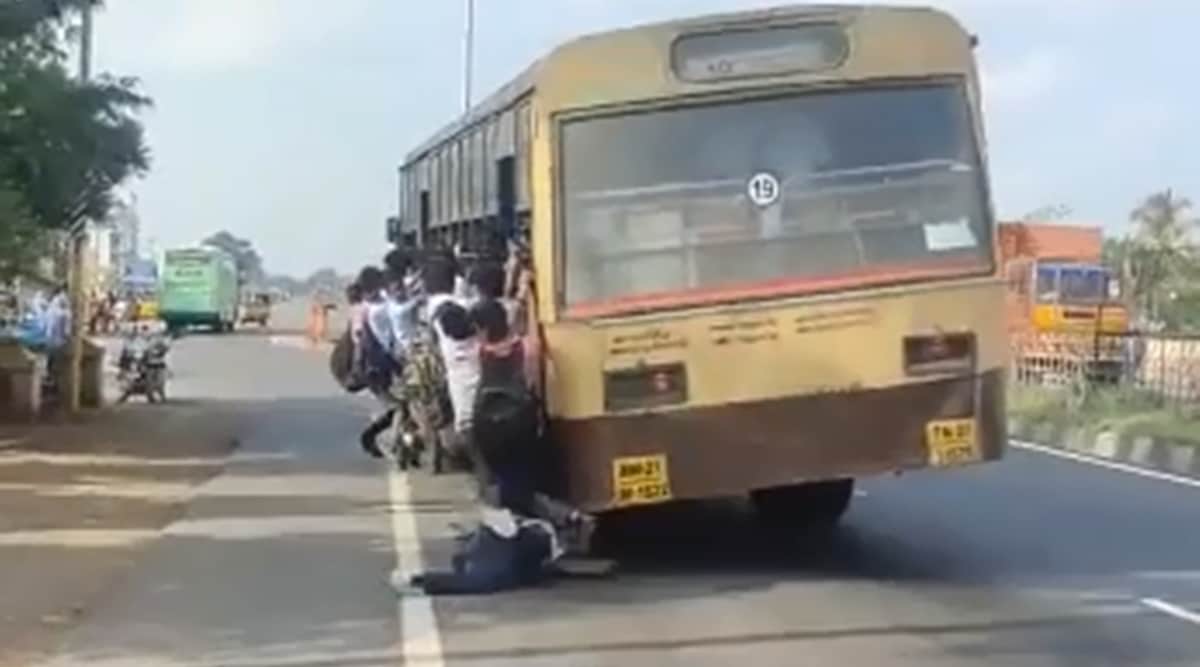
A tragic school bus accident in Arunachal Pradesh has left the community in shock, following the loss of a young life. On Sunday, a 13-year-old girl, Nyayir Kame from Lungte village, fell from a moving bus in the West Siang district. Reports suggest that the unfortunate incident occurred while the bus was transporting students back from a church-organized youth camp, with many now questioning the standards of school bus safety in the region. This incident raises critical concerns surrounding student safety as the girl had requested the bus driver to stop due to feeling unwell. As authorities continue their investigation, the incident serves as a grim reminder of the importance of stringent safety measures for school transportation in Arunachal Pradesh and beyond, primarily as it becomes central in Arunachal Pradesh news.
The heartbreaking incident involving a school bus in Arunachal Pradesh has sparked a wider dialogue about youth safety during transportation. The perilous moment that led to a student falling from the vehicle while en route from a youth camp has not only shocked local residents but also highlighted the urgent need for comprehensive discussions regarding student transportation protocols. This unfortunate occurrence in the West Siang region underscores the significant responsibility that comes with transporting children, especially when considering their health and safety needs. As the community mourns this loss, families are increasingly advocating for enhanced legislative measures to ensure that such tragic incidents are prevented in the future. The implications of this event extend beyond local borders, prompting discussions on necessary reforms in school transportation safety across India.
Tragic School Bus Accident in Arunachal Pradesh: A Focus on Safety
In a heartbreaking incident in the West Siang district of Arunachal Pradesh, a 13-year-old girl tragically lost her life after falling from a moving school bus. Reports from the local police indicate that Nyayir Kame, a resident of Lungte village, fell while the vehicle was in motion on its way back from a youth camp. The accident occurred around 2 PM near Darka, highlighting significant concerns regarding school bus safety protocols in the area. The vehicle was transporting students back from a church-organized camp in Basar, raising questions about the safety measures in place for young passengers.
This incident underscores the pressing need for stricter regulations and training for school bus drivers and safety personnel. Parents and educational institutions must advocate for better safety standards to prevent such tragedies from recurring. The unfortunate event has sparked discussions within the community about the importance of ensuring that all safety measures are followed during school transportation, emphasizing the necessity for maintaining a complete stop before passengers exit the vehicle.
Understanding the Circumstances of the West Siang Accident
The circumstances of the tragic accident involving Nyayir Kame reveal critical insights into the urgent need for enhanced safety measures on school buses in Arunachal Pradesh. Eyewitness accounts provided by passengers who were on the bus suggest there was a lack of adequate communication between students and the driver regarding when it is safe to exit the vehicle. This incident serves as a sobering reminder of the responsibilities bus drivers bear to ensure that all students safely leave the bus only when it is stopped. The girl’s request to the driver, feeling unwell and asking him to stop, indicates that under such stressful situations, clear protocols need to be in place.
Furthermore, the incident calls into focus the broader issues related to school safety transport in Arunachal Pradesh. With many children traveling long distances to attend educational institutions or camps, it is paramount that regional authorities inspect and upgrade safety practices on school buses. As investigations proceed, the community looks towards potential reforms, hoping to prevent further accidents involving school children in the state and to ensure that the tragedies experienced are not repeated.
The Consequences of Student Falls From Bus: A Community Concern
Student falls from buses have become a concerning trend in many parts of India, particularly in rural areas like West Siang, Arunachal Pradesh. This incident involving the young Nyayir Kame has, unfortunately, shed light on the gravity of such occurrences and the devastating impact they can have on families and the community. Not only does it affect the immediate family of the victim, but the repercussions also extend to the entire community, urging parents and educators to rethink their approach to school bus safety policies. As families mourn the loss, discussions emerge about the emotional toll and the need for mutual support within the community.
Additionally, the incident raises pertinent questions regarding the accountability of the schools and transport services in enforcing safety measures. Schools should enhance their protocols to ensure that every child is not only aware of how to board and alight the bus safely but also that they observe traffic regulations. Moreover, educational initiatives focusing on the importance of safe practices while traveling in school buses could effectively mitigate risks associated with such tragic incidents. Awareness campaigns led by local authorities could empower both students and drivers, creating an environment where safety is prioritized at all times.
Revisiting Safety Protocols After the Youth Camp Incident
The recent youth camp incident that led to the tragic passing of Nyayir Kame serves as a critical point for reevaluating existing safety protocols in school transportation across Arunachal Pradesh. In this specific case, the bus was returning from an organized camp, prompting questions about the safety measures implemented by both the church and the local education department. Such camps are vital for the development of community and social skills among students; however, these benefits must not come at the expense of safety. Hence, it is essential for organizing bodies to put robust safety strategies in place to safeguard their participants.
Furthermore, transportation providers must assess their operational procedures to ensure a higher safety standard for school buses. This may include driver training programs that focus not only on driving skills but also on managing students’ safety, especially when they are unwell or eager to disembark. Collaborative efforts between local government, educational institutions, and families could lead to the implementation of updated safety guidelines and emergency protocols for school buses, protecting students from harm while ensuring a positive experience during their educational outings.
The Role of Local Authorities in Enhancing School Bus Safety
Local authorities play a critical role in ensuring the safety of school buses, particularly in areas such as Arunachal Pradesh where rural transport can present unique challenges. They are responsible for implementing and monitoring transport regulations that set the standard for safe student travel. The tragedy that struck Nyayir Kame serves as a wake-up call for officials to take immediate action in reviewing and enforcing existing safety laws surrounding school transportation.
More rigorously enforced inspections and immediate action in investigating accidents like the one in West Siang can significantly improve safety outcomes. Community meetings and workshops can facilitate the engagement of parents, school representatives, and transport authorities to identify critical areas that need attention. Every stakeholder must come together to foster an environment that prioritizes safety, ensuring that incidents of this nature are not only addressed but actively prevented in the future.
Impact of the Incident on Community’s Trust in School Transport
The tragic accident involving a student falling from a school bus has undoubtedly shaken the community’s trust in the safety protocols of school transport services. For many parents in Arunachal Pradesh, the loss of Nyayir Kame serves as a dreadful reminder of the vulnerabilities children face while commuting. With concerns on the rise regarding proper oversight of school transport arrangements, families are pushed to question whether enough stringent safety measures are in place.
To rebuild this trust, it is essential for schools and transport services to communicate transparently with parents about the actions being taken in response to this incident. Establishing a clear set of safety guidelines and educating both students and drivers on their roles during transportation can ensure that all stakeholders are aligned in their commitment to safety. A continued dialogue driven by community engagement can significantly contribute to restoring a sense of reliability and protection in school transport.
Learning from the Past: Preventing Future Bus Accidents
Every tragedy serves as an opportunity for learning and improvement, and the recent accident involving a school bus in Arunachal Pradesh is no exception. By analyzing the details of incidents like the one which claimed the life of Nyayir Kame, educators and policymakers can identify significant gaps in safety protocols that must be addressed. This includes reviewing how students are instructed on safe entry and exit from vehicles, as well as improving communication between students and drivers.
Adopting an evidence-based approach to understand how past incidents have occurred allows authorities to create a proactive strategy that can help prevent similar occurrences in the future. Additionally, integrating technology, such as GPS tracking or safety apps designed for school transport, could empower parents by keeping them informed of their children’s journeys. The objective is to foster an environment where safety is a shared responsibility, both for those who operate school buses and the students who ride them.
Enhancing Student Awareness on Bus Safety Practices
An essential aspect of ensuring student safety during transport involves educating them about proper bus conduct. In the wake of the West Siang accident, there is a growing need for educational initiatives aimed at informing children about safe practices while riding school buses. Schools must implement comprehensive programs focused on awareness of personal safety, especially at crucial moments like boarding and alighting. By instilling these principles early on, students are better equipped to make sensible decisions that prioritize their well-being.
Furthermore, parental involvement is key in reinforcing these messages at home. Engaging parents in discussions about bus safety and encouraging them to share experiences with their children can create a more informed generation of young passengers. In collaboration with schools, parents can participate in workshops that detail the rules and regulations that govern safe travel on school buses, thus fostering a collective commitment to maintaining safety while navigating to educational institutions.
Community Support Following the School Bus Tragedy
Following the tragic school bus accident in Arunachal Pradesh, it is imperative to acknowledge the role of community support in the healing process for the affected family and the broader community. As a tight-knit community grieves the loss of Nyayir Kame, initiatives that facilitate solidarity can help mitigate the emotional burden caused by such an unforeseen event. Community vigils and support groups can offer a platform for individuals to express their grief collectively and show solidarity, reinforcing the importance of mutual support in times of tragedy.
Moreover, the community can work together to advocate for improvements in school bus safety regulations as a lasting tribute to the life lost. By mobilizing grassroots efforts, they can raise awareness and push for change, ensuring that future generations of students have safe commuting experiences. In this way, the community can transform its grief into action, leading not only to personal healing but also to tangible improvements that ensure the safety of all students.
Frequently Asked Questions
What happened in the recent school bus accident in Arunachal Pradesh?
In a tragic incident in Arunachal Pradesh, particularly in the West Siang district, a 13-year-old girl, Nyayir Kame, fell from a moving school bus after it failed to come to a complete stop. The accident occurred around 2 pm while the bus was transporting students returning from a youth camp. Despite requesting the driver to stop due to feeling unwell, she exited the bus prematurely, leading to her fatal fall.
| Key Points |
|---|
| A 13-year-old girl named Nyayir Kame lost her life after falling from a moving school bus in Arunachal Pradesh. |
| The incident occurred in the West Siang district while the bus was returning from a youth camp. |
| The victim had requested the driver to stop the bus due to nausea. |
| She fell from the bus before it came to a complete stop, leading to her fatal accident. |
| An FIR has been registered and an investigation into the circumstances of the accident is ongoing. |
Summary
The school bus accident in Arunachal Pradesh has tragically highlighted the dangers associated with children’s transportation. On a fateful day, 13-year-old Nyayir Kame lost her life after falling from a moving bus while returning home from a youth camp. Reports indicate that she requested the driver to stop due to feeling unwell, but unfortunately, she stepped off before the bus had come to a complete halt, leading to her tragic demise. Authorities have initiated an investigation and have registered an FIR as they dig deeper into the circumstances surrounding this heartbreaking incident.