

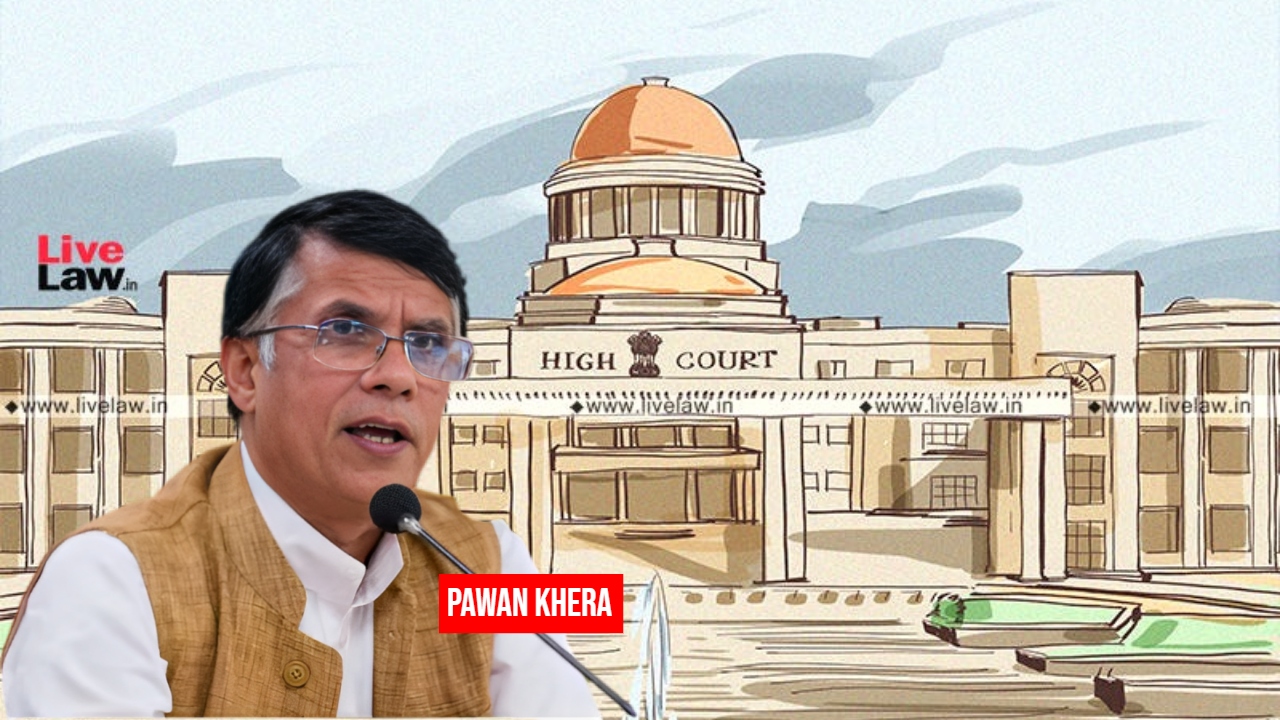
The recent Pawan Khera court case has grabbed headlines across India, especially following a significant ruling from the Guwahati court. This case, which stems from allegations made by Riniki Bhuyan Sharma, wife of Assam Chief Minister Himanta Biswa Sarma, has attracted considerable media attention. On April 7, the Chief Judicial Magistrate dismissed Assam Police’s request for a non-bailable warrant against the Congress leader, highlighting the lack of concrete evidence in the claims made. The court’s ruling underlines the complexities of legal processes, especially in politically charged situations. As developments unfold, the focus on this Congress leader news could spark further debates around the justice system and political accountability in India.
In the realm of Indian politics, the legal troubles surrounding Pawan Khera have unfolded dramatically, with implications reaching far beyond the immediate allegations. This political figure faces scrutiny after claims were made by Riniki Bhuyan Sharma, spotlighting issues of alleged forgery and conspiracy. The Guwahati court’s recent decision to deny a non-bailable warrant illustrates the ongoing conflict between state authority and individual rights within the judicial system. As this case progresses, it will certainly remain a focal point for discussions on political integrity and the role of law enforcement in such sensitive matters. Observers are keenly analyzing the interplay of power and justice as further details emerge.
Pawan Khera Court Case Developments
The recent legal turmoil surrounding Congress leader Pawan Khera has captured significant media attention, particularly regarding the Guwahati court ruling that rejected the Assam Police’s request to issue a non-bailable warrant against him. The controversy began when Khera made serious allegations against Riniki Bhuyan Sharma, the wife of Assam Chief Minister Himanta Biswa Sarma. These claims involved suggestions of illicit foreign assets and multiple passports, prompting Sharma to file a complaint that led to the police investigation. This case is particularly notable as it involves aspects of criminal conspiracy and forgery, highlighting the intricate connections between political figures and legal challenges in Assam.
In the ruling issued by Chief Judicial Magistrate Kamrup Metro, the court dismissed the request for a non-bailable warrant, citing a lack of adequate evidence. The magistrate emphasized that the police’s assertions were based on ‘presumptions and conjectures’ rather than solid proof. Such decisions underscore the judiciary’s role in navigating politically charged cases and ensuring that legal protocols are followed. Moreover, the ruling has implications for the ongoing investigation, as the public eagerly awaits how the Assam police will proceed given that the case involves cognizable and non-bailable offenses.
Implications of the Guwahati Court Ruling
The Guwahati court ruling represents a critical juncture in the Pawan Khera case, given its implications not only for the accused but also for the political landscape in Assam. The dismissal of the Assam Police’s request for a non-bailable warrant signifies a potential setback for the prosecution, especially since allegations of serious criminality stand at the center of the case. This ruling may embolden Khera and his associates within the Congress party, as they perceive this as a victory against what they might argue is politically motivated prosecution. Legal experts have pointed out that the ruling reaffirms the necessity of corroborating claims with tangible evidence before the imposition of serious legal consequences.
Additionally, the court’s decision has stirred discussions about the power dynamics between law enforcement and political figures in India. It indicates the judiciary’s commitment to protecting civil liberties even in the face of highly publicized allegations. With the Assam government appealing aspects of this case, the situation remains fluid, highlighting the need for transparency and accountability not only in law enforcement but also among political leaders who wield influence within the state. The public’s response to these developments will undoubtedly shape future political narratives within Assam.
Congress Leader News: Pawan Khera’s Legal Battle
Pawan Khera’s ongoing legal battle adds another layer to the news surrounding Congress leaders in India, especially amid a politically charged atmosphere marked by accusations and counter-accusations. The current case against Khera, which was initiated following his statements against Riniki Bhuyan Sharma, prompts a broader discussion about the implications of political speech and its legal ramifications. As the case evolves, the Congress party’s support for Khera remains a focal point, providing insights into how political parties manage internal crises and public relations when facing controversy.
The media’s portrayal of Khera’s actions stems not only from the current case but also from his political career and previous controversies. Khera’s robust defense during press conferences has often framed the narrative around the alleged misconduct of his political opponents. The tension between political ambitions and potential legal repercussions presents a compelling backdrop for the public’s understanding of political dynamics. As the case unfolds, stakeholders are keenly following how this will affect Khera’s position within the Congress party and his influence in Assam politics.
Riniki Bhuyan Sharma: A Key Figure in the Allegations
Riniki Bhuyan Sharma, the wife of Assam’s Chief Minister Himanta Biswa Sarma, has emerged as a pivotal figure in the allegations leveled by Congress leader Pawan Khera. Her position in Assam’s political landscape adds a significant layer of complexity to the case, particularly given that the allegations involve questions of ethics and integrity among prominent political families. Khera’s accusations of Sharma’s alleged dual citizenship and undisclosed assets paint a challenging picture of transparency among political leaders, which the public continues to scrutinize.
As the case progresses, Sharma’s response and the legal steps she and her husband take will be closely watched by both supporters and detractors. In the realm of Assamese politics, the outcome could potentially reshape public perception regarding both the Sarma and Khera factions. Furthermore, Sharma’s involvement highlights the intersecting nature of personal and political strife, providing a unique glimpse into the tumultuous relationship between political power and personal accountability in contemporary India.
Non-Bailable Warrant Issue: Legal Consequences
The discussion surrounding the non-bailable warrant issue in the Pawan Khera case raises important questions about the legal procedures involved in politically sensitive cases. A non-bailable warrant implies that an accused individual cannot secure bail once arrested, making it a critical point of contention in Khera’s situation. The Guwahati court’s refusal to issue such a warrant reflects a careful judicial approach, considering the potential legal and societal implications of bypassing standard evidentiary requirements. Legal experts emphasize the importance of substantiating claims with significant evidence before escalating to such measures.
The implications of the non-bailable warrant issue resonate beyond Khera’s case alone; it invites discussions on the judicial system’s role in handling allegations against political figures. The judiciary’s mandate to balance the rights of the accused with the interests of justice is paramount in this context. As the legal proceedings continue, stakeholders are increasingly analyzing how similar cases are handled in political atmospheres, emphasizing the need for an unbiased legal framework that protects all parties involved.
Supreme Court’s Role in the Pawan Khera Case
The Supreme Court’s involvement in the Pawan Khera case underscores the high-stakes nature of legal battles involving public figures. Recently, the Supreme Court dismissed Khera’s request to lift the stay on the transit anticipatory bail granted previously by the Telangana High Court, a decision that impacted Khera’s immediate legal strategy. This ruling illustrates the complexities of navigating the higher echelons of the judiciary, where political implications weigh heavily alongside legal principles.
Moreover, the Supreme Court’s decision to entertain appeals from the Assam government adds another layer of scrutiny to this case, stirring questions about how judicial reviews might influence political narratives. Observers note that the Court plays a crucial role as a mediator in conflicts that arise from political discourse and civil rights, making its decisions pivotal in shaping public sentiment. As Khera’s legal team prepares for what lies ahead, the attention turns toward how the Supreme Court will respond to further appeals and what ramifications these decisions may have on the course of Assam’s political landscape.
Legal Challenges and Political Ramifications
The legal challenges faced by Pawan Khera are reflective of broader political ramifications within the Congress party and its future in Assam. As allegations surface and media coverage escalates, political observers are keenly analyzing how these events may affect the party’s standing amidst rising tensions. The case underlines the precarious nature of political discourse in India, where accusations often lead to complex judicial proceedings that can influence public perceptions and electoral dynamics.
This legal strife serves as a reminder of the intertwined nature of politics and law in India, with implications that reach beyond individual cases to the integrity of institutions. As stakeholders in Khera’s case embark on a battle with significant consequences, the repercussions for both the Congress party and political rivalries in Assam could create ripples throughout the region, influencing future campaigns and party strategies.
Public Perception and Media Coverage
Public perception plays a crucial role in the narrative surrounding Pawan Khera’s court case. The media covers the evolving drama of legal challenges, painting a multifaceted picture of political turmoil in Assam. As the case unfolds, the coverage emphasizes not only the legal aspects but also the moral and ethical implications tied to the allegations. Khera’s vocal criticisms during press conferences, alongside his legal endeavors, fuel public discourse, creating a complex interplay between politics and sensationalism in the news.
Media coverage of Khera’s case emphasizes the need for due diligence and accountability among political figures. As different outlets report on the ongoing developments, public sentiment inevitably shapes the discourse, influencing how politicians respond and strategize. Observers argue that the media’s portrayal of Khera’s legal battles may have a lasting impact on his reputation and the image of the Congress party, making it imperative for both Khera and his adversaries to remain vigilant in managing their public personas.
Frequently Asked Questions
What was the Guwahati court ruling regarding the non-bailable warrant against Pawan Khera?
The Guwahati court ruling issued on April 7 rejected Assam Police’s request for a non-bailable warrant against Congress leader Pawan Khera. Chief Judicial Magistrate Kamrup Metro stated that the police’s grounds were based on ‘presumptions and conjectures’ and lacked sufficient evidence. The court emphasized that since the case is cognizable and involves non-bailable offenses, the investigating officer has the authority to arrest if deemed necessary, thus concluding that a non-bailable warrant was not warranted at this time.
| Key Points | Details |
|---|---|
| Court Decision | The Guwahati court rejected Assam Police’s request for a non-bailable warrant against Pawan Khera. |
| Allegations Against Khera | Khera is accused of forgery and criminal conspiracy related to remarks made about CM Sarma’s wife. |
| Judicial Authorities | The Chief Judicial Magistrate (CJM) Kamrup Metro highlighted that the police’s grounds were based on presumptions. |
| Ongoing Legal Actions | Khera sought anticipatory bail from Telangana High Court. His request was contested by the Assam government in the Supreme Court. |
| Current Status | The Supreme Court denied Khera’s request to lift a stay on his transit anticipatory bail. |
Summary
The Pawan Khera court case centers around allegations made by the wife of Assam’s Chief Minister, which have escalated into serious legal battles involving forgery and conspiracy claims. Following a recent court ruling, it is evident that while the accusations against Khera carry significant weight, the judicial system is currently navigating the intricacies of the case with caution. The Guwahati court’s rejection of the police’s request for a non-bailable warrant indicates that the legal proceedings will continue based on the examination of evidence rather than presumptions. As the matter unfolds, Khera’s pursuit of bail and his legal strategy will play critical roles in determining the outcome of this high-profile case.



























