

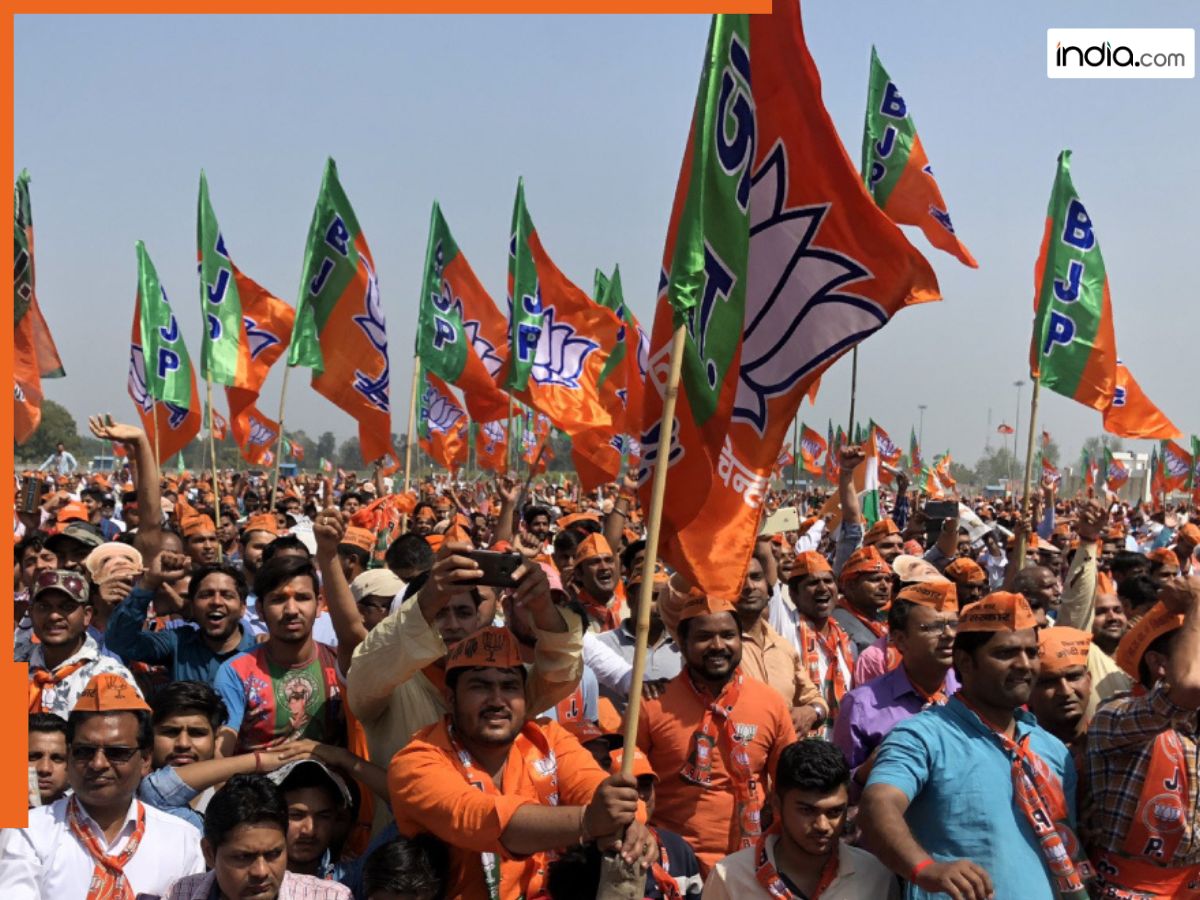
As Mamata Banerjee gears up for the election 2026, the political landscape in West Bengal is undergoing a seismic shift. Attempting to solidify her position for a historic fourth term amidst fierce competition, she faces the formidable BJP, known for its strategic campaigning and influential figures like Narendra Modi. The rivalry between the Trinamool Congress and BJP not only shapes the state’s political dynamics but also affects voter sentiments, making these Bengal election news crucial for understanding the 2026 election predictions. With Banerjee having governed for 15 years, the sentiment of anti-incumbency looms large, compelling her to address concerns about governance and voter disenfranchisement. As the election approaches, the spotlight remains on how effectively she can rally support against the backdrop of shifting Bengali voter sentiments and ongoing controversies surrounding electoral integrity.
In the lead-up to the pivotal 2026 elections, Mamata Banerjee’s political strategy embodies the essence of her tenure as the chief minister of West Bengal. With the Trinamool Congress facing mounting pressure from the BJP, which has established itself as a key player in this regional turf war, the contest showcases the complexities of Bengali politics. Amidst conflicting narratives and heightened tensions surrounding immigration and electoral rolls, the forthcoming elections promise to be a hallmark moment for the state’s electorate. The confluence of a resilient incumbent and an ambitious opposition is set against a backdrop of evolving voter priorities and dissatisfaction, making the political atmosphere increasingly unpredictable. This scenario underscores the intricate interplay of local sentiments and national ambitions in shaping the future of West Bengal.
The Political Landscape of West Bengal Ahead of 2026
West Bengal’s political dynamics are undergoing a significant transformation as the 2026 election nears. This region, historically a stronghold for Mamata Banerjee and her Trinamool Congress (TMC), is now witnessing an intense rivalry with the Bharatiya Janata Party (BJP). For nearly a decade, the BJP has positioned itself as a formidable opposition, tapping into voter unrest over governance issues and the socio-economic sentiment shared by many Bengali voters. The evolving landscape highlights emerging themes of anti-incumbency and identity politics, particularly in the face of BJP’s attempts to dominate Bengal election news.
As the TMC stands to defend its legacy, the electoral narrative has become increasingly complex. With the BJP accusing the TMC of fostering illegal immigration, a charge that resonates with a segment of voters concerned about cultural identity and resources, Mamata Banerjee must navigate these allegations carefully. Moreover, the homegrown Indian Secular Front’s rise adds another layer of competition, as they vie for Muslim and Dalit votes—traditionally aligned with the TMC. This shift in voter sentiment poses a significant challenge as the elections draw closer.
Mamata Banerjee’s Strategies for 2026 Election Success
In her quest to secure another term as Chief Minister, Mamata Banerjee is likely to adapt her campaign strategies to address the unique challenges posed by the BJP and the growing anti-incumbency sentiments in West Bengal. One of her main focuses has perhaps begun to be on highlighting her government’s achievements and welfare schemes that resonate with the Bengali electorate. By capitalizing on the emotional and cultural connections, she aims to counteract the BJP’s messages and maintain her stronghold. Additionally, by addressing the concerns raised by the Special Intensive Revision of electoral rolls, she seeks to re-establish trust among her loyal voters, particularly women who have been significantly impacted by the electoral process.
Moreover, Banerjee’s approach towards social issues will play a critical role in her campaign. By reinforcing her TMC’s commitment to addressing the concerns of marginalized communities and affirming their rights as citizens of West Bengal, she can position herself as a defender of Bengali identity against what the BJP has labeled as ‘infiltration’. As such, the 2026 election will not only be a contest of political ideologies but also a battle of narratives, where Mamata Banerjee must effectively communicate her vision of West Bengal’s future to sway voter sentiments and secure a fourth consecutive term.
Understanding Voter Sentiment in West Bengal
The pulse of the electorate in West Bengal is crucial as the 2026 elections approach. The changing voter sentiments pose a real challenge for Mamata Banerjee, especially since anti-incumbency voices have started rising. Voters are increasingly skeptical about their leaders’ governance, and many are expressing dissatisfaction with the TMC’s past performance. Issues like unemployment, inflation, and inadequate educational opportunities are surfacing as major concerns. Simultaneously, the BJP’s narrative that they can bring better administrative efficiency and prosperity to Bengal tends to resonate with these discontented voters.
Furthermore, the demographic shifts and the growing influence of regional parties such as the Indian Secular Front complicate the electoral waters for Banerjee. The TMC’s traditional voter base, which includes a significant number of women and Muslims, is becoming precarious as these communities reassess their loyalties in light of current political realities. Both the BJP and the TMC must decode these sentiments to appeal effectively to various voter segments, ensuring their messaging aligns with the evolving expectations and aspirations of the Bengali populace.
The Impact of the BJP’s Strategies on the TMC
The BJP’s strategies focus heavily on portraying the TMC as ineffective in handling key issues like illegal immigration and cultural identity. By profiling the narratives around the Special Intensive Revision of electoral rolls, the BJP aims to sweep away as many TMC supporters as possible, particularly those who might be affected by the crackdown on illegal immigrants. This aggressive approach attempts to paint the TMC not only as a facilitator of unauthorized immigration but also as an instigator of Bengali displacement, which could significantly tilt voter sentiment in favor of the BJP.
As the political rivalry intensifies, the TMC must counter the BJP’s accusations while repositioning its story to echo the sentiments of the Bengali voter. Strategies to amplify their existing welfare schemes and projects that have fostered community development could become central to Banerjee’s campaign narrative. By aligning her party’s initiatives with the real concerns of the voters, she can address the BJP’s claims head-on, aiming to win back the confidence of those feeling marginalized or overlooked by her government’s previous term.
Election Predictions for Bengal in 2026
As we look towards the 2026 elections, various predictions emerge regarding how the Bengal political landscape may shift. Analysts observe a pattern of increasing competitiveness, with some polls indicating that the BJP may pose a serious threat to the TMC’s long-standing dominance. The stakes are high; several recent surveys suggest that voter dissatisfaction could lead to a tight race between the two leading parties. This sentiment is compounded by the BJP’s extensive campaign strategies and substantial resources, which may leverage both digital mobilization techniques and traditional canvassing methods to sway undecided voters.
Furthermore, the entry of new political players like the Indian Secular Front complicates forecasting any potential outcomes. If the IF continues to gain traction among minority communities at the expense of the TMC, it could result in significant splits in the votes that had once historically favored Banerjee. Therefore, with the election outcome appearing increasingly unpredictable, observing shifts in voter allegiance over the coming months will be crucial as parties refine their strategies in response to public sentiment.
Challenges Ahead for Mamata Banerjee in 2026
Despite being an experienced political figure, Mamata Banerjee faces a myriad of challenges in the lead-up to the 2025 elections. The anti-incumbent wave from voters may undermine her long-standing legacy, with many expressing a desire for change due to dissatisfaction with governance. Furthermore, accusations of enabling illegal immigration by the BJP may lead to increased scrutiny of her administration, complicating her narrative. The TMC must work diligently to dispel these notions while simultaneously presenting a strong and cohesive vision for the state’s future.
Additionally, party dynamics within the TMC could play a role in her electoral success or failure. Discontent among local party cadres, particularly in the face of significant electoral changes, may hinder campaign activities. For Banerjee to maintain her leadership position, she will need to unify her party and consolidate support from all factions, including those sensitive to the rival BJP’s aggressive campaigning. The road ahead may be fraught with obstacles, but through strategic campaigning and addressing voter concerns, Banerjee could potentially steer her party toward another victory.
Bengal Voter Sentiments and Party Campaigns
In West Bengal’s dynamic electoral atmosphere, understanding voter sentiments is paramount for parties vying for influence in the 2026 elections. The TMC’s traditional base is showing signs of wavering, influenced by growing sentiments of disillusionment with the party’s governance. Concurrently, the BJP has emerged as an alternative, presenting promises of better administration and accountability. These sentiments provide fertile ground for robust campaigning from both parties, showcasing their platforms and addressing the common concerns of voters surrounding education, employment, and security.
As campaigning ramps up, the challenge will be for both the TMC and BJP to craft messages that resonate with the local populace. Engaging these sentiments while painting a vivid picture of their respective visions for the future of West Bengal will be essential. As the BJP seeks to leverage anti-incumbency sentiments, the TMC’s focus will need to rest on revitalizing loyalty through highlighting its legacy while offering responsive governance solutions. The subtext of social justice and economic equity will likely play pivotal roles in how these sentiments evolve leading up to the elections.
Bengal Election News – Anticipated Developments in 2025
The lead-up to the 2026 election in West Bengal is sure to be filled with gripping Bengal election news, heralding key developments and potential shifts in the political landscape. As the campaign heats up, media coverage is expected to intensify, providing insights into party strategies, rallies, and voter feedback. Every announcement from either the TMC or the BJP will likely be scrutinized for its potential impact on voter sentiments, particularly as they relate to governance issues and community concerns.
In addition to traditional media, social media platforms will be pivotal in shaping the narrative around the elections. The way candidates from both parties connect with voters online can significantly influence public perception, engagement, and ultimately, voting behaviors. Furthermore, as both parties delve into grassroots campaigning, understanding the nuances of Bengali electoral dynamics will be a critical component of any successful strategy, particularly in light of emerging voter issues that resonate deeply with the electorate.
Regional Tensions and Their Role in West Bengal Politics
Regional tensions that emerge from cultural, religious, and socio-economic divides play a significant role in shaping West Bengal’s political environment as the 2026 elections approach. The ongoing rivalry between the BJP and TMC stirs sentiments that tap into historical grievances among different communities in Bengal, often leading to polarizing narratives that both parties seek to exploit. The TMC’s strategy will likely focus on reinforcing Bengali pride and social unity, while the BJP attempts to position itself as the protector against perceived threats from outside communities.
Additionally, the emergence of local parties such as the Indian Secular Front introduces fresh dynamics that could further complicate the electoral equation. Their ability to draw support from disenfranchised communities may reshape how regional balance influences party strategies. Understanding these regional complexities will be essential for Mamata Banerjee and her team, as navigating these tensions effectively could mitigate fragmentation in voter alignment, ultimately ensuring a more cohesive campaign in the pursuit of a fourth term.
Frequently Asked Questions
What are the key factors influencing Mamata Banerjee’s chances in the 2026 West Bengal election?
Mamata Banerjee’s election prospects in 2026 are heavily influenced by Bengal election news regarding the BJP-Trinamool Congress rivalry, anti-incumbency sentiments, and the perception of her government’s performance. The impact of the Special Intensive Revision (SIR) of electoral rolls, which aims at identifying illegal Bengali-speaking immigrants, could further shape voter sentiments. With rising tensions around these issues, how she addresses the concerns of Bengali voters and manages perceptions of her party’s policies will be crucial for extending her tenure.
| Key Aspects | Details |
|---|---|
| Mamata Banerjee’s Tenure | Seeking reelection for the fourth time, aiming for 20 years in power. |
| Opposition Challenge | Facing the Bharatiya Janata Party (BJP) led by Narendra Modi, with its strong resources and campaign strategy. |
| Voter Sentiment | Anti-incumbency feelings were prevalent, creating challenges for Banerjee. |
| BJP’s Strategy | Labeling Trinamool as facilitators of illegal immigration while launching a Special Intensive Revision of electoral rolls. |
| Impact of SIR | The Special Intensive Revision directly affects many voters, leading to increased tensions. |
| Electoral Roll Issues | Over 57 lakh women potentially removed from rolls, threatening Banerjee’s support base. |
| Emerging Parties | The Indian Secular Front could siphon votes from both Trinamool and BJP, adding complexity to the election. |
| Conclusion | |
Summary
Mamata Banerjee election 2026 is poised to be a defining political moment in West Bengal, as she strives to maintain her hold over the state after a lengthy tenure. Despite her significant experience, she faces an unprecedented challenge from the BJP, whose narrative framing and aggressive electoral strategies have garnered public attention. The complex dynamics of voter sentiment, characterized by rising anti-incumbency and issues related to electoral roll revisions, complicate her path forward. Banerjee’s ability to address these concerns and resonate with her core constituencies will be critical in determining the outcome of the 2026 elections.



























