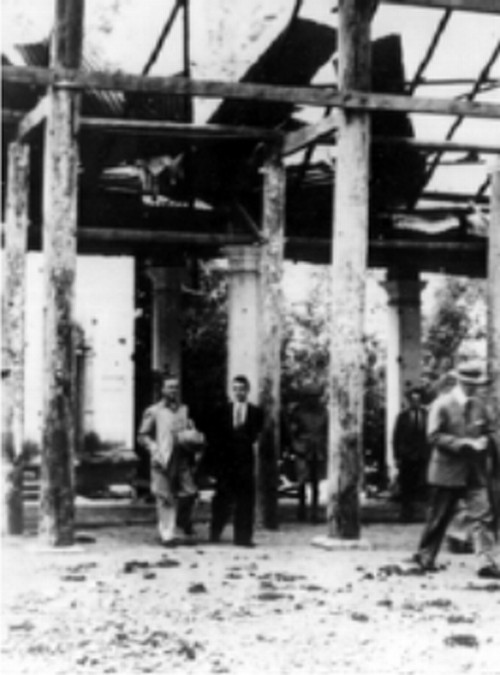
The Khurai Chingangbam Mandop Aerial Bombing remains a poignant event in Manipur’s World War II history, marking the tragic day of April 20, 1943, when Japanese forces launched a devastating attack on civilians in Imphal East. This bombing resulted in the death of over 100 innocent lives, leaving an indelible imprint on the collective memory of the region. Recently, Manipur’s Chief Minister Yumnam Khemchand Singh unveiled a memorial stone to honor those who perished during this dark chapter, emphasizing the importance of remembrance as both a tribute and a lesson for future generations. As the 83rd anniversary approached, community leaders gathered to reflect on the impact of WWII on Manipur and participate in the Khurai memorial event, showcasing resilience amidst tragedy. Such commemorations serve to unite the community and reaffirm a commitment to peace and remembrance in the face of suffering.
The tragic incident known as the Khurai Chingangbam Mandop Aerial Bombing is not just a historical event; it symbolizes the profound sorrow felt in Manipur during the Second World War. On April 20, 1943, the skies over Imphal East darkened as Japanese forces launched an aerial assault, causing immense civilian casualties and forever altering lives. Events like the Khurai memorial observance draw attention to the ramifications of war, particularly the Imphal 1943 bombing, which holds significant relevance in the narrative of Manipur’s wartime experiences. These moments remind us of the lives lost and the collective pain that shaped the state’s history, urging us to reflect on the broader impacts of international conflict on local communities. By remembering such events, we honor the past while fostering a culture of peace and unity.
Remembering the Khurai Chingangbam Mandop Aerial Bombing
The Khurai Chingangbam Mandop Aerial Bombing is a significant event in the history of World War II, particularly in the context of Manipur’s struggle during the conflict. On April 20, 1943, Japanese forces launched an attack on innocent civilians in Imphal East, an act that not only claimed over a hundred lives but also left deep scars on the community. This tragic bombing highlighted the dire consequences of the war, illuminating the suffering faced by the local population caught in the crossfire of international conflict. The pain experienced by families who lost their loved ones during this period remains a poignant and heartbreaking remembrance in the community, one which they honor annually.
The recent unveiling of a memorial stone by Chief Minister Yumnam Khemchand Singh marks the 83rd anniversary of this tragic event, casting light on the importance of remembering such dark chapters of our history. During the memorial, the Chief Minister’s words resonated deeply with those present as he urged the society not only to mourn the past but also to learn from it. This ceremony serves as a reminder of the sacrifices made during the war, emphasizing how the impact of WWII on Manipur shaped the identity of its people. Furthermore, the proposal to recognize the bombing site as a heritage location is a significant step towards preserving this historical narrative for future generations.
Impact of WWII on Manipur’s Society
World War II brought unprecedented turmoil to Manipur, altering its socio-cultural fabric forever. The 1943 Imphal bombing, part of the larger campaign waged by Japanese forces against British India, foregrounded the vulnerability of civilian life amidst warfare. Such events not only resulted in drastic loss of life but also affected the economic and social structures, exacerbating poverty and dislocation in the region. The collective memory of such trauma continues to influence local narratives today, as survivors and their descendants live with the legacy of loss and resilience.
In terms of historical significance, the Battle of Imphal in 1943-44 is often cited among the most critical confrontations in the Pacific Theater, with significant military strategies and vast troop movements affecting local populations. The implications for Manipur were profound, as the battle led to severe infrastructural damage, disruption to daily life, and a persistent state of insecurity. Understanding this impact is essential for reflecting on how WWII has shaped modern Manipur’s identity and societal dynamics, underlining the need for peace and community solidarity in remembrance of past sacrifices.
Commemorative Events and Their Importance
Commemorative events such as the recent memorial for victims of the Khurai Chingangbam Mandop Aerial Bombing serve as essential touchpoints for historical reflection and communal healing. These gatherings not only honor the memories of those lost but also encourage dialogue about the repercussions of war on society. Chief Minister Khemchand’s remarks during the event highlighted the role of collective remembrance in fostering unity among the people of Manipur, as they come together in solidarity to acknowledge their shared history. These commemorations remind us that while individual grief is often profound, it is within the community’s support system that healing begins.
Moreover, such events bring to the forefront the importance of preserving history for future generations. The proposal to establish the bombing site as a heritage location indicates a commitment to recognizing the past while educating the youth about their history. By engaging with these narratives, younger generations can better appreciate the sacrifices made, fostering a culture of peace and understanding. This educational aspect of remembrance is crucial, particularly in a time when global conflicts continue to echo the tragedies experienced during WWII, emphasizing the need for continuous dialogue about peace, reconciliation, and the lessons learned from such significant upheaval.
The Legacy of Japanese Forces Bombing India
The strategic bombing campaigns carried out by Japanese forces during World War II were not just military operations but also significant events that disrupted the lives of countless civilians across India, particularly in vulnerable regions such as Manipur. The Khurai Chingangbam Mandop Aerial Bombing stands as a somber reflection of how these military tactics directly impacted civilian populations, leading to widespread fear, loss, and trauma. These bombings sought to deter British forces but tragically repurposed the very landscapes of civilian life into battlegrounds, forever altering community dynamics.
The long-term consequences of such bombings extend beyond immediate physical destruction; they deeply resonate through generations. Communities in Manipur have had to navigate the complex psychological impacts of trauma and loss. Moreover, these experiences contribute to the region’s narrative about resilience and the quest for peace. By understanding the legacy of these bombings, we recognize the profound need to advocate for peace and unity, not just in Myanmar but throughout the world. The ongoing dialogue surrounding these historical events underscores the imperative for future generations to carry forward the lessons learned from the past.
Chief Minister’s Call for Unity and Peace
During commemorative events like the one held in Khurai, Chief Minister Yumnam Khemchand Singh eloquently highlighted the need for peace and collective responsibility within the community. In his remarks, he emphasized that disruptions, such as shutdowns and bandhs, only exacerbate the hardships faced by ordinary citizens, particularly in the aftermath of such devastating events. His call to action resonates strongly as he urged the public to prioritize community cohesion above political or social divisions. This emphasis on unity is essential for moving forward, particularly in a region with such a tumultuous past.
Ultimately, Khemchand’s message is not only about remembrance but also a vision for a peaceful future. By fostering a culture of mutual respect and understanding, the people of Manipur can honor the memories of those lost in the war while working collectively towards economic stability and societal growth. Events like the Khurai memorial serve as powerful reminders that the path towards healing lies in unity, empathy, and cooperation, essential ingredients for a resilient community shaped by its historical narratives.
Exploring Manipur’s WWII Heritage
Manipur’s WWII heritage is rich and profound, encapsulating stories of valor, endurance, and tragedy. The Khurai Chingangbam Mandop Aerial Bombing is one illustration of how this history directly influences contemporary society. As commemorations occur, the call to recognize important sites as heritage locations becomes increasingly pertinent. These sites hold the memories of those who lived through the horrors of war, immortalizing their experiences while providing a physical reminder of the conflict’s profound impact on the region. By embracing and preserving this heritage, Manipur honors its past while forging a path towards understanding and reconciliation.
Moreover, marking significant historical incidents through events such as the Khurai memorial not only acknowledges suffering but also serves to educate future generations about the importance of peace. The government’s initiative to consider the bombing site for heritage status reflects a commitment to preserving history in a way that poses educational opportunities for students and future leaders. Engaging with this past inspires discussions about the role of people in shaping peace, emphasizing that while the memories of conflict may linger, the focus must remain on constructive dialogues about forgiveness, cooperation, and unity to build a brighter future.
The Continuing Relevance of WWII in Modern Manipur
The memories of pivotal events like the Khurai Chingangbam Mandop Aerial Bombing continue to resonate within modern Manipuri society, reflecting on how World War II’s legacy shapes contemporary life. The struggle for identity, community resilience, and the pursuit of peace are all influenced by this historical context. As younger generations learn about their ancestors’ experiences during this dark chapter, they are motivated to advocate for change and foster peace within their communities. The relevance of these histories is not confined to remembrance; it is actively woven into the fabric of today’s social and political discourse.
Moreover, the ongoing challenges faced by Manipuri society, including regional conflicts and economic hardships, underscore the critical necessity of reflecting on post-WWII dynamics. The lessons from the past can offer guidance in navigating current societal issues, helping the community find paths toward recovery and healing. As illustrated in recent speeches and memorial events, the emphasis lies in transforming historical suffering into a collective strength, where the legacy of endurance becomes a driving force for unity, collaboration, and a more peaceful coexistence.
Honoring the Victims: The Tarpan Ritual
A pivotal moment during the recent ceremony at Khurai was the performance of the Tarpan ritual, a traditional way of offering respects to those who have departed. Chief Minister Khemchand led the attendees in this significant ritual, which underscores the cultural importance of remembering and honoring the victims of the 1943 bombing. This practice embodies the deep-rooted traditions of the Manipuri people, illustrating their connection to spiritual beliefs and ancestral reverence. In times of loss, such rituals offer solace to grieving families and underscore the community’s collective memory of sacrifice and resilience.
The ritual of Tarpan performed during commemorations serves not only as a tribute to those lost but also as an opportunity for reflection on the impact of war on civilian life. It symbolizes the unbroken chain between past and present, linking community members through shared grief and remembrance. As the community gathers to honor the souls lost, they are reminded of their shared history, fostering a sense of solidarity among participants. Embracing rituals such as Tarpan is integral to healing, as they reaffirm the importance of remembering the past while nurturing hope for a more peaceful future.
Frequently Asked Questions
What is the significance of the Khurai Chingangbam Mandop Aerial Bombing in Manipur’s World War II history?
The Khurai Chingangbam Mandop Aerial Bombing, which took place on April 20, 1943, is a pivotal event in Manipur’s World War II history. This tragic incident, conducted by Japanese forces, resulted in the deaths of over 100 civilians, marking a painful chapter in the local community’s history. The bombing highlights the impact of World War II on Manipur, demonstrating how global conflicts affected civilian lives in the region. Commemorative events, such as the recent unveiling of a memorial stone by Chief Minister Yumnam Khemchand Singh, serve to honor the victims and acknowledge their suffering.
| Key Points |
|---|
| Location: Khurai Chingambam Leikai, Imphal East, Manipur |
| Event: Unveiling of memorial stone in remembrance of the 1943 aerial bombing |
| Date of Bombing: April 20, 1943 |
| Casualties: More than 100 civilians lost their lives |
| Context: The bombing was part of World War II, specifically the Battle of Imphal |
| Commemoration: Chief Minister Yumnam Khemchand Singh led Tarpan to honor victims |
| Proposal: Consideration for the bombing site to be recognized as a heritage site |
| New Infrastructure: Foundation stone laid for a women’s market shed to support local vendors |
Summary
Khurai Chingangbam Mandop Aerial Bombing stands as a haunting reminder of the tragic events during World War II that profoundly affected the local communities in Manipur. On the recent commemoration of this event, Manipur’s Chief Minister Yumnam Khemchand Singh highlighted the devastating impact of the 1943 bombing, which left over 100 civilians dead, marking it as a pivotal point in the state’s historical narrative. The memorial unveiling was not just an act of remembrance but also a vital affirmation of the need for peace and unity within the community. The Chief Minister’s call for communal cooperation reflects the ongoing need to support affected families while honoring the sacrifices made during those dark times. Furthermore, plans to elevate the bombing site to a heritage status underline the importance of preserving this historical memory, ensuring that the lessons of the past guide future generations.