

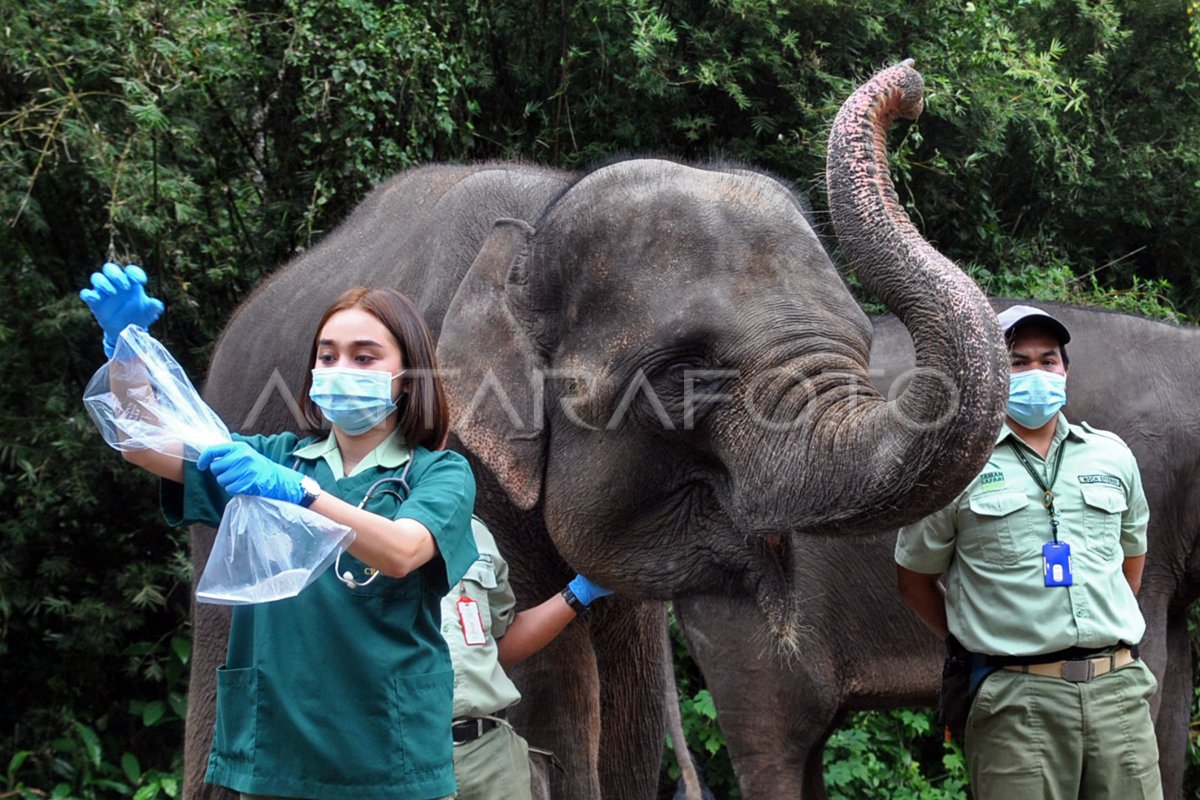
The recent death of a 13-month-old elephant calf in Assam has cast a somber light on the circumstances surrounding veterinary camp negligence and the accountability of NGOs involved in wildlife treatment. This tragic incident, which occurred shortly after the calf attended a health check-up camp in Tinsukia district, raises serious concerns about the effectiveness of programs aimed at elephant health checks. Local residents claim that expired medications were used during the treatment, questioning the qualifications of the NGO and emphasizing the need for transparency in wildlife treatment protocols. As the post-mortem results are still pending, wildlife activists are demanding a thorough investigation into the practices employed by the NGO. This unfortunate event has sparked discussions on the broader implications of animal welfare in the region and the responsibility of organizations conducting such critical care.
The demise of the young elephant in Assam highlights significant issues related to the management of wildlife health and the oversight of NGOs involved in conservation efforts. This event not only questions the procedures followed during veterinary inspections but also emphasizes the need for enhanced NGO accountability in wildlife care. As communities reflect on the ethical aspects of elephant treatment, the role of veterinary camps in ensuring the well-being of these majestic creatures has come under intense scrutiny. Observers note the urgency of addressing safety protocols, as negligence in treatment could jeopardize the health of other animals. With the ongoing investigation, the region must confront pressing wildlife treatment issues that demand immediate attention and rectification.
Negligence in Veterinary Care: The Assam Elephant Calf’s Tragic Death
The recent tragic death of a 13-month-old elephant calf in Assam has raised critical concerns over negligence in veterinary care. Following the calf’s health check-up at a local veterinary camp facilitated by an NGO, the animal fell ill and subsequently died within days. The calf’s owner reported that there were no prior signs of illness, which adds to the growing suspicion about the treatment it received. Questions arise regarding whether expired medication was used during its health check, as alleged by witnesses and caretakers present during the veterinary camp.
As the causes surrounding this incident unfold, wildlife enthusiasts and local communities are demanding accountability from the NGO involved in the treatment. Investigations must delve into the specific protocols followed during the veterinary camp, especially concerning the qualifications of the veterinary professionals onsite. Poor veterinary practices not only jeopardize the lives of the elephants but also undermine the credibility of NGOs tasked with their care. With the post-mortem results pending, it is crucial to assess the overall treatment regime in wildlife camps to prevent similar tragedies.
The Role of NGOs in Wildlife Health Care: A Call for Accountability
In light of the Assam elephant calf’s death, the role of NGOs in wildlife health care has come under scrutiny. The public is demanding clear accountability from the organization that oversaw the veterinary camp. Factors such as NGO qualifications, adherence to ethical treatment standards, and the competent use of veterinary medications are all critical elements that must be transparently evaluated. The allegations surrounding the use of expired medicines raise serious questions about whether NGO representatives are adequately trained to conduct wildlife medical procedures, particularly in a region rich in biodiversity.
Moreover, there is a pressing need for regulatory oversight to ensure that NGOs are comprehensively vetted before being allowed to operate within sensitive environments such as Assam’s forests. Wildlife activists advocate for stricter monitoring of NGO activities to avoid negligent practices that could lead to the death of endangered species. The Assam incident emphasizes the need for coordinated efforts among governmental bodies, NGOs, and local communities to establish effective wildlife treatment protocols that foster accountability and promote the health of wildlife.
Investigating Wildlife Treatment Issues: The Aftermath of the Calf’s Death
The aftermath of the elephant calf’s death has prompted a thorough investigation into broad wildlife treatment issues prevalent during the veterinary camp held in Assam. Initial reports show that while the NGO provided essential services, criticism surrounding their operational methodology has emerged. The events leading to the calf’s demise call for a deep examination of both the pre-existing health of the animals treated and the efficacy of the treatments administered. Furthermore, the use of inappropriate medical supplies within our wildlife treatment facilities could further jeopardize already vulnerable species.
In addressing these wildlife treatment issues, transparency in tax-payer funded services is vital. Public pressure is mounting on NGOs to clarify their standards of care and to publish their treatment outcomes, including post-mortem findings and other relevant data, to foster trust with local residents and stakeholders. Additionally, a more in-depth examination of obtained consent and knowledge regarding the administration of complex treatments, such as sedation for tusk removal, needs disclosure. A comprehensive assessment of these practices will ensure such tragedies do not recur.
Understanding Elephant Health Checks: What Went Wrong?
Health checks are essential for ensuring the well-being of elephants, particularly in regions where human-animal conflict is prevalent. However, the recent incident involving the death of an elephant calf in Assam highlights potential mishaps in the execution of these health checks. Ideally, a thorough elephant health check should be conducted by qualified veterinarians who can ensure that all necessary precautions are taken. Observations from the area indicate that systemic failures may have led to inadequate health assessments, contributing to the calf’s condition after treatment.
Proper elephant health check protocols are crucial, involving accurate medical histories, a review of previous illnesses, and close monitoring of the animals’ responses post-treatment. The responsibility to uphold these standards lies heavily on the implementing NGO, which requires proper training and resources. Moving forward, addressing the issues related to elephant health checks will be instrumental in preventing future incidents. There should be an increased emphasis on utilizing best practices learned from both domestic and international wildlife care efforts.
The Importance of Post-Mortem Reports in Wildlife Health Care Investigations
Post-mortem examinations play a pivotal role in understanding the causes of death in wildlife and are particularly significant in cases filled with controversy. In the case of the Assam elephant calf, the pending post-mortem report is highly anticipated as it will provide critical insights into whether negligence played a role in the calf’s untimely demise. Authorities must release thorough and unfiltered findings to identify potential areas of improvement within wildlife treatment protocols and investigate further any lapses during the veterinary camp.
Moreover, the results of these medical analyses should guide future interventions and encourage stricter oversight of veterinary practices for wildlife. The subsequent investigations must probe into the suitability of treatments and practices deployed during the veterinary camp, supporting calls for transparency and reforms. As the wildlife community continues to engage with NGOs, the importance of accurate and timely post-mortem results cannot be overstated—offering a scientific basis to hold responsible parties accountable for their actions.
Activism and Public Engagement: Seeking Justice for Assam’s Wildlife
The tragic passing of the elephant calf has ignited a wave of activism and public outrage over wildlife treatment standards in Assam. Local activists and residents have rallied together, demanding justice for the calf and greater accountability from the NGO responsible for its care. Social media platforms have become a stage for wildlife supporters to mobilize their efforts and share information regarding the incident, which has brought widespread attention to the matter and revealed systemic issues within wildlife care framework.
Public engagement is crucial in ensuring that wildlife, particularly elephants, receive the protection and treatment they deserve. As activists call for a thorough investigation into the events leading up to the calf’s death, it serves as a poignant reminder of the need for stricter regulations and better educational initiatives concerning wildlife welfare. The significant public interest in this case can act as a catalyst for change, ultimately pushing for improved treatments, veterinary standards, and the ethical operations of NGOs dedicated to wildlife care, ensuring that future incidents are mitigated effectively.
Community Involvement in Wildlife Protection: Lessons from Assam
The community’s involvement plays a significant role in wildlife protection, especially in areas like Assam where human-wildlife interactions are frequent. The recent incident surrounding the elephant calf’s death emphasizes the importance of local communities being engaged in the health and well-being of wildlife. When communities are informed and actively involved in monitoring wildlife health checks, they can provide invaluable input to ensure better oversight of NGOs and their practices during veterinary camps.
Enhanced communication between NGOs and locals can lead to better management of wildlife treatment protocols. Establishing a community task force that collaborates with NGOs might foster accountability while ensuring the effectiveness of treatments provided to wildlife. The collective efforts between residents, local authorities, and conservationists can aid in the establishment of a wildlife protection framework that is not only sustainable but also prioritizes the well-being of animals in their natural habitats. Lessons learned from events like the elephant calf’s death can lead to more robust collaborative initiatives that protect wildlife for generations to come.
Ethical Standards in Wildlife Conservation: Reframing NGO Practices
The ethics surrounding wildlife conservation and the role of NGOs are paramount as highlighted by the recent incident in Assam. The death of the elephant calf after purportedly negligent treatment has sparked necessary discussions about the moral obligations these organizations have towards wildlife care. Ethical standards in conservation must transcend mere compliance; they should promote animal welfare, transparency, and public trust. To rebuild confidence, NGOs must reevaluate their operational guidelines, ensuring they are grounded in best practices and respect for the animals they aim to protect.
By reframing their practices, NGOs can ensure they are not only tackling present wildlife issues but also cultivating long-term, sustainable relationships with local communities. When NGOs adhere strictly to ethical guidelines and clearly communicate their intentions and methodologies, they will foster solidarity with local residents rather than mistrust. Protecting wildlife effectively involves making informed and compassionate decisions that prioritize animal health and welfare as fundamental to their operational philosophy.
Frequently Asked Questions
What does the recent Assam elephant calf death reveal about NGO accountability in wildlife treatment?
The tragic death of a 13-month-old elephant calf in Assam after attending a veterinary camp has raised significant concerns regarding NGO accountability in wildlife treatment. Reports suggest that negligence, including the use of expired medicines during the health check-up camp, may have contributed to the calf’s death. Local activists and wildlife experts are demanding a thorough investigation into the NGO’s practices and qualifications, especially regarding their treatment methods and adherence to regulations during veterinary interventions.
| Key Point | Details |
|---|---|
| Incident Overview | A 13-month-old elephant calf died shortly after a health check-up in Assam. |
| Date of Incident | The calf died on April 19, 2026. |
| Post-Mortem Status | The carcass has been disposed of, but results of the post-mortem are still pending. |
| Accusation Against NGO | Local residents allege negligence due to expired medicines used in treatment. |
| Official Response | The NGO provided treatment, with logistical support from the forest department. |
| Investigation Calls | Wildlife activists demand a thorough investigation into the circumstances surrounding the calf’s death. |
| Concerns About Tusk Removal | Cutting tusks off a live elephant raises ethical and procedural concerns. |
Summary
The Assam elephant calf death has sparked significant concern and debate among local residents, wildlife activists, and officials. The unfortunate demise of the young elephant shortly after a veterinary camp raises serious questions regarding the operational practices and accountability of the NGO involved. Accusations of negligence, particularly the use of potentially expired medicines, have prompted calls for a thorough investigation into the matter. As the community awaits the post-mortem findings, the events surrounding the calf’s treatment underscore imperative discussions about animal welfare and the responsibilities of organizations operating in sensitive ecological zones. The investigation’s outcome may shed light on the critical issues of maintaining proper medical protocols for wildlife, thereby addressing the public’s outcry for transparency and accountability.



























