

Terror attacks in Delhi-NCR have once again brought the focus on the persistent threat of violence in India’s capital region. Recently, the Delhi Police made a significant breakthrough by arresting two individuals who were allegedly recruited by Shahzad Bhatti, a known proxy for the Pakistani intelligence agency ISI. Authorities revealed that the detained suspects were planning a series of violent incidents, including targeted shootings and grenade explosions, aimed at instilling fear among the public. The alarming nexus between these suspects and broader terrorism in India highlights the urgent need for enhanced security measures in the NCR, which frequently faces security threats from various extremist groups. Moreover, the investigation also uncovers potential gangster links to terrorism, raising questions about the underlying networks that enable such acts of violence.
The recent apprehensions connected to potential violent plots have reignited discussions about the ongoing challenges to public safety in the National Capital Region. Law enforcement agencies in Delhi have been faced with the difficult task of countering the threats posed by criminal organizations that, like the notorious Shahzad Bhatti, operate within a web of international terrorism. These incidents cast a shadow over the security landscape in the region, compelling authorities to improve their strategies in combating the intertwined realities of crime and extremist ideologies. As the city grapples with these complexities, the need for comprehensive intelligence sharing and community engagement becomes more critical in thwarting future calamities. Consequently, discussions about enhancing regional safety measures are more relevant than ever.
Recent Arrests Targeting Terrorism in Delhi-NCR
In a decisive operation, the Delhi Police’s Special Cell has apprehended two men reportedly associated with Shahzad Bhatti, a noted ISI proxy and gangster involved in organizing terror activities. These arrests are crucial in the ongoing fight against terrorism in India, highlighting the persistent threats faced by urban centers like Delhi and its adjoining regions. The individuals in question were allegedly conspiring to execute violent actions including shootings and bombings, underscoring the pressing need for enhanced NCR security measures.
The ramifications of this incident run deep, as it raises alarms over the potential infiltration of gangsters into terrorism-related activities, bridging a dangerous link between organized crime and national security. With the increase in terrorism-related incidents in Delhi-NCR, policymakers are urged to reassess strategies and collaborate more closely with intelligence agencies. The partnership between police and local communities will be crucial in thwarting future threats and ensuring the safety of citizens against the backdrop of rising gang violence and terrorism.
Terrorism Threats and Gangster Links in NCR
The connection between gangster activity and terrorism in the National Capital Region (NCR) is becoming increasingly evident, particularly with the influence of figures such as Shahzad Bhatti. Known for his notorious affiliations and violent methods, Bhatti’s enlistment of individuals to carry out attacks is an alarming trend that Indian authorities must address. Such links not only exacerbate the complexities of combating terrorism but also highlight how gangsters can exploit social unrest and radical ideologies to further their illegal agendas.
With the specter of planned attacks looming over urban entities, it is imperative for law enforcement to develop rigorous counter-terrorism strategies that also account for the underbelly of gangsterism. This involves focused operations to dismantle the networks that allow for such criminal alliances to flourish. The Delhi Police’s recent successes are a step in the right direction, but they must remain vigilant in monitoring and disrupting any connections between local gangs and terror organizations to prevent future destabilization.
Impact of Terror Attacks on Delhi-NCR Security Measures
The recent arrests signal a critical moment for Delhi-NCR’s security landscape, where the threat of terrorism now combines with the violent tendencies of organized crime. The gravity of planning terror attacks—whether through forced recruitments or financial coercion—places significant pressure on the Delhi Police to enhance surveillance and intelligence operations across the region. The constant evolution of terrorism in India, coupled with the rise of criminal syndicates, requires a proactive and integrated approach to safeguard public safety.
In response to these threats, the Delhi Police are ramping up their counter-terrorism initiatives, focusing on intelligence gathering and community engagement. This multifaceted approach is aimed at not only preventing potential attacks but also dismantling the root causes that allow such ideologies to thrive. Establishing strong lines of communication with residents can play a vital role in reporting suspicious activities and fostering an atmosphere of vigilance, thus fortifying the region’s defenses against both terrorism and gang violence.
Heightened Security Efforts Following Arrests in Delhi
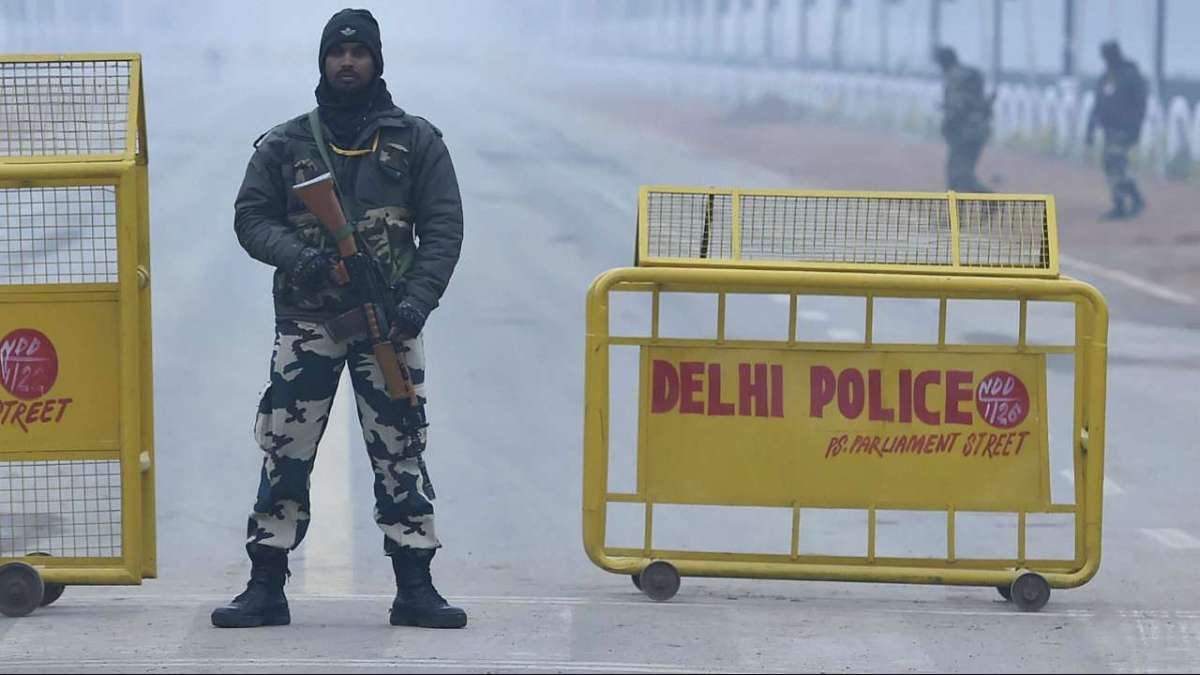
Following the recent arrests linked to Shahzad Bhatti’s terror plot, there is a noticeable increase in security measures implemented across Delhi-NCR. The police have ramped up checkpoints, enhanced surveillance technologies, and conducted thorough background checks to identify potential threats. These measures aim to reassure the public while simultaneously deterring any future plans for terrorist activities in the area.
Moreover, local law enforcement is collaborating with national agencies to create a more connected and responsive security framework. This kind of integrated approach is crucial as it allows for more effective monitoring of known associates of organized crime and terrorism, creating a network that can share intelligence seamlessly. With a heightened sense of awareness and increased security protocols, the Delhi Police are striving to create a safer environment for all citizens as they navigate the complex landscape of terrorism-related threats.
The Role of Intelligence in Preventing Terrorism in India
Intelligence plays a pivotal role in preemptively identifying and neutralizing threats posed by terrorism in India. The Delhi Police’s success in capturing individuals associated with Shahzad Bhatti underscores the importance of robust intelligence-sharing frameworks among various security agencies. Vigilant monitoring of potential recruits and criminal networks can unveil hidden connections and thwart potential terror plots before they can materialize.
As the landscape of terrorism evolves, the need for sophisticated intelligence methodologies becomes paramount. In Delhi-NCR, the integration of data analytics, community inputs, and international intelligence partnerships can significantly enhance the effectiveness of counter-terrorism operations. By adopting such comprehensive tactics, law enforcement can stay one step ahead of emerging threats and maintain peace in one of India’s most populous regions.
Preventative Measures Against Terrorism in Urban India
Preventative measures against terrorism, especially in urban areas like Delhi-NCR, have become critical in safeguarding the nation’s populace. Authorities are urged to adopt a holistic approach—combining law enforcement actions with community education and engagement initiatives. Informing citizens about recognizing suspicious activities and how to report them can create a more vigilant society that actively participates in the search for security.
Furthermore, policymakers must address the socio-economic factors contributing to radicalization and enlistment in terrorist activities. Creating avenues for youth engagement in constructive activities, job opportunities, and education may diminish their susceptibility to extremist ideologies. By fostering resilience within communities, India can develop a robust front against the allure of terrorism while enhancing overall societal cohesion.
Community Involvement in Combating Terrorism Risks
Communities play a significant role in the fight against terrorism, particularly in densely populated regions like Delhi-NCR. Active participation from locals can help law enforcement agencies gather critical information that may otherwise remain undisclosed. Initiatives such as neighborhood watch programs and community forums promote vigilance and facilitate open communication between residents and police, ensuring that potential threats are swiftly reported and addressed.
Moreover, community-driven campaigns that focus on the importance of social cohesion can counteract the divisive narratives often used by terrorist groups. Through fostering an inclusive environment that celebrates diversity and unity, communities can collectively build a formidable barrier against extremist influences. As demonstrated by the recent police operations, effective community involvement can substantially enhance overall security and resilience in the face of rising terrorism in urban India.
Analyzing Terrorism Trends in Delhi-NCR
The rise of terrorism in Delhi-NCR illustrates stark trends that are critical for law enforcement and policymakers to analyze. The evolving nature of threats, particularly those linked to organized crime and radical groups, requires consistent assessment and adaptation of strategies. Analyzing the profiles and methods of individuals involved can provide insightful data that can direct future counter-terrorism efforts, allowing for a more strategic approach to disbanding such networks.
Additionally, understanding the evolving motivations behind terrorist activities—whether ideological, financial, or social—is vital for tailoring prevention strategies. By utilizing data analytics and intelligence reports, the Delhi Police can identify patterns in behavior and recruitment, enabling proactive measures to be implemented well before any malicious acts can occur. This analytical framework, combined with strategic intervention efforts, is essential to mitigating the proliferation of terrorism in urban India.
Strengthening Legal Frameworks Against Terrorism
As the threat of terrorism persists in Delhi-NCR and beyond, there is a pressing need to strengthen legal frameworks that govern anti-terrorism efforts. Current laws must be reviewed and updated to address the complex dynamics of modern terrorism, particularly regarding organized crime and international connections. Ensuring that law enforcement agencies have the necessary tools to protect citizens effectively is paramount in mitigating risks.
Implementing stringent measures while protecting civil rights is a delicate balance that must be maintained. Legal enhancements should revolve around improving intelligence-gathering processes, facilitating swift prosecution of terror-related cases, and ensuring stricter penalties for those involved in gang collaborations with terrorist activities. By establishing a more robust legal framework, India can fortify its defenses against both domestic and international terrorism threats.
Frequently Asked Questions
What recent developments have occurred regarding terror attacks in Delhi-NCR?
Recently, the **Delhi Police** arrested two individuals suspected of planning terror attacks in the Delhi-NCR region. These arrests are linked to Pakistan-based gangster and ISI proxy Shahzad Bhatti, who reportedly recruited operatives for planned violent acts such as firing incidents and grenade explosions aimed at targeting assassination attempts in the area.
| Date | Arrests | Connection | Planned Actions |
|---|---|---|---|
| Tuesday | 2 individuals | Shahzad Bhatti (ISI Proxy) | Firing incidents, grenade explosions, targeted assassinations |
Summary
Terror attacks in Delhi-NCR have been a pressing concern in recent months, especially with the recent arrests of two individuals linked to Shahzad Bhatti, a known ISI proxy. The Special Cell of Delhi Police revealed plans for severe criminal activities, including firing incidents and grenade explosions, targeting various locations within the Delhi-NCR region. The gravity of these threats underscores the ongoing issues related to terrorism in urban areas, demanding heightened vigilance and robust security measures to protect the lives of residents and maintain peace in the region. The involvement of international actors like the ISI highlights the complex nature of the security landscape in India, calling for an urgent response from law enforcement agencies to address the challenges posed by terrorism.



























