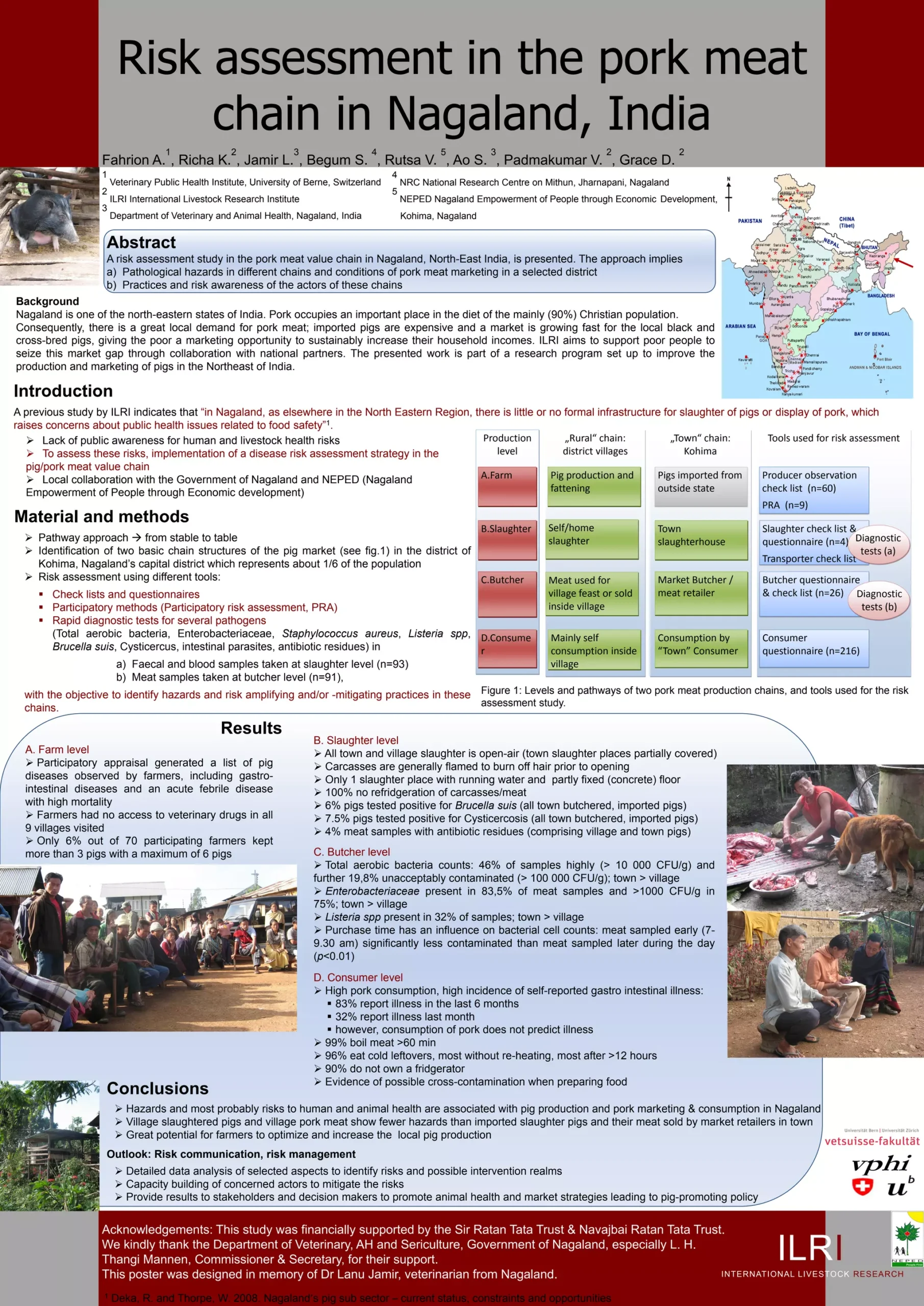
Local pork production in Nagaland is seeing a crucial push as the state grapples with a significant pork demand. With a staggering requirement of about 60,000 tonnes annually and a current production of only 30,000 tonnes, the persistent supply deficit highlights the urgent need for improvement. During the recent inauguration of a pork retail outlet in Kohima, Achumbemo Kikon of the Naga People’s Front (NPF) underscored the importance of expanding pig farming opportunities to meet consumer needs. This gap not only presents challenges but also vast economic growth potential for the region, opening avenues for local farmers and entrepreneurs alike. With rising demand for pork in Nagaland, now is the time for innovative solutions that strengthen local supply chains and encourage youth participation in the agricultural sector.
The burgeoning market for swine products in Nagaland reflects an increasing appetite for locally sourced meat. As the state faces a notable challenge in balancing the scales of supply and demand, the potential for enhanced pig breeding initiatives becomes evident. The ongoing efforts to develop retail outlets, particularly in Kohima, signify a significant step toward promoting indigenous livestock farming. Empowering the Naga population through employment opportunities in this sector could greatly contribute to the overall economic vitality of the region. Emphasizing local pork production not only caters to community needs but also fosters a sustainable agricultural environment that benefits all.
Addressing Pork Demand in Nagaland
Nagaland is currently facing a significant challenge in meeting its pork demand, which stands at an impressive 60,000 tonnes annually. With local production hovering around 30,000 tonnes, the state is grappling with a shortfall of about 50 percent. This discrepancy highlights a pressing need for strategies to boost local pork production in Nagaland, not merely to meet demand but also to strengthen the local economy. As such, there is an urgent call from leaders like Achumbemo Kikon of the Naga People’s Front for increased investment and support in the pork industry, which could stimulate the state’s agricultural sector and enhance food security for its residents.
The unmet demand for pork represents a significant opportunity for growth and development within Nagaland’s agricultural landscape. By addressing the supply deficit, local farmers can tap into a market that is ripe for expansion. Initiatives to educate and empower the youth about pig farming can transform the current economic narrative, allowing for the establishment of new businesses and jobs. This change not only puts pork on the tables of many Naga families but also cultivates a sense of pride in local food production. Ultimately, bridging this gap in pork supply is a crucial step towards fostering a sustainable economic growth model for Nagaland.
Pig Farming Opportunities for Economic Growth
The burgeoning pork sector in Nagaland presents substantial pig farming opportunities that local entrepreneurs cannot afford to overlook. With the growing population and an increasing appetite for pork products, there’s a clear defined niche for local farmers willing to enter the market. The government’s encouragement towards enhancing local pork production indicates that pig farming could become a cornerstone of Nagaland’s agricultural economy, leading to numerous job opportunities and income-generating avenues for both seasoned farmers and new entrants alike.
Aiming to capitalize on these opportunities, policies and programs directed towards supporting pig farming should be implemented. These can include offering education, financial aid, and access to resources for aspiring pork producers. By formalizing operations and establishing cooperatives within the pig farming community, the potential for economic growth in Nagaland can be realized. Sustainable practices will not only ensure a steady pork supply but also work towards preserving local biodiversity while enhancing the livelihoods of the Naga people.
Impact of Local Pork Production on Supply Chains
Increasing local pork production in Nagaland could lead to a considerable transformation in regional supply chains. Currently, a large portion of pork consumed in Nagaland is sourced from outside the state due to the insufficient local output. By bolstering production capabilities, local farmers will be able to fill this gap, thereby fostering a robust local supply chain that benefits everyone from producers to consumers. This shift not only reduces dependency on external sources but also has the potential to lower prices for consumers as local supply meets demand more effectively.
Moreover, enhancing pork production can catalyze related industries such as processing and distribution, leading to a ripple effect of economic benefits throughout Nagaland. As local farms expand and innovate, entrepreneurial opportunities will arise within the value chain. From packaging to logistics, creating a sustainable and efficient supply chain could significantly contribute to the state’s overall economic growth. This holistic approach encourages community engagement and ensures that local resources are utilized to their fullest potential.
The Role of Naga People’s Front in Promoting Pork Industry
The Naga People’s Front (NPF) has been at the forefront of advocating for the enhancement of the pork industry in Nagaland. Their active involvement in inaugurating local retail outlets and launching awareness campaigns plays a vital role in promoting local pork production. By bringing the discussions of pork demand and supply deficits to the public sphere, the NPF encourages stakeholders, including potential farmers and consumers, to engage in the sector. Such advocacy is essential for assembling support from both government and private sectors to create a conducive environment for growth in pig farming.
Furthermore, the NPF’s commitment to fostering economic growth through agriculture underscores the potential of pig farming as a sustainable income source. By aligning their political objectives with the interests of local farmers, the NPF helps build a collaborative framework where policies are crafted to support agricultural initiatives. This proactive stance sets the stage for a thriving pork industry in Nagaland that not only fulfills the existing demand but also empowers local communities through sustainable opportunities.
Establishing Kohima as a Pork Retail Hub
Kohima, the capital of Nagaland, has the potential to transform into a pivotal pork retail hub, capitalizing on its geographical advantage and existing market dynamics. With the launch of new pork retail outlets, local entrepreneurs are seizing the opportunity to cater to the rising demand for quality pork products. Creating a strong retail environment for pork sales not only serves existing culinary needs but also creates a vibrant marketplace where local producers can thrive.
By promoting Kohima as a central location for pork retail, the municipality can stimulate economic activity in the area. Establishing a network of retail outlets enables consumers to access fresh, locally-produced pork, supporting local farmers and reducing transportation costs associated with imported meats. Furthermore, as businesses flourish, they create job opportunities, enhancing the local economy while promoting an appreciation for Nagaland’s agricultural heritage and the importance of sustaining local food sources.
Challenges Facing Local Pork Production in Nagaland
Despite the promising opportunities for increased local pork production in Nagaland, significant challenges remain. One major obstacle for local farmers is the lack of access to modern farming techniques and resources. The prevailing use of traditional methods can limit production capacity and efficiency, making it difficult for farmers to compete with imported pork. Additionally, issues such as disease management, market access, and securing funding continue to hinder growth in this sector.
To overcome these challenges, stakeholders must come together to provide support through education, resources, and technology. Implementing training programs for farmers on modern pig husbandry practices and supporting infrastructure development will be vital in enhancing production. Addressing these challenges head-on not only promises to meet local demand for pork but also spurs overall economic progress in Nagaland.
Sustainability in Pork Production
As local pork production ramps up in Nagaland, it becomes increasingly important to prioritize sustainability in farming practices. The cultivation of pigs must align with ecological principles to ensure that the agricultural landscape is preserved for future generations. Sustainable practices include responsibly managing animal health, conserving resources, and reducing waste in the supply chain, which collectively contribute to a more resilient economy.
Moreover, sustainable pork production can enhance the quality of life for local farmers by positioning them as stewards of the land. By adopting methods that emphasize animal welfare and environmental benefits, farmers can create a niche market for organic and responsibly sourced pork products. This strategy not only connects producers with environmentally-conscious consumers but also establishes Nagaland as a leader in sustainable agricultural practices within the region.
The Future of Pig Farming in Nagaland
Looking ahead, the future of pig farming in Nagaland is bright, marked by the potential for significant growth and innovation. With local leaders advocating for increased pork production and the government emphasizing the importance of agriculture in economic planning, the foundation for a robust pork sector is being laid. As awareness of pork’s nutritional value increases, so does the interest in supporting local farmers and businesses.
Furthermore, as technology continues to evolve, integrating modern agricultural practices into pig farming will enhance productivity and sustainability. The collective enthusiasm around pig farming can not only boost local economies but also create a community of skilled farmers who are equipped to meet both local and national demand. If harnessed correctly, the opportunities available in Nagaland’s pork industry could redefine the state’s agricultural identity for years to come.
Frequently Asked Questions
What opportunities does local pork production in Nagaland offer to farmers and entrepreneurs?
Local pork production in Nagaland presents significant pig farming opportunities, especially given the growing demand for pork in the state. With the current local production meeting only half of the approximate 60,000 tonnes required annually, farmers have a chance to bridge this 30,000-tonne gap. Educated unemployed youth can explore pig farming as a viable livelihood option, contributing to economic growth in Nagaland and strengthening local supply chains.
| Key Points | Details |
|---|---|
| Significant Increase Needed | Achumbemo Kikon emphasizes the need for a substantial boost in local pork production to meet the growing demand. |
| Current Production vs Demand | Nagaland’s annual pork requirement is around 60,000 tonnes, but local production is currently about 30,000 tonnes, leading to a 50% shortfall. |
| Economic Potential | The gap in pork production presents opportunities for farmers and entrepreneurs to enhance local supply chains and boost the economy. |
| Opportunities for Youth | Kikon encourages educated unemployed youth to explore pig farming as a viable option for income generation and contributing to economic growth. |
Summary
Local pork production in Nagaland is at a crucial juncture, with a pressing need to enhance the output to satisfy growing consumer demand. During a recent event in Kohima, Achumbemo Kikon, Secretary General of the Naga People’s Front, outlined the stark reality that Nagaland requires approximately 60,000 tonnes of pork annually, while current local production barely reaches 30,000 tonnes. This significant shortfall underscores the economic potential within the pork sector, positioning it as a viable opportunity for both existing farmers and aspiring entrepreneurs. Furthermore, Kikon’s call to action for educated unemployed youth highlights pig farming as an accessible avenue for sustainable livelihoods, promoting not only individual economic benefits but also the strengthening of local supply chains. By addressing these gaps, Nagaland can cultivate a sustainable and economically vibrant pork production industry.