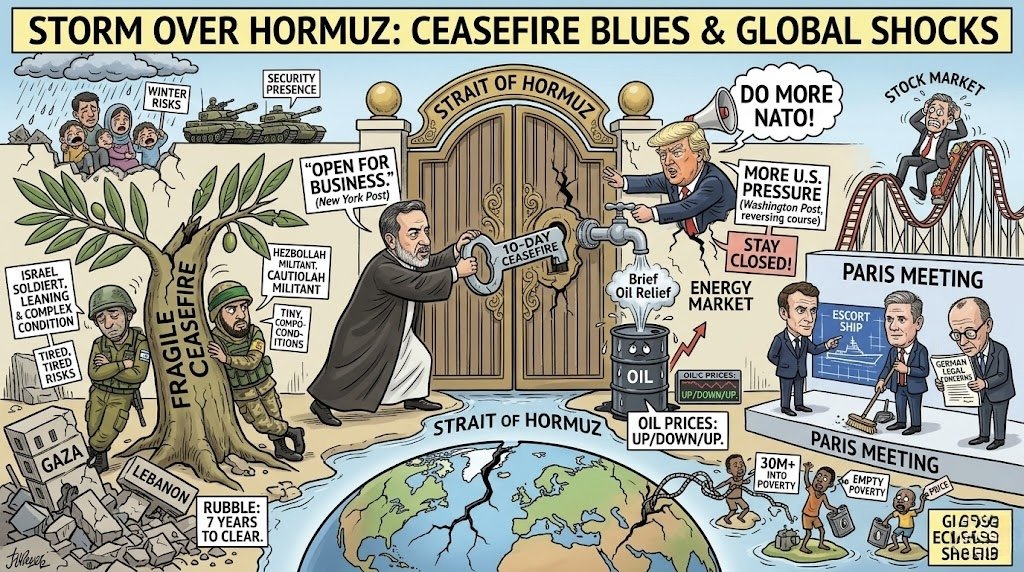
The U.S. military response to Iranian threats has intensified as President Donald Trump takes a firm stance against perceived aggressions in the Strait of Hormuz. In a bold declaration via social media, he ordered the United States Navy to take decisive action against Iranian vessels posing a risk to navigation. This includes instructions to “shoot and kill” any small boats suspected of deploying mines in this critical maritime route, emphasizing that there should be “no hesitation” in dealing with such provocations. This directive signals a significant escalation in US Navy operations aimed at protecting international trade and ensuring the safe passage of vessels in the region. With the ongoing tensions in the Strait of Hormuz, the implications for global energy supplies and international trade are profound, highlighting the urgency of effective military and diplomatic strategies in this volatile situation.
In light of the recent provocations from Iran, Washington’s military approach is taking on an aggressive posture, reflecting a broader strategy to safeguard vital shipping lanes. President Trump’s directives to American naval forces underscore a commitment to counter threats from Iranian maritime activities that jeopardize crucial trade routes. The tensions in this pivotal area, recognized as a corridor for global commerce, necessitate a sharp focus on ensuring maritime security through enhanced military readiness. Concurrently, diplomatic discussions are emerging, with officials from the U.S. actively engaging in consultations aimed at de-escalating tensions with Tehran. The evolving regional dynamics highlight the necessity for a multifaceted strategy to address military readiness while exploring potential avenues for dialogue.
U.S. Military Response to Iranian Threats in the Strait of Hormuz
The recent directive from President Donald Trump to the U.S. military marks a significant escalation in America’s approach towards Iranian provocations in the Strait of Hormuz. As tensions have sharply risen, the President’s order for the Navy to ‘shoot and kill’ threatening Iranian vessels underscores the seriousness with which the U.S. is regarding navigational safety in this vital shipping passage. The Strait of Hormuz is not only a strategic chokepoint for global oil transport but also a symbol of geopolitical rivalry. The potential for small boats laying mines poses a considerable risk to both military and civilian maritime operations, and the U.S. is now on a war footing to ensure that any such activities are met with a robust response.
In light of these developments, U.S. Navy operations in the area are set to intensify, which may include increased naval patrols and mine-clearing initiatives. These operations will serve a dual purpose — safeguarding international trade routes and asserting U.S. military presence in a region known for its volatility. The implications of these actions extend beyond military engagement; they are likely to affect global oil prices and heighten the risk of confrontational encounters that could draw in allied navies as well.
Furthermore, the U.S. military’s proactive posture can be seen as a deterrent against Iranian aggressions, aiming to maintain freedom of navigation in one of the world’s busiest maritime corridors. The importance of the Strait of Hormuz cannot be overstated, as it serves as the gateway for oil tankers from various countries, significantly contributing to global energy supplies. Should Iranian actions disrupt these shipping lanes, the ramifications would resonate throughout international markets, potentially leading to spikes in oil prices and destabilizing economies reliant on Gulf oil imports.
This urgent military response to the Iranian threat is mirrored by diplomatic undertakings designed to ease tensions. The recent meeting between Iran and U.S. officials denotes an effort to navigate through this heightened climate. However, the complexity of U.S.-Iranian relations complicates potential resolutions, making it clear that while military capabilities are being ramped up, diplomatic channels must remain open to achieve stability and avert conflict.
Implications of Enhanced U.S. Military Operations on Global Trade
The heightened military presence of the U.S. Navy in the Strait of Hormuz due to Iranian aggressions has profound implications for global trade and energy markets. As a strategic passage for a significant percentage of the world’s oil supply, any disruption in this area can lead to immediate and far-reaching effects, including volatile oil prices and a bottleneck in shipping routes. Ensuring safe passage for vessels is crucial not just for the U.S., but for international maritime commerce as well, which relies heavily on the uninterrupted flow of goods through this crucial chokepoint. Enhanced U.S. military operations will likely act as a stabilizing force, assuring shipping companies and global markets that threats to navigation will be met with a decisive military response.
Moreover, the potential escalation of military operations can lead to a temporary increase in volatility in international trade routes. Shipping firms may consider rerouting vessels to avoid potential conflict areas, which could increase shipping times and costs, further complicating global supply chains. As the international community watches these developments, the role of the U.S. in maintaining open and safe trading routes will be critical, influencing not only oil markets but also the broader economic landscape affected by energy prices.
However, while military operations aim to secure trade, they also bear the risk of escalation leading to unintended confrontations. This is especially true since other nations, including European allies and regional powers, have vested interests in the region’s stability. Any misstep could provoke retaliatory actions from Iran or complicate existing alliances, further jeopardizing the economic interests that depend on smooth international trade. Therefore, balancing military readiness with diplomatic efforts remains essential to reduce risks while securing vital maritime pathways. The dual strategy of military strength coupled with open dialogue may prove to be the most effective means of navigating the complexities surrounding the Strait of Hormuz.
Frequently Asked Questions
What recent U.S. military response has been taken against Iranian threats in the Strait of Hormuz?
Recently, U.S. President Donald Trump ordered the American military to adopt a more aggressive stance against Iranian vessels that pose threats to navigation in the Strait of Hormuz. This response includes instructions for the U.S. Navy to ‘shoot and kill’ any small boats engaged in laying mines, indicating a readiness to protect vital shipping routes from potential Iranian aggression. The U.S. Navy is also intensifying mine-clearing operations to ensure safe passage through this critical waterway.
| Key Point | Details |
|---|---|
| Military Orders | President Trump directed aggressive military actions against Iranian vessels threatening navigation. |
| Navy Directives | The U.S. Navy has been ordered to ‘shoot and kill’ small boats laying mines in the Strait of Hormuz. |
| Mining Concerns | The directive emphasizes no hesitation in handling threats to navigation in the strategic corridor. |
| Mine-Clearing Enhancements | Mine-clearing operations are intensifying in the region. |
| Strait of Hormuz Importance | A crucial global shipping route whose disruption can impact international trade and energy supplies. |
| Diplomatic Efforts | Talks are ongoing between the U.S. and Iran with meetings to enhance dialogue being discussed. |
Summary
The U.S. military response to Iranian threats has become a focal point of contemporary geopolitical tensions. With President Trump’s directive to take aggressive action, including the severe order to ‘shoot and kill’ Iranian vessels posing risks in the Strait of Hormuz, the situation highlights the razor-thin lines between military readiness and diplomatic resolutions. As the U.S. military ramps up its presence and preparedness in this vital shipping lane, the implications for international trade and energy flow become vividly more critical. Concurrently, diplomatic dialogues are being pursued to mitigate conflict, showing a complex interplay between military action and the longing for peace in a historically volatile region.