

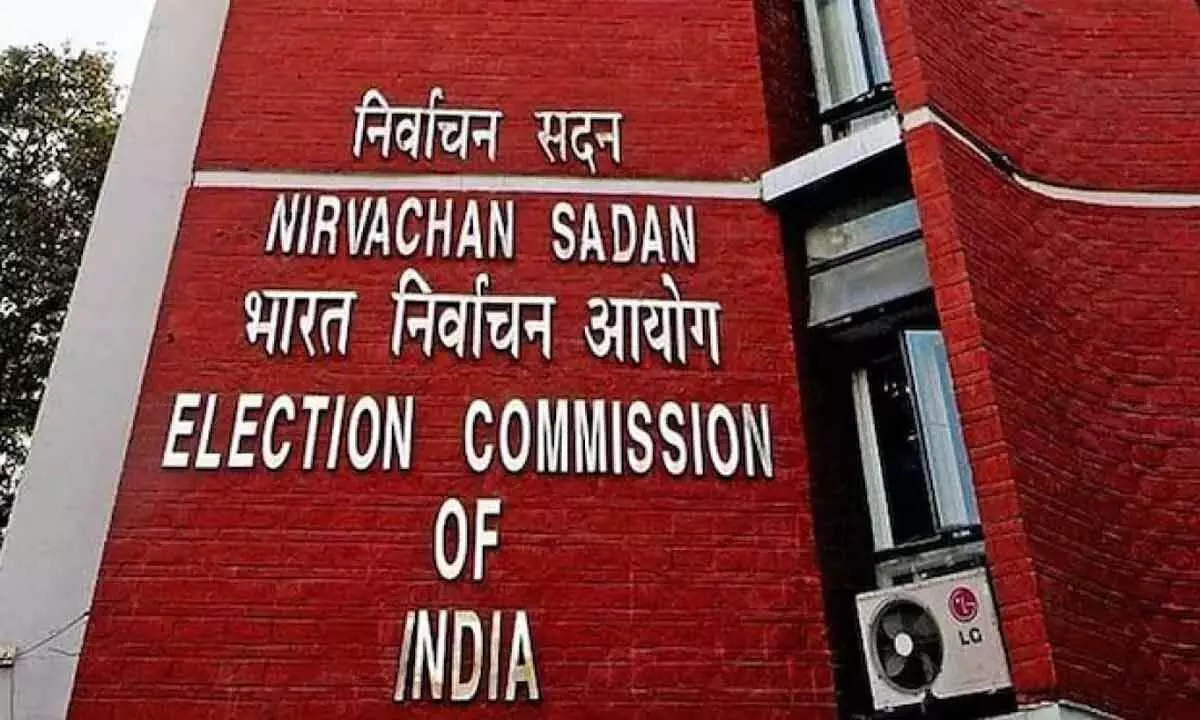
Gyanesh Kumar, currently serving as the Chief Election Commissioner, finds himself at the center of intense political scrutiny as opposition MPs in the Rajya Sabha have initiated a motion for his removal. Amidst a tapestry of political controversies, the tension heightened when leaders from the Trinamool Congress (TMC) accused Kumar of inappropriate comments during a crucial meeting. This allegation not only underscores the contentious atmosphere but also raises significant questions about the integrity of the Election Commission. With claims of “proven misbehavior” surfacing alongside calls for accountability, the latest developments in Rajya Sabha news suggest that Kumar’s leadership is under an unprecedented microscope. As the political landscape evolves, the repercussions of these allegations may have far-reaching implications for Kumar and the Election Commission’s credibility in managing future elections.
At the forefront of a stormy political landscape, Gyanesh Kumar’s role as the Commissioner overseeing electoral integrity has become increasingly embroiled in a web of accountability calls and procedural disputes. Recent motions submitted by opposition members of the Rajya Sabha emphasize serious concerns regarding the behavior of this chief official, particularly against allegations from political factions like the TMC. The rift between the Election Commission and political parties highlights a pivotal moment in how electoral governance is perceived and managed in this democracy. As multiple factions demand a transparent response and challenge the commission’s actions, the scenario exemplifies the complexities involving election oversight in a charged political atmosphere. Focusing on the grievances raised by opposition leaders can significantly affect the public’s confidence in the electoral process.
Allegations Against Gyanesh Kumar: A Deep Dive
The recent political turmoil surrounding Gyanesh Kumar, the Chief Election Commissioner, has sparked heated discussions within the Rajya Sabha. Opposition MPs allege that Kumar’s conduct, described as ‘proven misbehavior’, warrants his removal from office. This situation has raised significant concerns about the integrity of the Election Commission, particularly its ability to function impartially amid ongoing political controversies. The TMC’s claims that Kumar dismissed their concerns with a brusque ‘get lost’ further fuels the fire, casting doubt on the Chief Election Commission’s commitment to upholding democratic principles.
The implications of these allegations extend beyond personal conduct; they strike at the core of the Election Commission’s credibility. As the official body responsible for overseeing elections in India, any perceived bias or misconduct by the Chief Election Commissioner can undermine public trust in the electoral process. Additionally, the lack of a formal response from Kumar, as highlighted by the opposition’s notice, raises questions about accountability and transparency within the Commission. Such controversies not only affect Gyanesh Kumar’s position but also may have larger ramifications for the functioning of democratic institutions in the country.
Political Controversies: The Role of the Election Commission
Political controversies are an inevitable aspect of governance, but when they involve key figures like the Chief Election Commissioner, the stakes are much higher. The allegations made by the TMC have ignited a conversation about the necessity for a non-partisan Election Commission that can navigate the complex landscape of Indian politics. As the body responsible for ensuring free and fair elections, the Election Commission must address claims of misbehavior swiftly to maintain its authority and public confidence. In this context, the Rajya Sabha’s decision to move toward a motion for Kumar’s removal reflects a significant moment in the political climate.
Furthermore, this episode underscores the need for the Election Commission to implement robust mechanisms for addressing grievances brought forward by political parties. The absence of actions like issuing show-cause notices or providing advisories regarding complaints portrayed in this incident can lead to perceptions of impropriety. Consequently, the credibility of the Commission, and by extension, the electoral process, is at stake. As we explore these unfolding events, it is essential that the Election Commission emerges from this controversy with a renewed commitment to transparency and integrity, reinforcing its role as the guardian of democracy in India.
Implications of the Rajya Sabha Motion on Democratic Processes
The Rajya Sabha’s recent moves to initiate a motion against Gyanesh Kumar poses profound implications for democratic processes in India. Such actions signal a serious breach of trust between elected representatives and electoral authorities. As discussions unfold, they could hinder the Election Commission’s ability to function effectively, especially in a politically charged environment where tensions are inherently high. It is imperative that the actions taken by the Rajya Sabha serve to enhance, rather than compromise, the democratic fabric of the nation, fostering a system that holds all offices accountable, including that of the Chief Election Commissioner.
Additionally, the discourse surrounding the motion against Kumar reflects the broader challenges faced by India’s electoral frameworks, especially amid increasing allegations and political skirmishes. The heightened scrutiny on the Election Commission may usher in a necessary dialogue about reforms and the role it plays in ensuring credible elections. Future deliberations must focus on how to balance political interests while upholding the tenets of democracy and fairness in electoral practices, ensuring that such controversies do not eclipse the essential mandate of the Commission.
How Political Allegations Affect Election Commission’s Integrity
The credibility of the Election Commission is fundamentally tied to its independence and impartiality, attributes that are now being called into question with the allegations against Gyanesh Kumar. Political allegations, such as those levied by the Opposition and the TMC, can significantly damage the perception of the Commission’s neutral stance during elections. When leaders accuse the Chief Election Commissioner of discourteous behavior and disregard for complaints, it undermines the public’s trust in the Commission, fostering skepticism about its ability to administer fair elections.
Moreover, this ongoing political controversy emphasizes the urgent need for the Election Commission to adopt more robust communication strategies with political entities and the public. Establishing clear protocols for addressing allegations can help restore confidence in electoral governance. If the Commission fails to address these issues transparently, it risks being perceived as a political player rather than an impartial arbiter, further complicating the relationship between governing bodies and the electoral framework. Addressing these challenges head-on is critical to maintaining the integrity and independence of the Election Commission.
The Dynamics of Political Accountability in Electoral Bodies
Political accountability remains a central theme in democratic systems, particularly within electoral bodies like the Election Commission. The current situation involving Gyanesh Kumar illustrates how allegations of misconduct can lead to a broader demand for accountability not only from the Commission’s leadership but also from its operational structures. The willingness of Rajya Sabha members to challenge the Chief Election Commissioner reflects a growing sentiment among politicians and the public that electoral governance must be scrutinized. This trend represents a vital step towards ensuring that electoral bodies operate with integrity and are answerable to the electorate.
Furthermore, this ongoing debate serves to highlight the delicate balance that must be maintained between political engagement and institutional independence. While it is crucial for officials like Gyanesh Kumar to be held accountable for their actions, there must also be safeguards against politicizing the Election Commission itself. A neutral electoral body is paramount for democratic processes to function smoothly, but such neutrality can only be achieved if there is a robust framework in place for addressing grievances and ensuring accountability without political bias. The resolution of this controversy will likely set precedents for future interactions between lawmakers and electoral institutions.
Election Commission’s Future: Lessons from Recent Events
As the debate over Gyanesh Kumar’s conduct continues, it is crucial to consider the implications this situation has for the future of the Election Commission. Lessons learned from this controversy can help guide reforms aimed at enhancing the operational independence of the Election Commission in India. The need for transparency in handling complaints against electoral officials and a systematic approach to addressing grievances could emerge as critical takeaways for restoring public trust and reinforcing the Commission’s mandate. Moving forward, a reevaluation of how the Election Commission interacts with political parties and manages conflicts will be essential.
Moreover, this turmoil offers an opportunity for significant introspection within the Election Commission to adapt its strategies in light of changing political dynamics. Emphasizing accountability and fairness in its dealings with political entities will be paramount in safeguarding its reputation. As much as the current allegations could pose challenges for leadership, they may equally spur necessary reforms to strengthen the integrity of electoral bodies. The future of the Election Commission will depend on its capacity to navigate these challenges effectively while standing firm in its commitment to democratic principles.
The Chief Election Commissioner: A Role Under Scrutiny
The role of the Chief Election Commissioner has always been pivotal in ensuring free and fair elections in India, but recent events have placed Gyanesh Kumar under intense scrutiny. As the face of the Election Commission, Kumar’s interactions, decisions, and behavior are closely monitored not only by political leaders but also by the general public. Allegations of misconduct raise serious questions about how these individuals represent the Commission, contributing to discussions about professional standards and conduct expected from those in such high-profile positions.
Given the increasing incidences of political fallout tied to the office of the Chief Election Commissioner, it becomes imperative to establish clearer guidelines regarding professional interactions with political parties. Ensuring that the CEC maintains a standard of behavior that safeguards the independence of the Commission is essential. The recent controversy serves as a reminder of the critical responsibilities held by the CEC and the need for transparent communication with stakeholders to mitigate any misinterpretations of intent or behavior.
Challenges Faced by the Election Commission Amid Political Turmoil
The Election Commission currently faces a daunting landscape filled with political turmoil and allegations. As opposition parties like the TMC allege misconduct against the Chief Election Commissioner, the complexities of these challenges cannot be understated. These incidents inevitably complicate the Commission’s role and raise concerns over its effectiveness and ability to mediate within the political sphere. Navigating through such turbulence is challenging as the Commission needs to uphold electoral integrity while also addressing the political dynamics at play.
To effectively handle these challenges, the Election Commission must prioritize establishing a rigorous framework for accountability and transparency. This would involve clear channels for addressing disputes arising from political criticism, ensuring that all parties feel heard and that their grievances are acknowledged. By proactively addressing these issues, the Commission can better assuage doubts regarding its impartiality and authority, reinforcing its status as a cornerstone of democracy amidst an increasingly complex political landscape.
Navigating Criticism: The Election Commission’s Response Strategies
In light of the criticism directed toward Gyanesh Kumar and the Election Commission, strategic response mechanisms are paramount. Developing a robust communication plan can mitigate some of the fallout associated with allegations, providing clarity and maintaining public confidence. Open lines of communication with political parties, coupled with a willingness to engage in dialogue, can demonstrate the Commission’s commitment to transparency and accountability. This approach is essential to prevent potential misunderstandings and to reassure stakeholders of the Commission’s dedication to its mission.
Furthermore, implementing mechanisms to swiftly address public allegations could also play a key role in the Election Commission’s strategy for managing criticism. Regular updates and formal responses to controversies not only bolster the Commission’s credibility but also serve as a deterrent against potential future allegations. Ensuring that these strategies are in place can help foster trust and encourage a more collaborative political environment where the Election Commission is seen as an unbiased facilitator of democratic processes rather than a contested player in the political arena.
Frequently Asked Questions
What are the recent allegations against Gyanesh Kumar, the Chief Election Commissioner?
Recently, Gyanesh Kumar, the Chief Election Commissioner, faced serious allegations from opposition MPs in the Rajya Sabha, particularly from the TMC, concerning his behavior during a meeting. They claimed he instructed them to ‘get lost,’ which has sparked calls for his removal citing ‘proven misbehavior.’ Furthermore, the Election Commission has stated that Gyanesh Kumar has not responded to the complaints lodged against him, highlighting ongoing political controversies surrounding his role.
| Key Point | Details |
|---|---|
| Opposition MPs’ Notice | Opposition MPs have filed a notice to remove Gyanesh Kumar, Chief Election Commissioner, for alleged misbehavior. |
| Allegations from TMC | Leaders from the TMC claim Gyanesh Kumar told them to ‘get lost’ during discussions. |
| Election Commission’s Response | The Election Commission stated that TMC members were yelling, further escalating tensions. |
| Lack of Response | Gyanesh Kumar has not addressed any complaints with a show-cause notice or public response. |
Summary
Gyanesh Kumar, the Chief Election Commissioner, is currently facing serious allegations that could jeopardize his position due to accusations of misbehavior. The recent notice submitted by opposition MPs in the Rajya Sabha highlights the political tensions surrounding the election commission’s leadership. The TMC’s allegations and the Election Commission’s defensive stance illustrate a turbulent scenario, where accountability and communication breakdowns seem to dominate. As these unfolding events capture public attention, it raises broader concerns about the integrity of electoral processes in India.



























