 11
11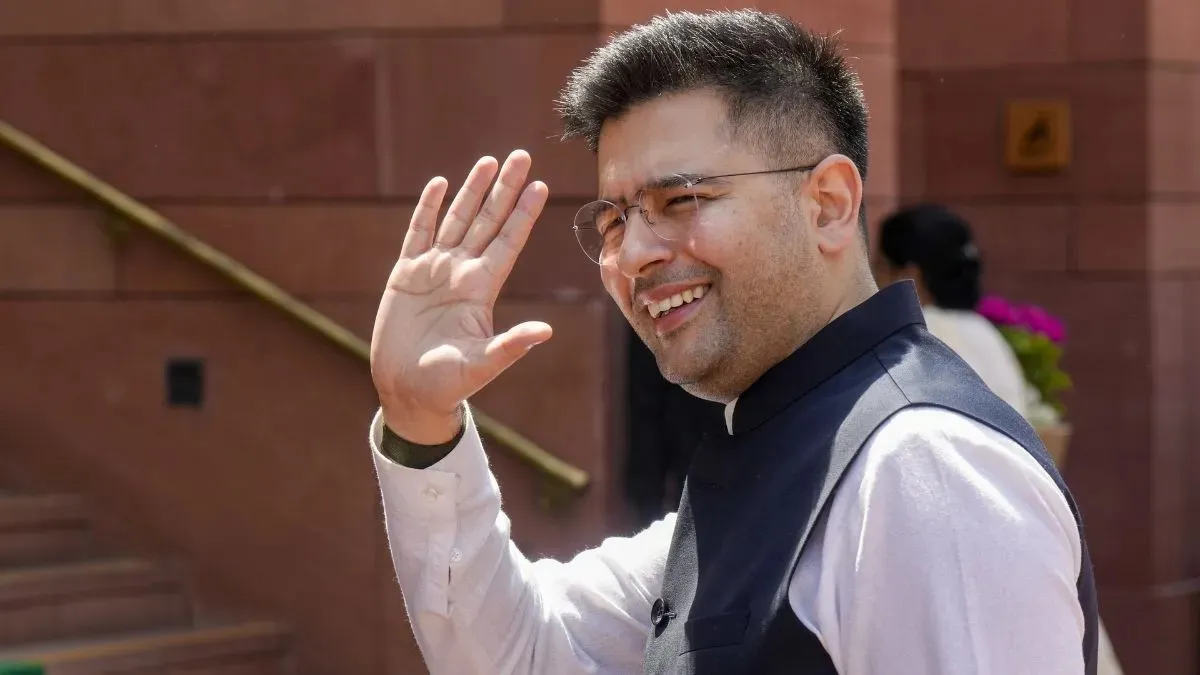
Raghav Chadha, a prominent figure in Indian politics, recently made headlines as he, along with six other Rajya Sabha MPs, exited the Aam Aadmi Party (AAP) to join the Bharatiya Janata Party (BJP). This significant political shift sparked reactions from many, including activist Anna Hazare, who attributed the departure to the perceived wrongdoings of AAP. Hazare emphasized that if AAP had remained steadfast on its principled path, the likes of Chadha would not have chosen to leave. The political resignations of such key figures raise questions about the internal dynamics of AAP and its future direction. As the political landscape evolves, the implications of these changes will undoubtedly resonate through the corridors of power in New Delhi and beyond.
The recent political maneuvering involving Raghav Chadha represents a critical juncture for the Aam Aadmi Party and its members in the Rajya Sabha. Observers note that the shift of these legislators to the BJP highlights a broader trend of political realignments, often driven by individual aspirations and party dynamics. As the discussion unfolds, Anna Hazare’s remarks underscore the responsibilities of political organizations to maintain integrity and direction. The implications of such departures are significant, leading to widespread speculation about potential impacts on governance and party stability. This scenario epitomizes the complex ballet of political affiliations and the search for congruence in ideology and action.
Anna Hazare, a veteran social activist, has voiced his discontent with the Aam Aadmi Party’s (AAP) recent political maneuverings, particularly the exit of Raghav Chadha along with six other Rajya Sabha MPs joining the Bharatiya Janata Party (BJP). This significant shift has triggered concerns about the party’s adherence to its foundational principles. Hazare’s remarks suggest that the leadership should take accountability for the walkout. His assertion that a true democratic framework allows for various viewpoints highlights the turmoil within AAP regarding its current trajectory and decision-making process.
Hazare’s comments reflect a deeper disillusionment amongst political observers and AAP supporters about the party’s direction. By indicating the potential reasons behind the resignations, he raises questions about the governance and policies that may have led to such disinclinations among key MPs. The political landscape is often turbulent, yet the AAP, once seen as a beacon of change, seems to be facing criticisms about its commitment to the ideals of transparency and accountability. What is clear is that the exodus of leaders like Raghav Chadha marks a critical juncture for the party, necessitating introspection and strategic recalibration.
The decision of Raghav Chadha and the six Rajya Sabha MPs to leave AAP and join the BJP speaks volumes about the current political climate in India. Such resignations can significantly alter party dynamics and influence electoral outcomes, particularly as AAP positions itself against the BJP’s expanding influence. Political analysts are closely monitoring how these shifts will affect voter sentiment, especially in areas where AAP has previously held sway. This trend of political resignations can reshape allegiances, making it pivotal for parties to maintain a coherent vision to deter defections.
With increasing conversations around Anna Hazare’s criticism, stakeholders within AAP are now under pressure to reassess their strategic decisions. The potential impact of losing influential leaders to rival parties can lead to a dilution of the party’s core message and voter base. As AAP grapples with its identity in the political spectrum, the need to strengthen grassroots connections and fortify its resolve against the BJP’s overtures has never been more critical. Understanding the socioeconomic contexts of these resignations could yield valuable insights into the challenges AAP faces amidst these transitions.
Raghav Chadha has been a significant figure in the Aam Aadmi Party since its inception, playing a crucial role in its rise as a formidable political entity in India. His recent departure from the party alongside other Rajya Sabha MPs has not only sent shockwaves throughout AAP but has also stirred discussions about individual influence within political frameworks. Chadha’s dynamic personality and articulate style made him an emblematic representative of the party’s progressive ideals, and his exit raises serious questions about the party’s strategy to retain such key figures.
With Raghav Chadha’s shift to the BJP, analysts suggest that AAP may need to reevaluate its internal structures and political messaging. His move represents a notable trend of leaders reassessing their allegiance based on perceived political opportunities, strategic advantages, or differing ideologies. AAP’s ability to respond to these challenges will ultimately determine its stability and future electoral performance. The interplay between personal aspirations and party loyalty illustrates the evolving nature of Indian politics, highlighting the necessity for parties like AAP to adapt amidst changing political allegiances.
Political resignations are an inherent aspect of the democratic process, yet the recent spate of exits from AAP underscores a pressing crisis within the party. As leaders like Raghav Chadha align with the BJP, AAP must confront the implications of these departures head-on. Such resignations not only challenge the party’s credibility but also expose vulnerabilities in its organizational framework. Maintaining a stable leadership team is essential for any political entity aiming for longevity in the tumultuous landscape of Indian politics.
Moreover, the phenomenon of political leaders changing sides has been observed consistently across various parties in India. For AAP, adapting to the fallout from such exits will likely require introspection and possible reformations in policy direction. Engaging with party members to foster a climate of openness and commitment could reverse the tide of dissatisfaction cited by Hazare and others. AAP’s approach to managing these circumstances will shape its resonance with voters, ensuring that it either survives these tumultuous changes or falters under pressure.
Anna Hazare’s influence on India’s political landscape cannot be underestimated. His advocacy for anti-corruption and transparent governance has set a precedent that resonates with many citizens. In light of recent political events, particularly the exits from AAP, his critique serves as a reminder of the ethical standards expected from political leaders. Hazare’s voice remains vital in discussions about party integrity, and his remarks on the failure of AAP’s leadership to retain its members reflect the broader concerns citizens hold regarding accountability in politics.
Moreover, Hazare’s stance encourages a more engaged citizenry, pushing public discourse toward themes of responsibility and ethical governance. His perspective invites voters and party members alike to consider not only the immediate consequences of political resignations but also the underlying principles by which parties operate. The challenge for AAP will be to rekindle the trust built during its formation and stay committed to the ideals that first galvanized support from leaders like Hazare.
Political resilience is often tested during times of crisis, and AAP now finds itself in a precarious yet pivotal moment. With significant leaders such as Raghav Chadha transitioning to the BJP, the party has an opportunity to redefine its narrative and reaffirm its commitment to its foundational values. The response to these shifts needs to be strategic, focusing on rebuilding morale among loyal supporters and presenting a clear vision for the future. Emphasizing transparency and integrity will be critical in re-establishing public confidence.
As AAP navigates this turbulent terrain, fostering dialogue within its ranks could help mitigate further losses. Initiatives aimed at reconnecting with disillusioned members and engaging with grassroots movements may prove essential in retaining the party’s relevance. Additionally, recognizing the factors contributing to political resignations can provide a clearer blueprint for future organizational strategies. AAP’s ability to innovate and adapt in the face of these challenges will largely dictate its future success in the Indian political arena.
The defection of Raghav Chadha and his fellow MPs to the BJP marks a notable shift in the Indian political landscape. These departures not only impact AAP but also signal changing dynamics within the broader political arena in India. As rival parties jockey for position and influence, the movement of established political figures across party lines can reshape voter allegiances and alter power balances dramatically. Observers will keenly assess how AAP responds to this shakeup, particularly in its efforts to retain its base in the face of increased pressure from the BJP.
In the context of these changes, Hazare’s comments serve as a critical reminder for political parties about the importance of maintaining a principled path and clear ideological dedication. As voters seek authenticity and accountability, the challenges facing AAP could present an opportunity for introspection and transformation. How effectively AAP addresses the fallout from Chadha’s exit will speak volumes about its resilience and readiness to adapt in an ever-evolving political landscape.
The BJP’s strategic positioning in the wake of Raghav Chadha’s departure highlights the party’s adeptness at capitalizing on the discontent within rival entities like AAP. By welcoming these MPs into its fold, the BJP not only strengthens its ranks but also sends a clear message about its appeal to influential political figures during periods of instability among opponents. This strategy can solidify the BJP’s foothold in key regions and enhance its perception as a stable political player amidst AAP’s current tribulations.
As the BJP welcomes new members from AAP, the implications of these shifts are multifaceted. Not only does it impact AAP’s legislative strength, but it also signals a growing trend of party volatility within the Indian political system. This tactic could further embolden other leaders contemplating their resignations, thus perpetuating a cycle of instability within AAP. Understanding the motivations behind these moves and addressing the core issues that lead to disaffection will be crucial for AAP’s survival as it grapples with the competition presented by an increasingly formidable BJP.
Anna Hazare criticized the Aam Aadmi Party (AAP) for Raghav Chadha and six other Rajya Sabha MPs’ exit to the BJP. He suggested that if AAP had followed the ‘right path’, these resignations would not have occurred. Hazare emphasized that each individual has their own reasons for political movements, reflecting on the importance of direction within a party.
| Key Points |
|---|
| Raghav Chadha along with six other Rajya Sabha MPs left the AAP party. |
| Anna Hazare attributed their departure to AAP’s failure to follow the ‘right’ path. |
| Hazare emphasized that the leaders’ departure indicates issues within AAP’s direction. |
| He stated that in a democracy, leaders have the right to choose their own path. |
Raghav Chadha’s recent departure from the Aam Aadmi Party (AAP) alongside six other Rajya Sabha MPs has stirred significant discussion, particularly with reactions from social activist Anna Hazare. In his commentary, Hazare suggested that the exodus reflects a deeper failure within AAP to maintain its ideological integrity and follow the right path. He posited that had the party been more aligned with its principles, these prominent leaders might have remained. This event underscores the dynamic nature of political affiliations in Indian democracy, where individual perspectives significantly influence choices and can lead to unexpected alliances.