

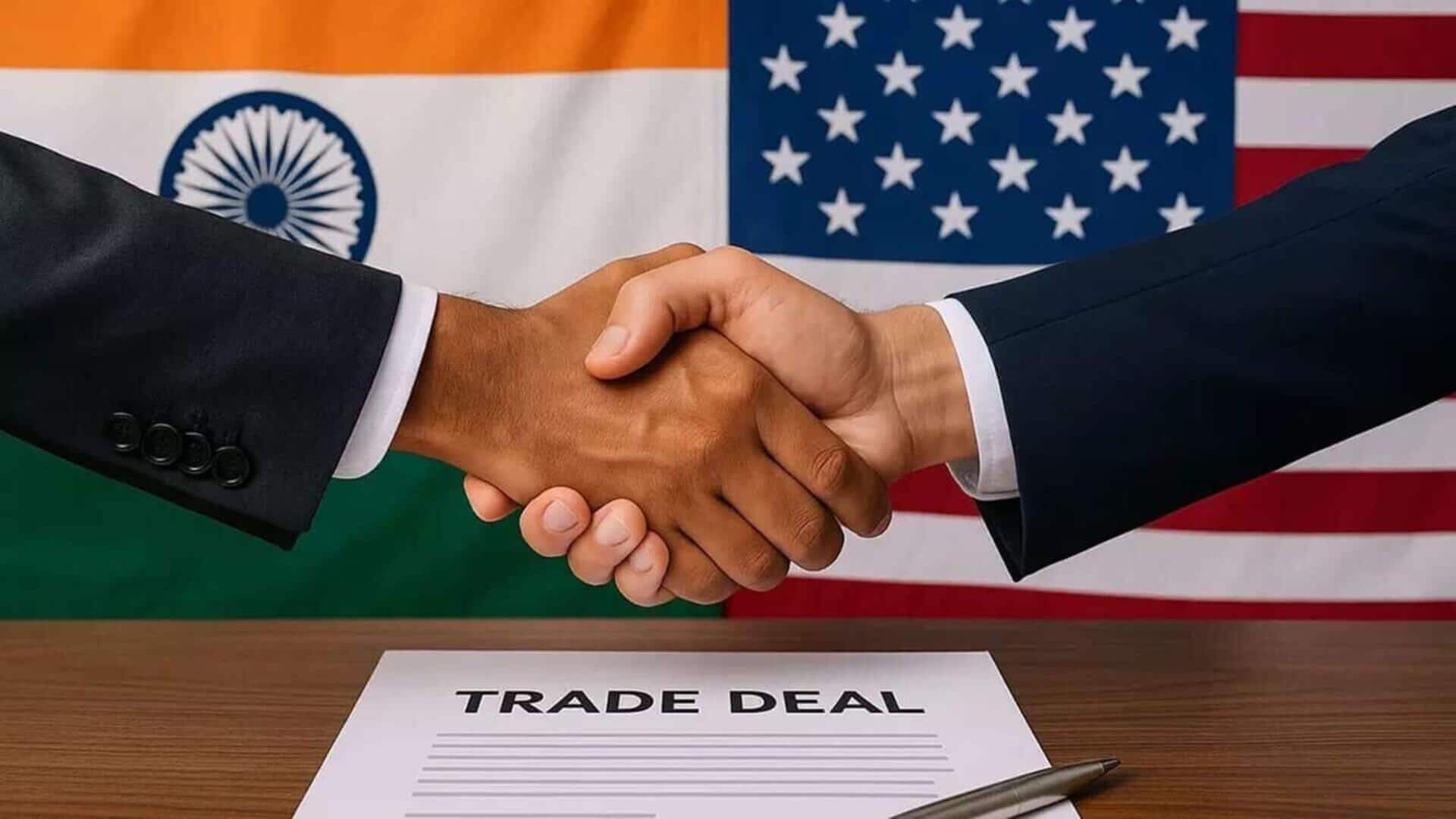
In a recent political commentary that has sparked significant debate, Rahul Gandhi’s remarks regarding the RSS have brought attention to the implications of Ram Madhav’s comments on Russia-Iran oil dealings. Gandhi’s assertions suggest that the RSS has revealed its true nature during discussions surrounding India’s international relations, particularly in light of the ongoing challenges posed by trade negotiations. With eyebrow-raising statements about how India has “lost its independent voice on the world stage,” he emphasizes the potential pitfalls of the recent trade deal that features elevated tariffs. The juxtaposition of Gandhi’s critical views against the backdrop of rising geopolitical tensions underscores the complexities of India’s diplomatic engagements. As the discourse unfolds, these RSS remarks may very well shape the narrative surrounding India’s role in a rapidly changing global economy.
Recently, Rahul Gandhi’s criticism of the Rashtriya Swayamsevak Sangh (RSS) became a focal point in discussions about India’s geopolitical position, particularly after Ram Madhav’s controversial statements regarding oil relations with Russia and Iran. Gandhi’s observations highlight concerns about India’s diminishing assertiveness in the arena of international trade agreements, drawing attention to the broader impacts these dynamics may have on the nation’s foreign policy strategies. The ongoing dialogue questions whether India can retain its independent stance amid evolving international relations, especially as tariffs on key imports are adjusted. As debates rise about the future of political discourse in India, Gandhi’s remarks prompt further reflection on how national interests are represented and negotiated on the world stage. This situation remains pivotal for understanding the interplay of domestic politics and global economic relationships.
Rahul Gandhi Critiques RSS Following Ram Madhav’s Remarks
In a recent statement, Rahul Gandhi has criticized the Rashtriya Swayamsevak Sangh (RSS) in the wake of comments made by Ram Madhav regarding Russia-Iran oil relations during a discussion in the United States. By targeting the ideological underpinnings of the RSS, Gandhi asserts that these remarks expose the organization’s true nature and its impact on India’s political landscape. His bold commentary reflects growing concerns among opposition leaders about how the ruling party’s affiliations may compromise India’s sovereign stance in international relations.
The backdrop of this criticism includes doubts surrounding India’s position in global trade agreements and its negotiating power. Gandhi’s remarks highlight a narrative suggesting that the current government has subdued India’s independent voice on the world stage, especially as it relates to critical trade deals. This rhetoric aligns with a broader discourse on the need for a more assertive diplomatic approach, particularly given the rising tensions between major global players and the crucial trade dynamics with countries like Russia and Iran.
Implications of Ram Madhav’s Comments on India’s Trade Relations
Ram Madhav’s comments regarding India’s outreach to Russia and Iran for oil sourcing provide a critical insight into the complexities of India’s trade relationships. As discussions about substantial energy partnerships unfold, the implications of these remarks are significant in that they shed light on the delicate balance India must maintain while fostering international relations. With the global oil market undergoing rigorous changes, India’s approach to trade deals with entities like Russia and Iran is increasingly scrutinized, emphasizing the need for operational transparency in such partnerships.
Furthermore, Madhav’s statements prompt questions about India’s tariffs and market stability. With agreements indicating average tariffs higher than in previous discussions, economists and political analysts alike are concerned about how these factors might influence India’s trade competitiveness. The complexities of international relations depicted in these exchanges advocate for strategic planning to ensure that India not only maintains but strengthens its role in the global market, avoiding any risks associated with becoming overly dependent on singular alliances.
Political Commentary: The Shift in India’s International Relations
The political landscape in India has experienced significant shifts recently, influenced by various domestic and international factors. Political commentators highlight how the government’s approach to international relations has evolved, often at the expense of long-standing alliances and diplomatic protocols. As Rahul Gandhi underscores the need for transparency and assertive policies, there are growing calls for a re-evaluation of priorities to ensure that India’s strategic interests are safeguarded in global dealings.
Amidst these developments, the commentary surrounding trade deals, including the criticism of heightened tariffs, has sparked debates focused on the type of political environment necessary for fostering fruitful international relations. The discussions surrounding the comments from notable figures like Ram Madhav illustrate the critical junction at which Indian foreign policy currently stands—balancing emerging global partnerships while retaining the autonomy and integrity of India’s independent voice.
The Economic Ramifications of India’s Foreign Policy Changes
As India navigates through the shifting terrains of international relations, the economic ramifications of its foreign policy decisions have become increasingly evident. The emphasis on adapting to new trade agreements amidst criticisms from opposition figures such as Rahul Gandhi indicates a broader concern about the economic independence of the nation. This transition, particularly regarding oil negotiations with Russia and Iran, serves as a litmus test for how well India can leverage its economic stature in a competitive global market.
Economic analysts argue that maintaining a coherent and strategic foreign policy is crucial for India’s growth trajectory. The implications of increased tariffs discussed by leaders like Madhav not only affect trade relations but also influence domestic economic conditions. The overarching narrative suggests that unless India recalibrates its stance and re-establishes a strong negotiating position, the potential for economic disenfranchisement in both regional and global contexts will loom as a constant threat.
Reactions to Rahul Gandhi’s Criticism of RSS
The backlash from Rahul Gandhi’s critique of the RSS, particularly concerning Ram Madhav’s comments on oil relations, has sparked varied reactions across the political spectrum. Supporters of Gandhi commend his willingness to confront the ruling ideology and advocate for India’s independent foreign policy. This clash of perspectives reflects a growing discontent in segments of the population who feel that the government is compromising national interests for the sake of political camaraderie with influential global players.
Conversely, proponents of the RSS defend the organization’s approach, arguing that strengthening ties with countries like Russia and Iran can bolster India’s energy security and economic resilience. This bifurcation in viewpoints not only highlights the political divisions within India but also raises the stakes on how the country could navigate its external relationships amid a plethora of global challenges.
The Future of Indo-Russian Relations in the Context of Ongoing Criticism
The ongoing dialogue about Indo-Russian relations amid criticisms from political figures poses questions about the future framework of such alliances. As Ram Madhav articulates India’s strategy in engaging with Russia over oil considerations, balancing these ties against critiques from opposition leaders like Rahul Gandhi becomes essential for the government. Analysts suggest that the partnership must evolve to ensure it complements India’s broader geopolitical objectives, especially as the global landscape shifts rapidly post-COVID-19.
The focus on energy collaborations could provide both opportunities and challenges for India in its international relations portfolio. The strategic dialogues surrounding these partnerships reflect a need for a unified approach that can address both economic and political aspirations. As the discourse around these alliances continues, the potential for reshaping trade agreements will heavily depend on the government’s ability to incorporate constructive criticism and adapt to the vibrant dynamics of international power relations.
Exploring India’s Independent Voice in Global Trade
India’s independent voice in global trade is a topic of considerable importance as the nation strives to solidify its standing in international markets. The criticism surrounding the government’s engagement strategies, including the recent trade talks relating to tariffs, emphasizes the need for a coherent approach that resonates with both domestic and global stakeholders. Amidst the backdrop of comments from politicians and commentators alike, there are calls for India to take decisive action to safeguard its economic interests while also managing diplomatic relations intelligently.
As India seeks to enhance its role in sectors like oil and energy, the independence of its trade decisions will be crucial. The interplay of negotiations with countries like Russia and Iran adds another layer of complexity to this scenario, prompting stakeholders to examine how India can maintain its sovereignty over decision-making. By re-envisioning its approach to international trade policies, India has the potential to emerge as a formidable player not only in the Asian market but globally as well.
The Role of Political Commentary in Shaping Public Perception
Political commentary plays a significant role in shaping public perceptions around sensitive issues such as foreign trade and international relations. As responses to leaders like Rahul Gandhi and Ram Madhav unfold, the narratives constructed by media and political analysts influence how citizens engage with these topics. Public discourse is increasingly impacted by such opinions, emphasizing the urgency for transparency and accountability in governmental decisions regarding trade and diplomacy.
The polarization of views reflects broader societal concerns over India’s position in the world. Critiques from opposition leaders create a platform for public debate about the direction in which India is headed, especially in contentious areas like tariffs and international alliances. As citizens weigh the benefits of strategic partnerships, the ongoing dialogue fostered by political commentary serves as a catalyst for widespread engagement and offers a lens through which individuals can scrutinize their government’s choices.
Assessing the Long-Term Impact of Foreign Policy on India’s Global Standing
The long-term impact of India’s foreign policy on its global standing is a pressing concern among political analysts and economists alike. As evidenced by the discussions surrounding Ram Madhav’s remarks and Rahul Gandhi’s criticisms, the implications of recent trade deals, particularly in energy, can shape India’s reputation on the world stage. Establishing robust relationships with key oil-producing countries like Russia and Iran indicates India’s strategic shift but raises questions about economic sustainability and diplomatic integrity.
Looking forward, the ability of India to maintain a balanced approach in its foreign policy will be key to enhancing its position as a leader in international relations. As global partnerships evolve and political landscapes shift, ensuring that India retains a strong and independent voice is essential for its continued relevance. The interplay of ongoing criticisms and supportive dialogue will undoubtedly influence how effectively India navigates these challenges moving forward, marking a crucial phase in its geopolitical journey.
Frequently Asked Questions
What did Rahul Gandhi say about the RSS in response to Ram Madhav’s comments?
Rahul Gandhi criticized the RSS after Ram Madhav made remarks regarding oil deals between Russia and Iran while addressing India’s international relations. Gandhi indicated that these comments revealed the ‘true nature’ of the Sangh and suggested that India’s voice on the global stage has been diminished. He pointed out that recent trade deals have seen increased tariffs, which he argues reflects a compromised position for India.
| Key Points |
|---|
| Rahul Gandhi comments on RSS after Ram Madhav’s remarks about oil tariffs in international trade. |
| Gandhi criticizes the Indian Government’s stance on tariffs and suggests it has caused loss of India’s independent voice in global matters. |
| The statement comes amidst ongoing discussions about India’s trade agreements and foreign policy direction. |
Summary
Rahul Gandhi’s RSS remarks illustrate his deep-seated concerns over the influence of the RSS on India’s foreign policy and trade negotiations. By targeting the RSS, he asserts that their alignment with certain international interests has significantly undermined India’s autonomous voice on the world stage. Gandhi’s criticism reflects a broader anxiety among political commentators that India may be compromising its independent stance through economic compromises, such as agreeing to higher tariffs in trade deals. His statements highlight the urgent need for a reassessment of India’s diplomatic strategy to regain its stature and authority in global affairs.



























