

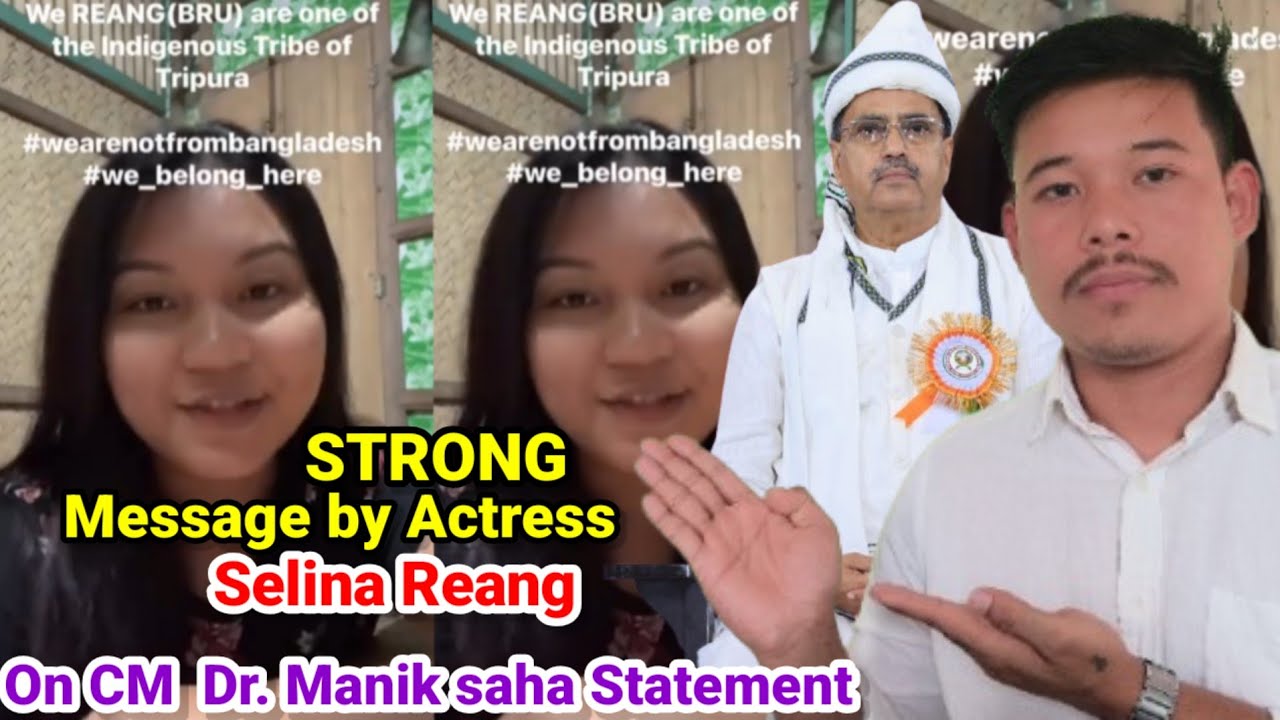
The upcoming TTAADC elections have set the stage for a significant political battle as the Bharatiya Janata Party (BJP) gears up to contest the Village Council (VC) polls independently. Tripura Chief Minister Manik Saha announced this decision, assuring party supporters that they are poised to strengthen their presence in the tribal areas by not forming any alliances. As the political landscape shifts, the significance of the TTAADC polls becomes even more pronounced, especially considering the unique governance structure of the Tripura Village Councils. With the BJP asserting its strategy to contest alone, the ramifications of these elections could reshape the future of local governance in tribal regions. Given recent statements from Saha and the backdrop of ongoing TTAADC political news, these elections promise to be both pivotal and transformative for the region.
The elections for the Tripura Tribal Areas Autonomous District Council (TTAADC) are on the horizon, capturing the attention of voters and political analysts alike. As the BJP prepares to vie for control of the local Village Councils without any coalition partners, the atmosphere is charged with anticipation amid the complexities of tribal governance in Tripura. Chief Minister Manik Saha’s commitment to enhance the party’s organizational strength in these areas reflects a strategic shift as they aim for a stronger foothold. With the electoral process regaining momentum after a decade’s postponement, the implications of these Tripura Council elections resonate beyond mere victory; they concern the democratic representation of tribal communities. As political narratives evolve, the latest updates and statements concerning the TTAADC elections remain crucial for tracking the unfolding political dynamics.
BJP’s Independent Stance in TTAADC Elections
The Bharatiya Janata Party (BJP) has made a decisive move by declaring its intention to contest the Village Council (VC) elections solely in the Tripura Tribal Areas Autonomous District Council (TTAADC) areas. This decision, announced by Chief Minister Manik Saha, underscores the party’s strategy to strengthen its foothold within tribal demographics, which have historically exhibited complex voting patterns. By choosing to fight these elections without alliances, the BJP aims to present itself as a formidable force in a political landscape primarily influenced by parties like the Tipra Motha Party. The company’s strategy is notable, especially given the recent challenges the BJP faced in these areas, and positions them as a direct competitor in a landscape filled with established tribal party dynamics.
Manik Saha’s resolve to contest alone in the TTAADC elections reflects a calculated approach that may resonate well with the party’s grassroots workers, encouraging a sense of autonomy and accountability. This independent approach is likely aimed at re-establishing trust within the electorate, reinforcing the idea that the BJP prioritizes local governance and representation through the Village Council system. The party’s commitment to this structure, which significantly diverges from the traditional three-tier panchayat system seen in non-tribal areas, allows for tailored governance that can address the specific issues faced by tribal communities in Tripura.
Implications of Village Council Elections on Tribal Governance
The Village Councils operate under a simplified single-tier governance structure, unique to the TTAADC regions, which enables quicker decision-making and local participation. The upcoming VC elections are significant as they represent a critical juncture for tribal governance in Tripura. With the BJP emphasizing its focus on these elections, it suggests a renewed commitment towards addressing the administrative and developmental challenges faced by tribal populations. Chief Minister Saha’s acknowledgment of the need to enhance the party’s presence in these areas further reinforces the importance of local political dynamics in shaping governance that resonates with community needs.
The postponement of these council elections for a decade has created a sense of urgency and anticipation among the electorate. The Supreme Court’s directive to hold these elections by 2026 has put pressure on all competitive parties, including the BJP, to establish their relevance and rapport within the tribal communities before the elections take place. Monitoring these elections will not only provide insights into the BJP’s strategic direction, but also reflect broader trends in Tripura’s political landscape, particularly how tribal issues are being addressed and prioritized by the government.
Manik Saha’s Commitment to Strengthening Party Presence
Chief Minister Manik Saha’s emphasis on strengthening the BJP’s organizational presence in TTAADC areas highlights the party’s proactive engagement strategy. By detailing the necessity for re-evaluating their electoral performance and collecting feedback from grassroots leaders, Saha is setting a precedent for accountability and responsiveness within the party. This move is particularly vital in the context of rising competition from parties like the Tipra Motha Party, which has shown a robust ability to mobilize tribal voters. The BJP’s efforts to reinforce its base may involve tailoring policies and outreach initiatives specifically designed to resonate with tribal constituents, thus potentially reshaping the party’s image in these territories.
Acknowledging weaknesses in certain locations demonstrates a realistic appraisal of the party’s standing, which is crucial for its long-term strategy. Through organized feedback sessions, Saha aims to consolidate support and gather insights that can guide the party’s future electoral strategies. Such initiatives not only improve the party’s responsiveness but also foster a sense of ownership among local party members and leaders. By investing resources into these regions, the BJP could cultivate a narrative of development and empowerment—an essential factor as Tripura gears up for the Village Council elections.
Challenges Faced by BJP in TTAADC Elections
Despite its claim of an independent campaign in TTAADC areas, the BJP faces significant challenges that could impact its election prospects. Chief Minister Manik Saha has expressed concerns regarding incidents of alleged forcible occupation of VC offices by rival parties, particularly the Tipra Motha Party. Such political violence, if unaddressed, threatens to undermine the BJP’s message of law and order, which is crucial in tribal areas where community cohesion is essential. The Chief Minister’s remarks highlight the need for peaceful political engagement and the importance of adhering to democratic principles to maintain public trust.
Furthermore, the negative perception fostered by reports of electoral malpractices can diminish the BJP’s support among tribal voters. As the election draws closer, ensuring a peaceful atmosphere, devoid of violence and coercion, will be key to winning over the electorate. An increased focus on transparency and inclusiveness in the party’s campaign strategies could help mitigate some of these challenges. Addressing public concerns and promoting a vision for constructive governance will be vital as the BJP prepares for the upcoming TTAADC elections.
The Role of the TTAADC in Local Governance
The Tripura Tribal Areas Autonomous District Council (TTAADC) plays a pivotal role in the governance of tribal areas, acting as a unique political entity that enables localized decision-making. Unlike the three-tier panchayat system seen in non-tribal regions of Tripura, the TTAADC’s single-tier structure allows for an efficient governance model that directly engages with the community. Understanding the significance of this system is essential for political parties like the BJP, especially as they prepare for the upcoming Village Council elections. The ability to address the specific needs of tribal communities through this framework can significantly influence the electoral outcomes.
The TTAADC not only manages local administration but also addresses broader socio-economic issues faced by tribal populations. By contesting the TTAADC elections independently, the BJP acknowledges the importance of regional governance structures that cater to the nuances of tribal identity and culture. This relationship between tribal governance and local transparency is crucial for building trust between the party and the electorate, thereby shaping the political landscape in Tripura. As parties gear up for the polls, a deep understanding of the TTAADC’s role will be vital in formulating effective strategies that resonate with tribal voters.
Feedback Mechanisms and Party Engagement
In preparation for the upcoming TTAADC elections, the BJP’s focus on engaging with party candidates and cluster leaders has underscored the importance of feedback mechanisms in political strategy. Manik Saha’s recent consultation with party members post-election indicates a strong commitment to learning from past experiences, particularly in strengthening weaknesses observed in tribal areas. By actively seeking input from grassroots leaders, the BJP can tailor its messaging and initiatives to better suit the local demographic, resulting in a more robust party presence ahead of the elections.
Moreover, incorporating feedback from those directly involved in electoral campaigns not only enhances internal cohesion but also reinvigorates enthusiasm among party workers. This dialogue can help the party to align its objectives with the aspirations of tribal populations in the TTAADC regions. Emphasizing participatory governance is critical as it bolsters the party’s image as an inclusive organization committed to addressing local issues effectively. Such approaches may also help to mitigate public disenchantment and forge a deeper connection with tribal voters as the elections approach.
Anticipated Political Landscape Post-Polls
The forthcoming Village Council elections within the TTAADC areas are expected to significantly reshape the political landscape in Tripura. With the BJP vying for a stronger foothold in tribal regions, the outcome of these elections could determine the party’s influence over local governance and its capacity to implement policies tailored to tribal communities. As political dynamics continue to evolve, the effectiveness of the BJP’s independent strategy will be put to the test, necessitating proactive measures to connect with voters and address their concerns.
Furthermore, the aftermath of these elections will likely spark discussions on the efficacy of governance in tribal areas and the delivery of public services. Observers will closely watch how the winning party navigates the challenges posed by competing interests and manages the expectations of various tribal communities. Ultimately, the results of the VC elections will not only impact the BJP’s standing but will also be instrumental in influencing policies that affect the socio-economic well-being of tribal populations in Tripura.
Frequently Asked Questions
What are the key details about the BJP’s participation in the TTAADC elections?
The Bharatiya Janata Party (BJP) has announced that it will contest the Village Council elections in the Tripura Tribal Areas Autonomous District Council (TTAADC) independently, without forming any alliances. This decision was reaffirmed by Tripura Chief Minister Manik Saha, highlighting the party’s commitment to strengthen its presence in tribal areas. The Village Councils in TTAADC operate under a distinct single-tier system, which differentiates them from the non-tribal three-tier panchayat system.
| Key Point | Details |
|---|---|
| BJP’s Decision to Contest Alone | The BJP will independently contest the VC elections in TTAADC areas, as confirmed by Tripura CM Manik Saha. |
| Review of the Decision | The decision to contest solo has been reaffirmed by the party leadership after an organizational meeting. |
| Structure of Village Councils | Unlike non-tribal regions, the VC system in TTAADC operates under a single-tier structure instead of the three-tier panchayat system. |
| Strengthening Organizational Presence | BJP aims to enhance its presence in tribal areas, especially where it has been weak. |
| Forcible Occupation Concerns | Saha addressed issues of alleged forcible occupation of VC offices by Tipra Motha Party supporters. |
| Public Support Implications | Saha mentioned that repeated actions of forcible occupation could harm public acceptance of the offending party. |
| Previous Meetings | Discussion of electoral performance and feedback collection occurred in a meeting attended by party candidates and cluster leaders. |
| Delay in Elections | The VC elections were postponed for ten years, with the Supreme Court mandating the polls for 2026. |
Summary
The TTAADC elections present a significant opportunity for the BJP as they aim to contest solo in the upcoming Village Council polls, reaffirming their strategy to strengthen its foothold within tribal regions. Chief Minister Manik Saha’s announcements emphasize the party’s dedication to building its organizational presence and addressing concerns about electoral integrity. As the BJP prepares for these elections, the focus on independent campaigning highlights their intent to connect with local communities, setting the stage for a competitive political landscape in the TTAADC areas.



























