

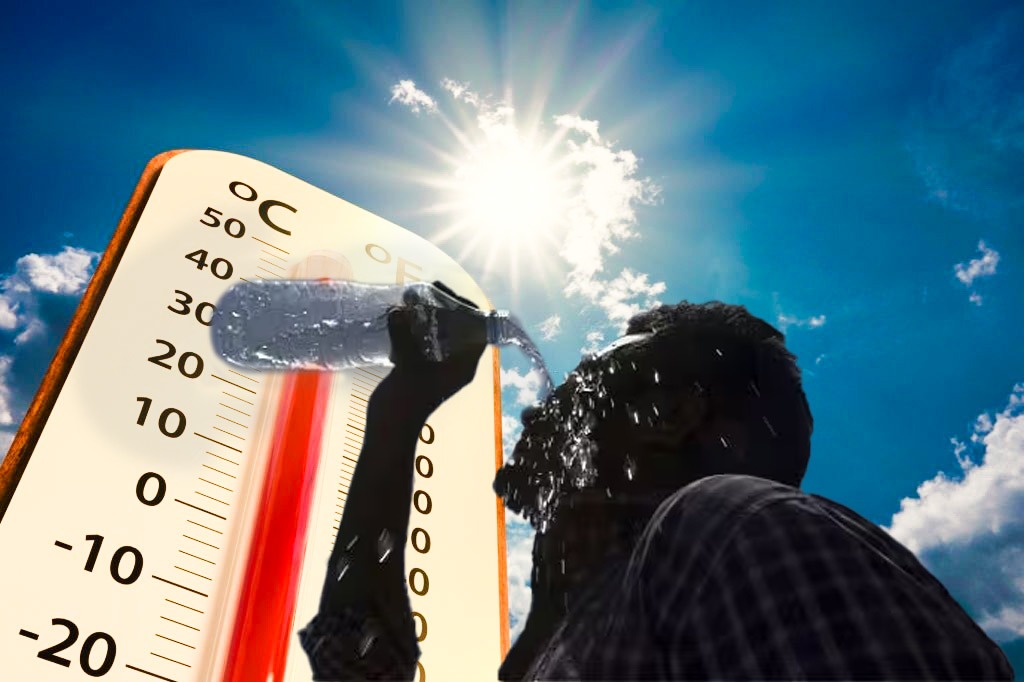
The sweltering Delhi heat wave has once again gripped the capital, leaving residents to contend with extreme heat conditions that pose significant challenges to daily life. As temperatures soar, with recent Delhi temperature highs hitting discouraging records, the urgency for effective measures is clearer than ever. In response to the relentless heat, Chief Minister Rekha Gupta has ordered the implementation of the Heat Wave Action Plan 2026 to ensure public safety and resilience. From Najafgarh’s blistering 43.7°C to Safdarjung’s alarming 46.8°C, the city’s thermal hotspots are becoming increasingly difficult to navigate. With daily Delhi weather updates highlighting the severity of the situation, it is essential for everyone to stay informed and take necessary precautions against the oppressive conditions.
As the capital experiences another long and grueling summer, alternative expressions such as extreme temperature events aptly describe the ongoing scenario in Delhi. The oppressive warmth not only challenges the city’s infrastructure but also tests the limits of its citizens’ resilience. Under the intense rays of the sun, officials are now more than ever urged to act decisively to protect public health. The Heat Wave Action Plan is being prioritized amidst rising concerns for those exposed to the extremes of urban heat. Keeping abreast of weather fluctuations is crucial as the community braces itself for continued sweltering days in this bustling metropolis.
Understanding the Impact of the Delhi Heat Wave
The recent Delhi heat wave has brought unprecedented temperature highs, sending officials into action to mitigate its effects. With recorded extremes like 46.8°C at Safdarjung, the conditions are not just uncomfortable but can pose serious health risks to residents. As temperatures soar, the public is advised to stay hydrated and limit outdoor activities. This weather pattern has not only increased the demand for resources but also heightened concerns regarding public health and safety within the city.
In response to these extreme heat conditions, Chief Minister Rekha Gupta’s directive to enforce the Heat Wave Action Plan 2026 signals a proactive approach. This plan includes deploying first-aid kits and ice packs at key worksites to ensure the safety of laborers and outdoor workers. This initiative showcases a commitment to protecting vulnerable populations during such critical spells, while also emphasizing the need for increased awareness about heat-related illnesses.
Delhi Temperature Highs and Their Consequences
Delhi’s temperature highs have become a growing concern over the years, with instances like the staggering 43.7°C recorded in Najafgarh representing a significant rise in the city’s heat levels. These extremes can lead to various health issues, particularly among the elderly, children, and those with pre-existing conditions. Understanding the implications of these rising temperatures is crucial, as they affect not only daily life but also the city’s overall health infrastructure.
The consequences of such soaring temperatures are alarming, including increased instances of dehydration, heat exhaustion, and more serious conditions like heat stroke. To combat these issues, the government is advised to keep the public informed through continuous Delhi weather updates and educational initiatives regarding the importance of self-care during heat waves. By providing crucial information and resources, we can better prepare the city for the effects of these extreme weather conditions.
Heat Wave Action Plan: Essential Measures for Delhi
The Heat Wave Action Plan is a crucial framework designed to address the challenges posed by extreme heat conditions in Delhi. Implemented by governmental authorities, this plan includes strategies such as public awareness campaigns, provision of cooling centers, and emergency health services aimed at reducing the risk posed by excessive temperatures. By laying out a robust action plan, officials are not only preparing for immediate relief but also addressing long-term adaptation to climate changes that lead to frequent heat waves.
Under the guidance of the Heat Wave Action Plan 2026, measures like making first-aid kits and ice packs available at outdoor work sites highlight the proactive steps being taken to protect vulnerable populations. This comprehensive approach ensures that all stakeholders, from local governments to citizens, are involved in mitigating the effects of heat waves. Continuous engagement and cooperation are crucial in implementing this plan effectively while safeguarding public health.
Emerging Thermal Hotspots in Delhi
As the intensity of the heat wave increases, certain areas in Delhi have emerged as thermal hotspots, amplifying the effects of extreme temperatures. Neighborhoods like Wazirpur, Jahangirpuri, and Shastri Park have recorded significantly higher temperatures, contributing to the overall heat burden in the city. Identifying these hotspots is essential for focused interventions, enabling local authorities to address the unique challenges faced by residents in these vulnerable areas during peak summer months.
Understanding the geography of these thermal hotspots allows for targeted cooling initiatives, such as the establishment of temporary shelters and resource distribution. Beyond immediate relief, addressing infrastructure needs like urban greening and promoting reflective building materials can significantly reduce heat retention in these areas. This proactive thinking is integral to creating a more resilient urban environment as the city copes with the escalating impacts of climate change.
Health Risks During Extreme Heat Conditions
Extreme heat conditions pose numerous health risks, particularly to those least equipped to handle them. Individuals affected by heat waves often experience dehydration, headaches, and exhaustion. The elderly, in particular, face heightened vulnerability, necessitating community and governmental focus on preventive measures to mitigate these risks. Education on recognizing symptoms of heat-related illnesses can empower individuals to seek help when necessary, thus reducing potential casualties during severe conditions.
In addition to health education, accessible healthcare options during heat waves become critically important. Ensuring that clinics are adequately stocked to handle an influx of heat-related cases and that emergency services are prepared to respond swiftly can make a significant difference in outcomes. By fostering a culture of preparedness and responsiveness, Delhi can help safeguard its residents against the detrimental effects of extreme temperatures.
Public Awareness Campaigns for Heat Wave Safety
Public awareness campaigns play a vital role in enhancing community resilience against the impacts of heat waves. By disseminating information about the dangers of extreme temperatures and precautionary measures, such campaigns can significantly increase public understanding and preparation. Themes should focus on hydration, recognizing heat-related illnesses, and the importance of staying indoors during peak temperature hours. Through social media, local news outlets, and community forums, such information can reach a broad audience effectively.
Moreover, involving local influencers and community leaders in these campaigns can help cultivate a culture of safety and responsibility during heat waves. When the message is echoed from multiple sources, it reinforces the importance of taking precautions and can lead to wider community compliance. Creating engaging educational content such as infographics and videos can also aid in reaching diverse demographics, ensuring that the critical message of heat wave safety resonates with residents across Delhi.
Preparing for Future Heat Waves in Delhi
Preparing for future heat waves requires a multifaceted approach that incorporates urban planning, community engagement, and climate adaptation strategies. As data on rising temperatures and heat wave frequency becomes available, officials must prioritize policies that enhance the city’s resilience. Building urban green spaces, improving public transportation, and establishing shaded areas can significantly alleviate heat impacts and contribute to overall urban development.
Additionally, integrating heat resilience into community planning will empower local residents to adapt to changing climate conditions. This includes training volunteers and creating neighborhood committees focused on emergency responses during heat events. Enhanced collaboration between governmental departments, NGOs, and citizens will ensure a shared responsibility in combating the adverse effects of extreme heat conditions, fostering a united front for a sustainable future.
Role of Technology in Monitoring Heat Waves
Leveraging technology plays an instrumental role in monitoring and managing heat waves effectively. Advanced weather forecasting systems can provide real-time updates on temperature spikes and issue heat alerts, allowing residents to prepare adequately. Additionally, utilizing data analytics and mobile applications can enhance community engagement by disseminating information swiftly and accurately regarding ongoing heat conditions across Delhi.
By employing geographic information systems (GIS), city planners and researchers can identify vulnerable populations and essential resources in real-time. These technological solutions not only aid in monitoring heat waves but also in evaluating the effectiveness of the Heat Wave Action Plan, allowing for timely adjustments and ensuring that interventions are precise and impactful. Embracing technology ensures a proactive rather than reactive approach to heat wave management.
Government Initiatives in Combatting Delhi’s Heat Wave
The Delhi government has recognized the urgent need to impement initiatives to combat the effects of heat waves, encapsulated in the Heat Wave Action Plan 2026. This comprehensive strategy outlines specific actions to be taken during heat events, focusing on public health, resource allocation, and community engagement. The government has established cooling centers and enforced safety regulations to protect laborers and outdoor workers, demonstrating a commitment to mitigating the impacts of extreme temperatures.
In addition to immediate interventions, sustainable initiatives such as promoting energy-efficient buildings and regulating construction timelines during peak heat periods are undergoing emphasis. This shift in policy underscores the significance of long-term solutions to combat the rising heat phenomenon in the capital. Continued governmental support and active community participation will be essential to transforming Delhi’s response to heat waves into a model of proactive urban resilience.
Frequently Asked Questions
What measures are included in the Delhi heat wave action plan?
The Delhi Heat Wave Action Plan outlines specific measures to combat extreme heat conditions, including the establishment of first-aid stations at worksites, distribution of ice packs, and a strict implementation protocol to monitor health and safety during heat wave periods. This plan aims to mitigate the risks associated with high temperature highs, ensuring public health and safety as temperatures soar in Delhi.
| Key Point | Details |
|---|---|
| Heat Wave Action Plan 2026 | Chief Minister Rekha Gupta directed the implementation of this plan to combat rising temperatures. |
| Extreme Temperature Records | Najafgarh recorded 43.7°C and Safdarjung reached 46.8°C, highlighting the severity of the heatwave. |
| Emerging Thermal Hotspots | Areas like Wazirpur, Jahangirpuri, and Khayala are becoming increasingly affected by heat. |
| First-Aid Preparedness | Availability of first-aid kits and ice packs at worksites to support those affected by the heat. |
Summary
The Delhi heat wave has brought about unprecedented temperature highs this year, alarming citizens and officials alike. With the heat intensifying, Chief Minister Rekha Gupta’s recent directive emphasizes the necessity of following the Heat Wave Action Plan 2026. Areas across Delhi, particularly Najafgarh and Safdarjung, have recorded staggering temperatures, which underline the urgent need for readiness and response. The emergence of new thermal hotspots and the provision of essential first-aid measures signify a proactive stance in tackling the challenging heat conditions faced by residents. As the city continues to endure this heat wave, collective efforts and awareness will be crucial in safeguarding public health.



























