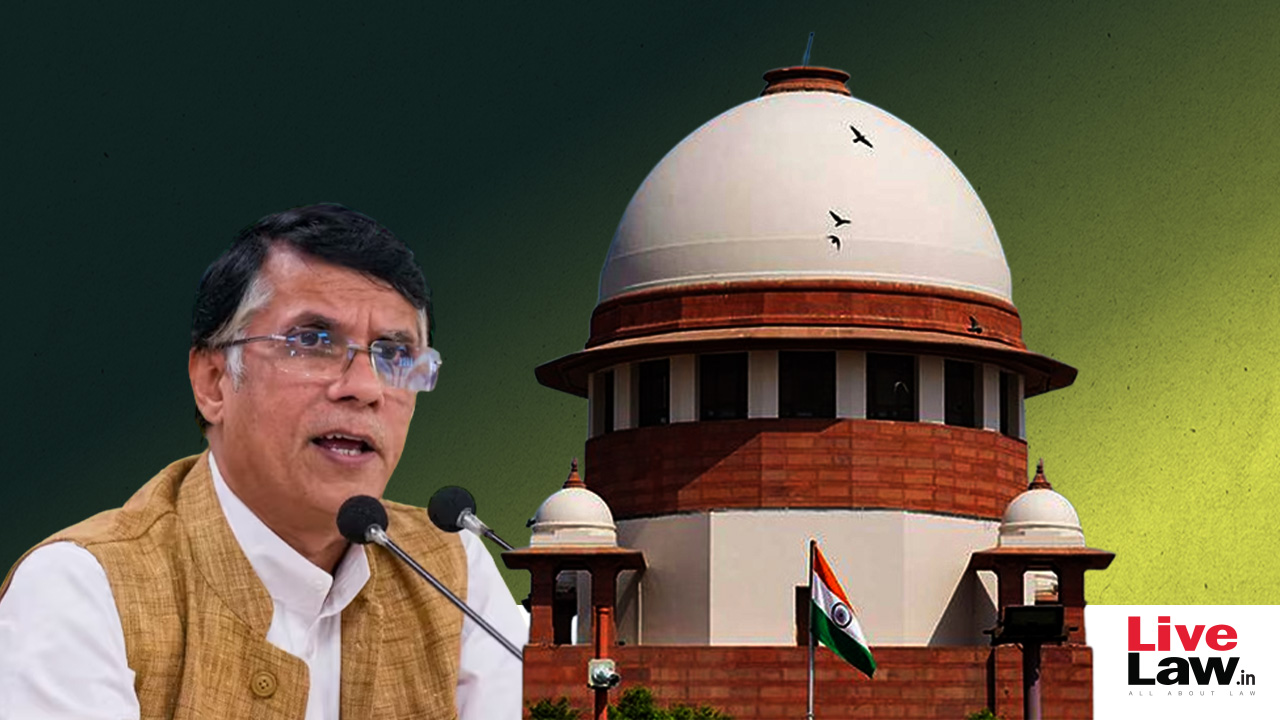
In a significant legal development, Pawan Khera has moved to the Supreme Court of India following the Gauhati High Court’s rejection of his anticipatory bail plea. This case arises amidst allegations of defamatory statements made by Khera during a press conference, where he accused a prominent political figure of holding multiple foreign passports and undisclosed assets. The Assam Police case, initiated by an FIR lodged by Riniki Bhuyan Sarma, has Khera asserting claims of political vendetta against him. As the political landscape heats up around the upcoming elections, the Supreme Court’s involvement highlights the contentious nature of Khera’s accusations and the serious legal implications they carry. With the Supreme Court now reviewing his appeal, the question of whether Khera will receive the protection from arrest that he seeks remains pivotal in this unfolding legal drama.
Following the recent developments regarding Pawan Khera, an influential leader from the Congress party, the situation has escalated as he turns to the highest court in the country for relief. After his anticipatory bail was denied by the Gauhati High Court, Khera’s plight now draws attention to larger issues surrounding political pressure and legal battles faced by public figures. The case at hand, driven by claims of defamatory remarks, is not only a matter of personal stakes for Khera but also reflects the broader dynamics of political rivalry in India. As allegations of political revenge swirl around, the Supreme Court’s role becomes crucial in determining the balance between legal accountability and political freedom. With mounting public interest, the outcome of this case could carry significant implications for both Khera’s future and the ongoing discourse on political integrity.
Pawan Khera Challenges Gauhati High Court Ruling at Supreme Court
In a significant legal move, Pawan Khera, a prominent Congress leader, has approached the Supreme Court of India, contesting the recent decision of the Gauhati High Court. The High Court had denied his anticipatory bail plea, which is critical for Khera as he faces allegations stemming from a case initiated by the Assam Police. The controversy erupted after Riniki Bhuyan Sarma accused him of making defamatory statements. Khera’s remarks, which hinted at her possession of multiple foreign passports and undisclosed assets, have ignited a fierce political debate, and the outcome of this Supreme Court appeal could have far-reaching implications for Khera’s political career and the upcoming elections in Assam.
The legal proceedings surrounding Khera’s allegations highlight the complex intersection of law and politics in India. His defense team, led by the notable senior advocate Abhishek Manu Singhvi, has framed the case not merely as a legal matter but as an instance of political vendetta. They argue that the charges brought against him are fueled by motives to quell dissent amid a politically charged atmosphere. As the case unfolds, it raises questions about the nature of the accusations—are they grounded in legitimate legal concerns, or do they reflect deeper political rivalries? The Supreme Court’s ruling on Khera’s bail plea will be closely monitored, particularly by political analysts and observers.
Legal Implications of Defamatory Statements and Political Context
The current situation involving Pawan Khera and the Gauhati High Court dives deep into the legal framework surrounding defamation. With Khera accused of making defamatory statements against Riniki Bhuyan Sarma, the case traverses complex legal waters, particularly as it touches upon anticipatory bail provisions. Khera’s legal counsel argues that the matter falls under criminal defamation, which should ideally be managed through private complaint channels rather than a public prosecution driven by political motives. This assertion opens a critical discussion on the appropriateness of the Assam Police’s involvement in what Khera’s supporters characterize as politically charged allegations.
Moreover, the counterarguments presented by Assam’s Advocate General Devajit Lon Saikia amplify the urgency surrounding the charges against Khera. He asserts that the allegations extended beyond mere defamatory statements, potentially encompassing serious accusations of document forgery and cheating. This perspective underscores the legal complexities at play and the gravity of the situation Khera finds himself in. As both parties present their cases, the Supreme Court’s deliberation will not only impact Khera’s immediate plight but also set precedents concerning the intersection of defamation law, political discourse, and law enforcement involvement in politically sensitive cases.
The Role of the Gauhati High Court in Anticipatory Bail Matters
The Gauhati High Court plays a pivotal role in assessing anticipatory bail applications, often acting as a frontline judicial body that evaluates the merits of legal arguments presented before it. In Khera’s case, the High Court’s refusal to grant bail highlights its function in weighing the seriousness of allegations against the backdrop of legal precedents. The single-judge Bench, led by Justice Parthivjyoti Saikia, not only scrutinizes the legal framework but also considers the larger narrative influencing such cases. This refusal impacts Khera’s defense strategy as they escalate the matter to the Supreme Court, signaling a significant ongoing legal battle.
Delving deeper into the implications of the Gauhati High Court’s decision reveals the nuanced balance that courts must maintain between judicial independence and the pressures of the political milieu. The context from which these legal battles arise—marked by political rivalries and allegations of vendetta—demonstrates how judicial discretion in bail matters can reverberate beyond the courtroom, shaping public perception and political landscapes. As Khera seeks recourse from the Supreme Court, the discourse extends to the interpretations of law and the judiciary’s role in mitigating potential injustices influenced by political maneuvers.
Anticipatory Bail: A Shield for Political Figures in Legal Quagmires
Anticipatory bail serves as a crucial legal tool that provides protection to individuals who may be subjected to wrongful arrests based on allegations. In Khera’s case, seeking anticipatory bail after facing a defamation case symbolizes not just a personal remedy, but a significant commentary on how political figures navigate legal challenges. With Khera’s appeal to the Supreme Court, it becomes evident that the provision of anticipatory bail is integral for safeguarding the rights of political leaders who may be embroiled in politically motivated litigations.
The broader implications of anticipatory bail reflect the judicial system’s acknowledgment of the intricacies involved when political allegations surface. The distinctions made by Khera’s defense surrounding the intent behind the accusations suggest that in an era rife with political tension, anticipatory bail could act as a necessary shield for representatives facing unjust prosecution. As the Supreme Court deliberates on Khera’s application, the outcome will not only directly affect his situation but also set a precedent that may influence how anticipatory bail is viewed in the context of politically sensitive cases moving forward.
Understanding Defamation Laws Through Pawan Khera’s Case
The defamation case against Pawan Khera underscores an essential aspect of legal discourse in contemporary India—how defamation laws are applied and interpreted in politically charged environments. The allegations made by Riniki Bhuyan Sarma spotlight the delicate balance courts must strike in assessing claims that can be both legally substantive and politically motivated. Khera’s defense insists that his comments were rooted in political discourse rather than malicious intent, drawing attention to how the law interacts with the freedoms afforded by public speech.
Moreover, as this case unfolds, it offers a lens through which to view the larger societal implications of defamation laws, especially their potential misuse in smear campaigns. The framing of this episode, as Khera’s team argues political vendetta, invites stakeholders to scrutinize whether legal provisions are adequately safeguarding political discourse while preventing personal vendettas masked as legal claims. The trials and tribulations faced by Khera in this legal saga may redefine how defamation is perceived in political contexts and influence future political interactions in Assam and beyond.
Political Vendetta: Legal Definitions and Implications
The allegation of political vendetta is a significant theme in Pawan Khera’s case, as his defense lawyers argue that the charges against him stem from a desire to undermine his political standing ahead of elections. This assertion casts a spotlight on the fine line between legitimate legal proceedings and what could be perceived as an abuse of the judicial process for political ends. By framing the case as politically motivated, Khera’s legal team endeavors to shift narrative control, positing him as a target of a broader political strategy rather than a mere defendant in a legal matter.
Understanding political vendetta within the framework of law is complex; it requires discerning intention, objective, and the broader political implications of legal actions. Khera’s situation exemplifies how allegations in political contexts can reshape public opinion and legal interventions. As discussions unfold regarding political motivations in legal cases, it becomes imperative to analyze the implications these narratives hold for the integrity of judicial processes and political discourse in India. The Supreme Court’s ruling on the matter will inevitably evoke discussions on the intersection of law, politics, and the ethical boundaries that govern both.
The Impact of Legal Proceedings on Upcoming Elections
As Pawan Khera navigates through the legal challenges involving the Gauhati High Court and the Supreme Court, the implications of these proceedings ripple into the political arena, especially concerning upcoming elections. Candidates embroiled in legal controversies often face significant challenges in maintaining their public image, which can directly affect their electoral prospects. Khera’s legal battle, consequently, may alter voter perceptions, as the narratives shaped by these proceedings could either bolster or tarnish his reputation in the eyes of constituents.
Furthermore, the political landscape leading up to the elections may shift dramatically based on the resolution of Khera’s case. If the Supreme Court grants him relief, it could galvanize his supporters and reinvigorate his political campaign. Conversely, a ruling against him may embolden his opponents, intensifying their strategies to exploit the situation. Thus, the interplay between legal outcomes and political fortunes becomes a critical area of focus, highlighting how judicial decisions can influence the electoral environment and democratic processes in Assam.
Conclusion: Navigating the Legal Landscape Amid Political Turmoil
Pawan Khera’s case serves as a profound example of the legal challenges faced by political figures in a turbulent climate. The layers of legal debate surrounding his attempts to secure anticipatory bail from the Supreme Court reflect broader issues regarding the intersections of law, politics, and personal rights. As Khera challenges the Gauhati High Court’s decision, the ramifications extend beyond the courtroom, prompting discussions on the integrity of the political system and the judiciary’s role in safeguarding democratic principles.
As observers await the Supreme Court’s verdict, it is evident that Khera’s legal journey will continue to evoke significant attention and scrutiny. The outcome will not only determine his immediate fate but could also set crucial precedents for how similar cases are approached in the future, particularly when entwined with political motives. Navigating the legal landscape amid such political turmoil necessitates a careful examination of laws, intent, and the overarching implications for all stakeholders involved.
Frequently Asked Questions
What is the latest update on Pawan Khera’s Supreme Court case regarding anticipatory bail?
Pawan Khera has challenged the Gauhati High Court’s decision rejecting his anticipatory bail plea in a case related to alleged defamatory statements. After the FIR filed by Riniki Bhuyan Sarma, Khera approached the Supreme Court seeking protection from arrest, arguing that the case reflects political vendetta, especially with upcoming elections.
| Aspect | Details |
|---|---|
| Plaintiff | Riniki Bhuyan Sarma; accuses Khera of defamation. |
| Defendant | Pawan Khera, Congress leader, seeking anticipatory bail. |
| Initial Court Ruling | Gauhati High Court denied anticipatory bail on April 24, 2026. |
| Nature of Allegations | Khera accused Sarma of having multiple foreign passports and undisclosed assets. |
| Legal Representation | Khera represented by senior advocate Abhishek Manu Singhvi. |
| Claims from Defense | Defense argues allegations are politically motivated and scandalous. |
| Prosecution’s Argument | Alleges serious charges beyond defamation, including cheating and forgery. |
Summary
Pawan Khera’s Supreme Court appeal follows the rejection of his anticipatory bail by the Gauhati High Court, highlighting significant issues of political motivation and the nature of allegations against him. The case raises various critical legal questions regarding defamation laws and the evidentiary standards required for serious charges such as fraud and forgery. As the political landscape in Assam intensifies with upcoming elections, this case not only impacts Khera’s personal liberty but also poses wider implications for political discourse and accountability in India.