A significant security breach at the White House Correspondents’ Dinner has sent shockwaves through Washington as investigations unfold into the incident. US President Donald Trump condemned the man involved, labeling him a “sick guy” who purportedly harbors a deep-seated animosity towards Christians. The identity of the White House intruder now stands at the forefront of a detailed investigation on the dinner incident, as officials work diligently to uncover the motive behind his actions. Reports indicate that he is not cooperating with authorities, leading to speculation about the potential charges he may face as a Correspondents Dinner suspect. With the event attracting some of the most prominent figures in media and government, this breach raises serious concerns about White House security protocols and the implications for future gatherings.
The recent upheaval surrounding the White House Correspondents’ Dinner security breach has ignited discussions on the vulnerabilities within our national security framework. Observers are increasingly questioning the protective measures in place at high-profile events, especially in light of the attempts made by the individual described by President Trump as a profoundly troubled man. As investigations progress, the focus remains on dissecting the layers surrounding this alarming White House security incident, which has implications far beyond just the dinner itself. The discourse will inevitably touch upon themes of safety, accountability, and the need for stringent measures to ensure events like these are secure against potential intruders. As we delve deeper into this situation, the quest to better understand the motivations and the context surrounding this breach will inform future security enhancements.
The White House Correspondents’ Dinner Security Breach
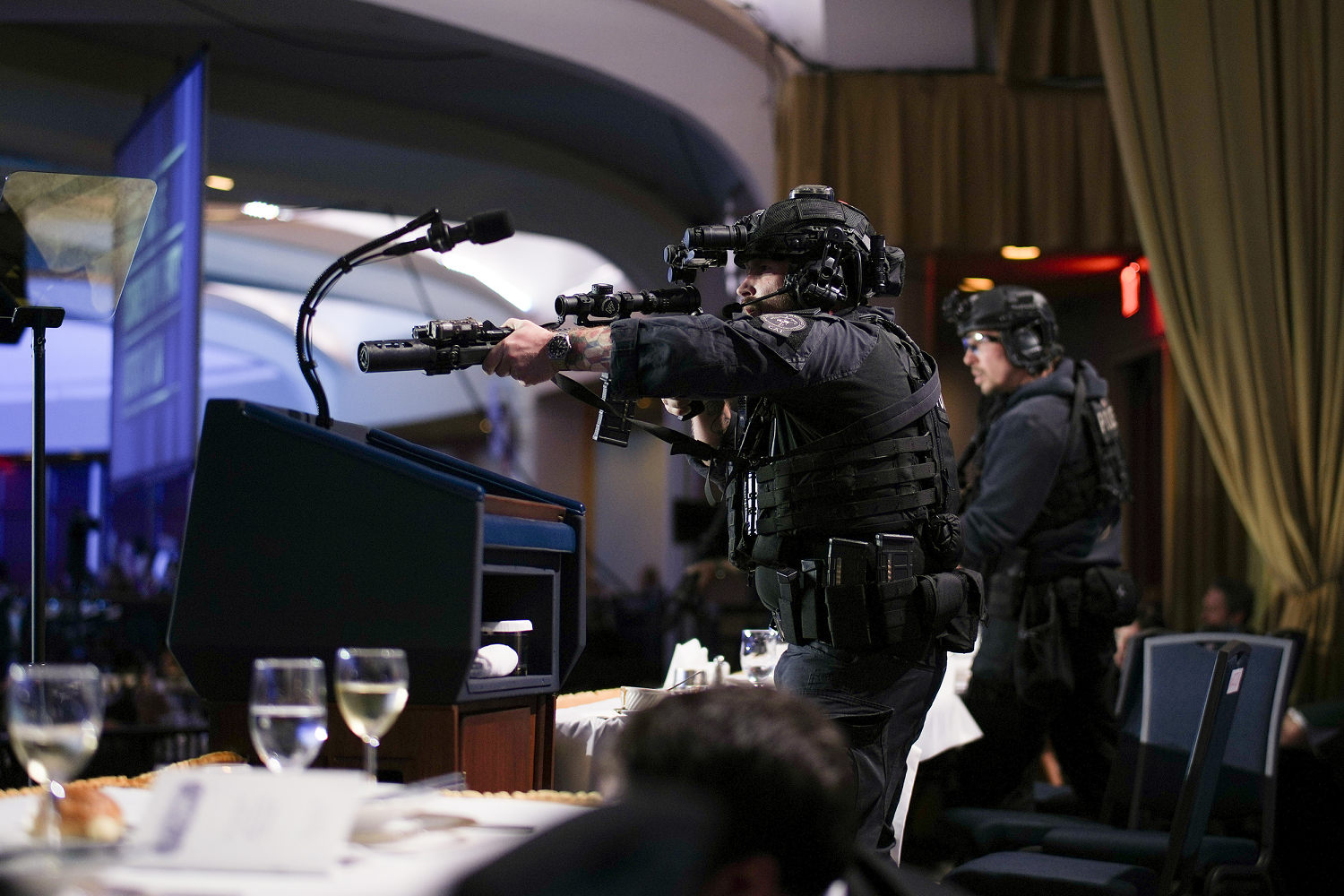
The White House Correspondents’ Dinner has always been a glittering event, attended by journalists, celebrities, and political figures. However, the recent security breach during the dinner has raised serious concerns about the safety protocols in place at such high-profile gatherings. Officials designated to manage security were put to the test when a man attempted to storm the venue, drawing immediate attention from law enforcement. President Trump labeled the intruder a dangerous individual, stating the need for tighter security measures to protect attendees and prevent such incidents from occurring in the future.
Investigations into the dinner incident have revealed troubling details about the suspect, described as a disturbed individual whose family has previously raised concerns regarding his behavior. Officials confirmed that he poses no immediate threat, but the fact that he is not cooperating with the investigation has left many unanswered questions. As authorities delve deeper into the background of this White House intruder, the incident underscores the importance of assessing security protocols, particularly in light of heightened tensions surrounding national events.
Motives Behind the Security Incident
The motives behind the security breach at the White House Correspondents’ Dinner are still being unraveled. Trump stated that the suspect “hates Christians” and displayed erratic behavior, leading to speculations that personal grievances may fuel his actions. Families of individuals involved often reflect a troubled history, raising concerns about underlying mental health issues that could contribute to such behavior. These elements highlight the difficult balance between individual freedoms and the need for robust security measures at public events.
It is crucial to investigate whether this incident was an isolated act of an individual in distress or part of wider troubling trends in society. As the investigation progresses, it is imperative to consider the psychological profile of the correspondents’ dinner suspect, aiming to address the root causes behind such violent outbursts. As more information is released, the incident serves as a reminder of the complexities involved in maintaining security for public figures and events in today’s politically charged climate.
Trump’s Response to the Security Concerns
President Trump’s response to the security concerns surrounding the White House Correspondents’ Dinner emphasizes the need for maintaining safety while highlighting the crucial role of law enforcement. Trump remarked on the efficacy of the security personnel present, praising their readiness and strength during the chaotic moments as the potential threat unfolded. His insistence on the importance of compensating these unpaid security forces adds another layer to the debate on government funding versus public safety.
The administration’s handling of security measures and emergency responses has come under scrutiny recently. Trump’s comments may serve to bolster confidence in law enforcement capabilities, but they also spark debates about the adequacy of funding for national security efforts. By connecting safety with compensation, Trump is not only advocating for improved security for events like the correspondents’ dinner but also bringing attention to broader issues concerning national security and law enforcement resources.
Understanding the Role of Media in Security Reporting
The role of media in covering security incidents, such as the breach at the White House Correspondents’ Dinner, is multi-faceted and crucial in informing the public. Reporting on such events goes beyond mere facts; it involves analyzing the implications of the breach and providing context surrounding the motive of the suspect. The media has the responsibility to handle sensitive information carefully, ensuring that they do not escalate panic while keeping the public informed about ongoing investigations and the broader issues at play concerning wayward individuals.
Moreover, how the media portrays incidents like the one at the correspondents’ dinner can significantly influence public perception and response. As journalists investigate the backgrounds of suspects or delve into security protocols, they play a vital role in shaping narratives around security incidents. Continuous coverage and responsible reporting are essential not only to hold authorities accountable but also to foster an environment where public discourse around safety and policy can thrive.
Lessons Learned from the Security Incident
In the aftermath of the security breach at the White House Correspondents’ Dinner, various lessons can be drawn about event security and preparedness. One glaring realization is the need for comprehensive risk assessments that consider possible threats. Authorities must evaluate existing protocols and ensure they adapt to current realities, especially when public gatherings involve high-profile individuals. This incident reflects a growing need for reevaluation of risk management for public events, specifically in politically charged atmospheres.
Another lesson drawn from the incident is the importance of clear communication amongst law enforcement agencies, security personnel, and event organizers. Prompt and efficient communication can make a world of difference in assessing potential threats and responding appropriately. As the investigation on the dinner incident unfolds, addressing these lessons will be paramount to prevent future security breaches, ensuring that events remain safe and uneventful for all attendees.
Security Protocols at High-Profile Events
Security protocols at high-profile events like the White House Correspondents’ Dinner must evolve to address emerging threats as society changes. Appropriate measures should be in place to thoroughly vet attendees and manage access to sensitive areas. The recent intruder incident highlights a gap in these security measures, prompting a reassessment of existing protocols. As security challenges grow more complex, event organizers must collaborate with law enforcement to implement tighter screening processes and more vigilant monitoring.
Furthermore, engaging technology in security operations can enhance threat detection and prevention strategies. Employing advanced surveillance systems and crowd management techniques could result in a more robust framework for high-profile gatherings. As the investigation into the White House security incident continues, it emphasizes the need for proactive security planning to cultivate a secure environment for prominent events, protecting not only the guests but also reinforcing public trust in safety measures.
Investigating the Correspondents’ Dinner Incident
The investigation into the White House Correspondents’ Dinner incident is crucial not only for legal accountability but also to enhance future security measures. Authorities are responsible for dissecting each element of the breach, from the suspect’s background to the effectiveness of the response protocols activated during the crisis. The fact that the suspect is not cooperating adds complexity to the case and raises questions about how well prepared authorities were to respond to potential threats.
As investigators delve into the details surrounding the dinner’s security incident, they highlight the significant implications for future events. Gathering insights from this investigation can equip law enforcement and security teams with a better understanding of risk factors and necessary improvements in protocols. Such a thorough analysis of the breach will aid in crafting a safer framework for managing large-scale public gatherings, minimizing the risks that come with hosting prominent individuals.
The Impact of Security Breaches on Public Perception
Security breaches, like the one that occurred during the White House Correspondents’ Dinner, can profoundly impact public perception of safety at significant events. Such incidents often spark fears and concerns about the vulnerability of political and media figures, leading to heightened scrutiny over how well authorities are managing safety protocols. Public trust can be severely tested in the face of security failures, and discussions surrounding the effectiveness of law enforcement take center stage.
As citizens digest media reports about the breach and subsequent investigation, they may question the adequacy of security measures in place during high-profile events. The incident may widen the gap between public perception and actual security protocols as people navigate their feelings of safety in the presence of well-known figures. Ensuring transparent communication about security measures and readiness can be essential in maintaining public confidence moving forward.
Future Security Measures For High-Profile Events
In response to the recent security breach at the White House Correspondents’ Dinner, event organizers must consider implementing comprehensive future security measures. These improvements may include advanced screening techniques for attendees, collaboration with federal agencies for intelligence sharing, and the incorporation of technological solutions such as facial recognition systems. Evaluating past incidents will be critical to developing more effective security frameworks that are agile and responsive to potential threats.
Moreover, ongoing training for security personnel is essential to adequately prepare them for various scenarios that could arise during events. Establishing protocols for rapid communication among all involved parties during an incident can mitigate chaos. Any improvements made should come from a willingness to learn from the security breach at the dinner, aiming for a future where such incidents are minimized through proactive planning and preparation.
Frequently Asked Questions
What is the investigation on the White House Correspondents’ Dinner security breach revealing about the suspect?
The investigation on the White House Correspondents’ Dinner security breach has identified the suspect as a troubled individual whose family had previously expressed concerns about his behavior. U.S. President Donald Trump characterized him as someone who ‘hates Christians’ and described the perpetrator as a ‘sick guy.’ Officials noted that the suspect is not cooperating with the ongoing investigation and is likely to face multiple charges related to this significant security incident.
| Key Points | Details |
|---|---|
| Incident Description | A man attempted to storm the White House Correspondents’ Dinner, leading to a security breach. |
| Suspect Description | The suspect is described by President Trump as someone who ‘hates Christians’ and is ‘sick.’ He is reportedly troubled and has had complaints made about him by family members. |
| Investigation Status | The suspect is not cooperating with law enforcement and faces multiple charges. |
| Security Response | Trump praised the security staff as ‘strong’ and criticized the delay in their payments caused by the Democrats. |
Summary
The White House Correspondents’ Dinner security breach raised significant concerns when a man attempted to storm the prestigious event. This incident, described by President Donald Trump as involving a suspect who ‘hates Christians’ and is a ‘sick guy,’ has prompted ongoing investigations into the motives and background of the individual involved. With family members having previously expressed concerns about his behavior, the suspect’s apparent non-cooperation with law enforcement only complicates the investigation further. In the midst of this chaotic situation, Trump commended the security personnel for their effective response to the breach, highlighting both their professionalism and the unfortunate political context surrounding their compensation. As authorities continue to piece together the details, the implications of this security incident at such a high-profile event will likely resonate across the nation.