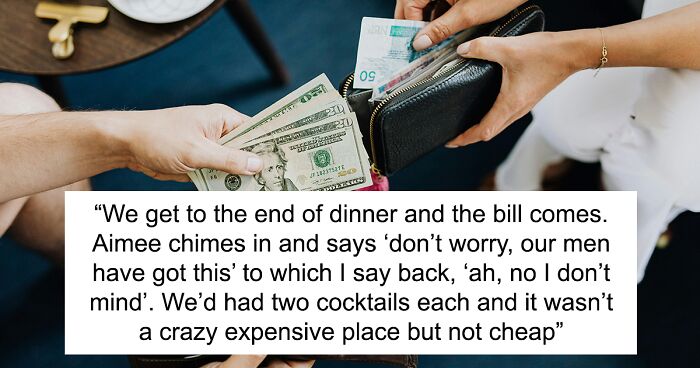
In a recent social media buzz, a woman rejects a date for splitting the bill, prompting a robust discussion about shifting dating expectations today. The incident sheds light on the nuances of women and dating, particularly in the context of Indian dating culture, where traditional roles often dictate financial responsibilities. Many are left questioning the dynamics of relationships, especially on third dates where intentions and expectations should ideally align. With the evolution of mutual respect and equality in dating, one might wonder: is asking to split a bill now considered bad form? This scenario not only highlights individual perspectives but also opens a broader dialogue on relationship dynamics in a modern context.
In an era of evolving romantic customs, a recent incident where a woman turned down a date due to a proposal to share the expenses highlights the complexities of contemporary courtship. This situation reflects the growing trend of women asserting their preferences and boundaries within romantic engagements, especially in light of increasingly diverse dating practices. The back-and-forth surrounding the etiquette of expense sharing taps into the heart of modern dating culture, challenging traditional perceptions of gender roles. As individuals navigate the social pressures of dating, understanding these expectations becomes crucial, making it essential to analyze how financial discussions shape interpersonal relationships. Such discussions not only inform potential partners but also significantly influence the evolving narratives surrounding intimacy and connection.
Understanding Women’s Dating Expectations in India
In contemporary Indian society, dating expectations have undergone a significant transformation. Many modern women, particularly those who are financially independent, have specific preferences regarding dating dynamics. This includes not only the nature of the date but also the discussions surrounding expenses. Women might expect their dates to understand and respect their views, which often encompass equality and traditional values. The case of a woman earning ₹80 lakh rejecting a man who suggested splitting the bill underscores this shift in perspective, highlighting a broader dialogue around gender roles and dating etiquette in India.
Expectations in dating don’t merely hinge on financial matters; they also reflect deeper cultural shifts. In a nation where gender roles have long dictated social interactions, the newfound agency among women has fostered a landscape where independence and self-worth are paramount. As women redefine what they seek in relationships, men are confronted with the challenge of adapting to these evolving standards. The discussion around splitting the bill after a third date serves as a microcosm of the larger conversation about respect and equality in relationship dynamics, causing many to ponder what an ideal date should encompass.
Relationship Dynamics: Why Splitting the Bill Changed the Game
The dynamics of relationships are often influenced by cultural norms and individual expectations. The concept of splitting the bill might seem benign to some, but for many women, it symbolizes deeper issues of respect and equality. When a woman feels compelled to reject a date based on the request to split the bill, it reveals a critical aspect of modern relationship dynamics. The notion that a man should comfortably manage costs on dates, especially in the early stages of dating, is often rooted in traditional dating norms that assert a man’s role as the provider.
Moreover, this situation invites us to explore the intersection of monetary contributions and emotional intentions in relationships. While some men may view splitting expenses as a step towards equality, many women may interpret it as a lack of commitment or motivation to invest in the budding relationship. This disparity in perceptions can lead to misunderstandings and missed connections in the dating scene. Therefore, understanding these dynamics is essential for both genders to navigate the often complex and nuanced world of dating in an evolving social landscape.
The Impact of Indian Dating Culture on Relationship Choices
In exploring the nuances of Indian dating culture, it’s imperative to recognize how historical and modern influences shape relationship choices. Many men and women continue to navigate a dating landscape influenced by traditional expectations, yet there’s a growing movement that encourages more progressive interactions. The interplay between traditional dating practices and contemporary expectations often leads to discussions around roles and responsibilities, including financial arrangements like splitting the bill. This cultural shift has seen women taking on more significant roles in shaping their dating experiences.
The spotlight on women’s perspectives in dating has also paved the way for discussions about self-respect and financial independence. Instances of rejection based on the splitting of bills challenge men to rethink their approaches to dating, as financial dynamics can sometimes overshadow the emotional connections being forged. As more women assert their preferences and boundaries, they not only redefine dating norms but also challenge men to elevate their understanding of romantic interactions.
Third Date Advice: Recognizing the Signals in Dating
The third date is often regarded as a pivotal moment in a budding relationship, where individuals gauge deeper compatibility and expectations. For many women, this stage is crucial in assessing whether their partner respects their values and preferences. The rejection of a date due to the suggestion of splitting costs can be a telling sign that the woman feels her dignity and self-respect are at stake. This context is vital for men seeking to navigate the sometimes murky waters of dating, as paying for the date can show commitment and a willingness to invest time and effort into building a lasting connection.
Moreover, understanding the nuances of the third date experience is essential for fostering healthy relationship dynamics. Communication becomes key as individuals express their expectations and comfort levels. Men are encouraged to consider how their approach to dating—including discussions around financial responsibilities—may affect their appeal and the overall energy of the date. Recognizing these signals can not only enhance dating experiences but also lay the groundwork for more fulfilling relationships.
Navigating Gender Roles in Modern Dating
The rejection faced by a man requesting to split the bill brings to light the evolution of gender roles in modern dating. As women gain financial independence and assert their desires, traditional dating habits may seem outdated or even disrespectful. Many women now seek relationships where they feel valued not merely for their company but also for their individuality and independence. This indicates a significant shift in expectations, emphasizing that mutual respect is paramount.
Navigating gender roles today requires both partners to be aware of their dynamics and to consciously uphold a sense of equity in situations. When a woman declines a date over financial expectations, it is a reflection not just of her personal belief system but also of her demand for partnership based on respect rather than obligation. This cultural shift signifies a broader movement towards redefined gender roles in relationships, necessitating that both men and women communicate openly about their expectations.
The High Stakes of Indian Dating: Financial Independence and Choices
The stakes in Indian dating have risen remarkably as more women achieve financial independence. The case of the woman who earns ₹80 lakh illustrates that economic empowerment has profoundly impacted personal expectations and relationship choices. Women are less willing to settle for traditional dating practices that do not align with their preferences, including whose turn it is to pay. By rejecting a date over splitting the bill, she makes a potent statement about her self-worth and the value she places on equitable relationships.
As dating evolves, both men and women must adapt their perspectives to reflect this new reality. Financial independence has not only given women more choices but also heightened their expectations regarding respect and equality in dating scenarios. This scenario encourages a reevaluation of traditional dating norms and urges individuals to forge relationships built on shared values and mutual understanding, rather than outdated conventions. The modern dating landscape calls for comprehensive discussions where both parties feel valued and understood.
Cultural Reflections: The Role of Financial Contributions in Relationships
Cultural reflections on dating practices often reveal deep-seated beliefs around financial contributions in relationships. Within the Indian context, the request to split the bill can invoke contrasting sentiments, where women may perceive it as diminishing their status or roles in a budding relationship. Such situations ignite discussions regarding societal standards and the expectations faced by women in dating, influencing their comfort levels and willingness to continue pursuing the relationship.
Moreover, the ramifications of financial contributions extend beyond mere monetary exchanges; they encapsulate an individual’s values and respect for one another. As women increasingly demand equity in dating, the conversation shifts toward understanding and empathy, urging men to listen and adapt. The expectation to cover costs, especially during initial dates, becomes a test of commitment that can have lasting impacts on relationship trajectories.
Evolving Dating Etiquette: Understanding Preferences and Boundaries
In a rapidly changing dating landscape, evolving etiquette stands as a cornerstone of modern relationships. For many women, establishing preferences around dating costs—such as the inclination against splitting the bill—serves as an essential boundary that reflects their self-worth and expected mutual respect. The rejection encountered by the woman in this scenario illustrates the importance of respecting personal choices within the dating world. As expectations evolve, individuals must communicate openly to develop a shared understanding of these boundaries without fear of misinterpretation.
As etiquette shifts, both parties in a relationship are challenged to confront these changing norms. A conversation about financial expectations before a date can clarify what each individual is comfortable with and can potentially avoid misunderstandings. Ultimately, recognizing the significance of preferences not only aids personal empowerment but can also lead to healthier and more respectful relationship dynamics moving forward.
Transformative Conversations: Gender Dynamics in Modern Relationships
Transformative conversations surrounding gender dynamics significantly impact how relationships are formed and maintained today. As evidenced by the narrative of a woman rejecting a date because of an expectation to split costs, gender dynamics in dating are rapidly evolving. These conversations encourage a deeper understanding of what both men and women seek, often rooted in respect, equality, and shared values.
Encouraging dialogue about gender expectations is critical for cultivating relationships that foster reciprocity and understanding. Resistance to traditional dating norms, such as requesting to split bills, indicates a shift toward more equitable interactions. By dismantling stereotypes and engaging in transformative dialogues, individuals can reshape the dating landscape, leading to relationships that are reflective of mutual respect and partnership.
Frequently Asked Questions
Why do women sometimes reject dates over splitting the bill?
In Indian dating culture, many women have specific expectations regarding gender roles and financial responsibilities on dates. When a woman rejects a date because the man insists on splitting the bill, it’s often not just about the money; it reflects deeper relationship dynamics and societal expectations. Many women, especially those who are financially independent, may expect a gentlemanly gesture from their date, especially if they are being courted. This situation can ignite discussions about dating expectations and how modern relationships navigate financial arrangements.
| Key Points | Details |
|---|---|
| Incident Overview | A woman rejecting a date after being asked to split the bill. |
| Public Reaction | The incident sparked considerable debate on social media. |
| Cultural Context | Emphasizes modern dating expectations in India. |
| Author’s Insight | Dr. Rachna Khanna Singh notes rising singlehood among women in India. |
Summary
The incident where a woman rejects a date for splitting the bill highlights a growing trend in modern dating attitudes. In today’s society, many women are asserting their independence and challenging traditional expectations in relationships. The woman in this scenario, earning a substantial income, illustrates that her decision was not based on financial matters but rather on the principle of equality and respect in dating dynamics. This scenario raises important questions about gender roles and mutual respect in romantic engagements, contributing to the ongoing conversation about women’s empowerment and social norms.