

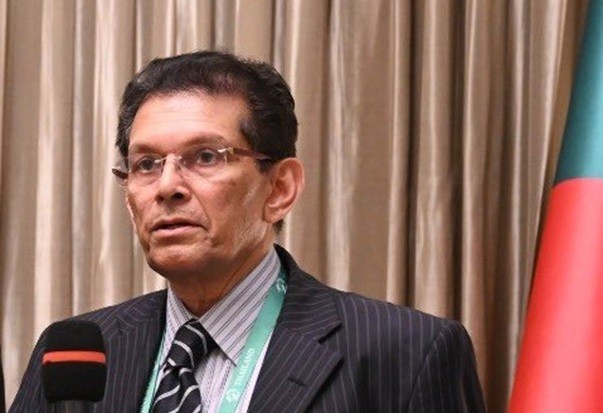
Khalilur Rahman UNGA Candidacy is creating waves in the diplomatic landscape of Bangladesh as the Foreign Minister gears up for the upcoming election in 2025. With pivotal backing from influential figures, including George Soros, Rahman is strategically positioning himself not only as a candidate for the United Nations General Assembly but also as a leader representing Bangladesh’s evolving foreign policy. His track record, transitioning from National Security Adviser to Foreign Minister, highlights his deep-rooted involvement in Bangladesh politics and his significant role in shaping diplomatic relations. As he travels the globe, expanding Bangladesh’s influence, the implications of the UNGA election are profound, not just for him, but for the nation’s geopolitical posture. The anticipation around Khalilur Rahman’s campaign is palpable, with many observers keenly considering how his leadership could redefine Bangladesh’s presence on the global stage.
As tensions arise regarding Khalilur Rahman’s bid for the presidency of the United Nations General Assembly, the implications extend far beyond mere politics. Known for his influential role as Bangladesh’s Foreign Minister, Rahman is leveraging relationships fostered during his tenure to rally support for the UNGA election in 2025. His efforts may not only fortify Bangladesh’s standing in the international arena but also enhance diplomatic engagements with major players like the US, guided by the strategic insights of benefactors such as George Soros. Moreover, Rahman’s candidacy encapsulates a vision for the nation’s future, one that intertwines local governance with global responsibilities. Observers are now looking to see how Khalilur Rahman will navigate this intricate arena to create lasting impacts on both domestic and foreign policy.
Khalilur Rahman UNGA Candidacy: Backed by Influential Figures
Bangladesh’s Foreign Minister, Khalilur Rahman, is not just a political figure but also a candidate for a major international position—the Presidency of the United Nations General Assembly (UNGA) in 2025. His bid has garnered substantial attention and whispers of support from influential actors such as American philanthropist George Soros. As Khalilur embarks on high-profile diplomacy, his political maneuvering within Dhaka is also being closely monitored, with expectations that his UNGA candidacy may reshape Bangladesh’s foreign relations on a global scale.
In the backdrop of Khalil’s rising ambition, the influence of foreign entities becomes increasingly apparent. George Soros’ backing is particularly noteworthy; it raises questions about the implications of such support for Bangladesh’s diplomatic integrity. The political landscape is dynamic, and with US officials actively lobbying for Khalilur’s election, his connections could potentially ensure that Bangladesh’s voice is heard more prominently on international platforms.
The Role of International Relations in Khalilur’s Political Ascent
Khalilur Rahman’s rise through the ranks of Bangladesh’s political sphere is intrinsically linked to his adept handling of international relations. As he navigates the complexities of Bangladesh’s alliances—especially under the backdrop of the US-Bangladesh partnership—his actions reflect a strategic approach to elevate his candidacy for the UNGA. With extensive diplomatic engagements in countries like China and India, Khalil is actively seeking to garner support and establish Bangladesh as a key player in global negotiations.
Moreover, Khalilur’s role as Foreign Minister has been pivotal in reshaping Bangladesh’s diplomatic relations. His initiatives often align with broader US interests, which has raised both opportunities and challenges for Bangladesh. These dynamics could serve to bolster his UNGA candidacy if he continues to position himself as an indispensable link between the global north and south, especially in addressing issues like the Rohingya crisis, which remains crucial in Southeast Asian diplomacy.
Domestic and International Challenges Facing Khalilur Rahman
While Khalilur Rahman’s aspirations for the UNGA presidency seem promising, he faces considerable challenges both domestically and internationally. Political opposition in Bangladesh is keen to scrutinize his ties with foreign powers, particularly given the controversial nature of US interventions in Southeast Asia. Ensuring that his candidacy is perceived as a genuine representation of Bangladeshi interests rather than foreign agendas will be crucial for his success.
On an international level, as the geopolitical landscape shifts, Khalilur must navigate the expectations and demands of various global players. His earlier efforts in facilitating Bangladeshi citizenship for Rohingya refugees have highlighted his commitment to humanitarian issues, but criticisms regarding the influence of US policies in Bangladesh may compromise his standing. To secure broad-based support for his candidacy, Khalilur will need to adeptly balance local sentiments with the aspirations of international stakeholders.
Khalilur Rahman’s Influence in Southeast Asia
As Khalilur Rahman sets his sights on the UNGA presidency, his influence in Southeast Asia cannot be understated. His alignment with the US geopolitical strategy in the region, particularly through military agreements and diplomatic engagements, positions him as a pivotal player. His efforts to stabilize relations with neighboring countries reflect an understanding of regional dynamics that could significantly enhance his UNGA candidacy.
Moreover, Khalil’s impact extends beyond mere diplomacy. He has reportedly sought to engage with separatist groups within regions like Mizoram and Rakhine, indicative of a broader strategy to maintain a balance of power in a complex geopolitical landscape. Such maneuvers could lend substantial weight to his campaign for the UNGA presidency, showcasing Bangladesh as a mediator in regional conflicts and an advocate for collaborative international efforts.
The Strategic Importance of Khalilur’s Jet-setting Diplomacy
Khalilur Rahman’s extensive travels and diplomatic outreach signify a calculated approach to gain international support for his candidacy for the UNGA. His jet-setting lifestyle, often supported by state resources, allows him to forge critical alliances and promote Bangladesh’s interests on a global stage. These deliberate engagements, especially with influential leaders across Europe and Asia, not only bolster his persona but also align Bangladeshi foreign policy with significant international agendas.
However, such an extravagant approach to diplomacy raises questions about resource allocation and effectiveness. Critics argue that this style may distract from addressing pressing local issues. Nevertheless, for Khalilur, the stakes are high, and if he can successfully rally global support while maintaining domestic stability, his candidacy for the UNGA could yield monumental shifts in how Bangladesh engages with the international community.
Khalilur Rahman’s Approach to the Rohingya Crisis
Khalilur Rahman’s handling of the Rohingya crisis has been a prominent aspect of his political narrative. As Foreign Minister, he has taken significant steps in facilitating aid and support for Rohingya refugees, which underscores his commitment to humanitarian responsibilities. However, his efforts have also drawn scrutiny regarding their alignment with international policies and Bangladesh’s own socio-political landscape. Navigating this issue is crucial for maintaining both local and international support as he pursues his candidacy for the UNGA.
Furthermore, the international ramifications of his decisions surrounding the Rohingya issue complicate his aspirations. While Khalil seeks to position Bangladesh as a compassionate and progressive nation, domestic opposition may challenge his stance if perceived as yielding to external pressures. As he prepares for the UNGA election, balancing the humanitarian narrative with domestic expectations will be critical to his success.
The Influence of US Policy on Khalilur’s Political Agenda
The influence of US policy on Khalilur Rahman’s political agenda is undeniable, particularly as he pursues his candidacy for the UNGA. His alignment with American interests, especially through military agreements and trade deals, has reinforced his standing as a key figure in Bangladesh’s foreign policy-making. Observers note that these ties could significantly bolster his bid, positioning him as a proponent of regional stability and collaborative governance.
However, this close alignment with US policy also presents a double-edged sword. Critics may perceive his actions as overly capitulatory, risking his reputation within Bangladesh. Navigating this perception will be essential as Khalilur seeks to promote not only his candidacy but also a vision for Bangladesh’s role in the broader global landscape.
Khalilur’s National Security Background and its Impact on Diplomacy
Khalilur Rahman’s tenure as National Security Adviser plays a pivotal role in shaping his approach to diplomacy and international engagement. His background equips him with a unique understanding of the geopolitical landscape, fostering relationships that could be advantageous as he campaigns for the UNGA presidency. His experience has not only positioned him as a knowledgeable figure in security matters but has also given him insights into the complex interplay between domestic policy and international relations.
Moreover, this security-focused background amplifies his credibility on the international stage. As he interacts with other nations, especially concerning issues like the Rohingya crisis or regional conflicts, Khalilur’s dual expertise in security and foreign relations could bolster support for his candidacy. Balancing these roles will be key as he navigates the intricacies of diplomacy that accompany his ambition for the UNGA presidency.
Future Aspirations: Khalilur’s Vision for Bangladesh
Khalilur Rahman’s vision for Bangladesh extends beyond his immediate political ambitions. His plans encompass establishing Bangladesh as an influential player in international diplomacy, especially within the UN framework. As he seeks to elevate the nation’s profile, his efforts to address critical issues like the Rohingya crisis and regional security will require a deft balance between internal and external expectations.
His ambition to become UNGA President reflects a larger aspiration: to craft a narrative that positions Bangladesh as a capable mediator in global affairs. Achieving this can reshape not only his political legacy but also the country’s standing in international relations. If successful, Khalilur’s presidency could signify a transformative era for Bangladesh on the world stage.
Frequently Asked Questions
What is the significance of Khalilur Rahman’s UNGA candidacy for Bangladesh?
Khalilur Rahman’s candidacy for the United Nations General Assembly (UNGA) presidency is significant as it positions Bangladesh on a global stage, enhancing its diplomatic relations. Supported by influential figures like George Soros, Rahman’s election could foster greater international cooperation and recognition for Bangladesh. His previous roles, especially as Foreign Minister, provide him with the experience needed to navigate complex global challenges, thus potentially elevating Bangladesh’s influence in international politics.
| Key Point | Details |
|---|---|
| Khalilur Rahman’s Position | Foreign Minister of Bangladesh, backed by US and Soros-related entities. |
| UNGA Candidacy | Rahman is being positioned for President of the United Nations General Assembly. |
| US Involvement | The US is actively supporting Rahman’s candidacy and influencing his role in Southeast Asia. |
| Rohingya Issue | Rahman has worked on policies addressing the Rohingya refugee crisis, advocating for citizenship for refugees. |
| Military Agreements | Significant military agreements with the US, enhancing Bangladesh’s military capabilities. |
| Lifestyle and Image | Khalilur Rahman is maintaining a luxurious lifestyle, funded state activities to support his candidacy. |
| Strategic Networking | Rahman is building alliances with European and Indian leaders to bolster his position. |
| Potential for Change | Rahman is seen as a potential future leader for Bangladesh, akin to Yeltsin or Zelensky. |
Summary
Khalilur Rahman UNGA Candidacy represents a pivotal moment in Bangladesh’s political landscape as he seeks to ascend to a prestigious international role. Backed by influential American entities, his campaign is steeped in strategic maneuvering, aimed at enhancing his global stature. His connections with significant political figures and involvement in critical issues like the Rohingya refugee crisis signal a calculated approach to garner support on both domestic and international fronts. With ambitious military agreements under his tenure, Rahman is not only aiming for leadership in the UN General Assembly but also symbolizing a shift in Bangladesh’s foreign policy dynamics. As the global community watches, Khalilur Rahman’s potential emergence as a key figure in international diplomacy could redefine not just his aspirations, but also the geopolitical landscape of Southeast Asia.



























