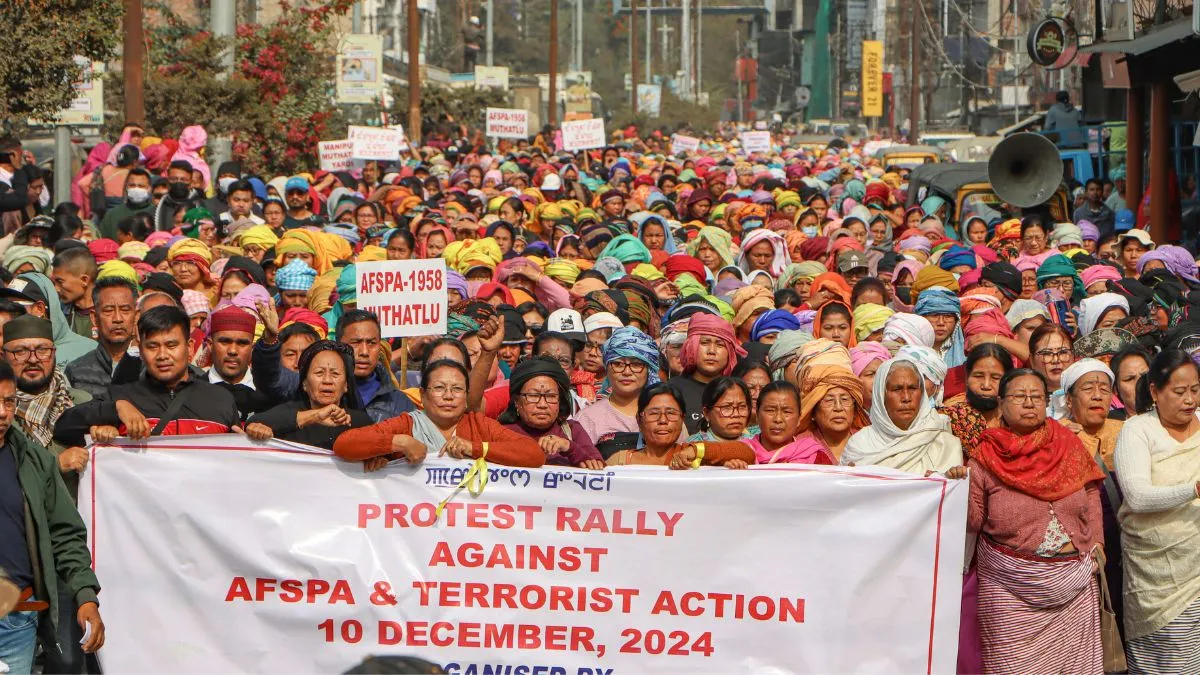
The Manipur protests that erupted on April 25, 2026, marked a significant moment in the state’s ongoing struggle for peace and justice. Thousands of protesters gathered in Imphal, demanding accountability from authorities following the tragic bomb attack that claimed the lives of two children earlier that month. The unrest escalated into clashes between demonstrators and the Manipur police, resulting in over 20 injuries as security forces resorted to firing teargas to disperse the crowds. Chief Minister Yumnam Khemchand Singh faced mounting pressure as citizens expressed their frustration at being barred from marching toward his residence to voice their grievances. This latest wave of Imphal violence highlights the urgent need for dialogue and resolution in a region yearning for stability after years of turmoil.
In recent weeks, the agitation in Manipur has drawn attention to the state’s complex socio-political landscape, with citizens rallying for peace and accountability. This unrest highlights the challenges faced by the local government in addressing the rampant violence and dissatisfaction among various communities. The protests, characterized by their calls for justice and accountability, emphasize a broader urge for stable governance and an end to hostilities. As tensions flare and the involvement of security forces escalates, the situation demands a thoughtful response from leaders and citizens alike. The cries for reform resonate strongly, giving a voice to those who have long been marginalized in a quest for lasting peace in the region.
Understanding the Manipur Protests
The Manipur protests of 2026 have become a significant event in the region’s history, reflecting deep-seated grievances among the citizens. Thousands of peaceful protesters took to the streets of Imphal, aiming to march towards the residence of Chief Minister Yumnam Khemchand Singh to demand justice and accountability. However, this peaceful assembly quickly escalated into chaos as security personnel employed tear gas to disperse the crowd, leading to significant injuries and rising tensions. The protests are fundamentally rooted in demands for permanent peace and effective governance, highlighting how local frustrations can spiral into public demonstrations with national implications.
On April 25, 2026, the protests intensified when demonstrators sought retribution for a tragic bomb attack that had claimed the lives of two young children on April 7 in the Tronglaobi area of Bishnupur. This senseless loss of life galvanized public opinion and united communities in their call for action against those responsible. The clash between the Manipur police and protesters is emblematic of the struggle for justice in a region often marred by violence and unrest. As the Manipur protests unfold, they serve as a stark reminder of the importance of addressing the underlying issues of safety, governance, and community trust.
The Imphal Violence and Its Consequences
The recent Imphal violence illustrates the volatile nature of the political landscape in Manipur. As demonstrators were confronted by law enforcement during their peaceful protests, tensions erupted into a scene of chaos, resulting in more than 20 injuries. The use of force by the Manipur police has prompted widespread condemnation from human rights activists and local leaders, who argue that such actions only exacerbate the divide between the government and its constituents. The consequences of this violence not only affect the immediate community but also tarnish the image of governance in Manipur, leading many to question the ability of state authorities to maintain order while respecting citizens’ rights.
This brutality further complicates the situation as citizens are left feeling unsafe and unprotected by those tasked with maintaining peace. The impact of the Imphal violence resonates beyond the immediate district, sparking similar demonstrations and clashing sentiments across the region. Each protest not only calls for justice regarding the bomb attack but also highlights the overarching need for comprehensive dialogue between the government and its people to establish a foundation for lasting peace.
Chief Minister Yumnam Khemchand Singh’s Response to Protests
In response to the escalating unrest, Chief Minister Yumnam Khemchand Singh’s administration has faced mounting pressure to reassure the public about safety and governance. His handling of the protests, particularly in light of the violent clashes between police and protesters, is under scrutiny. The Chief Minister has been urged to engage with community leaders and activists to address the root causes of the demonstrations. His acknowledgment of the grievances expressed by citizens during the protests is crucial for restoring public faith in leadership, and ensuring no further escalation occurs.
Unfortunately, the government’s approach has often been reactive rather than proactive, leading to discontent among the populace who feel their voices are not heard. As the situation develops, it is imperative for Chief Minister Yumnam Khemchand Singh to find a middle ground that prioritizes both security and the fundamental rights of citizens to peacefully protest. A transparent dialogue with the affected families, especially those impacted by the recent violence, is vital in fostering a sense of trust and stability.
The Role of Manipur Police During the Protests
Manipur police have found themselves at the forefront of a challenging situation during the recent protests. As tensions escalated on April 25, their decision to use tear gas against peaceful demonstrators has raised questions about their tactics and strategies. While law enforcement has a duty to maintain order, the necessity of striking a balance between managing protests and upholding the citizens’ rights is paramount. The violent clashes witnessed are a reflection of systemic issues within the force itself, underscoring the need for comprehensive training on how to handle peaceful protests without resorting to extreme measures.
The image of the Manipur police has been tarnished in the wake of these events, leading to a breakdown of trust between the force and the communities they serve. Moving forward, there is a critical need for community policing initiatives aimed at rebuilding relationships and fostering understanding. Such initiatives could help to ensure that future protests remain peaceful while providing a platform for citizens to voice their concerns without fear of violent crackdowns.
Impact of the April 2026 Protests on Local Communities
The April 2026 protests in Manipur have had a profound impact on local communities, highlighting the fragility of peace in the region. The violence that erupted during the protests has not only resulted in physical injuries but has also left psychological scars on those involved. Families have been left to grapple with the aftermath of violence, with many feeling a sense of loss and fear for their future. These protests are a rallying cry for justice and peace, but the fallout has led to increased tensions within various community groups, impacting social cohesion.
Moreover, the continued unrest disrupts daily life for residents and creates an atmosphere of uncertainty. Markets and schools may close due to fears of violence, and this pattern further weakens the community’s resilience. As stakeholders analyze the impact of the protests, it becomes evident that addressing the underlying issues with comprehensive plans and inclusive dialogue is essential for achieving lasting peace and rebuilding trust among Manipur’s diverse communities.
Healing Following Violence in Manipur
In the aftermath of the violence in Manipur, the path to healing is fraught with challenges but remains essential for the community’s recovery. This healing process encompasses not just addressing the immediate physical impacts of the protests but also the emotional and psychological toll that such incidents take on individuals and families. Forms of community support, including counseling and dialogue sessions, must be prioritized to ensure that individuals affected by the violence are not left to navigate their trauma alone.
Moreover, fostering reconciliation between protestors and law enforcement is crucial to restoring peace. Initiatives that encourage dialogue between the police and local communities can help build understanding and trust lost during the clashes. Healing in Manipur will not only depend on immediate responses to the violence but will require a long-term commitment to addressing grievances, promoting peace initiatives, and ensuring that history does not repeat itself.”}]},{
Frequently Asked Questions
What sparked the recent Manipur protests in April 2026?
The April 2026 protests in Manipur were sparked by widespread outrage over a bomb attack on April 7 that killed two children in the Tronglaobi area. Protests intensified as thousands demanded justice and peace, seeking to march to the Chief Minister’s residence in Imphal.
What happened during the clashes between police and protesters in Imphal?
During the Manipur protests on April 25, 2026, tensions escalated when security personnel clashed with thousands of protesters attempting to reach the residence of Chief Minister Yumnam Khemchand Singh. The police responded with teargas, resulting in over 20 injuries among the demonstrators.
How did Chief Minister Yumnam Khemchand Singh respond to the Manipur protests?
As the situation escalated during the Manipur protests, Chief Minister Yumnam Khemchand Singh faced mounting pressure from the public. His government has been urged to address the grievances related to recent violence and ensure justice for the families affected by the bomb attack.
What are the demands of the protesters in the Manipur protests?
The protesters in the April 2026 Manipur protests are demanding justice for the victims of the bomb attack on April 7, the arrest of those responsible, and measures to restore lasting peace in the region.
What effect did the Imphal violence have on the local community?
The Imphal violence during the recent Manipur protests has heightened tensions in the local community, leaving many injured and concerned about safety, while also galvanizing calls for governmental accountability and peace initiatives.
What role did security forces play in the Manipur police clash during the protests?
In the Manipur police clash on April 25, 2026, security forces employed teargas and crowd control measures to disperse protesters who were marching towards the Chief Minister’s residence, aiming to manage the escalating situation amidst rising tensions.
When did the peaceful protests in Manipur turn violent?
The peaceful protests in Manipur took a violent turn on April 25, 2026, when demonstrators, frustrated by being barred from reaching the Chief Minister’s residence, clashed with police forces.
What are the long-term implications of the April 2026 protests for Manipur?
The long-term implications of the April 2026 protests for Manipur may include increased public scrutiny on government actions, demands for accountability regarding violence, and potential reforms aimed at fostering peace and stability in the region.
| Date | Location | Incident | Casualties | Protests Reason |
|---|---|---|---|---|
| April 25, 2026 | Imphal, Manipur | Clashes between protesters and security forces | More than 20 injured | Demanding the arrest of perpetrators of a deadly bomb attack |
Summary
The Manipur protests on April 25, 2026, highlight the growing unrest in the region as thousands marched demanding accountability for a tragic bomb attack. The protests, which resulted in clashes with security forces and injuries among demonstrators, emphasize the urgency for peace and justice in the community.