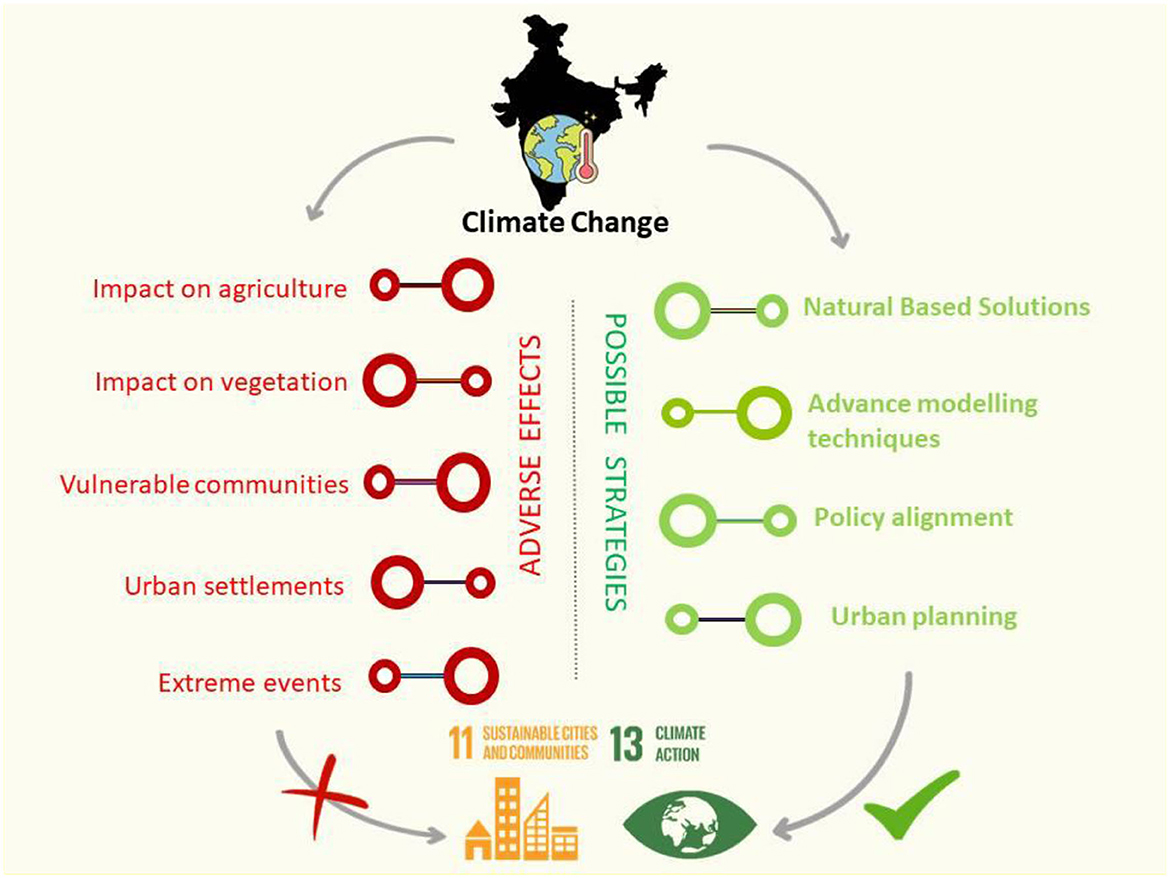
India’s climate action commitments play a crucial role in shaping global environmental policies as the nation strives to meet its Nationally Determined Contributions (NDCs) for the years 2031 to 2035. Acknowledging the support needed for developing countries, India emphasizes the necessity of climate change finance and technology transfer to realize its ambitious India climate goals for 2035. The country has made notable progress in creating carbon sink achievements, boasting an impressive addition of 2.29 billion tonnes of CO2 equivalent from 2005 to 2021. As India formalizes these commitments with the UN climate body, it highlights the importance of collaboration in climate action and the effective implementation of advanced climate action technology transfer. This proactive approach not only underlines India’s dedication to sustainable development but also reinforces its position as a pivotal player in the global fight against climate change.
The ecological strides made by India are embodied in its overarching climate responsibility, which reflects a commitment to reducing greenhouse gas emissions and fostering sustainability. Flanked by initiatives for Nationally Determined Contributions, the nation is prioritizing its climate vision towards a greener future as outlined in its roadmap for 2035. Delivering on its promises of climate change finance and a robust carbon footprint reduction plan, India continues to establish significant carbon sink achievements. Furthermore, the call for international cooperation in climate action technology transfer highlights the complexities involved in navigating these ambitious goals. By putting forth its climate action strategies, India aims to inspire not only national but global efforts in addressing the pressing challenges posed by climate change.
Understanding India’s Climate Action Commitments for 2031-35
India’s climate action commitments, formally recognized as Nationally Determined Contributions (NDCs), outline the nation’s obligations to combat climate change from 2031 to 2035. These commitments reflect India’s strategy to align with global climate targets while considering the developmental needs of its economy. The NDCs encompass a range of initiatives aimed at reducing carbon emissions, enhancing energy efficiency, and promoting renewable energy sources. Central to these commitments is a recognition that the financial and technological means to achieve these goals will not solely depend on domestic resources; international cooperation is essential.
The NDCs also highlight India’s achievements in creating a significant carbon sink, with 2.29 billion tonnes of CO2 equivalent sequestered between 2005 and 2021. This achievement underscores India’s potential to bolster its climate goals while showcasing a commitment to sustainability. However, the effectiveness of these commitments hinges on the global community’s response, particularly in providing necessary climate change finance and facilitating technology transfer that is vital for cleaner energy transitions.
The Role of Climate Change Finance in India’s NDCs
Climate change finance serves as a cornerstone for India’s climate action strategy, underpinning its Nationally Determined Contributions (NDCs) for the 2031-35 period. Without adequate funding from international partners, many of the ambitious climate targets outlined in the NDCs are deemed unattainable. This is particularly pressing for a developing nation like India, where the economic framework must balance growth with environmental sustainability. As part of its submissions, India has articulated the need for enhanced financial support to achieve its climate goals, which range from improving renewable energy capacity to promoting sustainable infrastructure development.
In addition to financing, climate action technology transfer is crucial for India to realize its potential carbon reduction outcomes. Engaging in international partnerships and technology-sharing agreements can enable India to access advanced clean technologies that contribute to its climate goals. Globally collaborative frameworks, alongside sufficient financial backing, could allow India to implement innovative solutions that enhance energy efficiency and reduce emissions, thereby strengthening its position in the global effort against climate change.
Advancements in India’s Climate Goals for 2035
India’s climate goals for 2035 articulate a vision that aligns with the global endeavor to mitigate climate change impacts. These goals encompass various parameters, including reducing the carbon intensity of GDP and expanding the use of renewable energy. Additionally, India aims to develop infrastructure that can withstand the adverse effects of climate variability. The commitment to doubling renewable energy capacity offers a clear pathway toward fostering a more sustainable energy landscape. However, to meet these ambitious targets, India must overcome several challenges, including ensuring energy access for all citizens.
The road to achieving India’s climate goals by 2035 will also necessitate significant investment in climate resilience initiatives, especially in sectors like agriculture and urban planning. Furthermore, the success of these initiatives largely hinges on India’s ability to mobilize substantial climate change finance, both from domestic sources and international support mechanisms. As India continues to showcase its successes, like the establishment of new carbon sinks, the focus remains on leveraging these achievements to attract investments that support further advancements in climate mitigation and adaptation efforts.
The Significance of Technology Transfer in Climate Action
The interconnection between technology transfer and climate action is particularly significant for India’s Nationally Determined Contributions (NDCs). As India advances its commitment to reducing greenhouse gas emissions, the transfer of clean energy technologies becomes paramount. These technologies enhance the efficiency of existing infrastructure and facilitate the transition towards a low-carbon economy. By embracing innovative solutions, such as solar energy and electric mobility, India can address its climate challenges while fostering economic growth and job creation.
Moreover, technology transfer can also play a critical role in building local capacities to deploy sustainable practices across various sectors. This not only supports India’s efforts in meeting its NDCs but also helps in achieving broader sustainability goals. The importance of establishing a framework for effective technology transfer cannot be overstated; it is essential for ensuring that the benefits of advancements in climate action technology are accessible to all stakeholders, particularly in developing regions that may lack the resources to leverage such innovations.
India’s Carbon Sink Achievements and Future Aspirations
The creation of carbon sinks is a vital component of India’s climate action strategy, showcasing significant progress in addressing greenhouse gas emissions. India’s documented achievement of developing an additional 2.29 billion tonnes of CO2 equivalent carbon sinks from 2005 to 2021 highlights the effectiveness of ecosystem management and sustainable forestry practices. These initiatives not only contribute to carbon sequestration but also enhance biodiversity and improve air quality, thus creating a more resilient environment.
Looking ahead, India’s aspirations to expand these carbon sinks are tied to its broader climate goals and the successful implementation of Nationally Determined Contributions (NDCs). To maintain this trajectory, India will require ongoing investment in afforestation efforts and sustainable land management practices. Collaborations with international partners and the adoption of advanced agricultural practices will play a critical role in further enhancing carbon sink capacities, thereby contributing to global climate objectives and reinforcing India’s dedication to sustainable development.
Global Collaboration in India’s Climate Initiatives
The importance of global collaboration cannot be overstated when it comes to addressing climate change. India’s climate action commitments under the Nationally Determined Contributions (NDCs) are designed to work alongside international efforts to combat environmental degradation. As India formulates its climate objectives for 2031-35, the emphasis is placed on partnerships that facilitate climate change finance and technology transfer. Engaging with other nations not only provides avenues for financial assistance but also fosters shared learning and innovation across borders.
By actively participating in global initiatives, India can position itself as a leader in sustainable practices while benefiting from shared technologies and resources. Collaborative efforts can enhance the deployment of climate action technologies, making substantial headway towards India’s climate goals. This multifaceted approach embodies a commitment to not only advancing India’s own sustainability targets but also contributing to the wider global mission to mitigate climate change effectively.
Innovative Practices in Achieving India’s Climate Goals
Adopting innovative practices is fundamental to India’s strategy in achieving its climate goals as outlined in the Nationally Determined Contributions (NDCs). The collaboration between government, private sector, and local communities is crucial for exploring and implementing green technologies that optimize resource use. Programmatic interventions like clean energy initiatives, sustainable urban development, and waste management systems are being employed to accelerate transitions toward a low-carbon future.
In addition, addressing challenges such as reliance on fossil fuels requires innovative solutions, including investments in renewable energy projects and energy efficiency programs. By pivoting toward circular economy approaches and smart city developments, India is laying a foundation for sustainable growth that aligns with its commitments in reducing carbon emissions for 2031-35. The incorporation of these innovative practices will be essential not only for meeting NDC targets but also for inspiring other nations to take similar approaches in their climate agendas.
India’s Renewable Energy Expansion Plans
A pivotal aspect of India’s climate action commitments is its ambitious plan for expanding renewable energy capacity. As part of its Nationally Determined Contributions, India has set forth a target to reach 500 GW of renewable energy by 2030, encompassing sources such as solar, wind, and biomass. This expansive push toward clean energy generation not only aims to reduce reliance on fossil fuels but also to enhance energy security across the nation. By investing in large-scale renewable projects, India is making strides to balance economic growth with sustainable environmental practices.
The shift towards renewable energy is not merely an environmental necessity; it is also an economic opportunity. Developing a robust renewables sector can create millions of jobs, drive technological advancements, and lay the groundwork for a more resilient economy. By prioritizing these initiatives and leveraging community involvement, India aims to fulfill its climate commitments while fostering social equity and economic development, underlining that climate action is indeed compatible with achieving national growth objectives.
Challenges and Opportunities in Climate Action
Despite significant progress in climate action commitments, India faces numerous challenges that could impede the achievement of its Nationally Determined Contributions. Issues such as inadequate financial resources, technological gaps, and ensuring stakeholder engagement are central to these challenges. Additionally, the need for climate-resilient infrastructure in a country that is highly susceptible to climate variability poses a daunting task for policymakers. Addressing these barriers effectively requires comprehensive strategies that combine international support with strong domestic governance.
However, these challenges also present opportunities for innovation and leadership in sustainable practices. By leveraging international partnerships for technology transfer and climate change finance, India can not only meet its NDCs but can set examples in climate resilience that other developing nations may follow. Engaging local communities in sustainability initiatives can foster a grassroots movement that amplifies India’s impact, thereby transforming challenges into pathways for accelerated climate action.
Frequently Asked Questions
What are India’s Nationally Determined Contributions (NDCs) for climate action?
India’s Nationally Determined Contributions (NDCs) outline the country’s climate action commitments for the period of 2031-35. These commitments focus on reducing greenhouse gas emissions, enhancing carbon sinks, and promoting sustainable development. India emphasizes the necessity for adequate financial support and technology transfer from developed nations to achieve these goals, highlighting its dedication to addressing climate change while acknowledging the challenges faced by developing countries.
| Key Point | Details |
|---|---|
| NDC Approval | India’s Union cabinet approved the climate action goals (NDCs) for 2031-35. |
| Formal Submission | India has submitted its climate commitments to the UN climate body. |
| Conditions for Commitment | Developing countries’ commitments cannot be fully met without support in finance and technology transfer. |
| Achievement of Goals | India is on track to fulfill its commitments through domestic finance. |
| Carbon Sink Contribution | An additional carbon sink of 2.29 billion tonnes of CO2 equivalent was created from 2005 to 2021. |
Summary
India’s climate action commitments are a pivotal focus as the nation takes bold steps in addressing climate change. Following the recent approval of its Nationally Determined Contributions (NDCs) for 2031-35, India has formally communicated these goals to the United Nations. Highlighting the necessity for international support, India acknowledges that the ambitions of developing nations like itself hinge on adequate financing and technology transfers. Despite challenges, India’s determination is evident as it continues to fulfill its existing commitments and has successfully created significant carbon sinks, showcasing its commitment to reduce greenhouse gas emissions.