

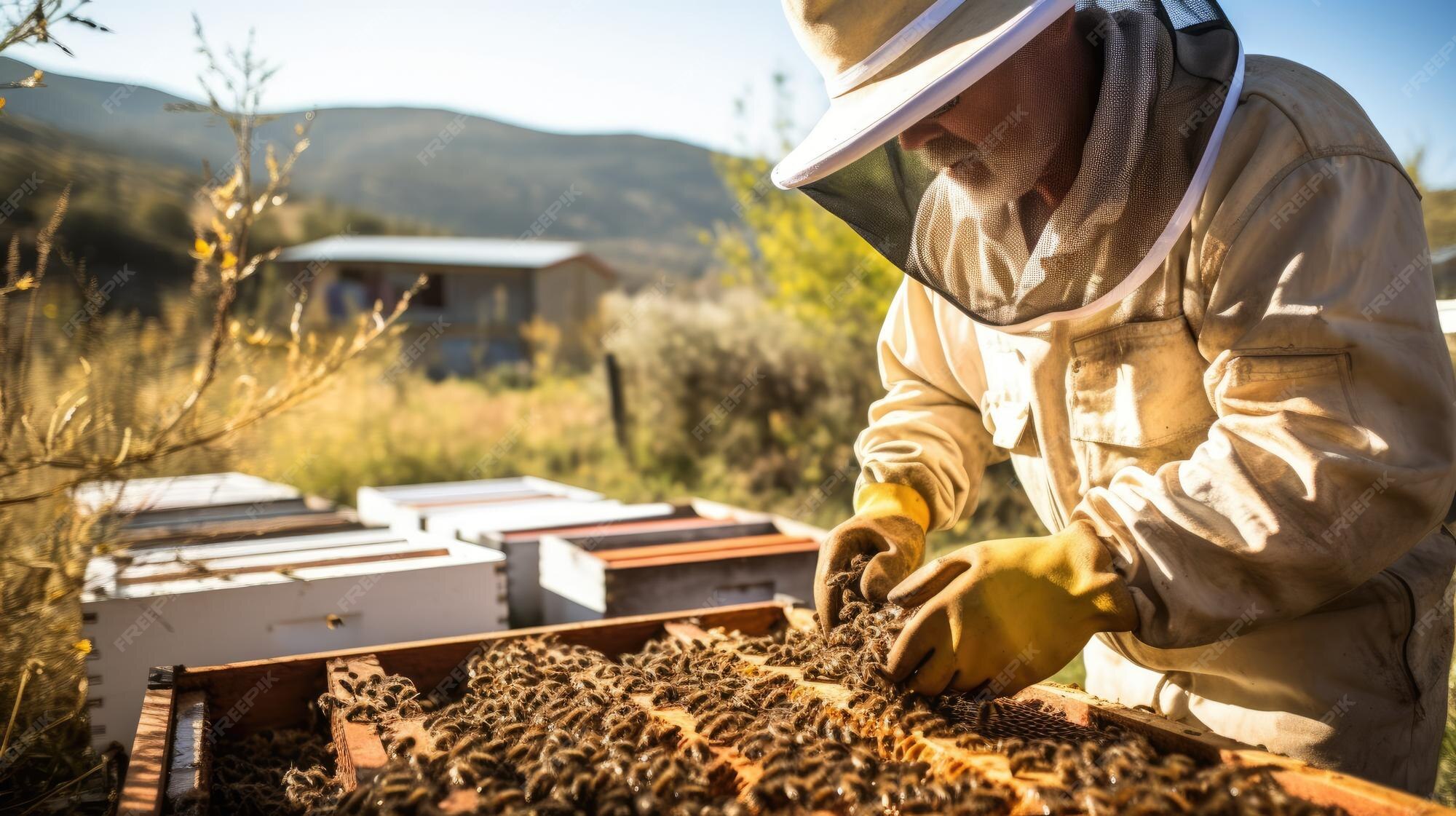
Dealing with bees can often spark panic, but understanding their behavior is essential for proper management. Rather than reaching for pest control sprays at the first sign of buzzing near your home, take a moment to assess the situation and engage in bee identification. Familiarizing yourself with honey bee safety and the differences between wasps and bees can ease your anxiety and help in home bee prevention. Most bees are simply partaking in their daily activities, and only a few species pose a threat to humans. By learning how to interpret their behaviors and intentions, you can create a safer coexistence that benefits both you and these vital pollinators.
When it comes to managing stinging insects, one must grasp the nuances of how to interact with these buzzing creatures. Addressing the presence of flying insects like bees or wasps requires a calm and knowledgeable approach. Gaining insight into their habits, and being aware of effective home prevention measures, are key to ensuring safety for everyone involved. Instead of viewing these insects as adversaries, viewing them through the lens of appreciation can foster a safer environment. Thus, exploring the realm of bee behavior and informed decision-making can transform a scary situation into a learning opportunity.
Understanding Bee Behavior
Many people mistakenly view all buzzing insects as threats, but understanding bee behavior is crucial in distinguishing between helpful pollinators and potential annoyances. Bees generally exhibit calm behavior unless provoked; they’re primarily focused on foraging for nectar and pollen. For instance, honey bees are social creatures that include worker bees, drones, and a queen bee, each with specific roles. This organization within the hive leads to a coordinated effort without excessive aggression, allowing homeowners to feel more at ease if they see bees gathering in their gardens.
Another important aspect of understanding bee behavior is recognizing foraging patterns. Honey bees are attracted to flowering plants, and if your garden is flourishing with blossoms, they are likely just doing their job. Additionally, ground-nesting bees, such as mason bees, will approach bare soil to create nests, and understanding this behavior can help you decide whether you should let them coexist or take precautionary measures. Knowing how bees interact with their environment is critical for effective bee identification and helps in making informed decisions about home bee prevention.
Dealing with Bees Safely
When faced with the presence of bees near your home, it is vital to know how to deal with them safely. The instinctive reaction to swat or spray can often exacerbate the situation, leading to defensive behavior from the bees. Instead, approach the situation with calmness and observation. If they are merely passing through or foraging without showing aggression, give them space and let them go about their business. Understanding what’s happening around you can help you mitigate unnecessary panic and allow bees to thrive.
It’s also crucial to implement honey bee safety measures if you must interact with them or remove their presence. Use natural repellent strategies rather than chemical sprays that can harm beneficial insects. If bees are nesting in places that pose risks or are too close to daily human activities, consider contacting a professional beekeeper or pest control service specializing in bee relocation. This not only ensures human safety but also preserves bee populations, which are essential for our ecosystem.
Wasp and Bee Differences You Need to Know
Understanding the differences between wasps and bees is essential for anyone who occasionally encounters these buzzing creatures. While both can share similar environments and sometimes exhibit aggressive behavior when threatened, their physical characteristics and behavior diverge significantly. Bees are generally more robust and hairy, adapted for pollen collection, while wasps tend to have slender bodies and are often brighter in color. Recognizing these traits can help you avoid unnecessary fear; for example, while bees harvest nectar and pollinate plants, many wasps are predators that can pose more of a threat to people.
In addition to physical distinctions, their nesting habits differ as well. Bees typically create nests in hidden spots like tree hollows or in man-made spaces such as eaves, whereas wasps often build exposed nests in trees, under eaves, or in outdoor structures. This knowledge is vital, especially in maintaining an environment that discourages wasps while allowing beneficial bees to flourish. By understanding these differences, homeowners can make informed decisions regarding pest control and bee conservation.
Home Bee Prevention Tips
If you are looking to prevent bees from becoming an unwelcome presence in your home, several proactive steps can help deter them. The first key strategy is to eliminate attractants from your environment, such as spilled sugary substances or fallen fruits from trees. Regularly cleaning outdoor areas and ensuring that trash bins are sealed can also reduce the likelihood of attracting this busy pollinator. By keeping your space tidy, you minimize the chances of bees viewing your property as an appealing foraging area.
Another effective prevention tip is to inspect and repair potential nesting sites around your home. Bees are often attracted to.structural gaps or holes in siding, so sealing these areas can be an easy first step in protecting your living space. Additionally, addressing landscaping concerns—such as patchy or overly lush lawn areas—can minimize ground nesting options for solitary bees. Taking these preventative measures promotes both home safety and the well-being of local bee populations.
Signs of a Bee Problem
Recognizing the signs of a bee problem can save you time and potential hazards in your home. One of the most apparent indicators is the sudden appearance of numerous bees frequenting one area, especially if they are hovering near gaps in your siding or along the roofline. Observing consistent flight paths that lead to a specific spot often points to a nest, and it’s crucial to act promptly before their numbers swell. Ignoring these signs can lead to increased bee activity, making future removal more challenging.
In addition to swarming, consistently hearing buzzing noises or observing bees entering and exiting areas repeatedly can confirm that you have a colony nearby. A sudden increase in these occurrences may indicate that the bees are establishing their residence, which could lead to greater frustrations down the line. Keeping an ear out for these signs, along with occasional visual inspections of your property, can create a proactive approach to managing any bee issues before they escalate.
Eco-Friendly Alternatives to Bee Control
Instead of resorting to harmful pesticides when addressing bee issues, consider eco-friendly alternatives that respect the vital role of bees in our ecosystems. Natural repellents such as peppermint essential oil can deter bees without causing harm, creating a sanctuary for both your family and the pollinators. Additionally, moving or relocating any nests can be best handled through engaging local beekeepers or pest experts who value conservation and can safely relocate bees away from your home without extermination.
Utilizing physical barriers is another effective eco-friendly strategy for bee control. Installing screens on windows and doors can help keep bees out while allowing fresh air to circulate. Creating designated outdoor dining areas with netting can protect against unwanted buzzing guests during meals. These non-lethal approaches not only promote your safety but also prioritize protecting our crucial bee populations, ensuring that they continue to contribute to the wellness of our environment.
The Importance of Bees in Our Ecosystem
Bees play an incredibly critical role in maintaining the balance of our ecosystems. As some of the best pollinators, they contribute significantly to the reproductive processes of a vast number of flowers, plants, and crops. More than one-third of the food we consume relies on their pollination journey. From fruits and vegetables to nuts and seeds, understanding the importance of bees connects us deeply to our food sources and the natural world, urging a collective responsibility to protect their habitats.
Furthermore, the decline of bee populations poses a significant threat not just to food availability but also to biodiversity. Many species of plants depend solely on bees for reproduction, and without them, entire ecosystems could suffer. Raising awareness about bee conservation is a crucial step in ensuring the health of our environment and future generations, highlighting the need for sustainable gardening practices and habitat protection. Through education and proactive measures, we can support these vital insect allies and foster a more harmonious relationship with nature.
How Bees Benefit Your Garden
Having bees frequent your garden can be a tremendous advantage for plant health and fruit production. As bees move from flower to flower collecting nectar and pollen, they inadvertently transfer pollen, facilitating fertilization and leading to the growth of fruits and seeds. This natural process enhances the yield of your plants, not just flowers, but also veggies like tomatoes, cucumbers, and berries, ultimately resulting in a more bountiful harvest. Understanding this symbiotic relationship emphasizes the importance of providing a bee-friendly environment.
To encourage bees in your garden, planting native flowers is key, as they draw the bees’ attention and provide the necessary resources to thrive. Avoiding chemical pesticides and opting for organic solutions can also sustain a healthy habitat for these essential workers. When bees thrive in your garden, they set off a positive chain reaction that benefits the plant ecosystem and creates a vibrant outdoor space, showcasing the beauty of nature’s balance and the vital role bees play in it.
Bee Conservation: Why It Matters
Bee conservation is more important now than ever due to the alarming decline in bee populations globally. Factors such as habitat loss, pesticide usage, and climate change are placing immense stress on these essential pollinators. Protecting and preserving bees is not only crucial for maintaining biodiversity but also for supporting agricultural practices and food security. By recognizing the significance of bee conservation, we can take targeted steps to create habitats that support their survival and enhance the health of our ecosystems.
Moreover, engaging in local conservation efforts can amplify the impact of individual actions. Establishing community gardens, participating in native planting initiatives, and spreading awareness of safe bee practices are all ways to contribute towards a healthier planet. Encouraging others to join in the fight for bees ensures collective action toward preserving these vital species. Supporting bee conservation efforts is a commitment to nurturing our environment and upholding the interconnectedness of life on Earth.
Frequently Asked Questions
How can I improve my home bee prevention strategies?
To enhance home bee prevention, start by cleaning up fallen fruits from trees and managing flower beds to minimize their attraction. Seal gaps and cracks around your home’s exterior and remove any standing water, as this can make your property less appealing to bees. Regularly maintaining your yard and monitoring bee activity will also help you deal with bees effectively without resorting to harmful measures.
| Key Points | Details |
|---|---|
| Not every buzz is a threat | Most bees are harmless and are simply going about their business. |
| Understanding bee behavior | Identifying the type of bees and their activity is crucial before taking action. |
| Avoid rash actions | Panicking and reacting impulsively can lead to unnecessary stress and costs. |
| Home modifications | Clear fallen fruit and fill bare spots in the lawn to deter bees. |
| Be aware of swarming | Swarming bees typically leave within 24 hours and pose little threat. |
| Let them be | Most bees prefer to be left undisturbed. |
Summary
Dealing with bees can often be a misunderstood endeavor, as many people fear these vital pollinators due to their buzzing presence. However, recognizing that not every buzz signifies a threat is the first step toward understanding these creatures. Bees, in their natural behavior, usually harbor no intent to cause harm; they are often just focused on their daily tasks. By familiarizing yourself with their behaviors and taking simple preventive measures—like cleaning up fallen fruit and filling in bare patches in your lawn—you can effectively reduce their attraction to your property. Ultimately, the key to successfully dealing with bees lies in knowledge and patience, allowing us to coexist with these essential insects harmoniously.



























