

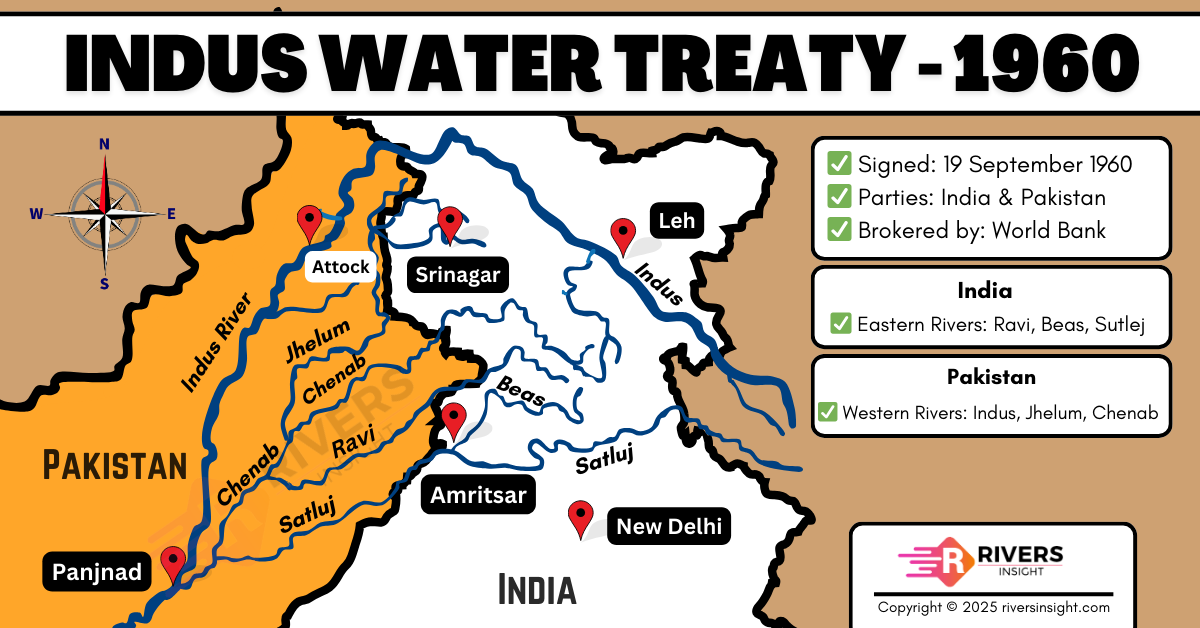
The Indus Water Treaty, established in 1960, stands as a historic agreement between India and Pakistan regarding the sharing of river waters in the Indus basin. This treaty has been instrumental in defining how both countries manage their water resources, amidst ongoing tensions and conflicts over water sovereignty. However, Indus Water Treaty disputes have frequently arisen, leading to significant discussions surrounding Pakistani water resources and the management challenges posed by climate change. As India and Pakistan navigate their water issues, questions of treaty exploitation and the efficacy of existing dispute resolution mechanisms remain pertinent. Understanding the complexities of the Indus Water Treaty is essential for grasping the broader implications of water management in South Asia and fostering sustainable cooperation between these two nations.
The Indus Water Treaty, a crucial framework for resolving water resource allocation between India and Pakistan, plays a vital role in addressing transboundary river disputes. Often referred to as a landmark water-sharing agreement, it has established guidelines for the use of the Indus and its tributaries, but has also witnessed a host of challenges and disagreements. Terms like water treaty exploitation and intergovernmental conflict over riparian rights highlight the intricate dynamics at play. Both nations continue to grapple with the complexities of managing shared water resources, leading to ongoing tension related to equitable distribution and sustainable practices. By exploring alternative mechanisms for dispute resolution in water treaties, stakeholders can pave the way for a more cooperative approach to managing this precious resource.
The Indus Water Treaty: A Historical Perspective
The Indus Water Treaty, signed in 1960 between India and Pakistan, was designed to allocate the waters of the Indus River system to the two countries, thus facilitating a cooperative approach to water resource management. This agreement governs the use of waters from the Indus River and its tributaries, aiming to mitigate water disputes between the two nations. Despite its intent, the treaty has become a source of contention, with ongoing disputes regarding water allocation and usage, which directly impacts Pakistani water resources.
Over the years, the treaty has faced challenges as Pakistan alleges that India has exploited the provisions of the Indus Water Treaty for its own benefit. The complexities surrounding the treaty often arise from differing interpretations of its terms, leading to accusations of water treaty exploitation from both sides. This makes the historical context of the treaty relevant in addressing the ongoing India-Pakistan water issues, demanding a thorough examination of past agreements and their implications for current water resource management.
Current Struggles: The Role of Dispute Resolution in Water Treaties
Dispute resolution mechanisms established within water treaties like the Indus Water Treaty are crucial for addressing and mitigating conflicts between transboundary water users. However, in practice, these mechanisms can be manipulated, as seen in the case of Pakistan, which has strategically used these provisions to delay crucial development projects instead of genuinely focusing on effective dispute resolution. This behavior highlights the need for a more transparent and accountable approach to dispute resolution in water treaties and reinforces the notion that such mechanisms may be exploited rather than serving their intended purpose.
Moreover, the ongoing disputes over water allocation have prompted calls for reform in how these treaties address conflict resolution and resource sharing. With water scarcity becoming an increasingly pressing issue, the efficiency and effectiveness of the dispute resolution process are essential in restoring trust between India and Pakistan. Revising the Indus Water Treaty, or establishing supplementary agreements, could pave the way for cooperative management of water resources while ensuring equitable access and alleviating the ongoing strains reflected in the India-Pakistan water issues.
Impact of Water Treaty Exploitation on Regional Politics
The exploitation of water treaties, particularly the Indus Water Treaty, has significant implications for regional politics in South Asia. As Pakistan accuses India of withholding water, the political ramifications can escalate, leading to heightened tensions between the two nuclear-armed nations. This not only affects diplomatic relations but also sparks nationalistic sentiments within both countries, complicating peaceful negotiations. The continuous struggle over Pakistani water resources intensifies the need for constructive dialogue and a commitment to fair treaty adherence.
Furthermore, the intersection of water issues with political agendas can lead to a cycle of blame and retaliation that undermines long-term strategies for managing water resources. As both nations navigate the complexities of their historical rivalry and environmental concerns, addressing the impact of water treaty exploitation becomes paramount for sustainable development in the region. Establishing confidence-building measures and inclusive discussions can create a pathway toward resolving these disputes while fostering economic cooperation and stability.
Long-term Consequences of Indus Water Treaty Disputes
The long-term consequences of unresolved disputes under the Indus Water Treaty can have far-reaching implications for both India and Pakistan. As climate change leads to increasingly unpredictable weather patterns, the stresses on water resources will only exacerbate existing tensions. Failure to address these disputes may create a volatile environment where both countries could find themselves in conflicts that extend beyond water issues, affecting trade, security, and regional stability.
Moreover, the social and economic impact on local populations should not be overlooked. Communities dependent on adequate water supply for agriculture and daily living face dire consequences due to politicized water management. This situation creates a ripple effect of poverty and discontent among affected populations, which can in turn fuel further disputes. Long-term strategic planning and collaboration between India and Pakistan are essential to ensure that both nations can mitigate these potential disasters while promoting sustainable development and peace in the region.
Fostering Cooperation Through Effective Water Resource Management
To address the persistent challenges posed by the Indus Water Treaty and its disputes, fostering cooperation between India and Pakistan is imperative. Establishing joint water management projects and mechanisms for sharing data about resource availability can lead to more effective solutions. Engaging stakeholders from both countries, including government agencies, NGOs, and local communities, can enhance mutual understanding and create a collaborative framework for resource management.
Moreover, implementing joint initiatives focused on conservation and sustainable use of water can help bridge the trust deficit. These projects could revolve around revitalizing river ecosystems, enhancing irrigation efficiency, and investing in water-saving technologies. By prioritizing cooperative strategies, both nations can work towards changing the narrative from one of conflict to one of shared responsibility and joint benefits, laying a stronger foundation for future generations.
Building Trust: The Road to Sustainable Water Governance
Trust building between India and Pakistan is essential for sustainable water governance under the Indus Water Treaty. Initiatives focused on transparent communication and collaborative decision-making can significantly reduce misunderstandings regarding water allocation. By establishing an independent monitoring body to oversee treaty compliance and mediating disputes, both nations can foster an environment conducive to dialogue and cooperation.
Additionally, educational programs that enhance awareness of water management issues and the importance of the treaty can help engage broader communities. Promoting cross-border interactions among policymakers, researchers, and citizens can dismantle the barriers often erected by political rhetoric. Such grassroots efforts contribute to a more informed and connected populace, which is crucial for establishing a robust framework for sustainable water governance.
The Future: Lessons from the Indus Water Treaty Disputes
As the world faces escalating water scarcity challenges, reflecting on the lessons from the Indus Water Treaty, particularly in addressing disputes, becomes increasingly important. The historical context of these disputes offers insights into how misunderstandings can evolve and escalate, showcasing the need for proactive measures. Investing in joint water governance structures could ensure that similar issues are handled constructively rather than through prolonged conflict.
Additionally, it may be essential to reevaluate the treaty’s mechanisms to better address modern challenges presented by climate change and growing populations. Understanding the dynamics of water scarcity will drive innovation in dispute resolution while promoting adaptive practices that incorporate ecological sustainability. By learning from the past, both India and Pakistan can work together towards a future of cooperative and equitable water management solutions.
Regional Collaborations: The Role of Third Parties in Mediation
Regional collaborations that involve third-party mediators can play a pivotal role in alleviating the water disputes fueled by the Indus Water Treaty. International organizations and neutral states can offer valuable expertise and mediation services, fostering dialogue between India and Pakistan. This type of collaboration lends legitimacy to the resolution process and can help both countries approach negotiations from a less adversarial stance.
Moreover, the involvement of third parties can facilitate knowledge sharing, enabling both nations to access best practices in transboundary water management. Workshops, conferences, and collaborative research initiatives can uncover innovative solutions to longstanding issues. Encouraging multi-stakeholder platforms for discussion fosters a sense of community, as countries work collectively towards equitable water sharing and sustainable practices, ultimately strengthening ties in a historically fraught relationship.
Innovative Approaches to Water Management in South Asia
Innovative approaches to water management are crucial in the context of the Indus Water Treaty and the disputes surrounding it. The adoption of integrated water resource management (IWRM) concepts can provide a holistic framework for tackling water issues while accommodating both India’s and Pakistan’s needs. This approach would involve the collaboration of various stakeholders, from local communities to government agencies, to ensure sustainable use of shared water resources.
Furthermore, the implementation of technology-driven solutions, such as satellite monitoring for real-time data on water availability and usage, could enhance transparency in water management practices. Such innovations can foster trust and cooperation between countries, enabling vital conversations around the equitable distribution of waterways. By embracing forward-thinking strategies, both nations can navigate their water issues while safeguarding their respective water resources for future generations.
Frequently Asked Questions
What are the main disputes related to the Indus Water Treaty between India and Pakistan?
The Indus Water Treaty governs the uses of river waters for India and Pakistan. Disputes arise from Pakistan’s claims of violations concerning water allocation and use stemming from Indian projects. Common issues include construction on the Eastern rivers, which are allocated to India, and the potential impacts on Pakistani water resources. This has led to ongoing tensions regarding dispute resolution in water treaties.
| Key Point | Description |
|---|---|
| Indus Water Treaty | An agreement between India and Pakistan regarding the management of waters from the Indus River and its tributaries. |
| Dispute Resolution Provisions | Pakistan has often used the treaty’s provisions to strategically delay projects instead of genuinely resolving disputes. |
| Development Obstruction | The consistent use of dispute mechanisms has hindered development projects in the region. |
| Need for Reevaluation | There is a growing call for a reevaluation of the treaty in light of these ongoing issues and strategic exploitation. |
Summary
The Indus Water Treaty is a pivotal agreement that has shaped the water sharing dynamics between India and Pakistan. Despite its intention to foster cooperation, the treaty has come under scrutiny due to Pakistan’s utilization of its dispute resolution mechanisms as a means of obstruction rather than resolution. This strategic hindrance has stalled vital development initiatives, raising concerns over sustainable water management in the region. As the complexities surrounding the Indus Water Treaty continue to unfold, there is an urgent need for a comprehensive reassessment to address these persistent challenges and ensure equitable water distribution.



























