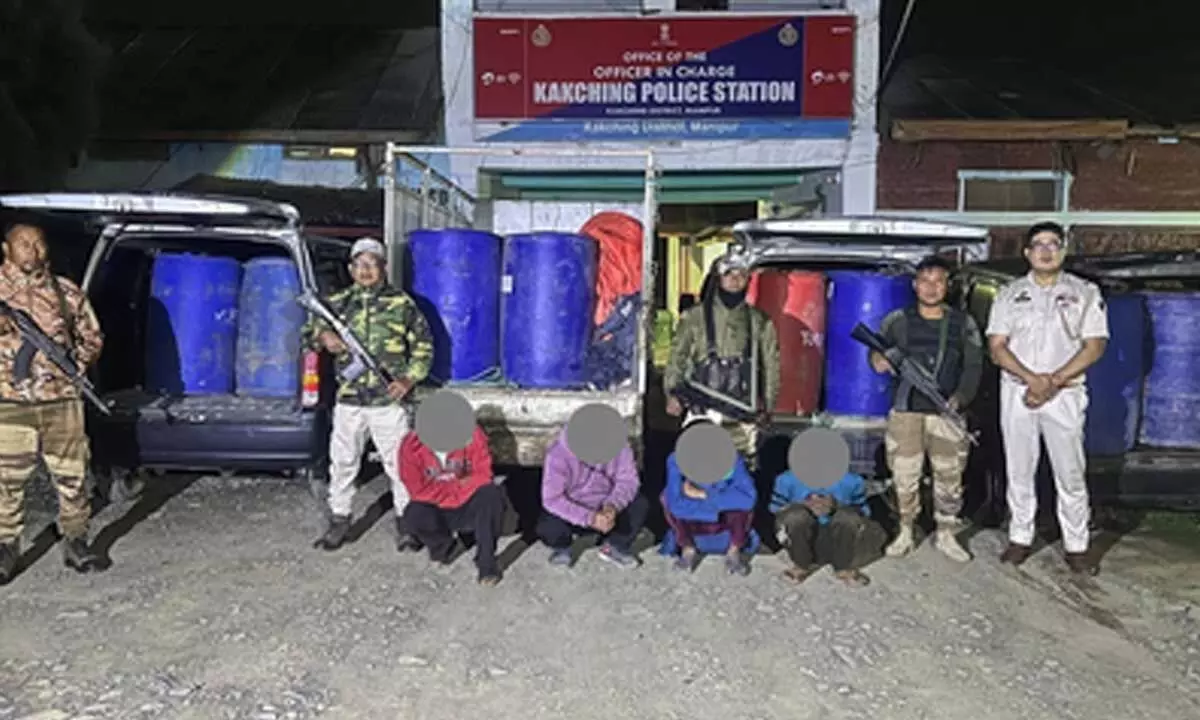
A Myanmar national was arrested during a significant anti-drug operation along the Indo-Myanmar border in Arunachal Pradesh’s Changlang district on May 7. This operation, conducted by a coordinated team of Nampong Police and the Special Task Force (STF), was prompted by critical intelligence concerning illicit cross-border movements and narcotics trafficking. Authorities apprehended Laho Kaita Kaisan, a 40-year-old man suspected of smuggling opium into Indian territory. During the search, officers discovered approximately 420.5 grams of suspected opium and Rs 1 lakh in cash, shedding light on the ongoing drug operations in the region. With heightened surveillance efforts along the border, officials are increasingly concerned about the rise in drug smuggling activities fueled by organized crime syndicates that threaten both local and national security.
In a recent crackdown on drug-related crimes, law enforcement agencies have intensified their focus on arresting individuals involved in the narcotics trade, particularly along the Indo-Myanmar border. The arrest of a suspect, identified as a national from Myanmar, underscores the ongoing challenges faced by authorities in combating drug operations in this strategic area. With concerns mounting over illicit drug trafficking and the potential links to larger criminal networks, officials are take significant steps to enhance surveillance and enforcement measures. The operation highlights the complexities of tackling cross-border drug smuggling, which often involves intricate arrangements between local and international players. As efforts to disrupt narcotic flows continue, the ramifications for regional security and public health are becoming increasingly clear.
Myanmar National Arrested in Opium Smuggling Case
On May 7, a significant joint anti-drug operation took place along the Indo-Myanmar border in Arunachal Pradesh’s Changlang district, resulting in the arrest of a Myanmar national identified as Laho Kaita Kaisan. The operation, a collaborative effort by the local Nampong Police and the Special Task Force (STF), was initiated following intelligence reports indicating illegal narcotics trafficking and unauthorized cross-border activities. During this operation, officials recovered approximately 420.5 grams of suspected opium and cash amounting to Rs 1 lakh, highlighting the extent of drug operations that have plagued this sensitive region.
The arrest of Laho Kaita Kaisan raises critical concerns regarding the ongoing battle against drug trafficking in this area, often depicted as a notorious hotspot for opium smuggling. Authorities are now examining potential links between Kaisan and larger narcotics networks operating in and around the Indo-Myanmar border. With intensified surveillance measures being implemented, law enforcement aims to deter future narcotics trafficking attempts that threaten both local communities and national security.
Increasing Surveillance Amid Rising Narcotics Trafficking
The Indo-Myanmar border has become increasingly notorious for narcotics trafficking, prompting authorities to bolster their surveillance efforts significantly. This enhanced monitoring is a strategic response to the growing concerns over illicit drug trade, particularly opium smuggling, which has surged in recent years due to the relative ease of movement across this porous border. Law enforcement agencies are utilizing advanced tactics and technologies to track suspicious activities, aiming to dismantle organized drug operations that exploit vulnerabilities in security.
The recent arrest during the operation not only underscores the challenges faced by authorities in curbing drug trafficking but also emphasizes the necessity for a cooperative approach in combating these cross-border crimes. Local and regional law enforcement agencies are expected to collaborate more closely to address the complexities of narcotics networks. By pooling resources and intelligence, they hope to disrupt the supply chains that feed the drug epidemic affecting communities in Changlang district and beyond.
Impact of Cross-Border Drug Operations on Local Communities
The repercussions of cross-border drug operations, particularly opium smuggling, have far-reaching effects on local communities in regions like Changlang district. Recruitment by narcotics traffickers often targets vulnerable populations, leading to increased crime rates, substance abuse, and the deterioration of social fabrics. The presence of illegal narcotics not only impacts health and safety but also strains local law enforcement resources, which are already challenged to maintain peace and security.
Moreover, as authorities step up their efforts to combat narcotics trafficking, communities often find themselves caught in the crossfire of law enforcement operations. While operations like the recent arrest of the Myanmar national are critical to reducing the drug trade, it is essential to balance enforcement with community engagement initiatives. Educating locals about the dangers of narcotics and fostering resilience against trafficking offers a more sustainable approach to prevention and recovery.
Joint Task Force Operations: Strategies Against Drug Trafficking
The collaboration between the Nampong Police and the Special Task Force (STF) exemplifies the effective strategies being implemented to combat drug trafficking across the Indo-Myanmar border. Such joint operations are crucial in pooling resources, expertise, and intelligence to tackle complex narcotics networks. By sharing information and cooperating in raids, law enforcement can ensure a more robust response to the challenges posed by opium smuggling and related crimes.
These collaborative efforts also signify a shift towards a more proactive stance on narcotics trafficking. Authorities are not only reacting to incidents but actively seeking out, intercepting, and dismantling drug operations before they can escalate. Through rigorous surveillance and community cooperation, these teams aim to create a deterrent against drug trafficking, thereby enhancing the security and stability of Changlang district and surrounding areas.
Legal Implications of Drug Trafficking Arrests
The arrest of Laho Kaita Kaisan marks significant legal implications under the Narcotic Drugs and Psychotropic Substances (NDPS) Act, among other laws. His apprehension serves to demonstrate the judicial system’s commitment to tackling drug trafficking and underscores the serious nature of these offenses. Authorities have filed a case that includes charges under relevant sections of the Immigration Act and the Foreigners Act, indicating that this incident will be pursued vigorously through legal avenues.
Legal frameworks such as the NDPS Act provide law enforcement with the necessary tools to prosecute those involved in narcotics trafficking. These laws are designed to impose stringent penalties and serve as a deterrent to potential traffickers. The ongoing investigation into the case not only aims to hold the arrested individual accountable but also seeks to unravel the broader networks that facilitate drug smuggling across borders, thus reinforcing the integrity of both national laws and community health.
The Role of Intelligence in Drug Enforcement Operations
Intelligence plays a pivotal role in the success of drug enforcement operations, as reflected in the recent arrest of Laho Kaita Kaisan. Accurate and timely intelligence allows law enforcement agencies to target specific individuals and locations involved in opium smuggling and narcotics trafficking. In this case, actionable insights regarding Kaisan’s intentions and movements were instrumental in preempting his illegal activities along the Indo-Myanmar border.
Developing effective channels for intelligence sharing between local authorities and national agencies enhances the ability to combat cross-border narcotics operations. The use of informants, surveillance technology, and community reports can significantly contribute to a more informed approach to drug enforcement. By fostering a culture of information sharing and collaboration, authorities can stay ahead of traffickers who continuously adapt their methods to evade law enforcement efforts.
Challenges of Combating Opium Smuggling in Changlang District
The ongoing issue of opium smuggling in Changlang district presents numerous challenges for law enforcement agencies. Geographical factors, such as rugged terrain and dense forests, make it difficult to monitor and patrol border areas effectively. Furthermore, the sophisticated methods employed by traffickers, including the use of concealed routes and local knowledge, complicate enforcement efforts. These challenges necessitate innovative strategies and resources to be employed by authorities.
Moreover, the socio-economic conditions in border areas often make residents susceptible to involvement in drug trafficking. Limited employment opportunities and socio-political instability can create an environment conducive to narcotics operations. Addressing these underlying issues is paramount for long-term solutions to the drug problem. Thus, law enforcement must work alongside community development initiatives to counteract these socioeconomic challenges and reduce the prevalence of opium smuggling.
Community Response to Drug Trafficking Initiatives
Community involvement is essential in the fight against drug trafficking, particularly in areas like Changlang district where awareness of the dangers associated with narcotics is crucial. Following the recent arrest of a Myanmar national for opium smuggling, local communities are encouraged to partake in educational programs that inform residents about the impacts of drug abuse and trafficking. By fostering a culture of awareness, communities can become proactive in reporting suspicious activities to law enforcement.
Moreover, collaboration between law enforcement and community organizations can lead to effective outreach programs that address the root causes of drug smuggling. Initiatives could include workshops that offer alternatives to illicit drug trade, such as vocational training and awareness campaigns. By empowering communities and providing constructive avenues for social engagement, the cycle of drug trafficking can be disrupted, creating a healthier environment for future generations.
The Future of Narcotic Surveillance Along the Indo-Myanmar Border
As the drug landscape continuously evolves along the Indo-Myanmar border, authorities must adapt their tactics and technologies to adequately counter narcotics trafficking. Employing advanced surveillance techniques, such as drones and satellite imagery, can enhance monitoring capabilities and facilitate quick deployments during suspected drug operations. Continued investment in these technologies will be necessary to maintain a competitive edge in the ongoing battle against opium smuggling and related crimes.
Looking ahead, it is crucial for both India and Myanmar to engage in cooperative efforts that encourage collaboration on drug enforcement policies. Sharing intelligence and best practices across borders can lead to more effective strategies to dismantle trafficking networks that operate in stealth. By fostering international relationships focused on narcotics control, both nations can work towards a safer and drug-free future for their communities.
Frequently Asked Questions
What led to the arrest of a Myanmar national along the Indo-Myanmar border?
A Myanmar national was arrested on May 7 during a joint anti-drug operation by Nampong Police and the Special Task Force (STF) along the Indo-Myanmar border in Changlang district. The operation was prompted by specific intelligence regarding the illegal cross-border movement and suspected narcotics trafficking, resulting in the arrest of Laho Kaita Kaisan, who was found with approximately 420.5 grams of suspected opium and Rs 1 lakh in cash.
| Date | Location | Arrested Individual | Items Recovered | Operation Conducted By | Legal Actions Taken |
|---|---|---|---|---|---|
| May 7, 2023 | Changlang district, Arunachal Pradesh | Laho Kaita Kaisan, 40, Myanmar national | 420.5 grams of opium, Rs 1 lakh cash | Nampong Police and Special Task Force | Case registered under NDPS Act, Immigration Act, Foreigners Act. |
Summary
The Myanmar national arrested on May 7 has highlighted the ongoing issues of drug trafficking along the border regions. Laho Kaita Kaisan, a 40-year-old individual, was apprehended by the combined forces of the Nampong Police and Special Task Force during an operation aimed at curbing illegal drug movements. With significant amounts of suspected opium and cash seized, this incident raises alarms about the escalating drug trade and illegal immigration incidents in the area, prompting authorities to increase surveillance and tighten border security to address these threats effectively.