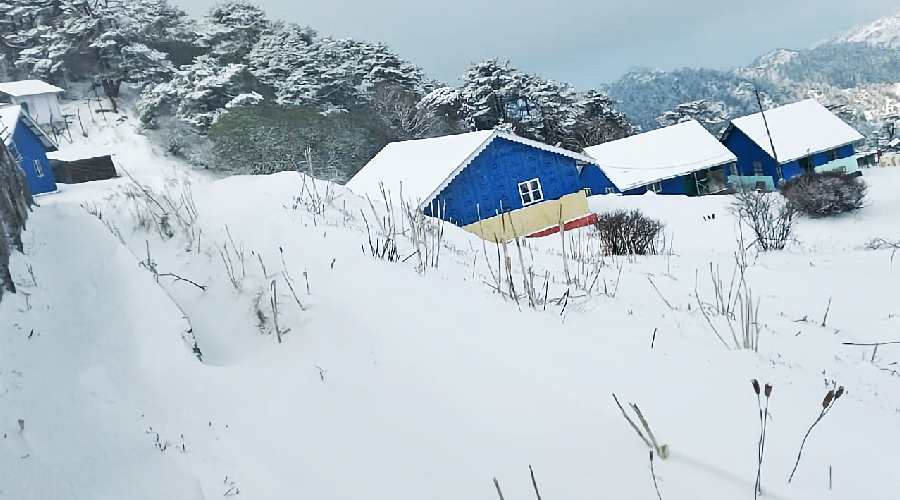
Snowfall in Sandakphu has set the stage for a scenic wonder this summer, captivating both locals and tourists alike. As the highest peak in Bengal, Sandakphu has recently donned a fresh layer of snow, creating an enchanting landscape that enhances the allure of Darjeeling tourism and Sikkim tourism. With this unexpected summer snowfall shimmering under the sun, adventure seekers are flocking to witness the breathtaking views and exhilarating experiences this region offers. Notably, Nathu-la, another popular destination nearby, has also received a generous sprinkle of winter magic, showcasing the beauty of the Himalayas during these warmer months. As the tourism sector buzzes with excitement, the increased footfall in these pristine regions promises to rejuvenate the economy and draw attention to the enchanting Sandakphu snowfall.
The recent seasonal snowfall at Sandakphu has fascinated many, providing a unique twist to the typical summer landscape of the region. Known as Bengal’s highest mountain, the area offers an extraordinary chance for outdoor enthusiasts and nature lovers to explore the stunning vistas and experience the charm of winter in May. With the interaction of Sikkim’s pristine highlands and the adventurous spirits of visitors, this natural phenomenon highlights the appeal of both Darjeeling tourism and Sikkim tourism during a traditionally mild season. As the thrill of wintery scenes like those at Sandakphu beckons, regions like Nathu-la also contribute to creating a captivating atmosphere. This unprecedented snow cover serves as a reminder of the diverse climatic wonders that can emerge unexpectedly in the Himalayan backdrop.
Impact of Snowfall on Sandakphu Tourism
The recent snowfall in Sandakphu has significantly impacted the local tourism industry, generating excitement and optimism among stakeholders. This area, often known for its breathtaking views and trekking routes, is the highest point in Bengal, attracting not only adventure seekers but also nature enthusiasts. With the arrival of summer snowfall, many believe that this phenomenon will revitalize tourism in the region, leading to a spike in visitor numbers. Local tour operators are anticipating that this unusual weather could encourage more tourists to explore the enchanting landscapes of Darjeeling and nearby Sikkim.
Tourism in Sandakphu is primarily driven by its stunning views of the Kanchenjunga range and the challenging trekking trails. The unexpected summer snowfall not only enhances the scenic beauty but also provides a unique experience for travelers, setting Sandakphu apart from other summer destinations. As travelers seek new experiences, such as trekking in a snowy landscape during the warmer months, stakeholders in the tourism industry are eagerly preparing to accommodate this anticipated influx of visitors.
Exploring Nathu-la and its Snowy Conditions
Nathu-la, located near Gangtok, is another area significantly impacted by this year’s snowfall. Being a key destination for tourists wishing to experience the Indo-China border’s majestic vistas, heavy snowfall at Nathu-la enhances its attractiveness during the summer months. As the Indian army ensures the accessibility of this high-altitude pass, many tourists are encouraged to visit, knowing they can safely explore the picturesque surroundings. The Nathu-la pass also serves as a crucial point for cultural exchange, making it a hotspot for those interested in the rich heritage of the region.
The recent weather conditions in Nathu-la not only promise stunning winter landscapes but also provide opportunities for various activities, such as snow photography and adventure sports. These snowy vistas draw visitors from all over, catalyzing an uplift in Sikkim tourism. With roads cleared and the weather improving, adventure enthusiasts are flocking to Nathu-la to enjoy the thrilling experience of snow play in an otherwise summer tourism context. The area’s fame as a year-round tourist destination is further solidified by these noteworthy climatic events.
Reasons for Experiencing Summer Snowfall in Darjeeling and Sikkim
The occurrence of summer snowfall in Darjeeling and Sikkim has puzzled many over the years. Typically associated with winter, this phenomenon is increasingly making headlines each May, much to the delight of tourists and locals alike. Several factors contribute to this unusual weather pattern, primarily linked to cyclonic circulations and low-pressure systems that dominate the region’s climatic conditions during this time of year. Witnessing snowfall during the warmer months creates a unique climate dynamic, making the regions even more appealing to visitors seeking contrasting experiences.
The changing weather patterns, exacerbated by global climate change, seem to result in irregular weather events, such as unexpected snowfall. While the tourists enjoy these rare winter-like conditions in summer, local meteorologists have emphasized the importance of understanding these environmental changes. Travelers visiting during these times are not only treated to a rare spectacle but are also reminded of the need to appreciate and protect the fragile ecosystems that surround Darjeeling and Sikkim.
Enhancing Tourist Experience in Darjeeling and Sikkim
The recent heavy snowfall in the higher altitudes of Darjeeling has led to a renewed focus on enhancing the tourist experience in the region. As stakeholders in the tourism industry work tirelessly to promote the area, they are finding innovative ways to highlight the unique experiences offered by winter snowfall, even during the summer months. This has sparked new initiatives, such as guided snow treks and photography tours targeting avid nature lovers and adventure enthusiasts. These offerings aim to create lasting memories and encourage lengthier stays, which will ultimately bolster the local economy.
Furthermore, the local hospitality sectors are capitalizing on this increase in tourist activity by providing packages that emphasize the seasonal changes. Cozy accommodations offering warm meals and hot beverages have become increasingly popular, satisfying tourists eager to warm up after exploring snowy landscapes. This synergy between natural beauty, local culture, and modern tourism practices ensures that visitors to Darjeeling and Sikkim have an enriching experience during their travels, making them more likely to return.
Forecasts for Future Snowfall and Tourism Trends
As the weather forecast indicates clear skies ahead for Darjeeling and Sikkim, many within the tourism sector are optimistic about the upcoming weeks. The prospect of additional snowfall in the high-altitude areas of Sikkim adds a layer of excitement for tourists and travelers alike. While the prediction of improving weather conditions is welcomed, the potential for more snowfall creates a compelling narrative for those planning their trips to the region, transforming their expectations about what to experience.
The resulting trends in tourism indicate a growing sense of adventure among travelers. Many are drawn to the idea of experiencing snow during summer, which is often viewed as a magical experience. Consequently, this weather pattern could inspire a shift in travel plans, encouraging tourists to choose destinations like Sandakphu and Nathu-la for their summer holidays. As they report their unique experiences, word-of-mouth marketing will likely amplify interest, leading to sustained growth in both Darjeeling and Sikkim tourism.
Cultural Significance of Snowfall in Himalayan Regions
The cultural landscape is deepened by the snowfall in the Himalayan regions like Darjeeling and Sikkim. Such weather phenomena do not only trigger tourist activity but also invoke traditional practices and celebrations that resonate with the local populace. For instance, local festivals celebrating the arrival of snow have gained popularity among tourists, providing them with authentic cultural experiences. This unique blend of nature and tradition makes visits to these regions during unusual weather conditions truly memorable.
Moreover, the wintery landscape created by snowfall serves as a picturesque backdrop not just for leisure but also for various cultural expressions, such as art and literature. Local artists find inspiration within these snow-clad vistas, often creating works that reflect the beauty and mystique of the regions. With the influx of visitors attracted by this artistic representation of the natural world, Darjeeling and Sikkim are becoming vibrant hubs where culture, nature, and tourism intersect.
Snowfall Trends: Historical Context and Future Expectations
The pattern of snowfall in the Darjeeling and Sikkim regions is both intriguing and alarming when viewed in historical context. Over the years, there has been a noticeable shift in weather patterns, with summer snowfall becoming increasingly common. Understanding the historical context allows stakeholders to adjust their strategies to cater to this evolving climate, focusing on sustainability and environmentally friendly practices to preserve the natural beauty that draws tourists.
With a significant rise in reports of summer snowfall, the tourism industry must strategize accordingly to embrace this climatic phenomenon. As local meteorologists analyze weather data, there is hope for a clearer understanding of these changes, allowing tourism to adapt to new trends. This not only prepares local businesses but also enhances visitor experiences, ultimately leading to sustainable tourism practices in the face of shifting climate patterns.
Adventurer’s Paradise: Sandakphu Trekking Experiences
For trekking enthusiasts, Sandakphu represents the pinnacle of adventure in West Bengal, offering exhilarating trails coupled with awe-inspiring views. The recent snowfall on the trek adds an extra layer of excitement as trekkers navigate the white-blanketed paths, creating a dreamlike atmosphere. This winter wonderland makes Sandakphu a sought-after destination for those looking to experience the thrill of trekking in a snowy landscape during summer.
Moreover, local guides emphasize the importance of shared experiences during such treks, as the presence of fresh snow can gather groups together for an unforgettable communal adventure. Travelers from all walks of life converge on Sandakphu, creating stories and memories that bind them. As tourism activity picks up, trekking organizations are encouraged to promote guided treks to ensure safety and enhance the journey through this enchanting terrain.
Weather Patterns Affecting the Tourism Calendar
The recent weather patterns in Darjeeling and Sikkim have led to a shifting tourism calendar, with many tourist activities becoming adaptable to the unusual weather. The onset of summer snowfall is a significant development that elevates the region’s allure as a destination even during the warmer months. Travel planners are recognizing this shift and tailoring their offerings to include winter-related activities that capitalize on the unexpected snowfall, thus ensuring year-round tourism.
As the weather shifts, the traditional summer peak season in Darjeeling and Sikkim could morph into a dynamic period attracting varied traveler interests. With efficient planning and adaptability, tourism officials are likely to thrive, promoting tailored experiences to draw visitors throughout the year. This adaptability not only ensures continuous growth in tourist footfall but also showcases the region’s resilience in the face of changing weather patterns.
Frequently Asked Questions
What causes snowfall in Sandakphu during spring?
Snowfall in Sandakphu during spring is primarily caused by the region’s high altitude, resulting in colder temperatures. This phenomenon is particularly noted in May, as seen from the recent summer snowfall reports in Sandakphu and nearby areas in Darjeeling and Sikkim.
How does Sandakphu snowfall affect Darjeeling tourism?
Sandakphu snowfall significantly boosts Darjeeling tourism by attracting adventure seekers and nature lovers. The pristine white landscape draws visitors looking for unique experiences, particularly those interested in summer snowfall in the region, enhancing local tourism activities.
Is Nathu-la snowfall related to Sandakphu snowfall events?
Yes, Nathu-la snowfall is often related to Sandakphu snowfall events due to their geographical proximity in Sikkim and Bengal. Both locations experience snowfall during the same weather patterns, especially in early spring, which enhances the overall tourism experience in these high-altitude destinations.
What is the best time to experience Sandakphu snowfall?
The best time to experience Sandakphu snowfall is typically between March and May. Recent reports indicate that snowfall has occurred as late as early May, providing a unique opportunity for tourists to witness the snowy landscapes during the spring season.
Are there accommodations for tourists during snowfall in Sandakphu?
Yes, there are accommodations for tourists during snowfall in Sandakphu. Local hotels and lodges cater to visitors looking to enjoy the beautiful snowy scenery and participate in winter activities, making it an ideal spot for Darjeeling and Sikkim tourism.
What activities can tourists enjoy during Sandakphu snowfall?
Tourists can enjoy a variety of activities during Sandakphu snowfall, including trekking, photography, and simply soaking in the breathtaking views of snow-covered mountains. Additionally, travelers often explore the cultural aspects of the region, making the most of their visit during this unique weather phenomenon.
Can weather conditions affect the travel plans for Sandakphu in winter?
Yes, weather conditions can significantly affect travel plans for Sandakphu. During heavy snowfall, access roads might be obstructed, and temperatures drop, so it’s crucial for travelers to stay updated on the weather forecasts to ensure a safe and enjoyable trip.
What are the recent weather forecasts for Sandakphu following snowfall?
The recent weather forecasts for Sandakphu indicate clear skies and improved conditions after the snowfall, allowing for a better experience for tourists in the coming days. The Indian Meteorological Department has noted that no heavy rainfall is expected, contributing to a favorable environment for tourism.
| Key Point | Details |
|---|---|
| Snowfall Impact | Heavy snowfall at Sandakphu (11,000 feet) and Nathu-la (14,000 feet) has positively impacted the tourism sector. |
| Tourist Expectations | Tourism stakeholders anticipate a rise in tourist numbers following recent snowfall and the conclusion of Bengal elections. |
| Weather Conditions | Clear skies are expected from Thursday, allowing for an increase in tourist activities. |
| Historical Context | Snowfall in the region has been recorded from March to May in previous years, indicating unusual weather patterns. |
| Forecast Insights | The Indian Meteorological Department predicts improved weather with no heavy rain expected in the next days. |
Summary
Snowfall in Sandakphu is not only a stunning natural phenomenon but also a boost for local tourism. The recent heavy snowfall at Sandakphu and Nathu-la has delighted many, especially those in the tourism industry, who are optimistic about an influx of visitors in the coming weeks. As the weather improves, clearer skies and pleasant conditions are expected, making it an ideal time for tourists to visit the beautiful regions of Darjeeling and Sikkim.